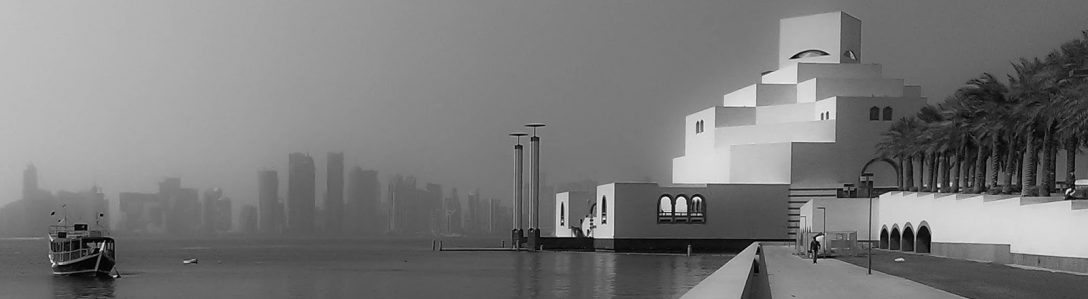
In Xanadu did Kubla Khan
“Kubla Khan” by Samuel Taylor Coleridge
A stately pleasure-dome decree:
Where Alph, the sacred river, ran
Through caverns measureless to man
Down to a sunless sea.
At the commencement of the Fall 2023 semester, a two-week break awaited me, and my initial plan was to visit India. However, as I engaged in conversations with friends, colleagues, and acquaintances about their experiences traveling to India, my enthusiasm waned, and apprehension set in.
Preparations for the trip included recommended precautionary vaccines, with boosters advised for Diphtheria, Hepatitis A, Tetanus, and Typhoid. Additional vaccines to consider were Hepatitis B and Rabies, while selectively advised vaccines for those at the highest risk included Cholera and Japanese Encephalitis. Moreover, everyone shared anecdotes of falling ill at some point during their travels, experiencing issues such as diarrhea, respiratory infections, and gastrointestinal diseases. These health concerns weighed heavily on my mind. Considering that my sister was getting married in early February, I was reluctant to embark on a trip that might result in illness and necessitate a hectic recovery while planning a whirlwind visit to the United States.
Contemplating the challenges of traveling to a country with 1.4 billion people added to my reservations. The prospect of dealing with crowds, navigating traffic and infrastructure issues, and encountering economic disparities provided me another pause. After careful consideration of these factors, I began reconsidering my plans to visit India during the break.
Subsequently, I chose to revise my travel plans and opted for a visit to Abu Dhabi. Being less than an hour’s flight from Doha, and despite having visited Dubai previously, I had never explored the city often regarded as the true powerhouse of the United Arab Emirates. During the second week of my winter break, I decided to spend four days in Abu Dhabi, immersing myself in sightseeing and enjoying the rich culture the city has to offer.
While many of my work colleagues swiftly departed Qatar the microsecond the break initiated, I chose to linger in the country for a week before my journey to Abu Dhabi. This period proved to be incredibly therapeutic for me. I indulged in restful sleep, easily scheduled all my medical checkups, spent quality time with friends who were still in the country, and even explored some of the sights in Doha. Winter in the Gulf is remarkably pleasant. The weather is temperate, and being out in the sun felt rejuvenating rather than a slow form of death. Locals and residents were active in the city, and there was a noticeable influx of tourists arriving from docked cruise ships, and possibly some here in anticipation of the upcoming Asian Football Cup. This leisurely week spent unwinding in Qatar didn’t leave me with any second thoughts about postponing my trip to the hustle and bustle of India.
When I finally departed for Abu Dhabi, there were no incidents. I arrived at Hamad International Airport at 6am with a single carry-on bag. I checked in without issue, and after a short wait in the Silver Class Lounge, I was on a short flight to my destination.
During my visit to Abu Dhabi, I had to make some minor adjustments. Despite the 235-mile (378-kilometer) distance between Doha and Abu Dhabi, there is a time difference of one hour, with Abu Dhabi being ahead. Additionally, Abu Dhabi uses dirhams as its currency, unlike Doha which uses riyals. However, the exchange rate is nearly 1 AED to 0.99 QAR. Finally, I realized I had to set my Talabat location to the UAE instead of Qatar if I wanted to order and have food delivered to my hotel.
On my initial day in the city, I set out for some local shopping, exploring Souk Central Market, the Central Market Mall, and the Iranian Souk near the harbor. Unfortunately, as a resident of Qatar for six years and having visited numerous Arabic and Turkic countries, none of the items at these locales struck me as particularly distinctive. The offerings were the typical array of goods found in such markets, encompassing aromatic spices, traditional textiles, handcrafted items like pottery and metalwork, jewelry, carpets and rugs, Arabic clothing, exotic perfumes and oils, a variety of dates and nuts, special tea and coffee blends, antique collectibles, Islamic art and calligraphy, leather goods, decorative ceramics, and an assortment of traditional sweets and desserts. While this selection was intriguing during my initial experiences in such bazaars, with a traditional souq just a 30-minute Metro ride away from me in Doha, the novelty has long since worn off. So, I opted to visit the Louvre Abu Dhabi with the remainder of my first day in the city.
The Louvre Abu Dhabi
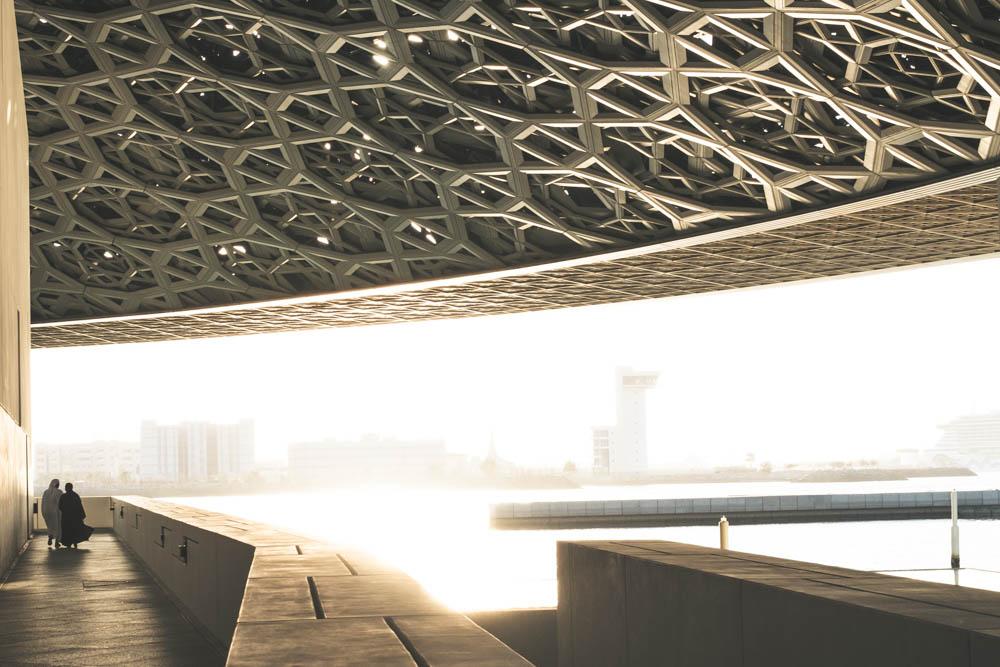
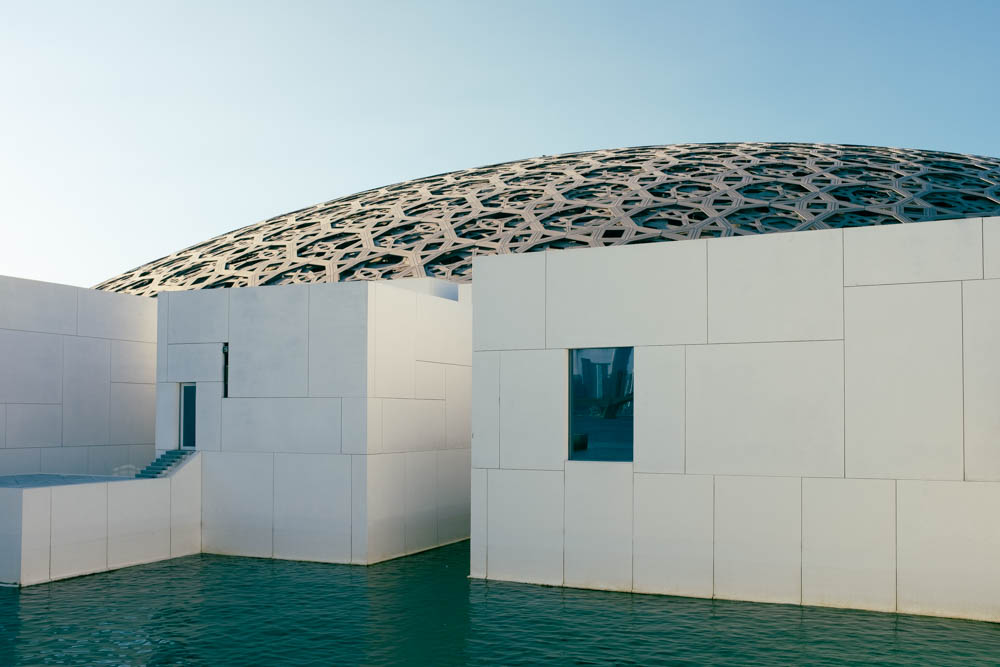
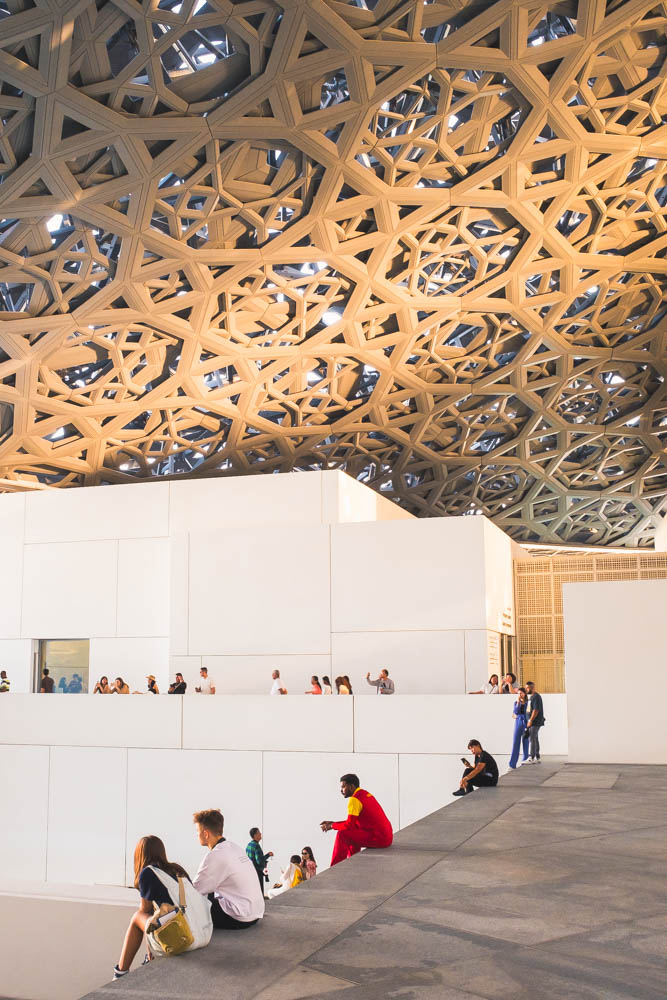
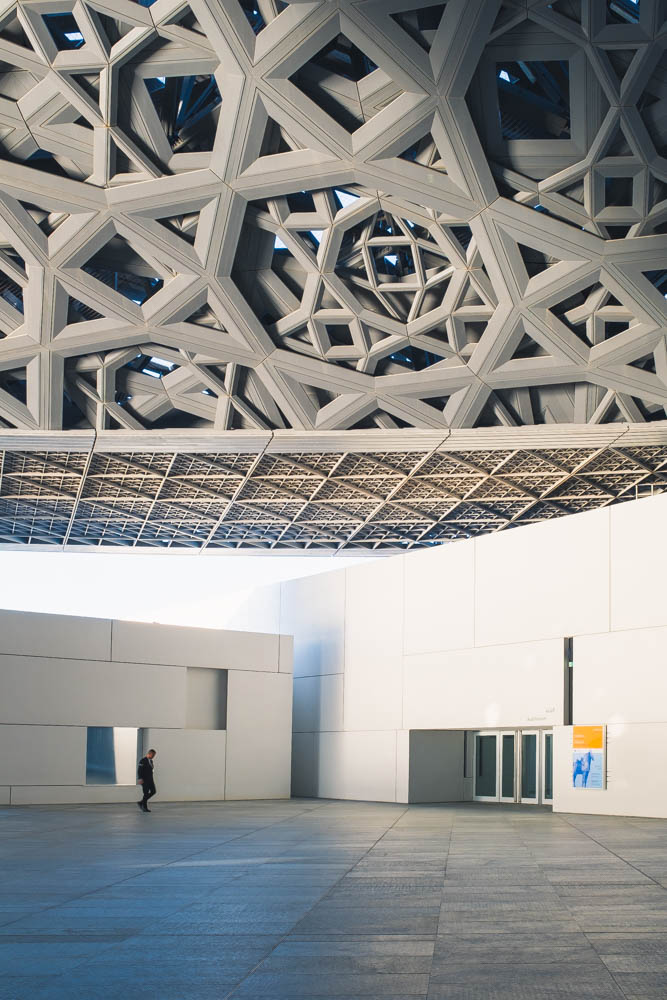
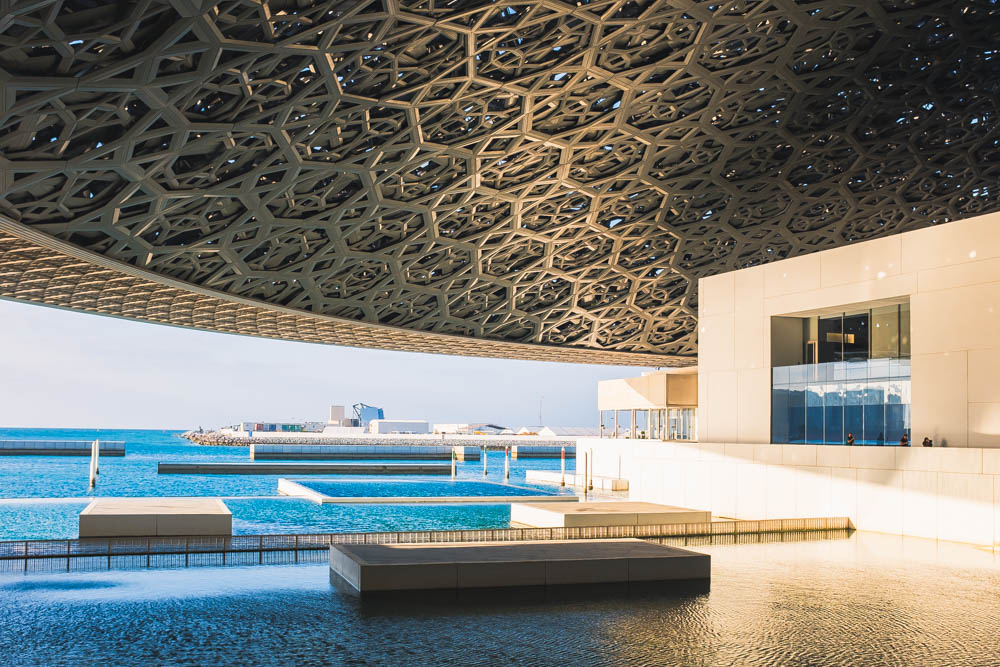
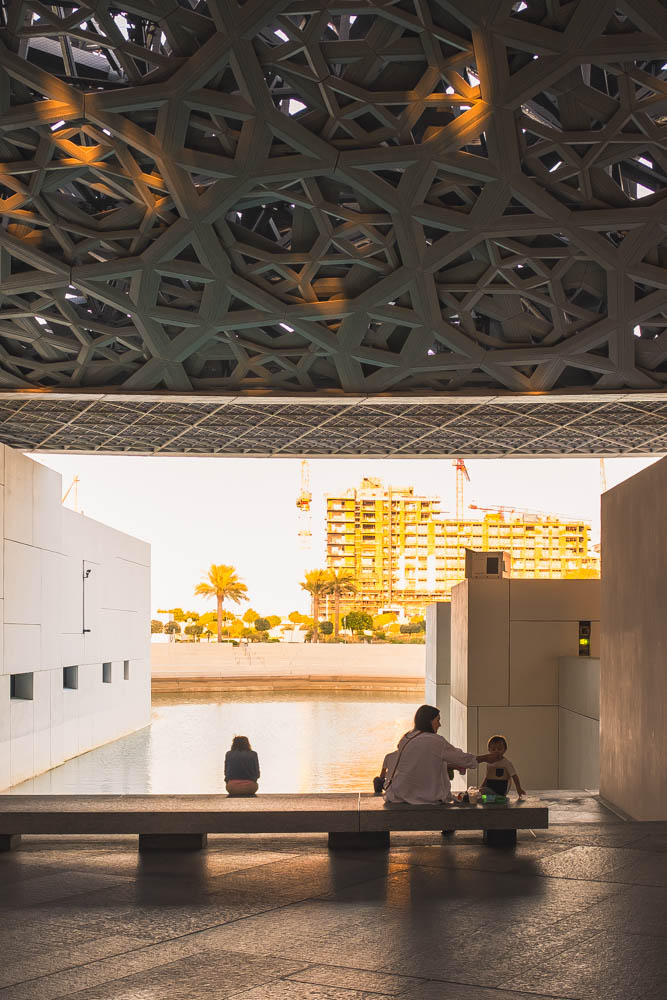
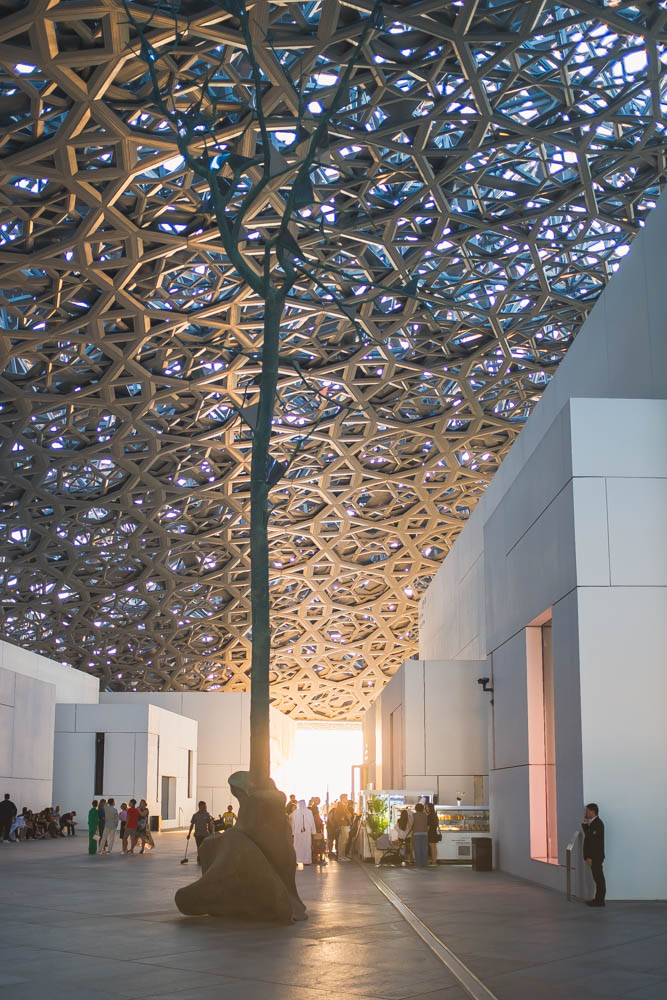
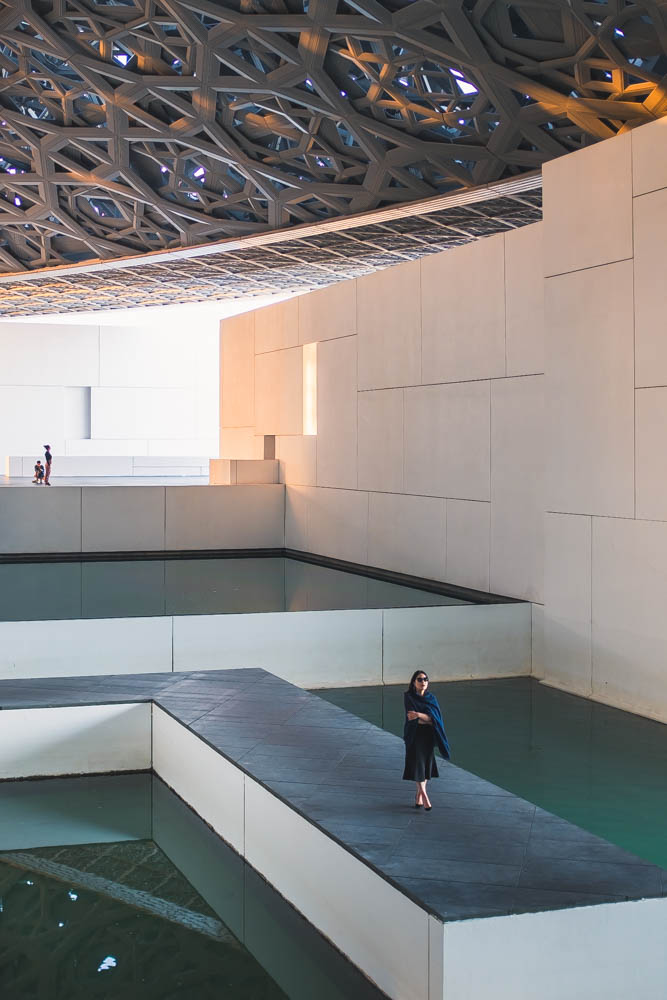
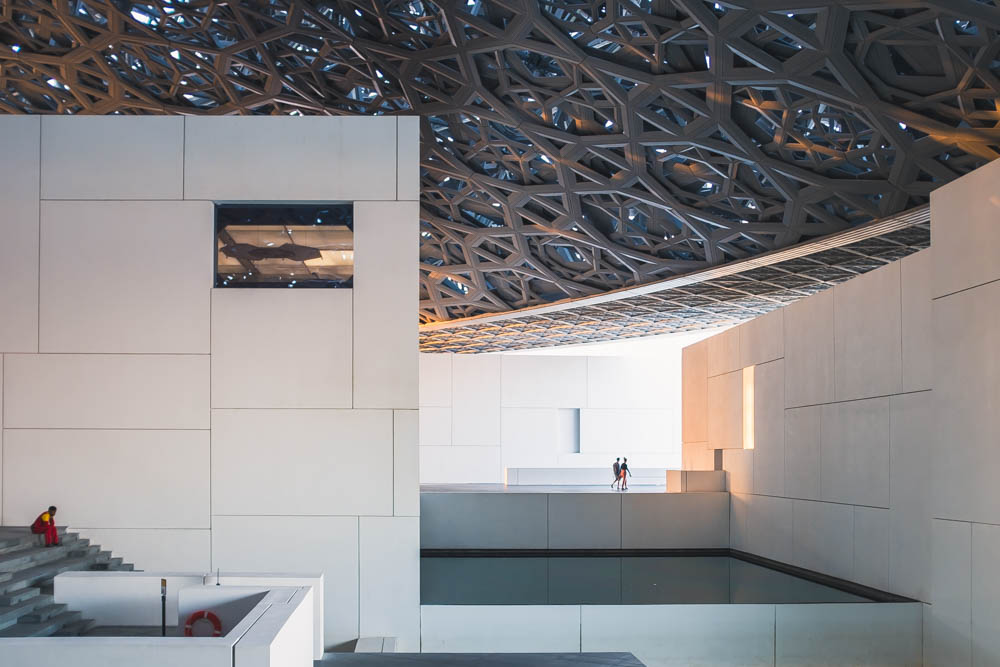
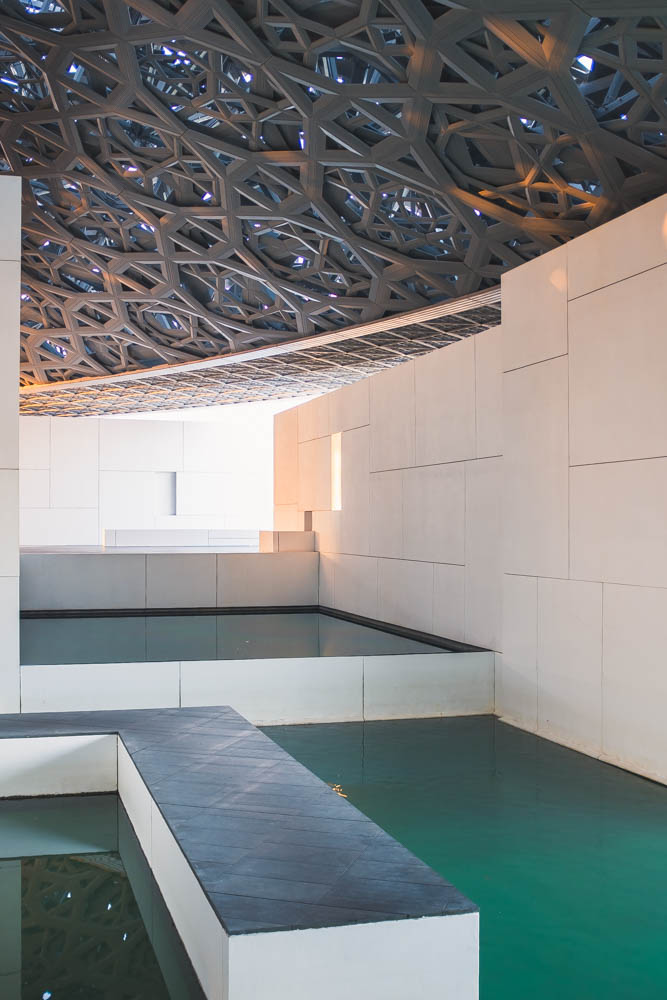
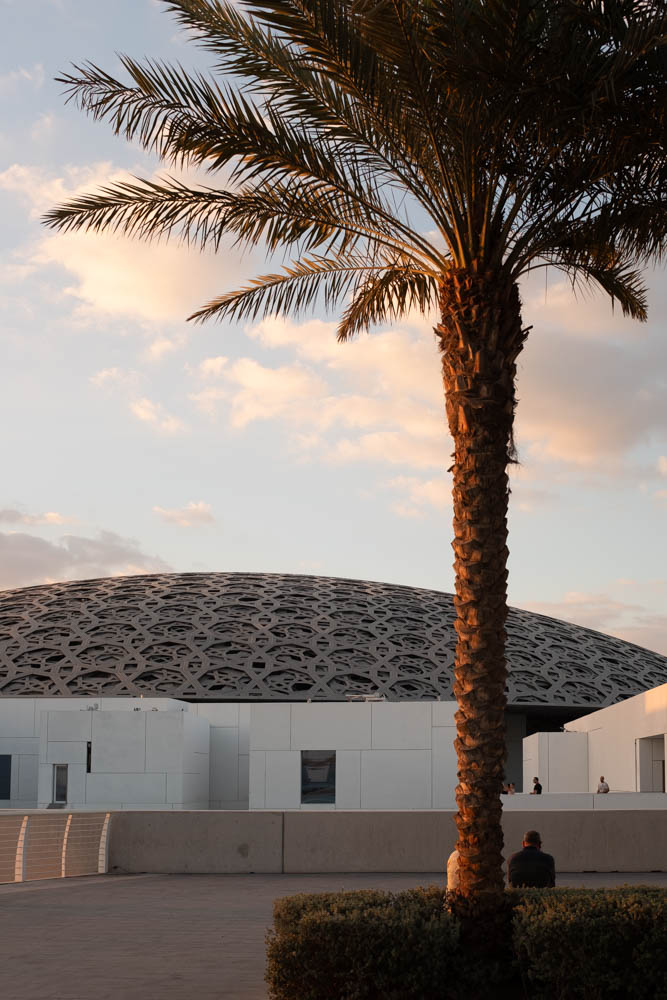
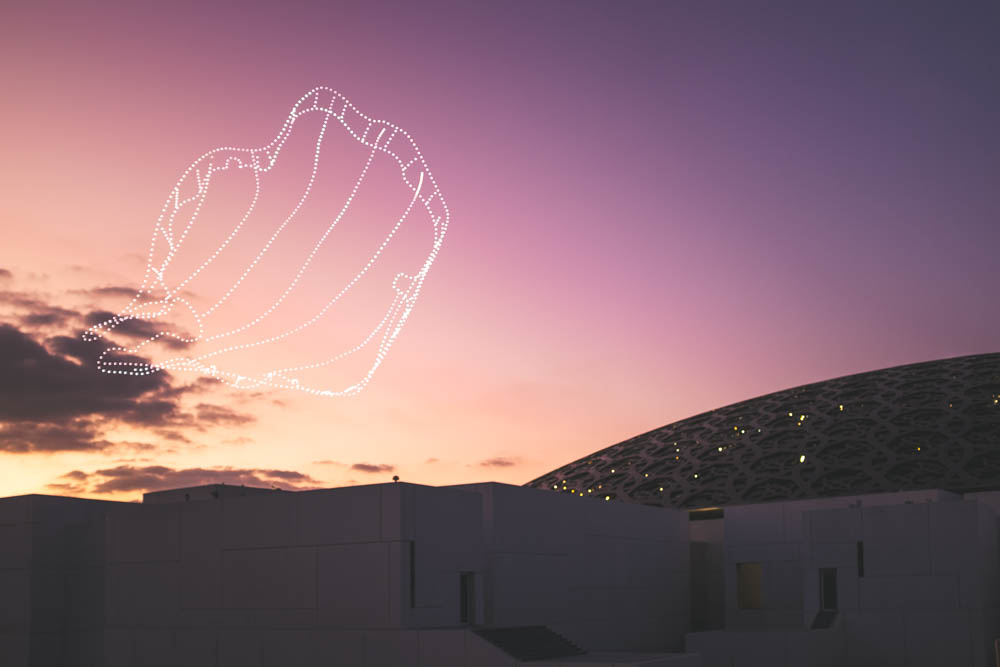
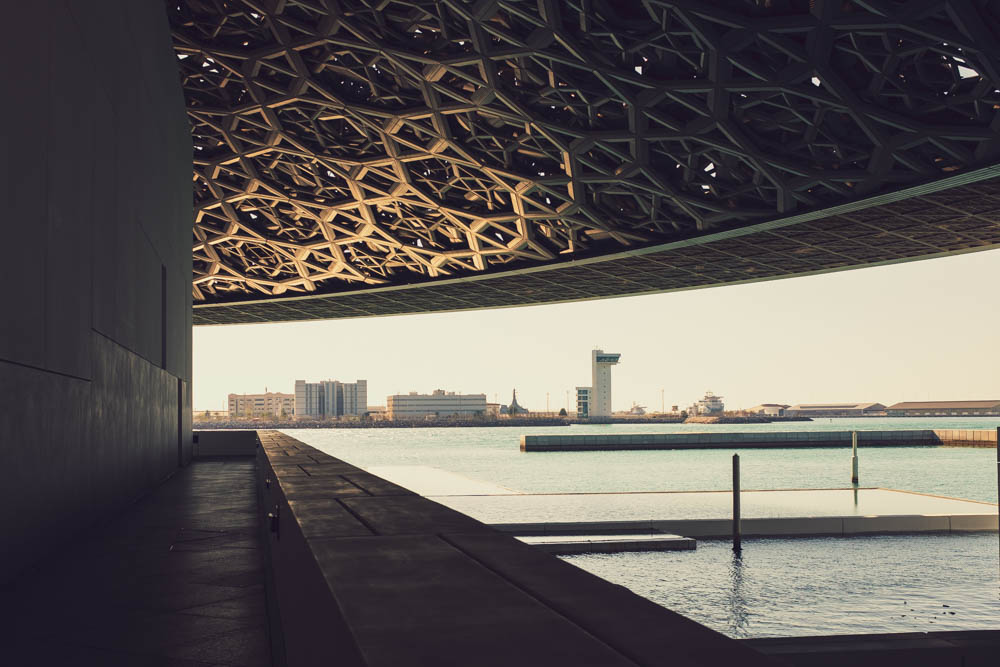
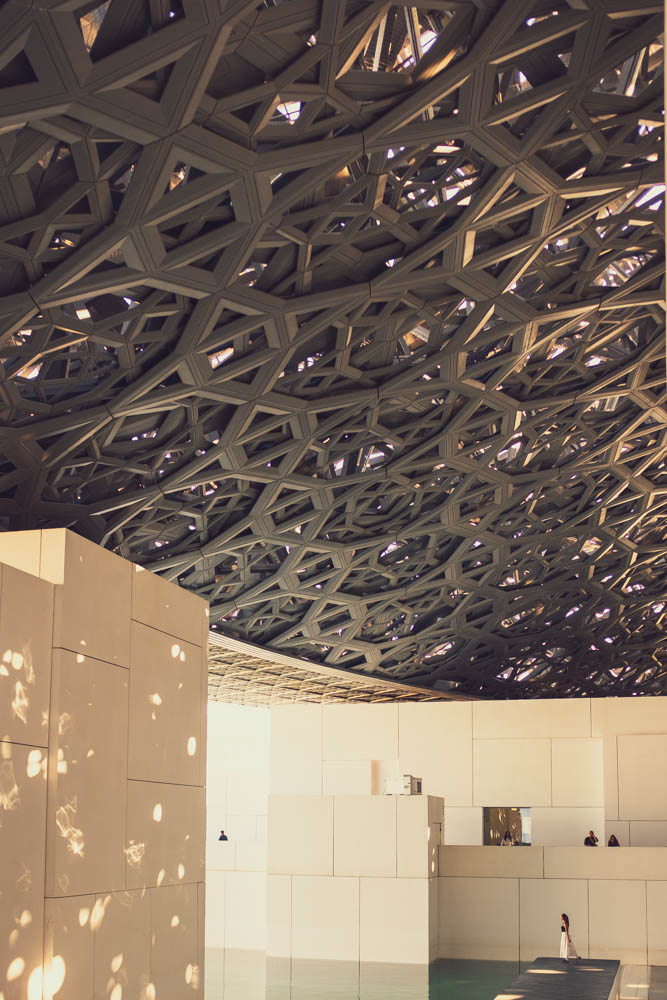
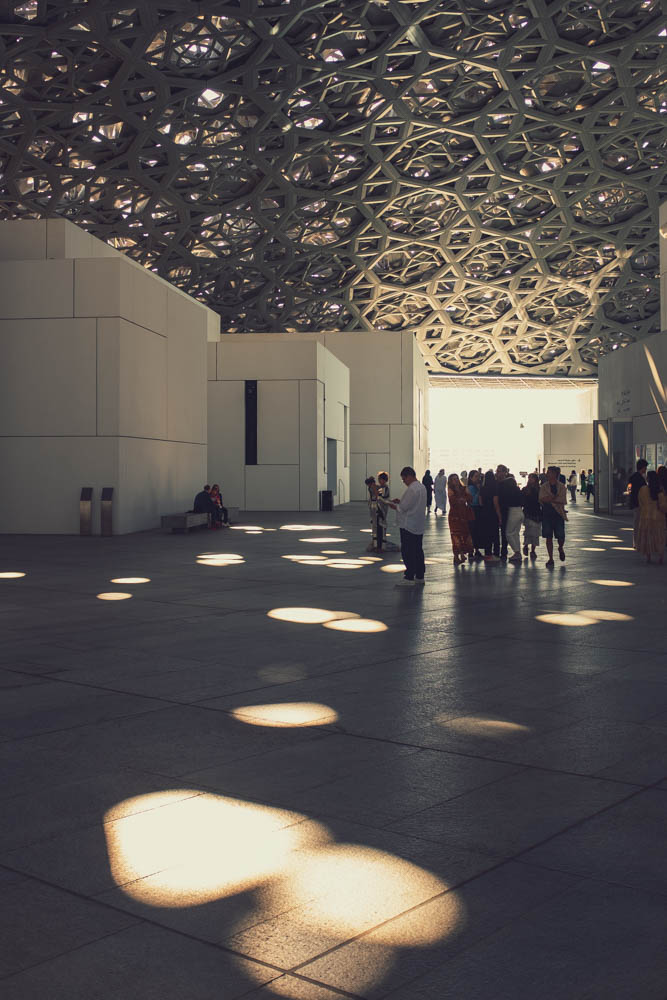
Established through a March 2007 agreement between the UAE and France, the Louvre Abu Dhabi has the authorization to use the Louvre’s name until 2037. Covering an expansive area of approximately 24,000 square meters, including 8,000 square meters of galleries, it is the largest art museum in the Arabian Peninsula. With a mission to exhibit artworks from diverse parts of the world, the Louvre Abu Dhabi aims to bridge the gap between Eastern and Western art. Designed by the renowned architect Jean Nouvel, the museum features a floating dome composed of interlocking metal stars, allowing sunlight to create a captivating play of light within. The surrounding water channels and a reflective pool enhance the illusion of the museum floating. This architectural masterpiece was constructed at an estimated cost of approximately €600 million.
Situated in Abu Dhabi’s Cultural District on Saadiyat Island, the Louvre Abu Dhabi is part of an array of cultural mega projects. This includes the Zayed National Museum, focusing on UAE’s history, and the Guggenheim Abu Dhabi, a collaboration with the Solomon R. Guggenheim Foundation showcasing modern art. The Sheikh Khalifa bin Zayed Arabic Language Centre prioritizes Arabic language preservation, while a state-of-the-art Performing Arts Centre is in development. Future plans encompass a Maritime Museum highlighting UAE’s maritime history and Manarat Al Saadiyat as an exhibition center. These endeavors will collectively shape Saadiyat Island into a globally significant cultural hub.
Two years ago, during a trip to Dubai with my mother and two sons, I had planned a visit to Abu Dhabi. Our itinerary included exploring the palace, the grand mosque, and the Louvre Abu Dhabi. Unfortunately, our plans were disrupted when my oldest son contracted COVID, leading to the cancellation of our outing. The prospect of visiting the Louvre Abu Dhabi had been on my radar for quite some time, and the unexpected circumstances were a disappointment.
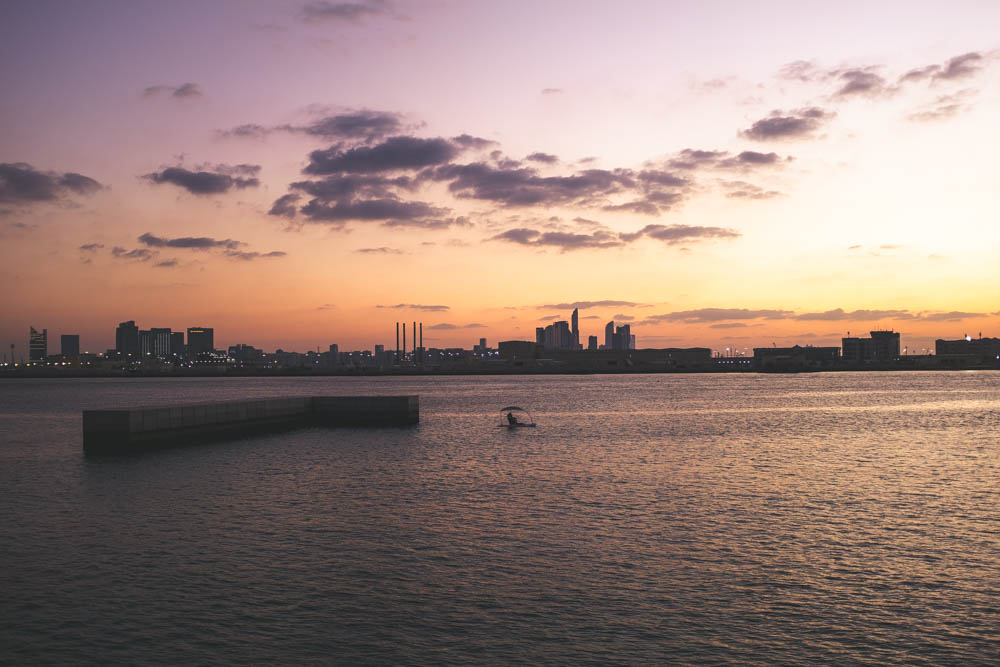
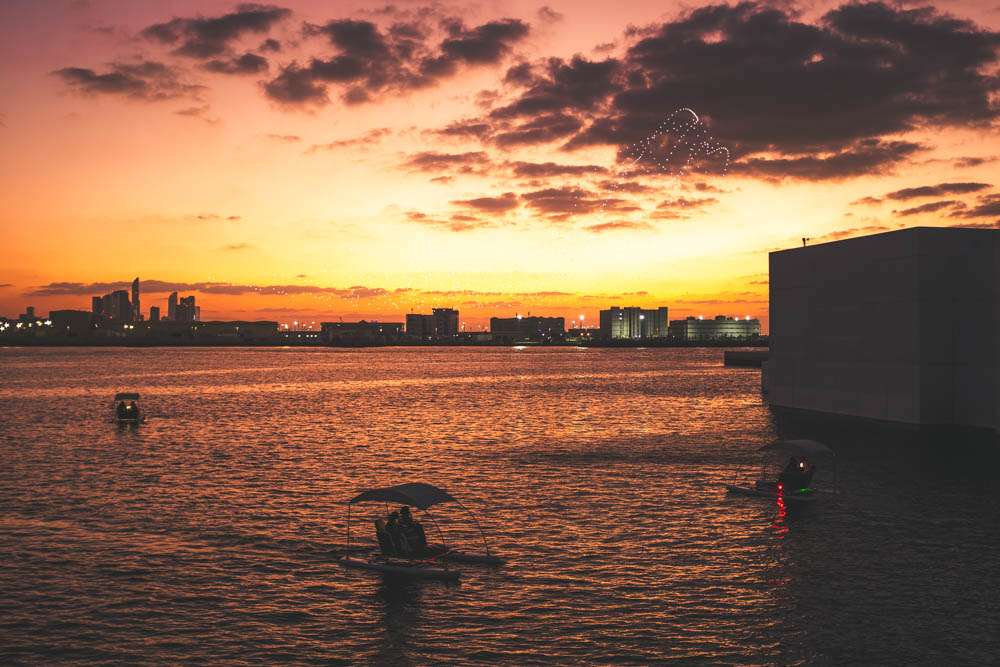
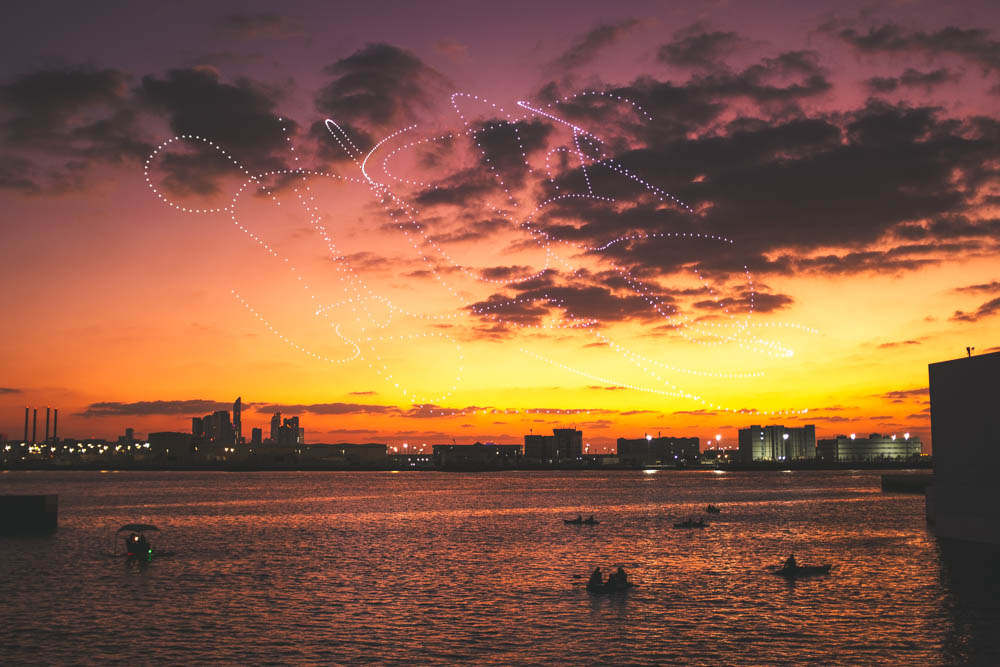
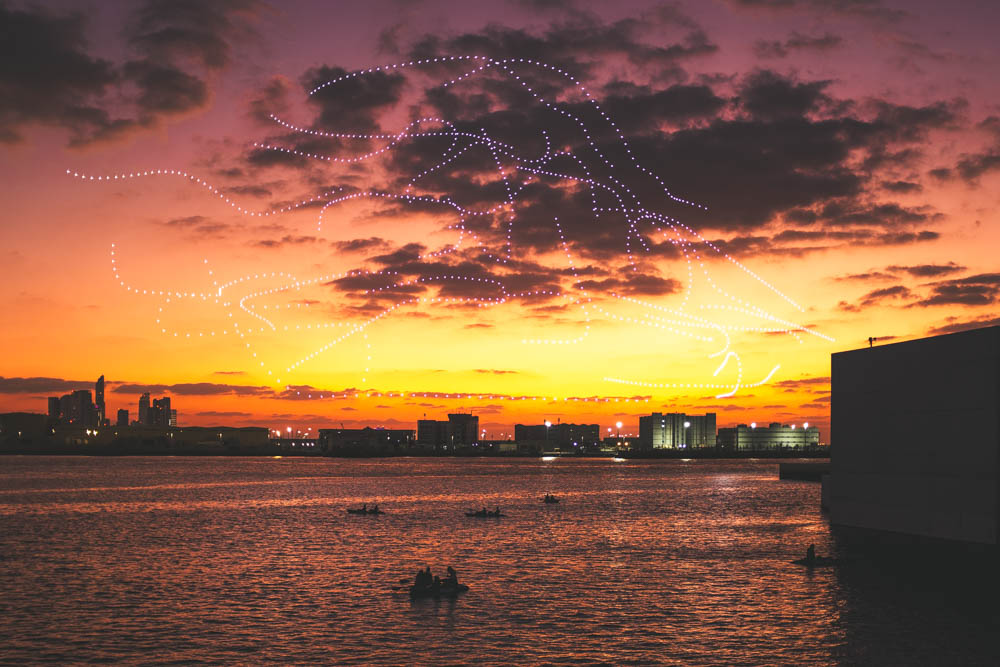
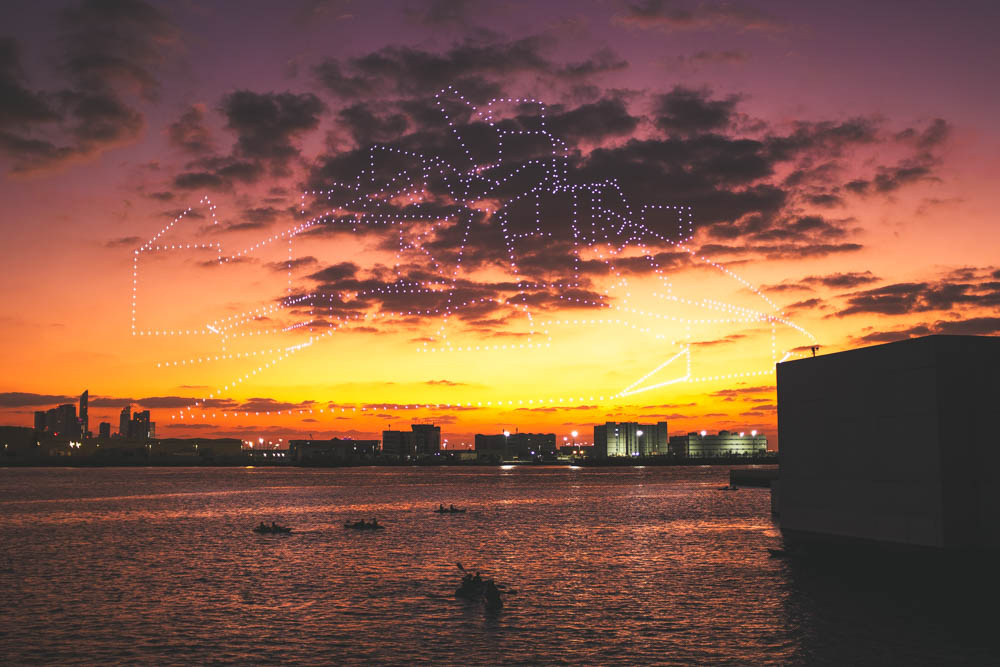
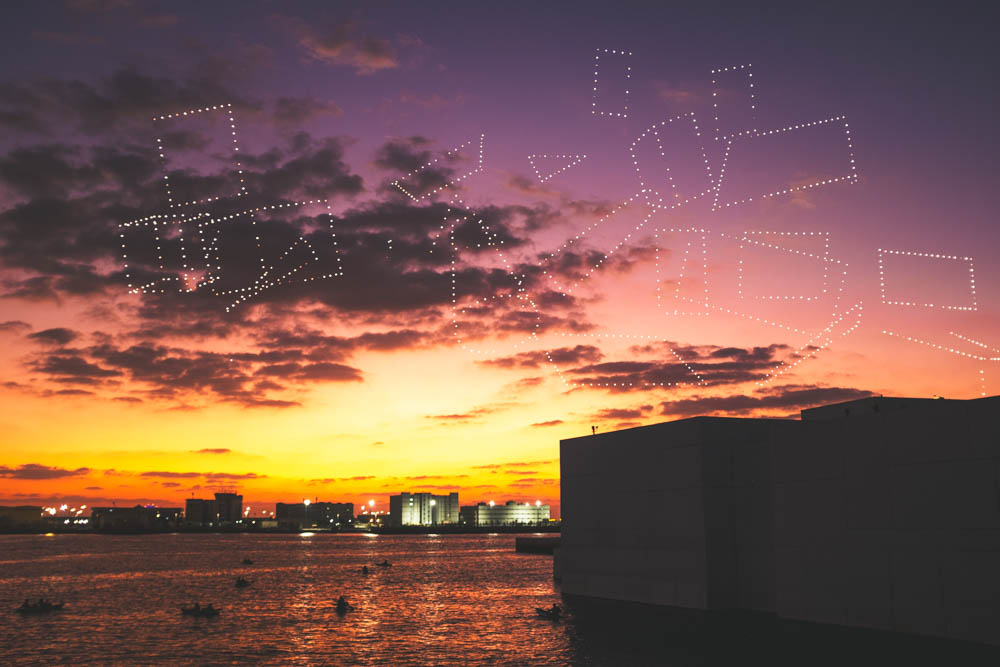
Having just arrived in Abu Dhabi and already spending part of the day exploring, I made the spontaneous decision to extend my visit to the Louvre Abu Dhabi to two days. The first day was dedicated to appreciating the architectural marvel of the building, while the second was reserved for immersing myself in the exhibits. This impromptu choice proved to be serendipitous, allowing me to capture photographs with the enchanting lighting conditions near sunset. Moreover, as the sun set, a scheduled drone show unfolded, providing an unexpected addition to my experience. After traveling extensively over the past half-decade, I’ve learned not to rigidly adhere to travel schedules. Being open to spontaneous whims and adventures often leads to discovering the truly memorable parts of a trip.
The next day, I arrived early at the Louvre Abu Dhabi and was thinking how brilliant I was because the parking lot looked half empty. Great! I thought, I would have the Louvre to myself without the crowds of tourists. As I got closer to the entrance, though, I noticed something strange. The few tourists gathered were walking back. And, as I neared the entrance, a security guard approached me to inform me that the Louvre was closed on Monday for school visits. So, I made another impromptu decision to spend the morning at Qasr Al Watan, the presidential palace of the UAE.

Qasr Al Watan
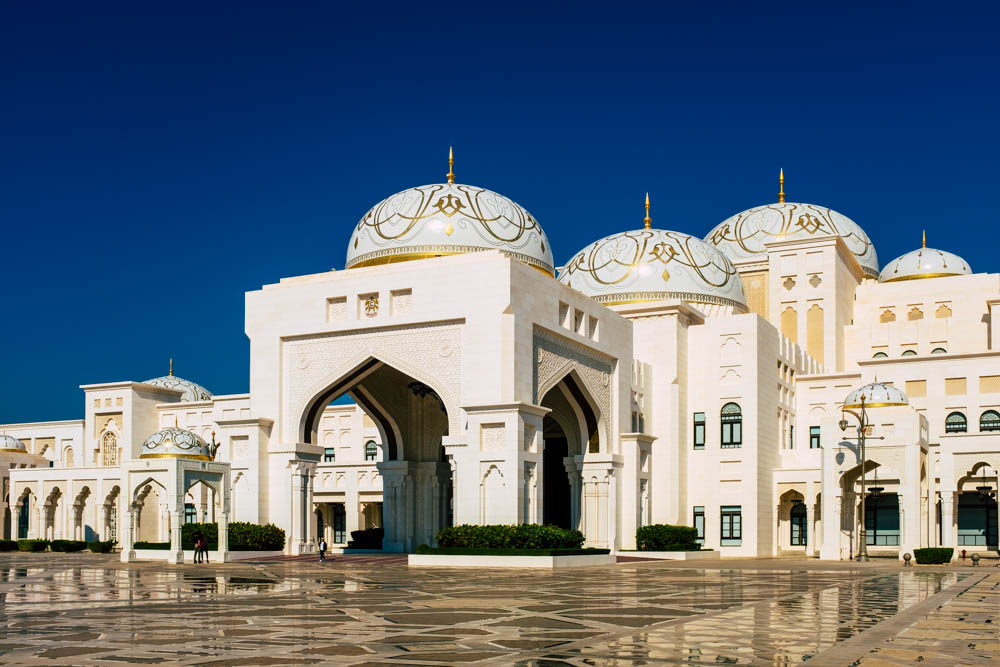
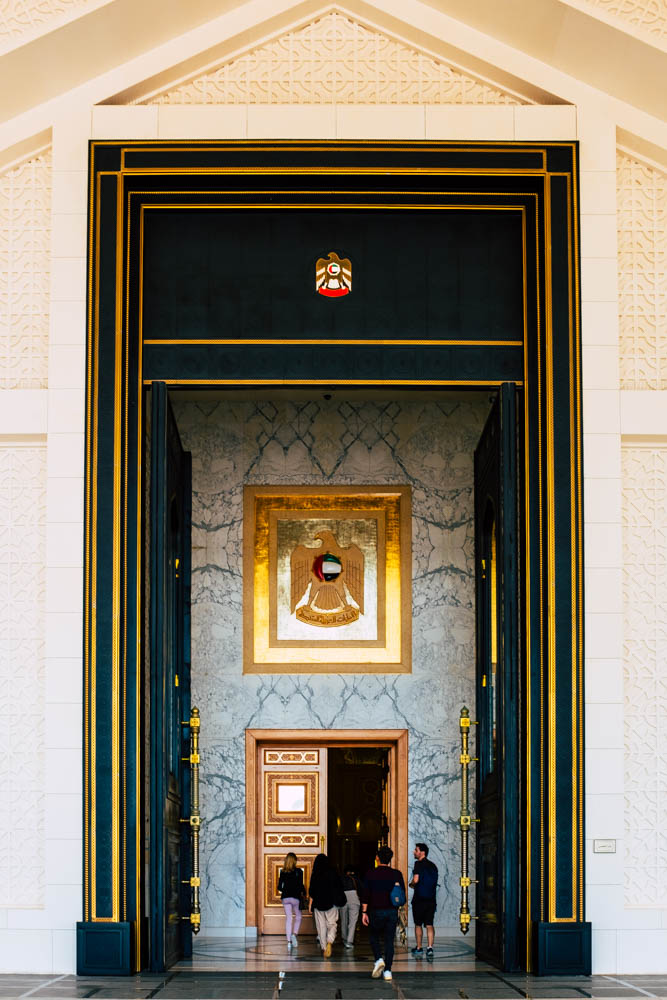
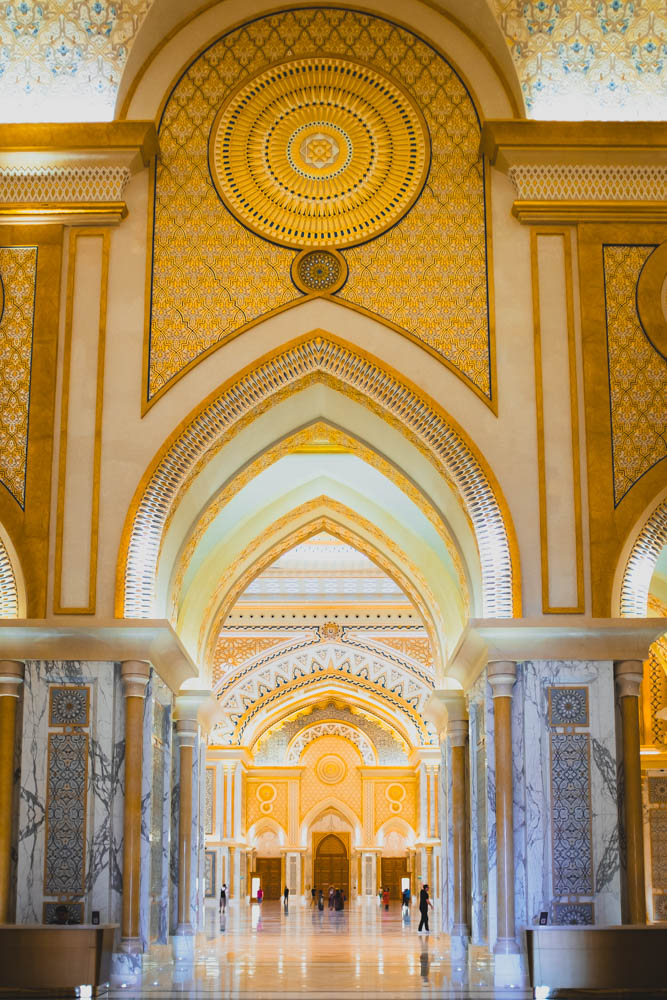
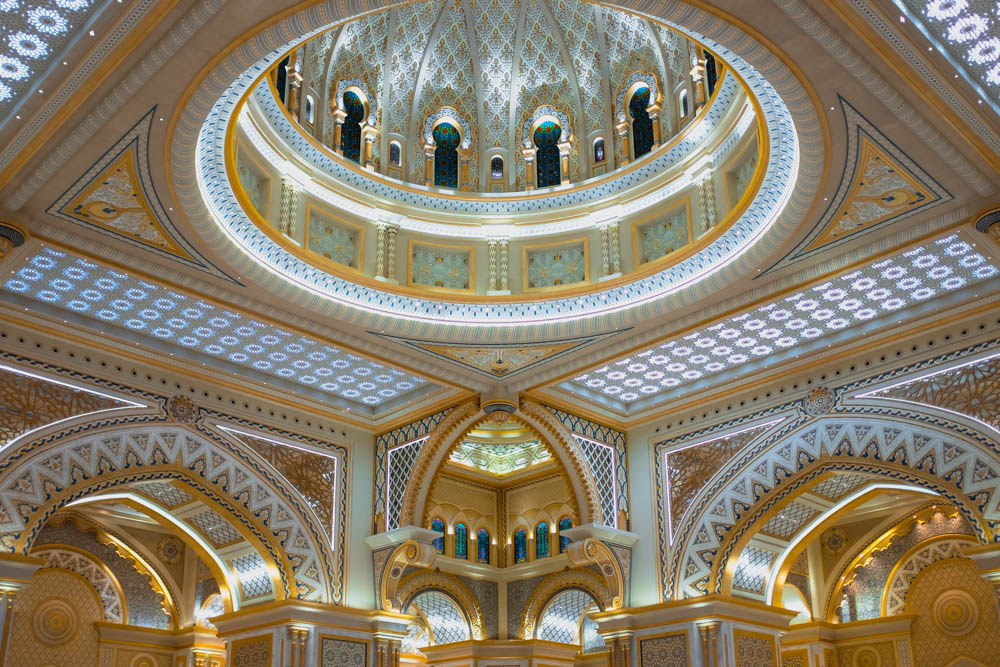
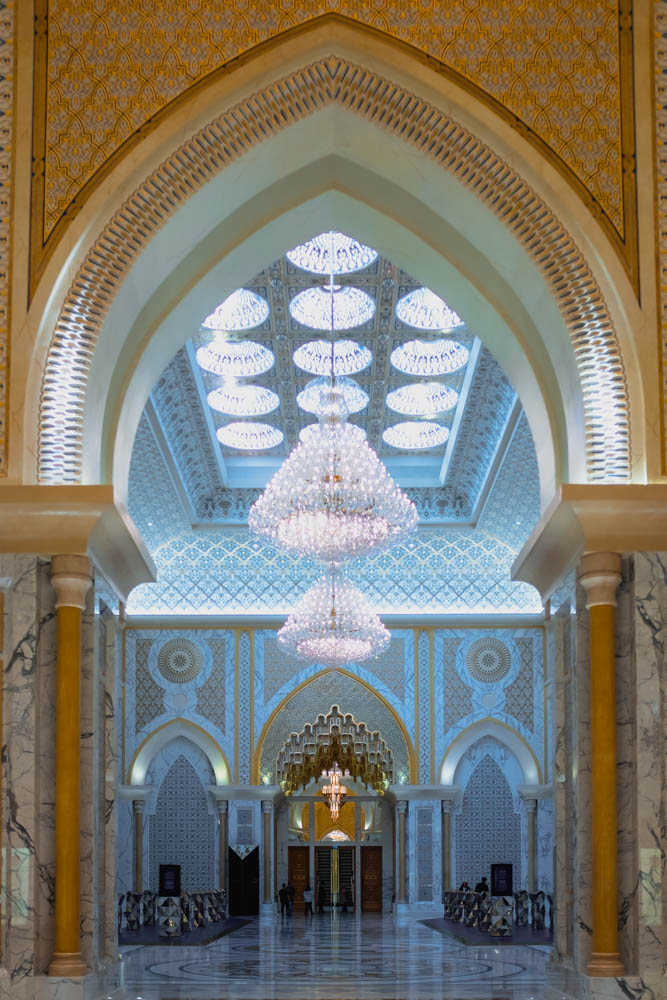
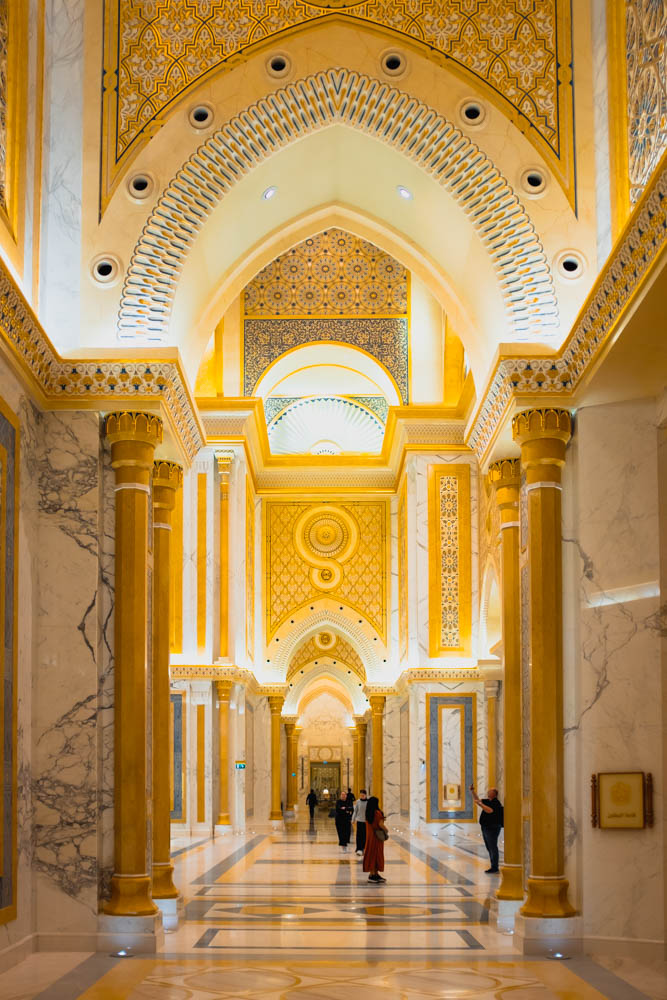
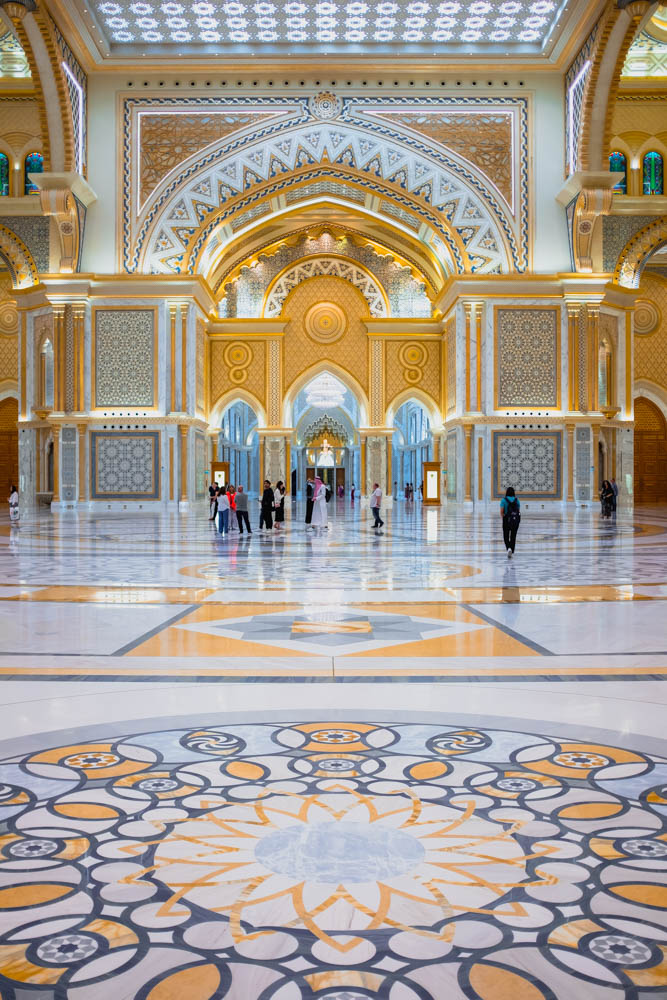
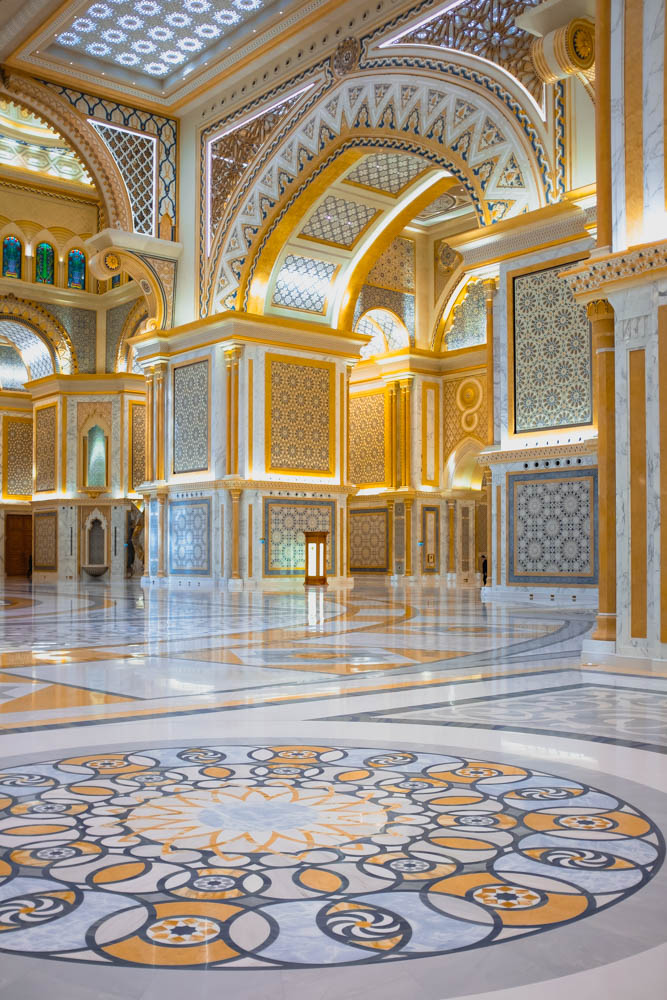
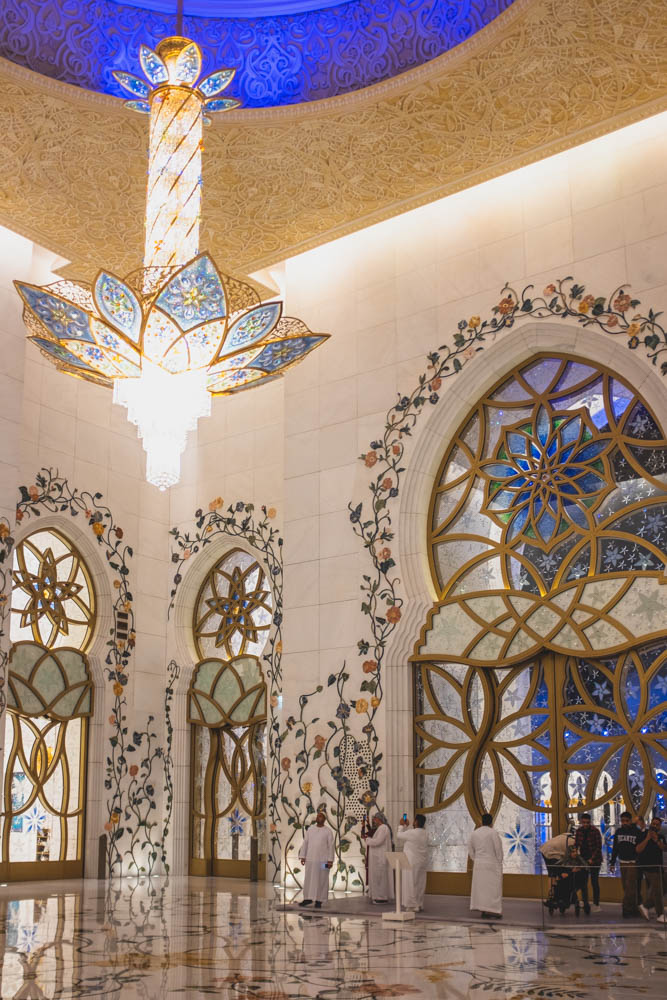
Qasr Al Watan, Abu Dhabi’s Presidential Palace, is an architectural fusion of traditional Arabic and Islamic design with contemporary features. Its exterior, adorned with white granite and limestone, showcases intricate geometric patterns, arches, and reflective pools, creating a majestic ambiance. Inside, ornate decorations, calligraphy, and symbolic design elements authentically portray the rich cultural and historical identity of the UAE. The Great Hall, featuring a massive dome ceiling and an impressive chandelier, serves as a splendid venue for official ceremonies. Completed in 2017 and opened to the public in 2019 under the patronage of Sheikhs Khalifa bin Zayed Al Nahyan and Mohammed bin Zayed Al Nahyan, the palace was initially reserved for official functions and hosting foreign leaders but continues to host state meetings while accessible to the public.
The scale and grandeur of Qasr Al Watan were genuinely breathtaking, evoking a sense of insignificance in me. Among the manmade sites I’ve visited, including the Forbidden Palace in China, Macchu Picchu in Peru, the Milan Cathedral in Italy, and Petra in Jordan, few have induced such a feeling of smallness. Qasr Al Watan is the most modern and recent addition to this list. Still, the palace prompted me to reflect on the historical concentration and utilization of wealth and power. It serves as a reminder that civilizations rise and fall, and even their grand monuments eventually succumb to the elements and the passage of time.
Following my visit to Qasr Al Watan, I headed back to my Airbnb for a meal and a brief nap. Opting for convenience, I chose to have most of my meals at the lodging. Utilizing the Talabat app, I scanned nearby restaurants and ordered from those offering the most delicious and healthy options. (Two choices that particularly delighted me during my trip to Abu Dhabi were Asle – Healthy Lebanese Bowls and Salata, a salad establishment renowned for its tasty super bowls.) After savoring my meal and resting, I embarked on the evening journey to my second destination of the day, the Sheikh Zayed Grand Mosque.




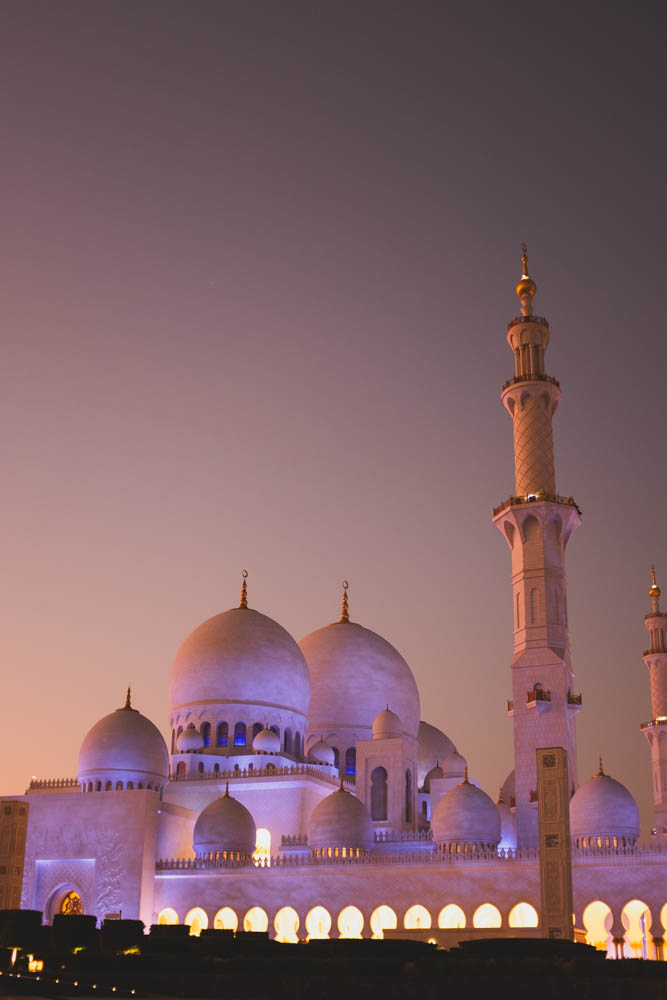
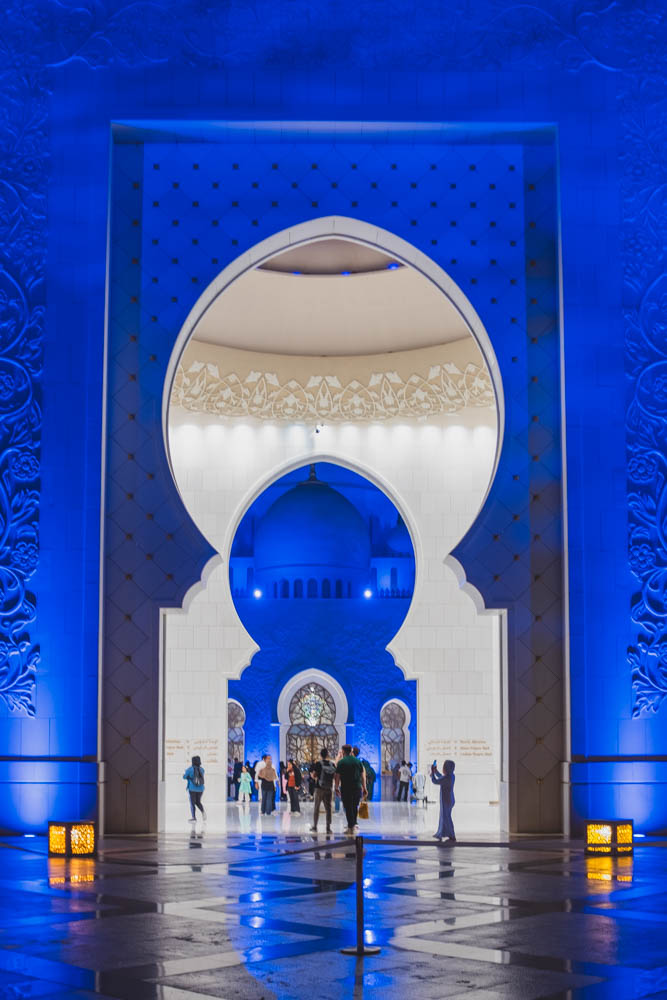
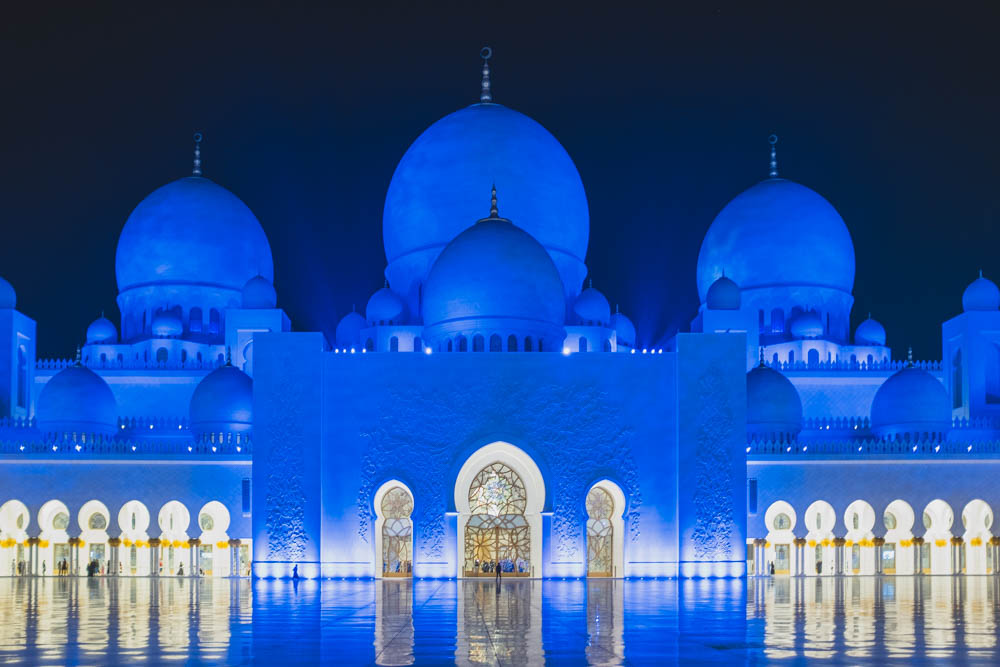
Sheikh Zayed Grand Mosque
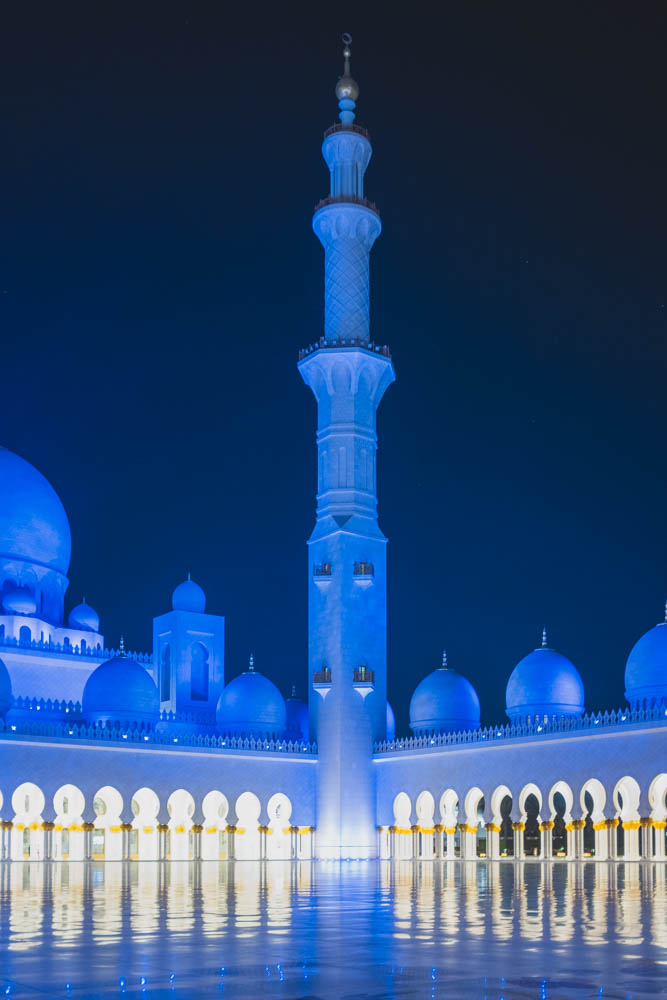
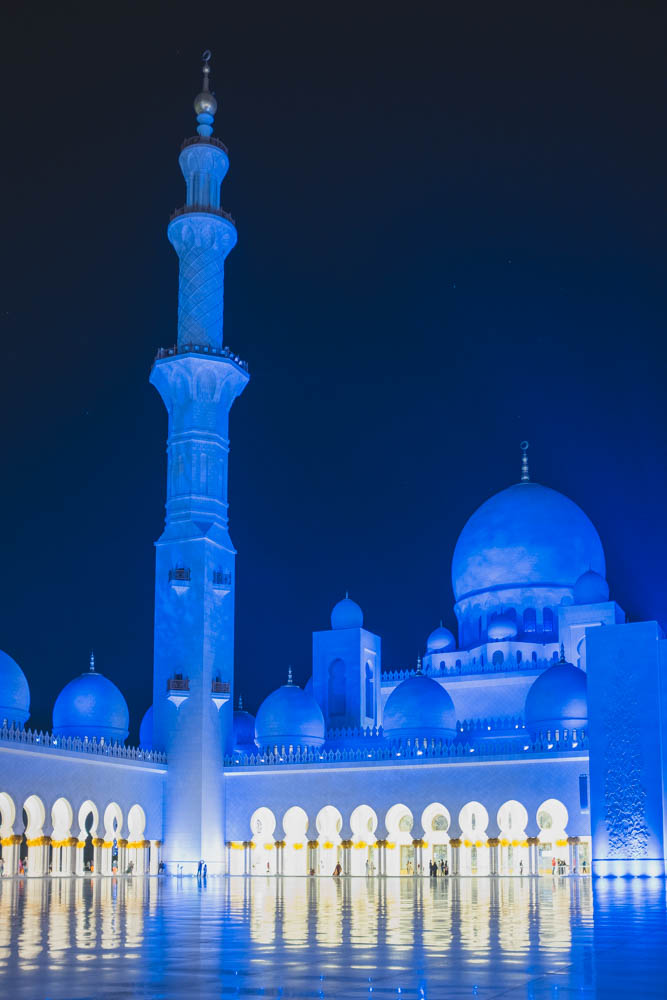
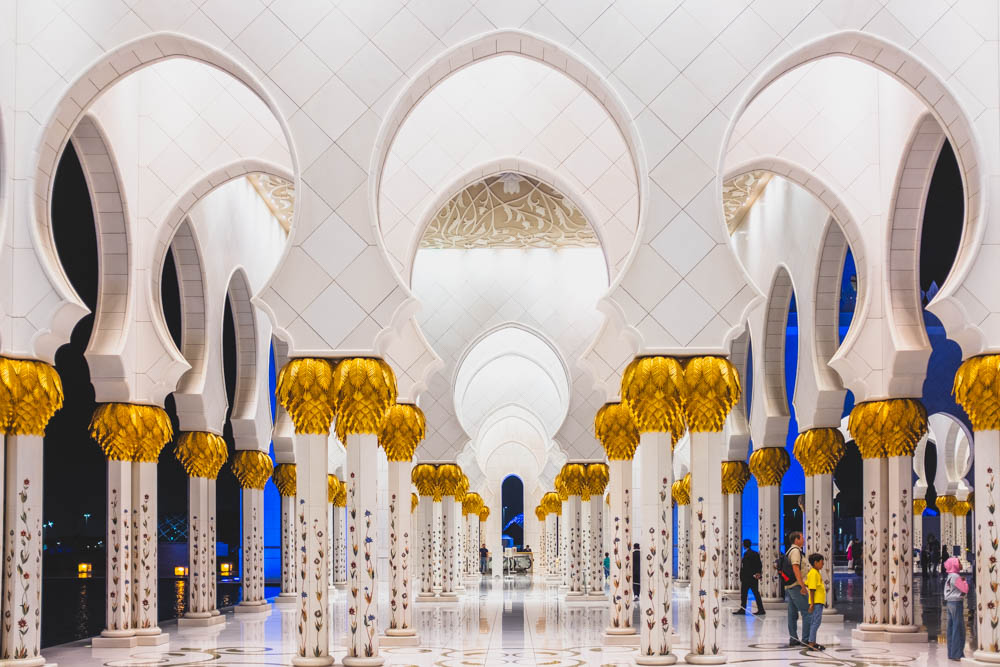
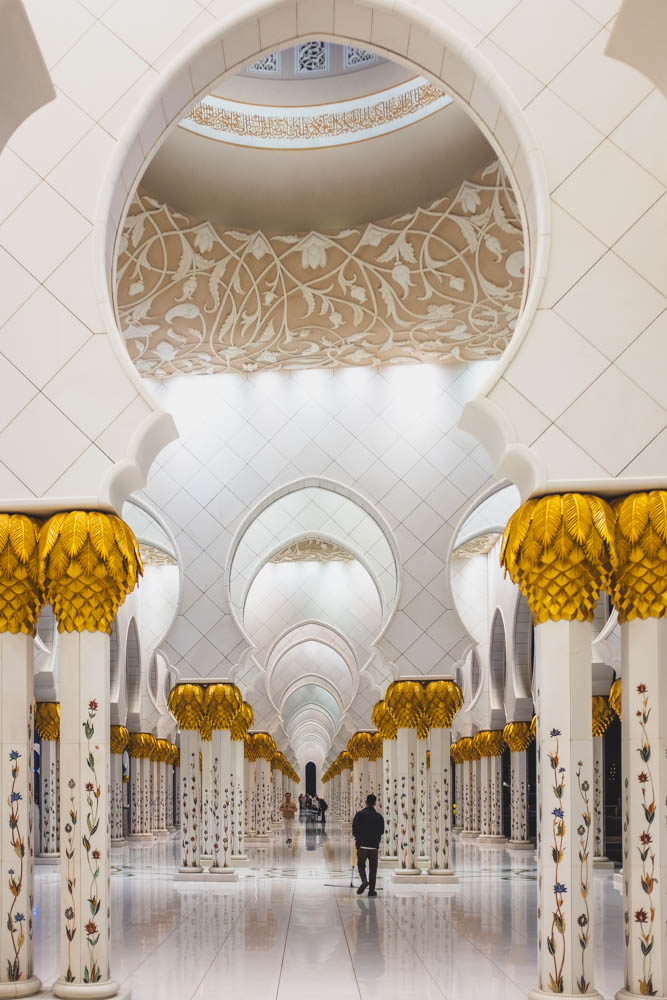
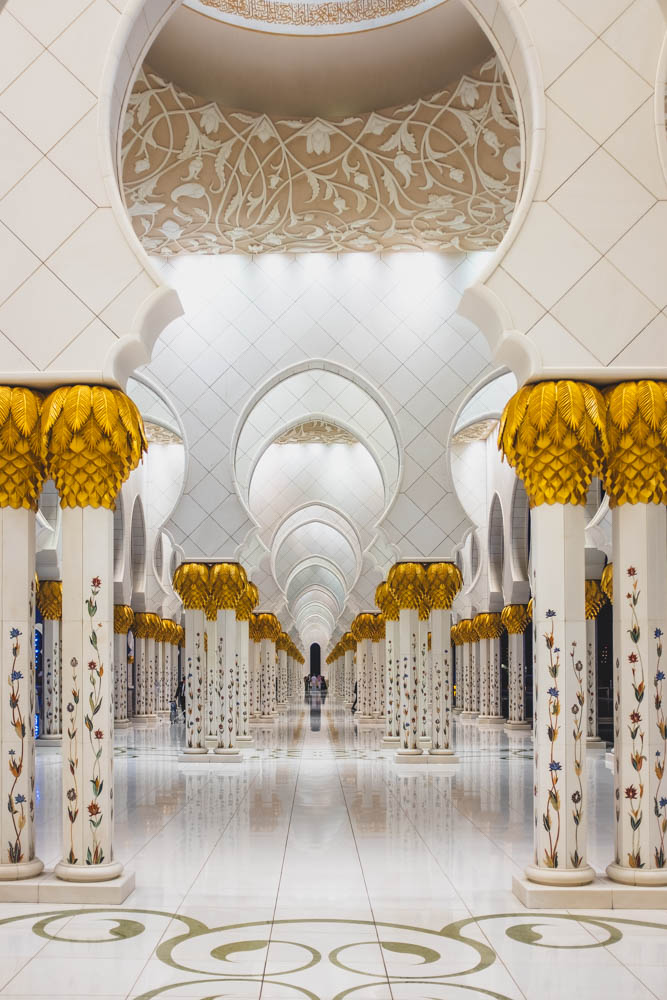
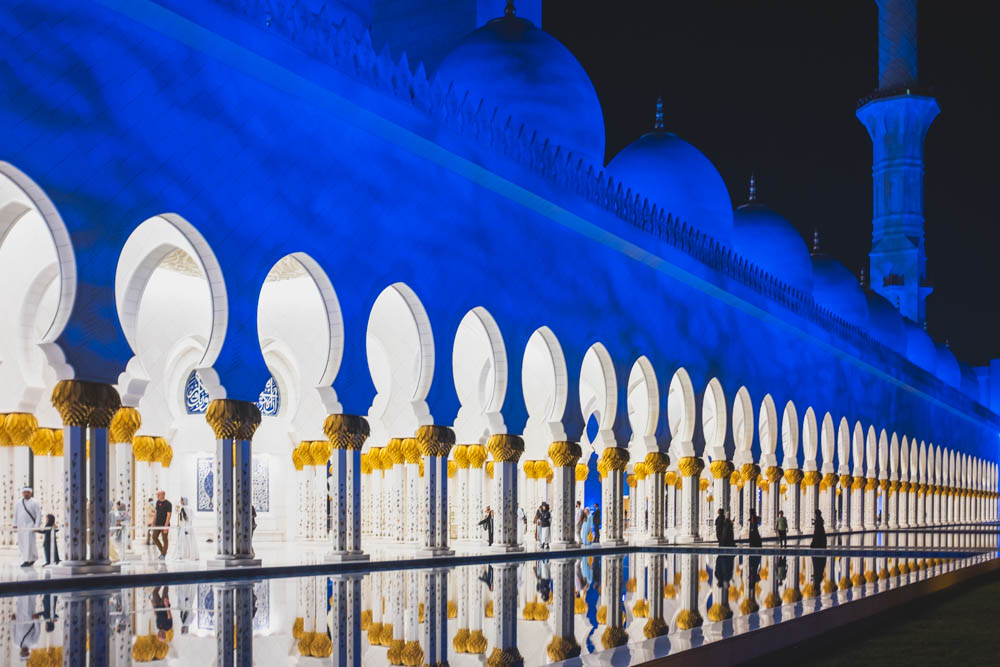
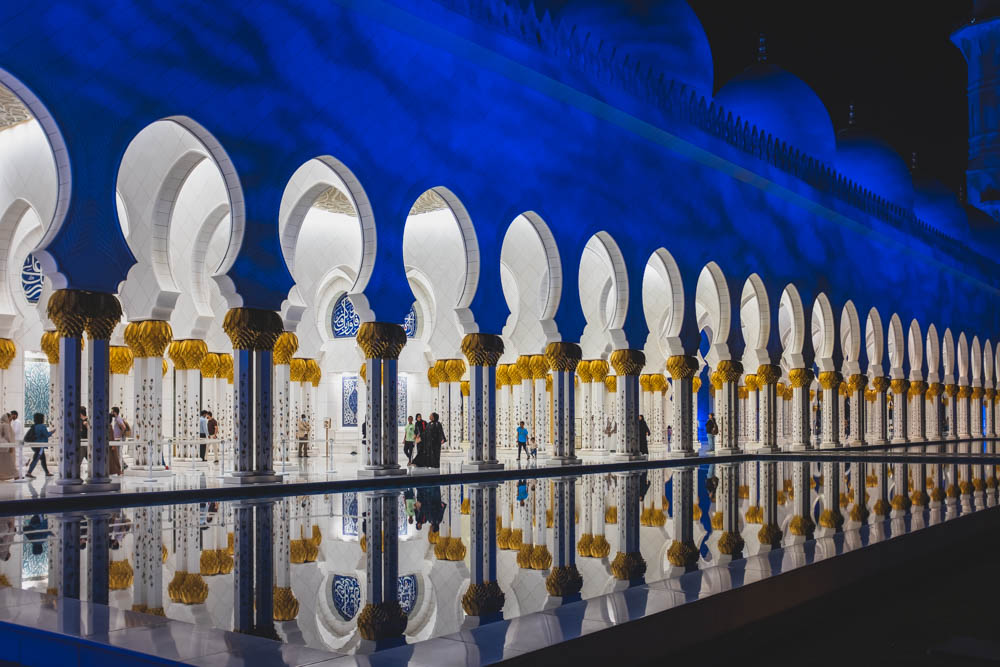
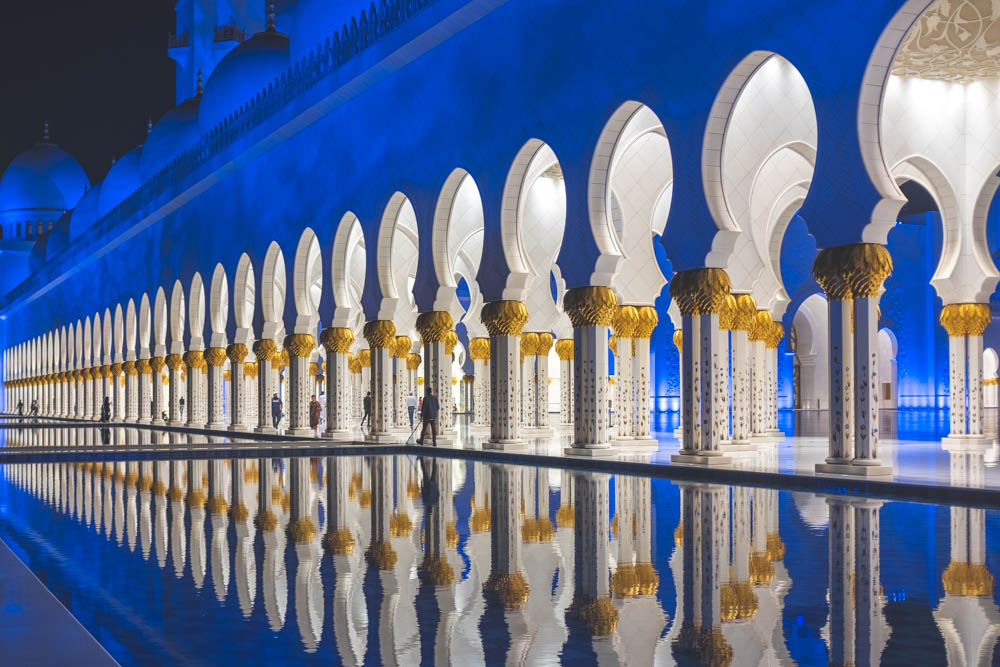
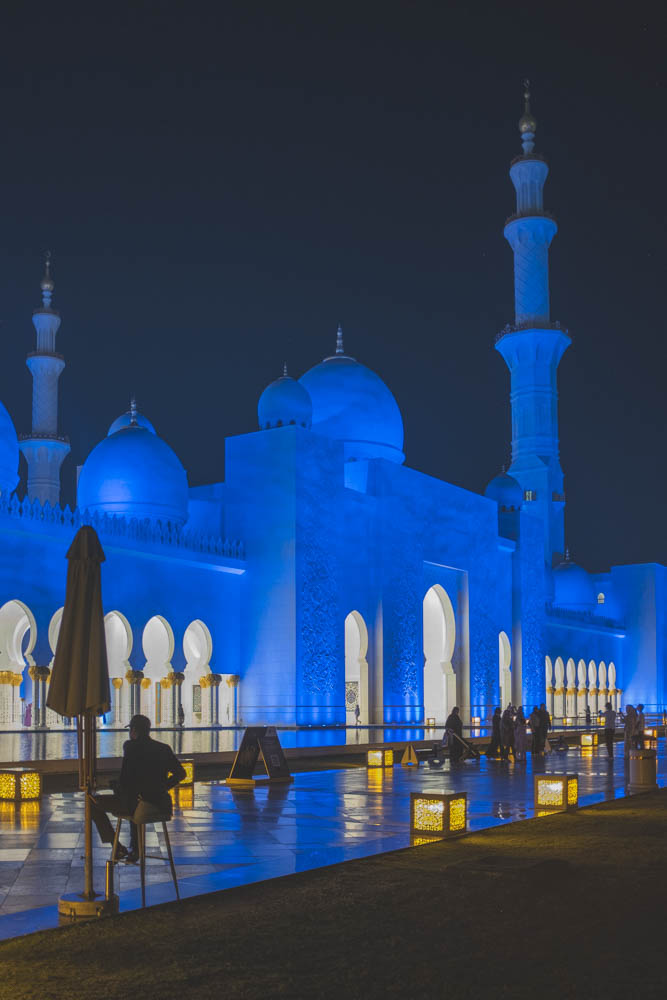
Constructed between 1994 and 2007, the Grand Mosque, inaugurated in December 2007, stands as an architectural marvel. The building complex encompasses over 12 hectares (30 acres), excluding exterior landscaping and vehicle parking. The main axis of the structure is purposefully rotated about 12° south of true west, aligning it with the direction of the Kaaba in Mecca, Saudi Arabia. While the specific construction cost of the mosque is not provided in the given information, it undoubtedly represents a significant investment.
Drawing from my experience of visiting mosques and other holy sites, I understood the importance of dressing appropriately for the occasion. Consequently, I opted for pants and a long-sleeved shirt instead of shorts and a t-shirt. Mindful not to disrupt congregants attending the final prayer of the day, known as “Isha,” performed after sunset, or jumble with the presence of numerous tourists, I intentionally scheduled my visit for the late evening. Furthermore, I anticipated that capturing night photos of the mosque would add an intriguing dimension to my experience.
The only hiccup in my experience was that to visit the mosque, one must enter through the entrance near the far end of the parking lot. Descending down a staircase, visitors arrive at a small area where tickets are booked, and entry to the mosque is facilitated through an underground walkway. Although this process wasn’t entirely clear to me, the visitor staff displayed patience and friendliness as I navigated through the necessary steps. Despite feeling a bit cranky and annoyed, I reminded myself that patience and problem-solving are crucial traits for a traveler. New places necessitate new understandings, including new processes; it’s all part of the learning experience. If I didn’t want to be challenged, I shouldn’t have left the confines of familiarity—the Abu Dhabi Airbnb, my apartment in Doha, or my home for four decades of my life in Midwest America.
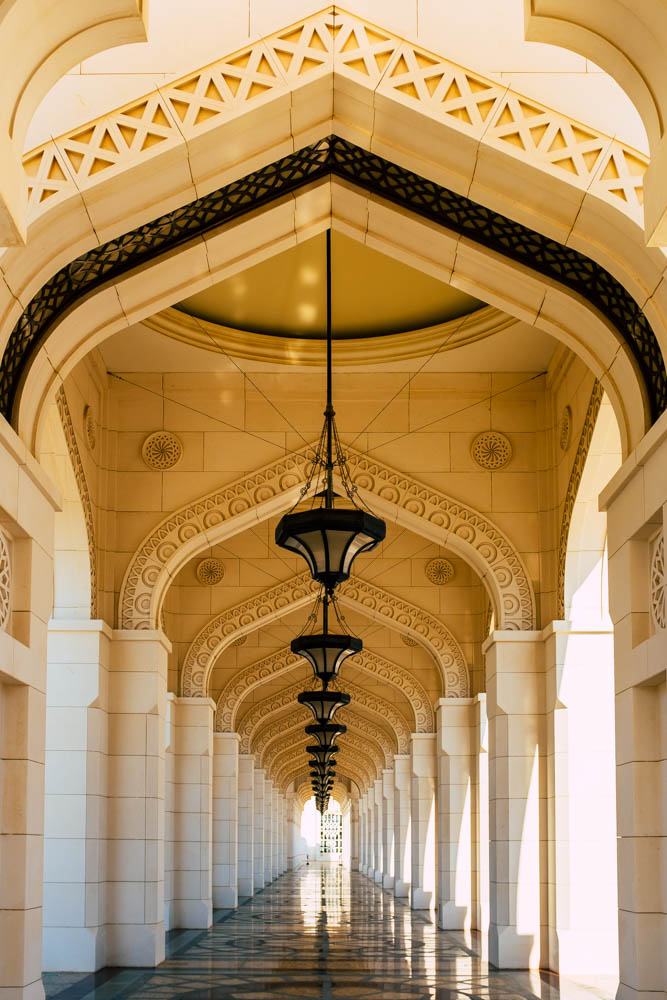
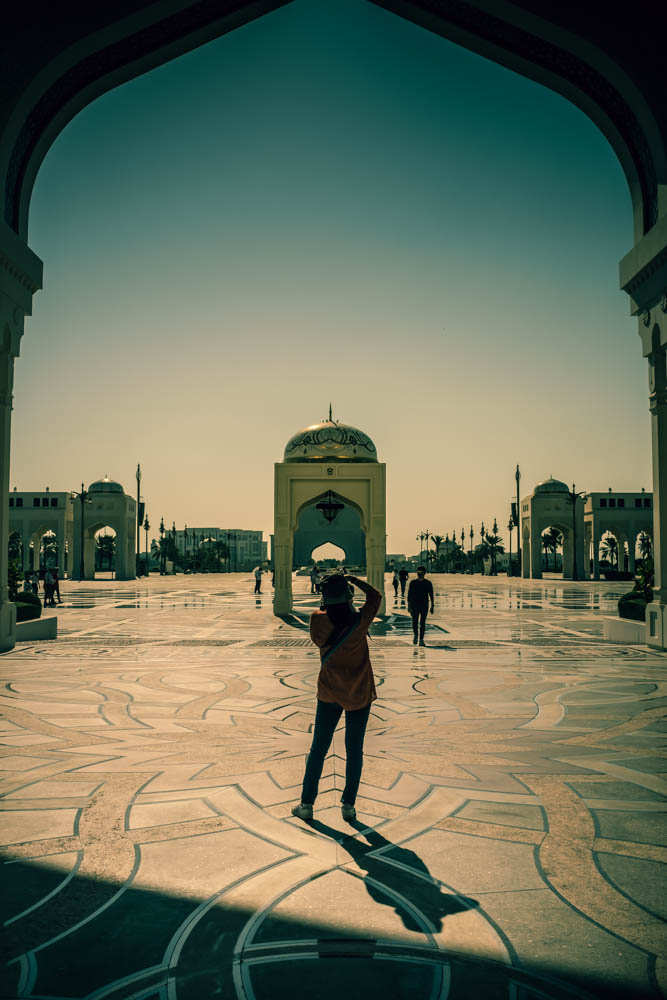
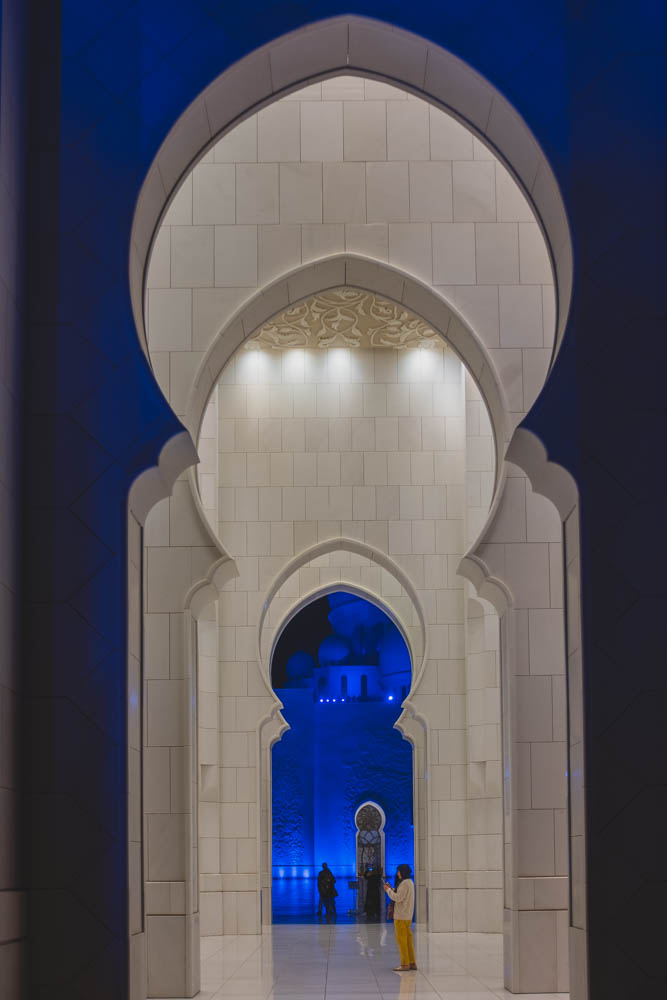
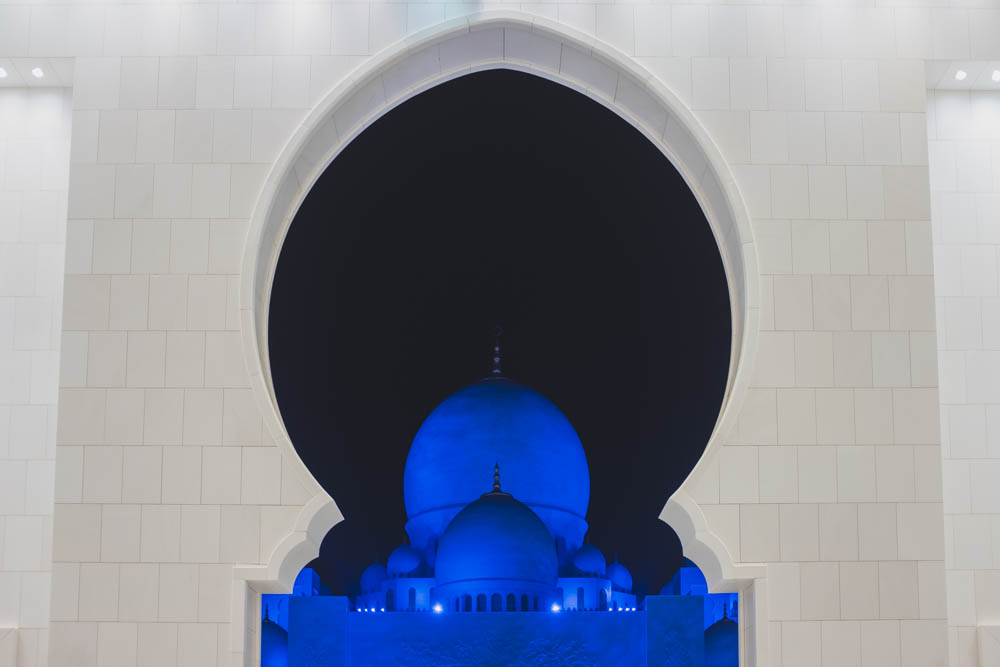
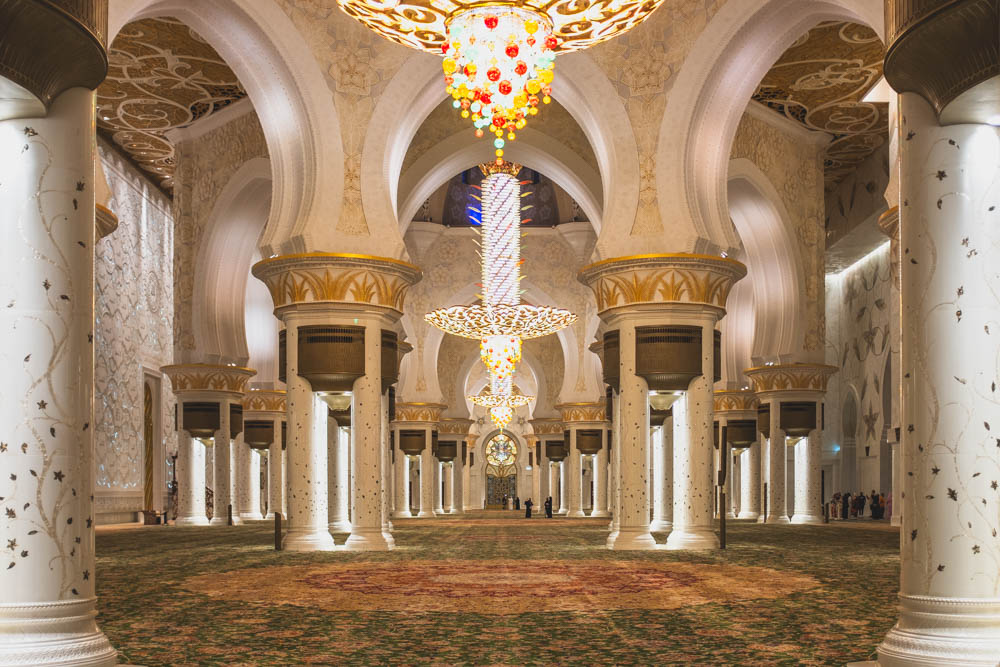
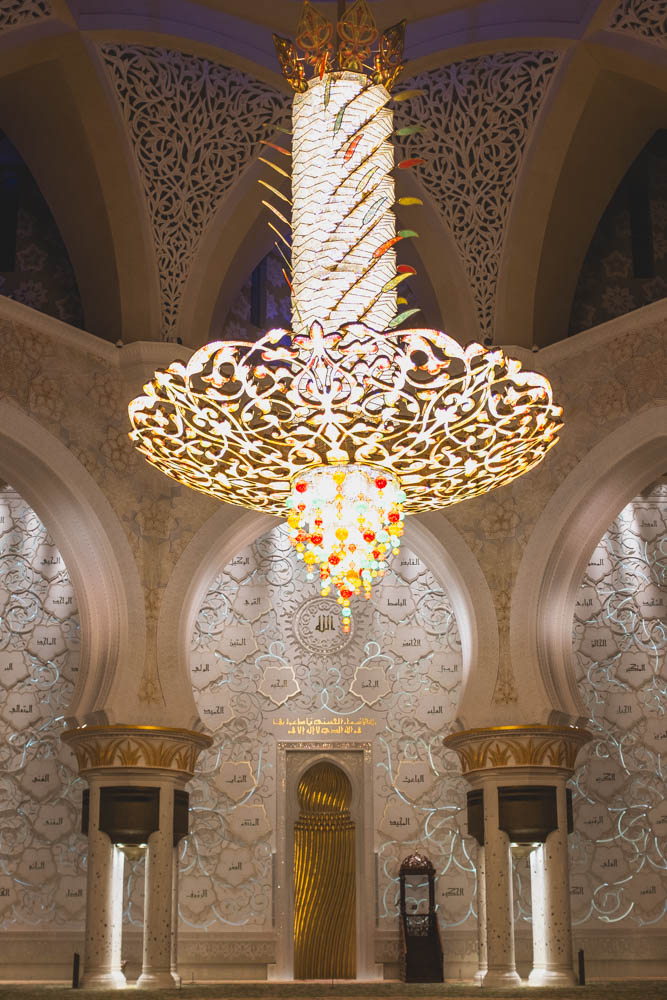
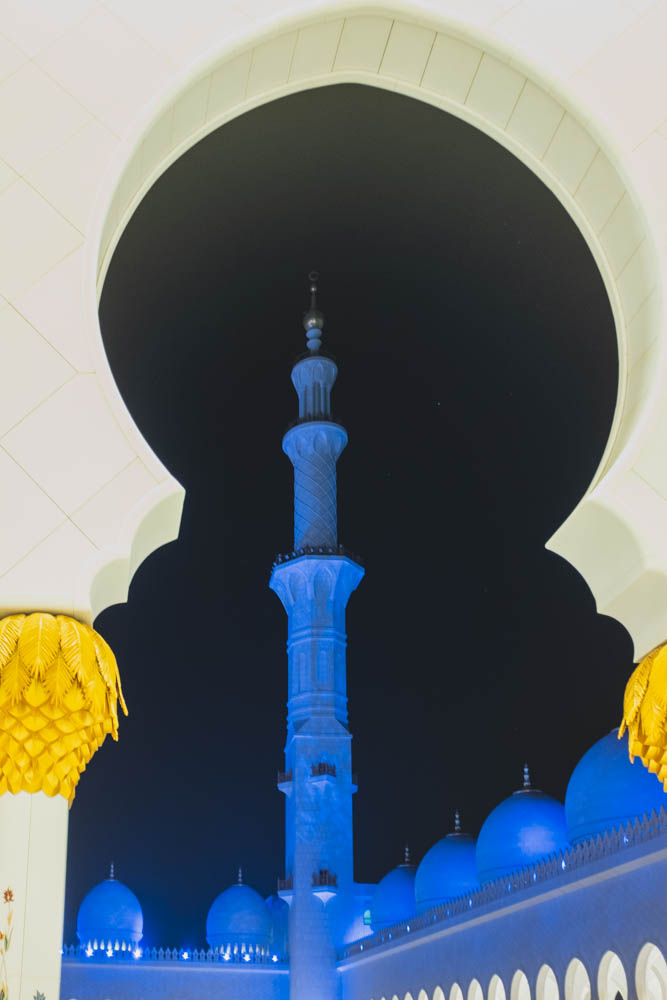
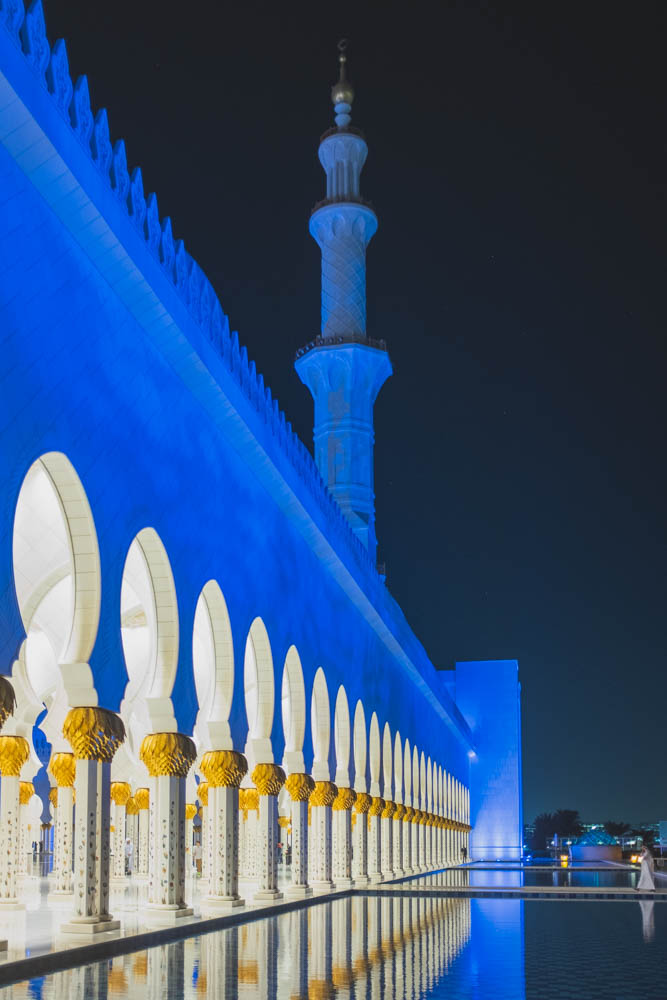
Like the presidential palace I visited earlier in the day, the mosque left a lasting impression with its scale and grandeur. However, rather than invoking a sense of smallness, the architecture filled me with a profound sense of peace. The white marble and ceramic tiles exuded serenity, while the rhythmic repetition of columns and archways imparted a harmonious order to the entire structure. Notably, the carpeted prayer rooms, though invitingly vast, were illuminated by elaborate chandeliers hanging from vaulted ceilings.
My takeaway from the day is that when visiting Abu Dhabi, exploring the presidential palace in the morning and the grand mosque at night provides the most captivating photo.
Louvre Abu Dhabi (Second Day)
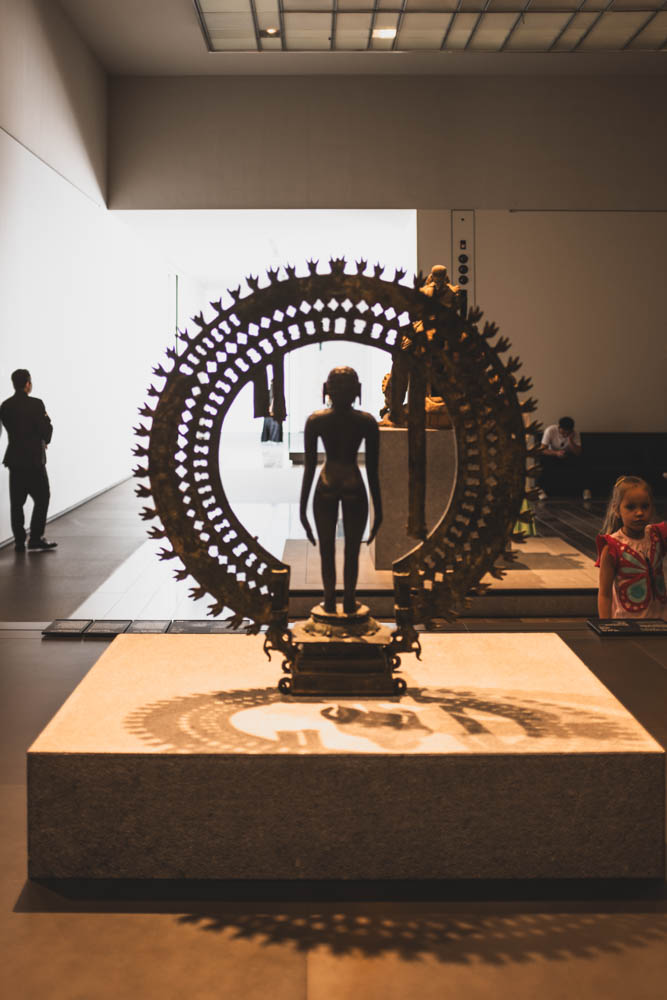
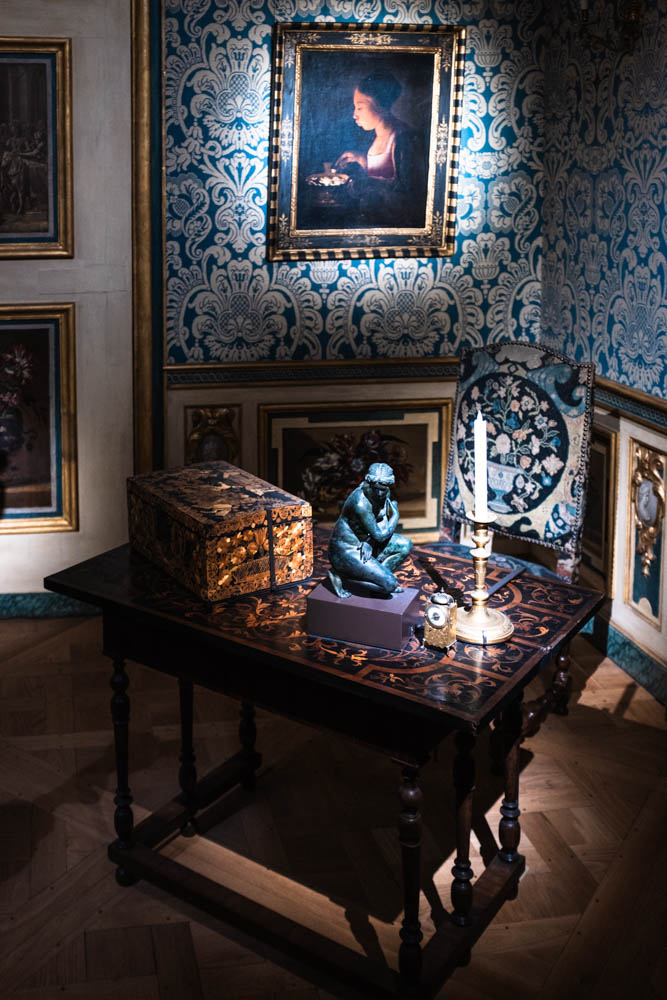
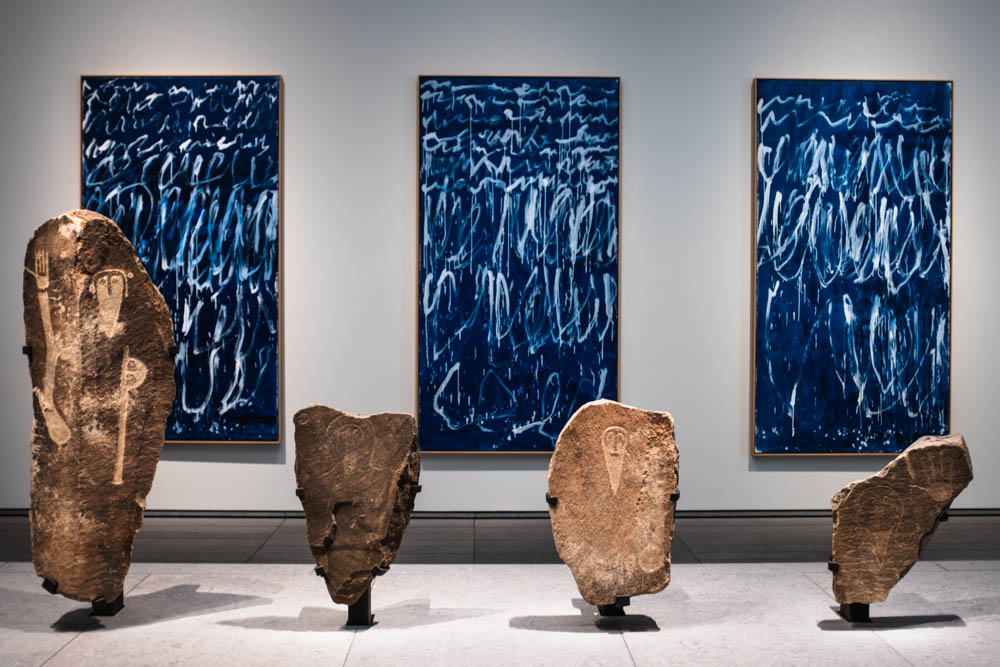
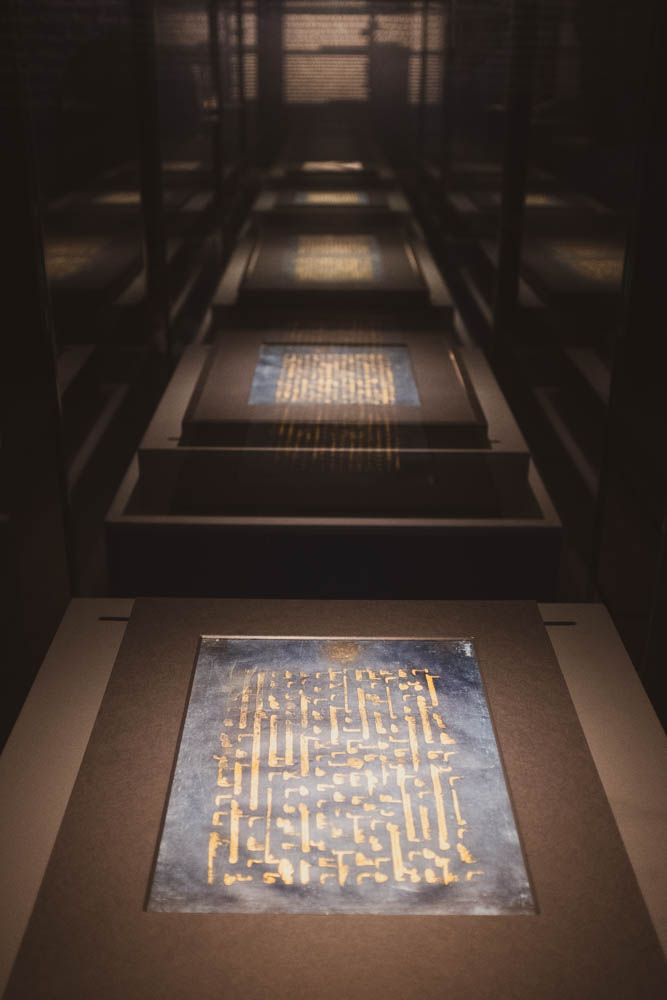
Since I couldn’t visit the Louvre Abu Dhabi as planned on Monday, I dedicated Tuesday to exploring the exhibits at a leisurely pace. During my second visit, I immersed myself in both the permanent and temporary collections, encountering a remarkable array of historical and cultural artifacts. Reserving the morning for a relaxed stroll through the exhibits proved to be a good choice. The museum housed pieces from Da Vinci, Chagall, Picasso, and Herring. The temporary exhibits, featuring a jewelry collection from Cartier and a selection of religious texts highlighting commonalities between Judaism, Christianity, and Islam, added a unique dimension. One word that I saw repeated throughout the cultural sites in Abu Dhabi was “tolerance.” If I had the chance to converse with an Emirati, I would be interested in learning more about their understanding of tolerance.
With the rest of the day, following a friend’s recommendation, I visited the Galleria Mall to enjoy a drink at the Gulf’s first craft brewery, Craft, by Side Hustle. Opting for a flight of taster beers, I eventually settled on my favorite, Jetlag Relief, a pale ale infused with fresh pineapple, papaya, and citrus, boasting a modest ABV of 5.1%. Although the stout on tap wasn’t ready until the grand opening on Feb 2, the experience was nonetheless satisfying.
On my final day in Abu Dhabi, I followed some dining suggestions from a friend: a stop at an Indian restaurant for some chaat and a meal at a cafe run by a Palestinian woman—nice breaks from eating food delivery in my Airbnb. (Plus, I made one more visit to the craft brewery.)
Then on my departure date, arriving punctually at the expansive Abu Dhabi International Airport (AUH), I strolled through the vast yet relatively quiet halls, pondering the possibility of a life in Abu Dhabi. The city’s openness and cultural offerings were undeniably appealing. However, Doha remains my home, and as the saying goes, the desert is always greener just one hour away.




 opusculum
Thanks Conan,
you had a grand adventure! I have not visited Louvre Abu Dhabi, so I enjoyed looking over your shoulder.
XO Margaret
LikeLike