Project Summary
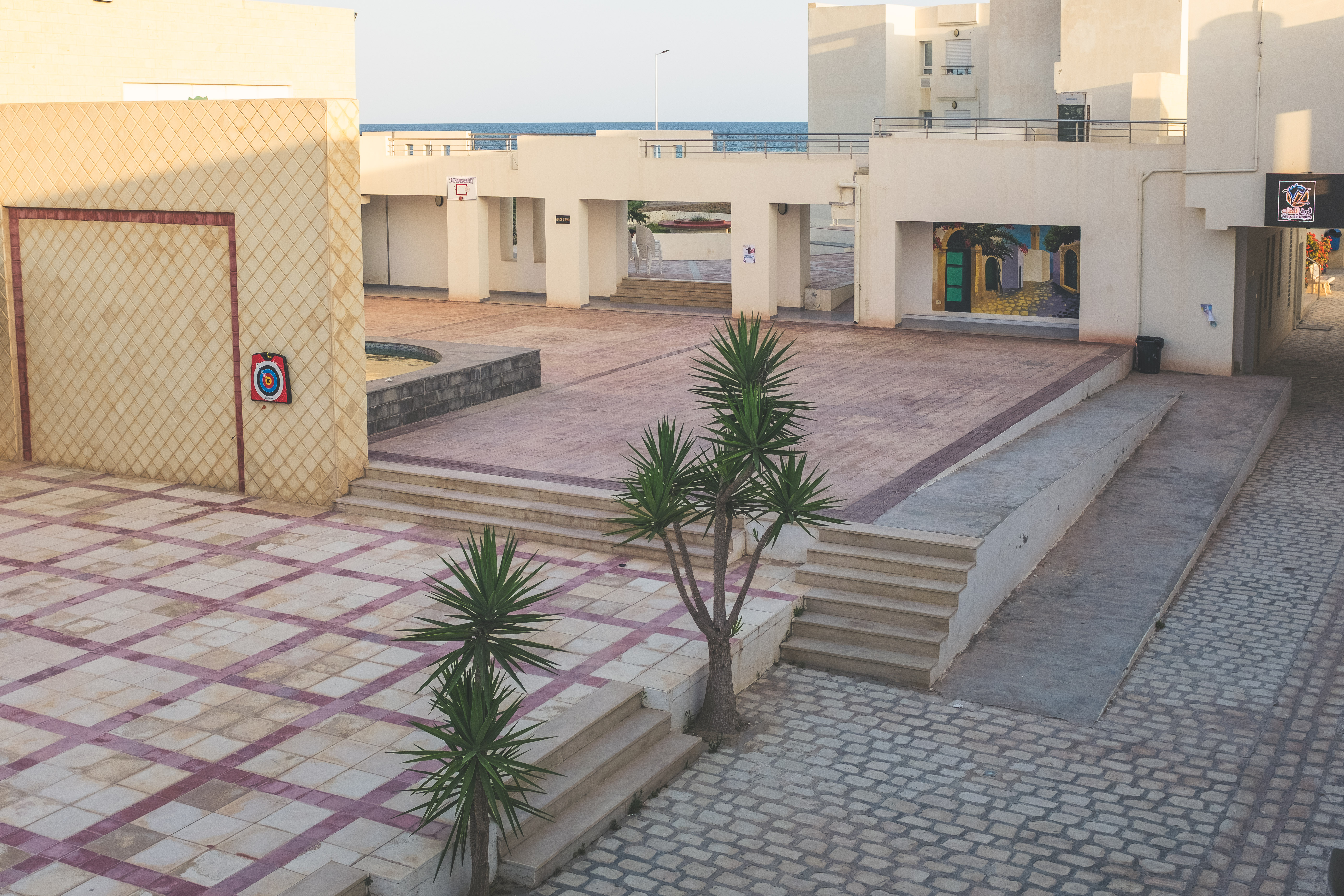
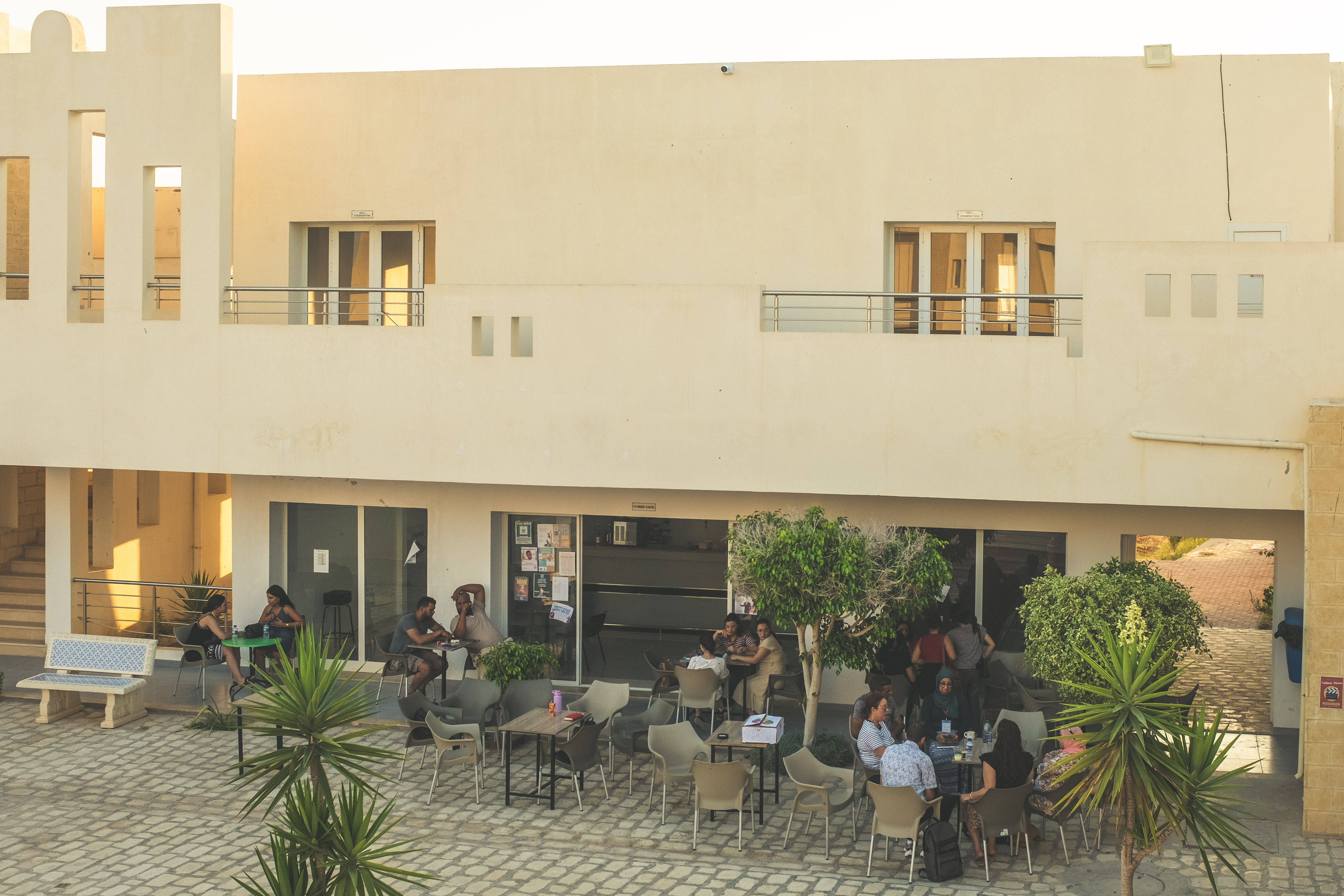
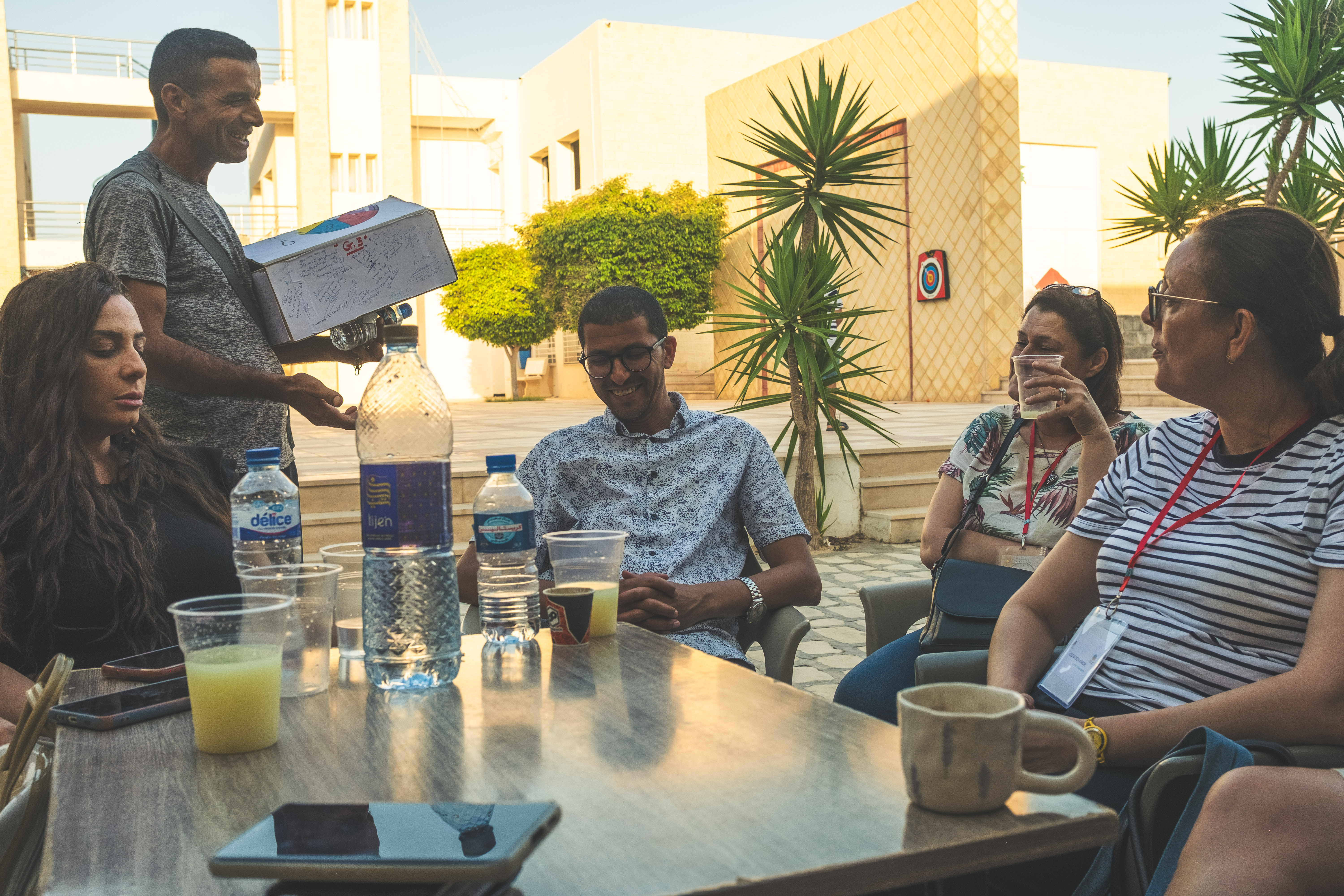
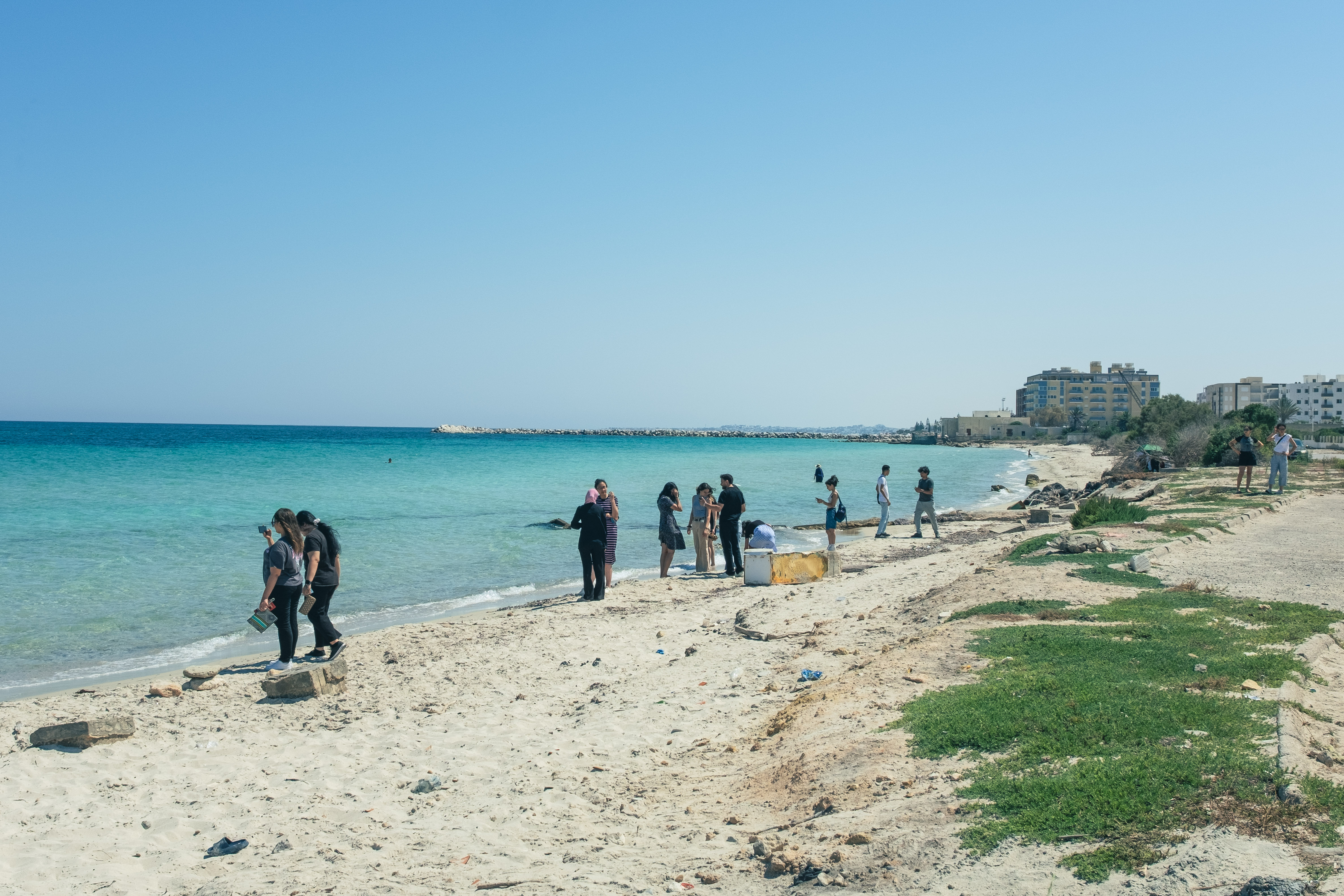
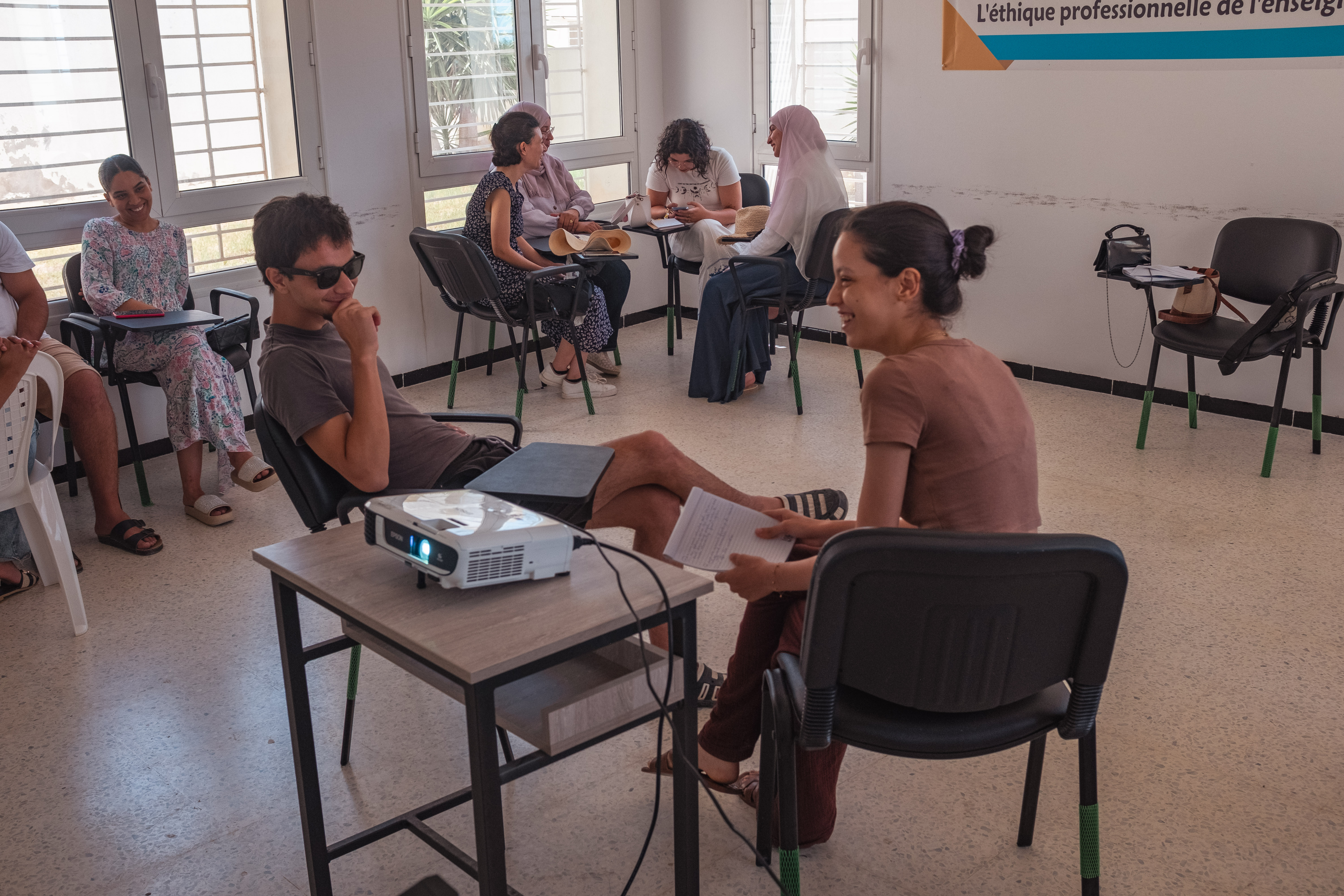
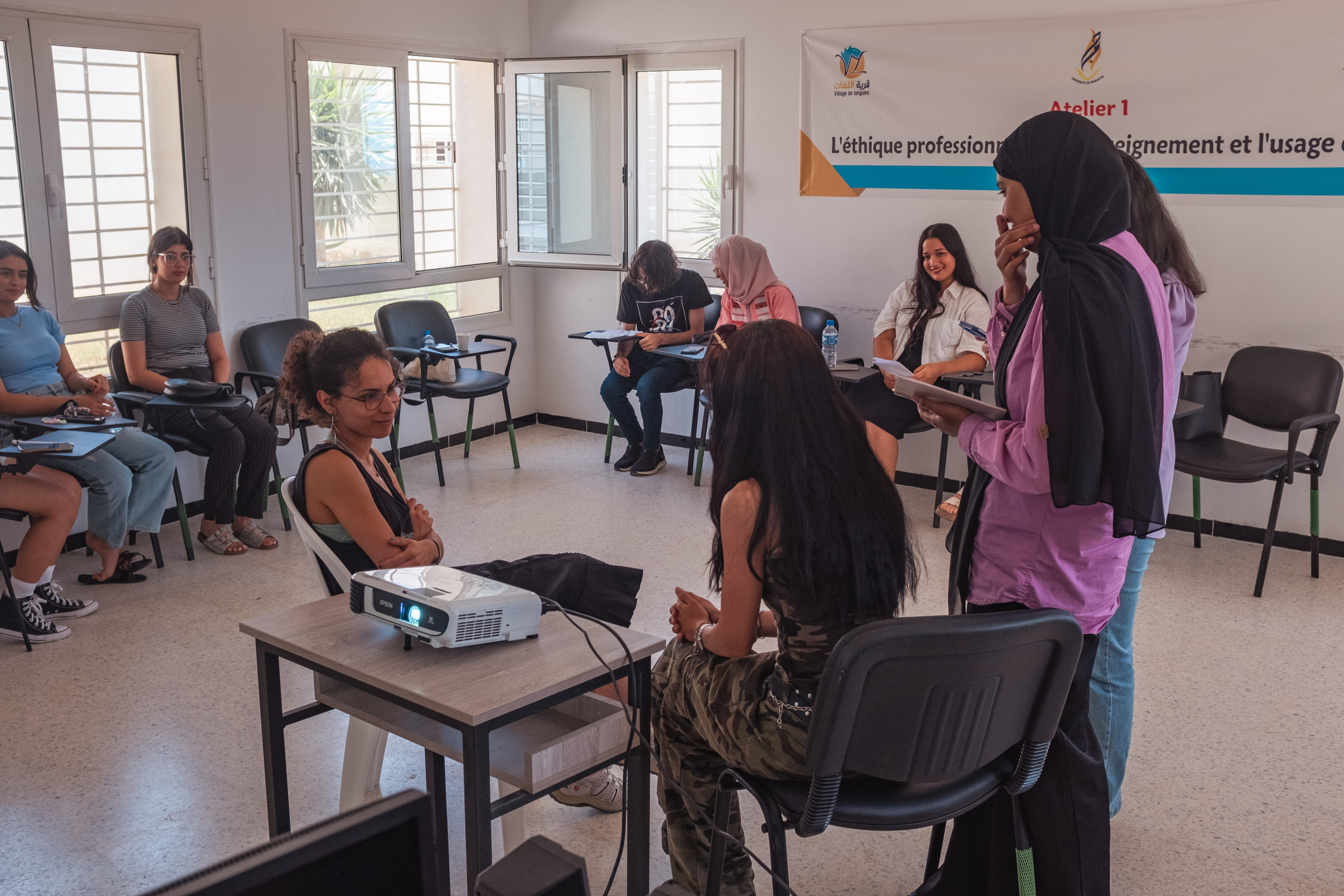
For my U.S. Department of State (DoS) project, I was assigned to the Language Village of Mahdia in Mahdia, Tunisia. As part of this initiative, I delivered three seminar workshops, guest-taught two classes focused on discussion and soft skills, and coordinated a photography club. Among these deliverables, the three seminars and the photography club gave me the most autonomy to design original content that aligned closely with the DoS goals of fostering mutual understanding and increasing awareness of American language, society, and values.
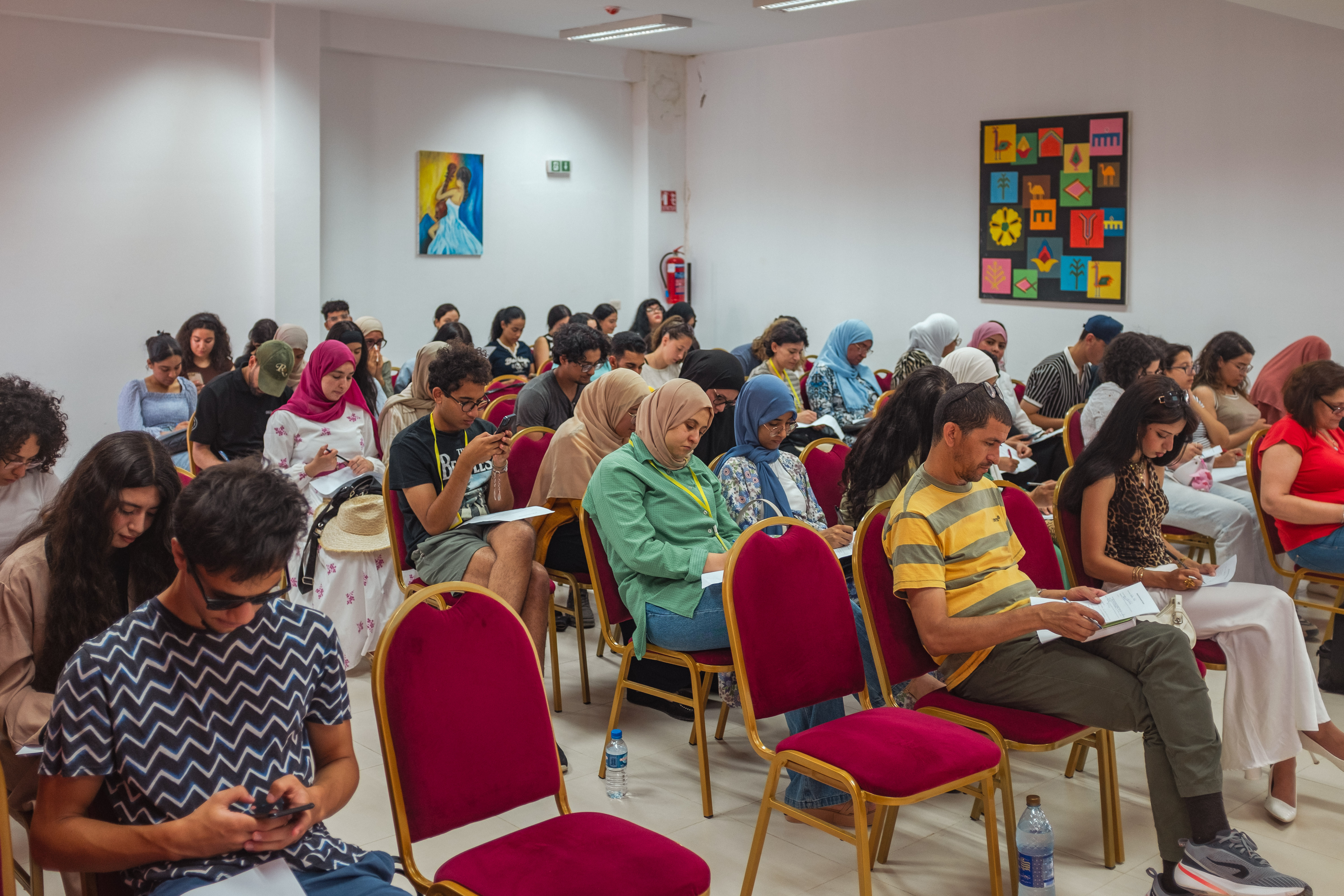
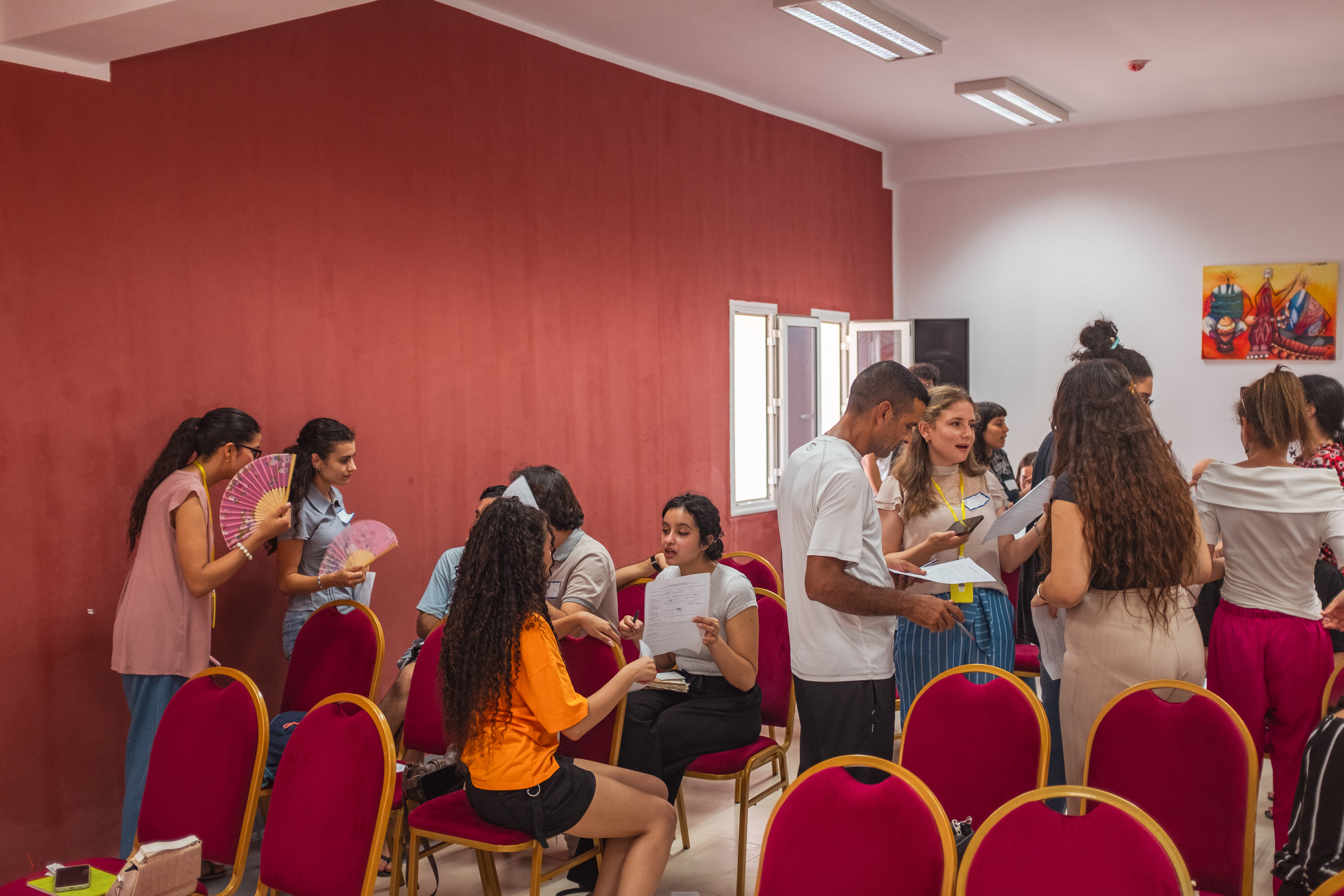
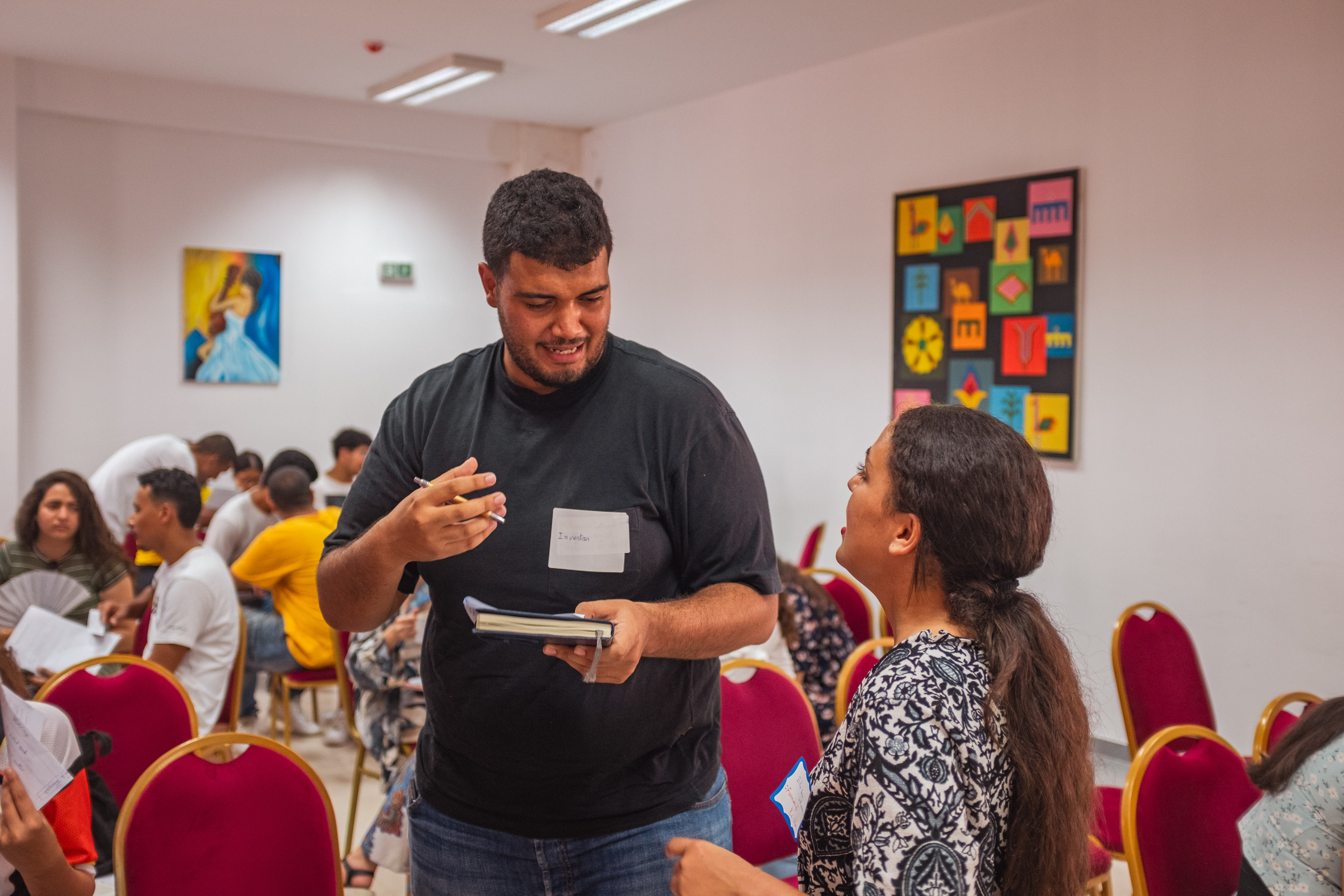
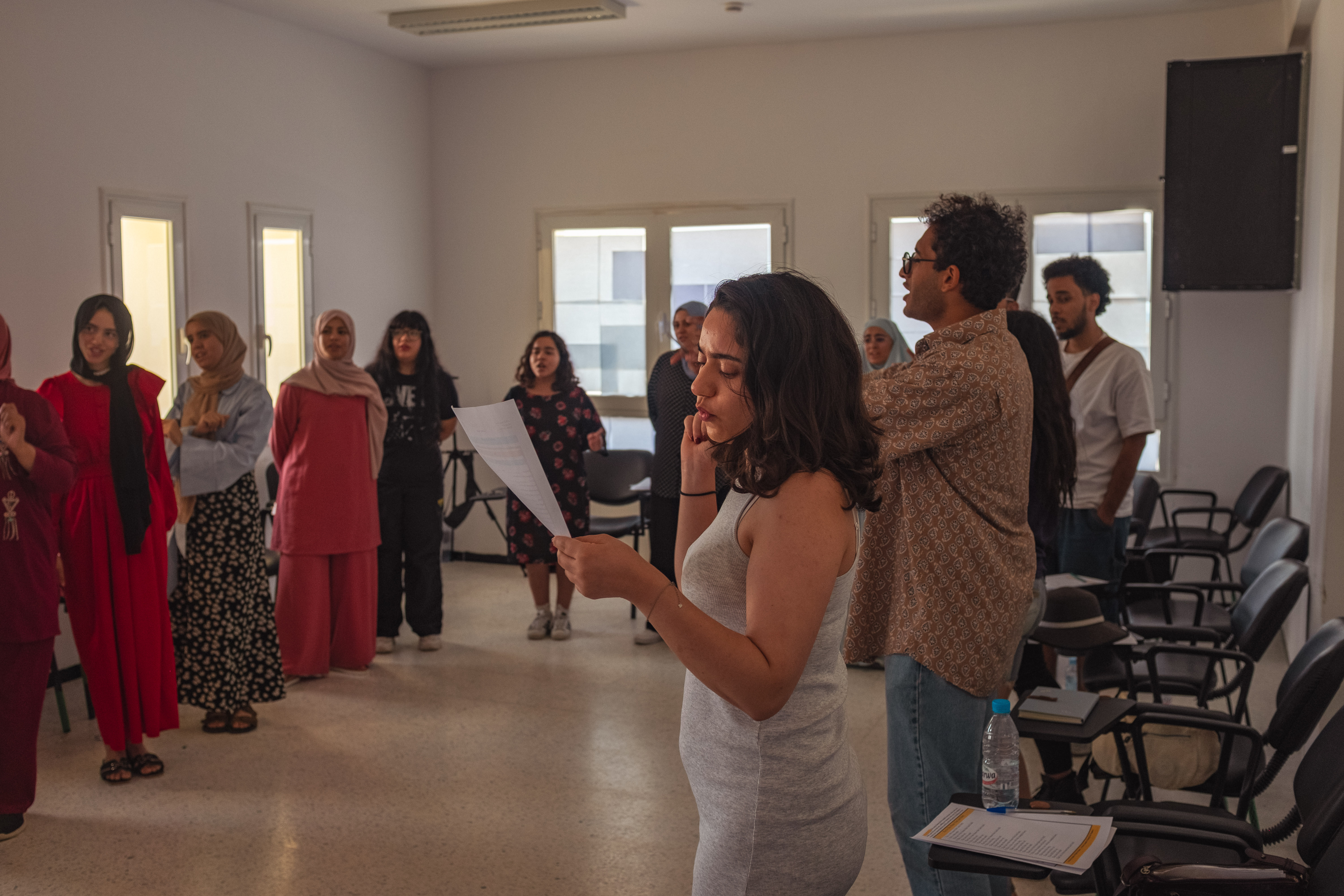
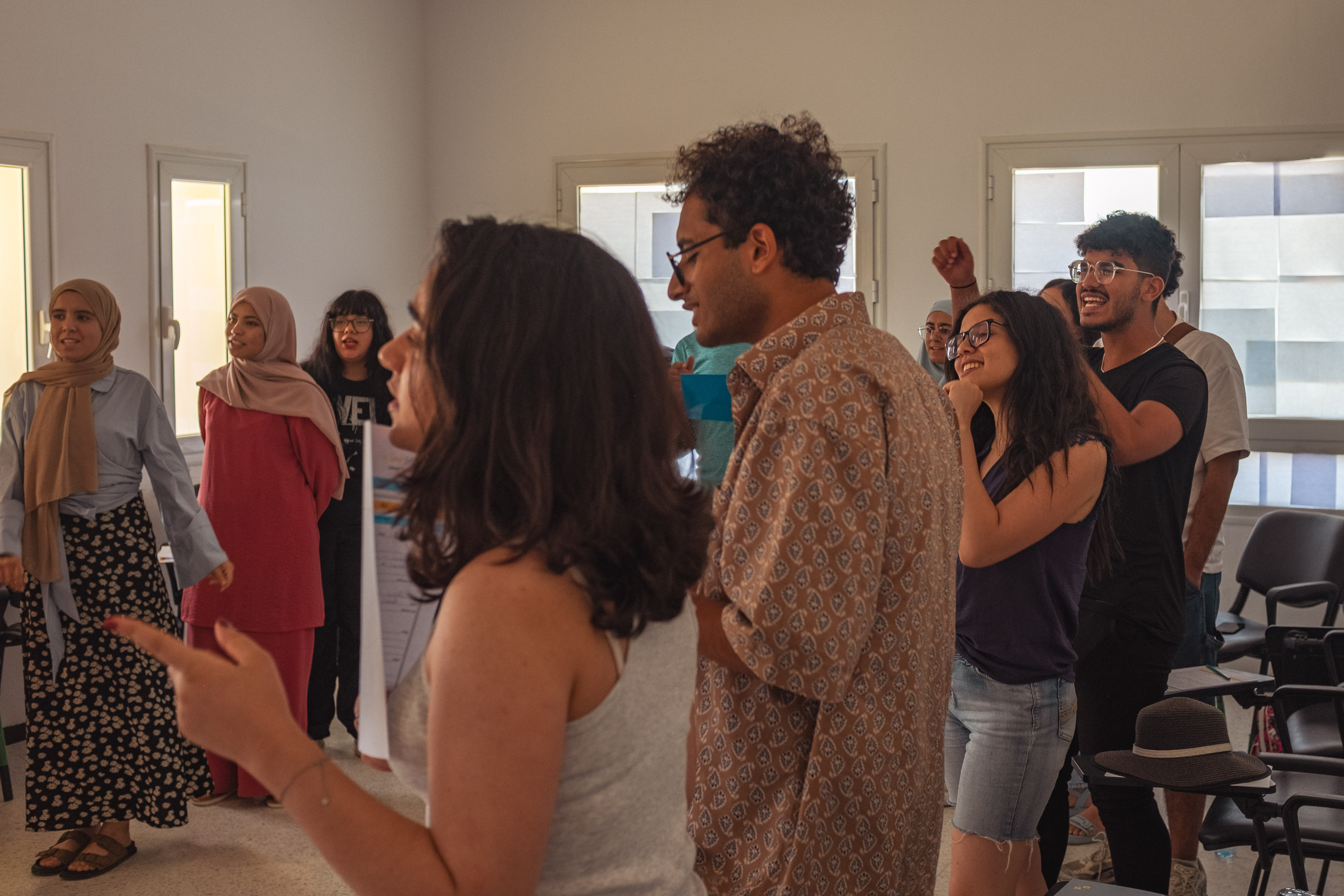
My first seminar, Say It Like a Local: American English Pronunciation Activities, exemplified these goals by introducing students to both the linguistic and cultural diversity of the United States. I began by discussing my home state of Wisconsin, including its Native American heritage and regional characteristics. Students then engaged in hands-on pronunciation activities, including challenging word practice, state-themed tongue twisters, and idiomatic expressions delivered with natural rhythm. Through these interactive exercises, I served as a cultural representative of Wisconsin and the broader U.S., providing participants with insight into American speech patterns and cultural references. Given that Tunisian students often choose between British or American English, I hope this session inspired some to favor the American variety.
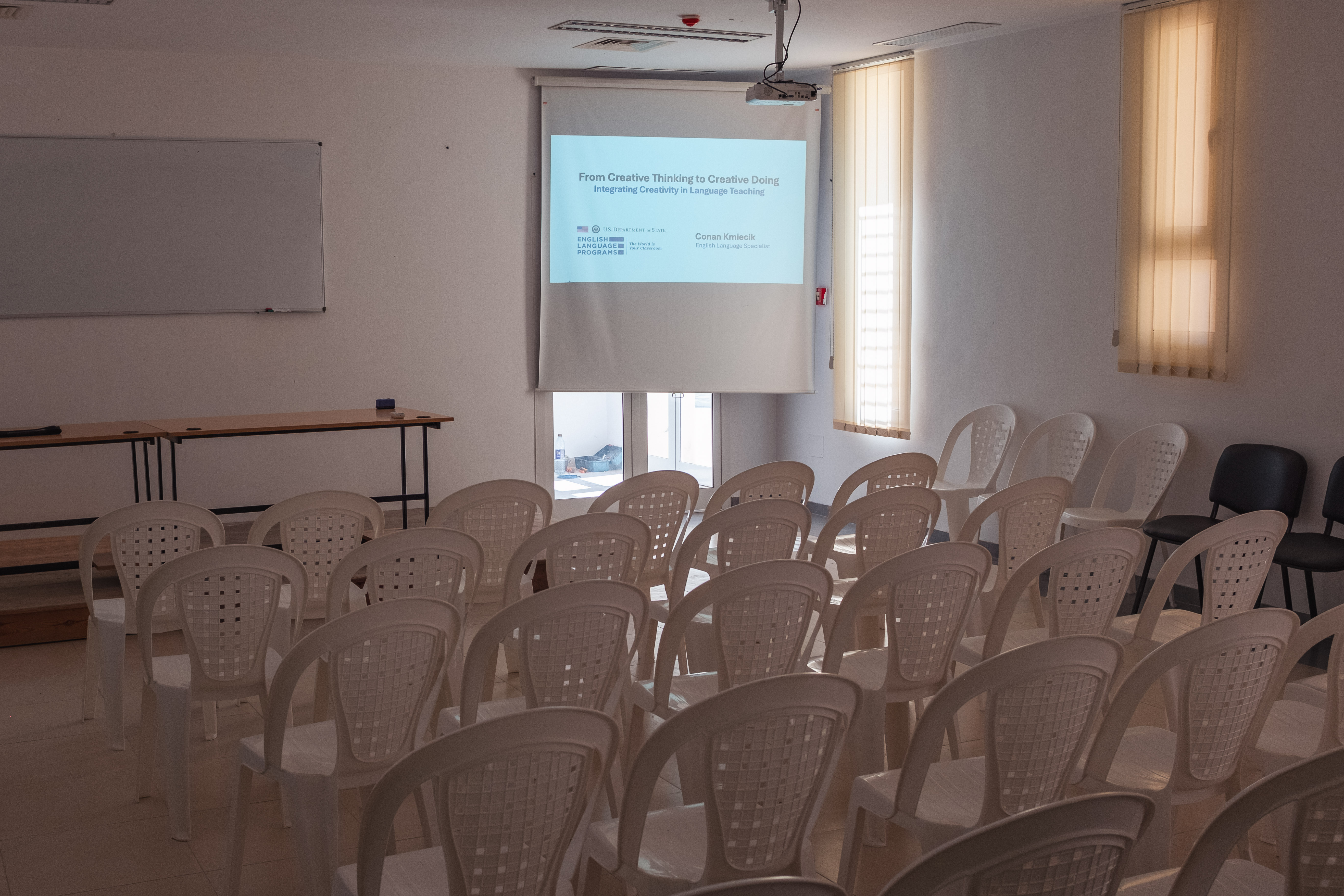
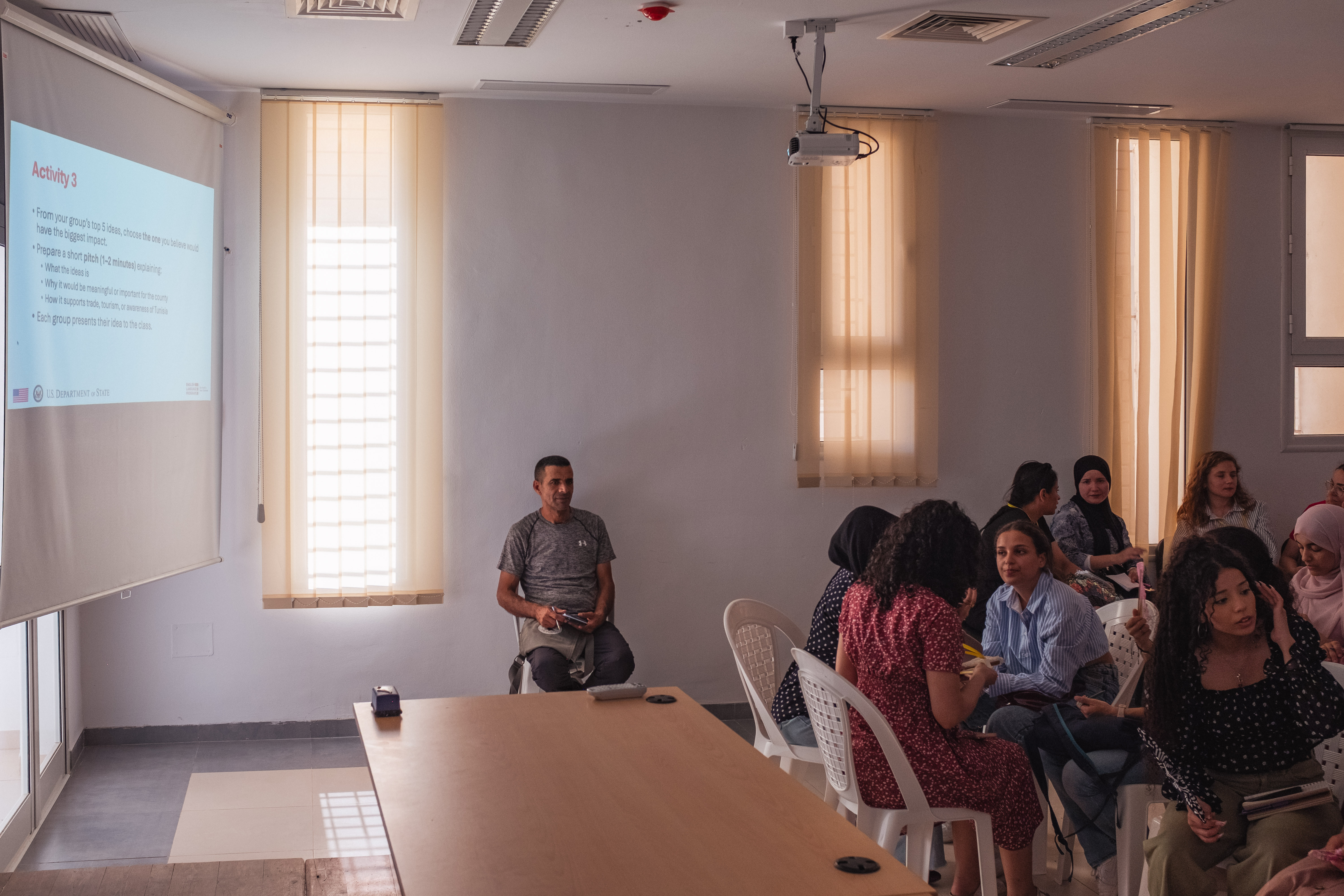
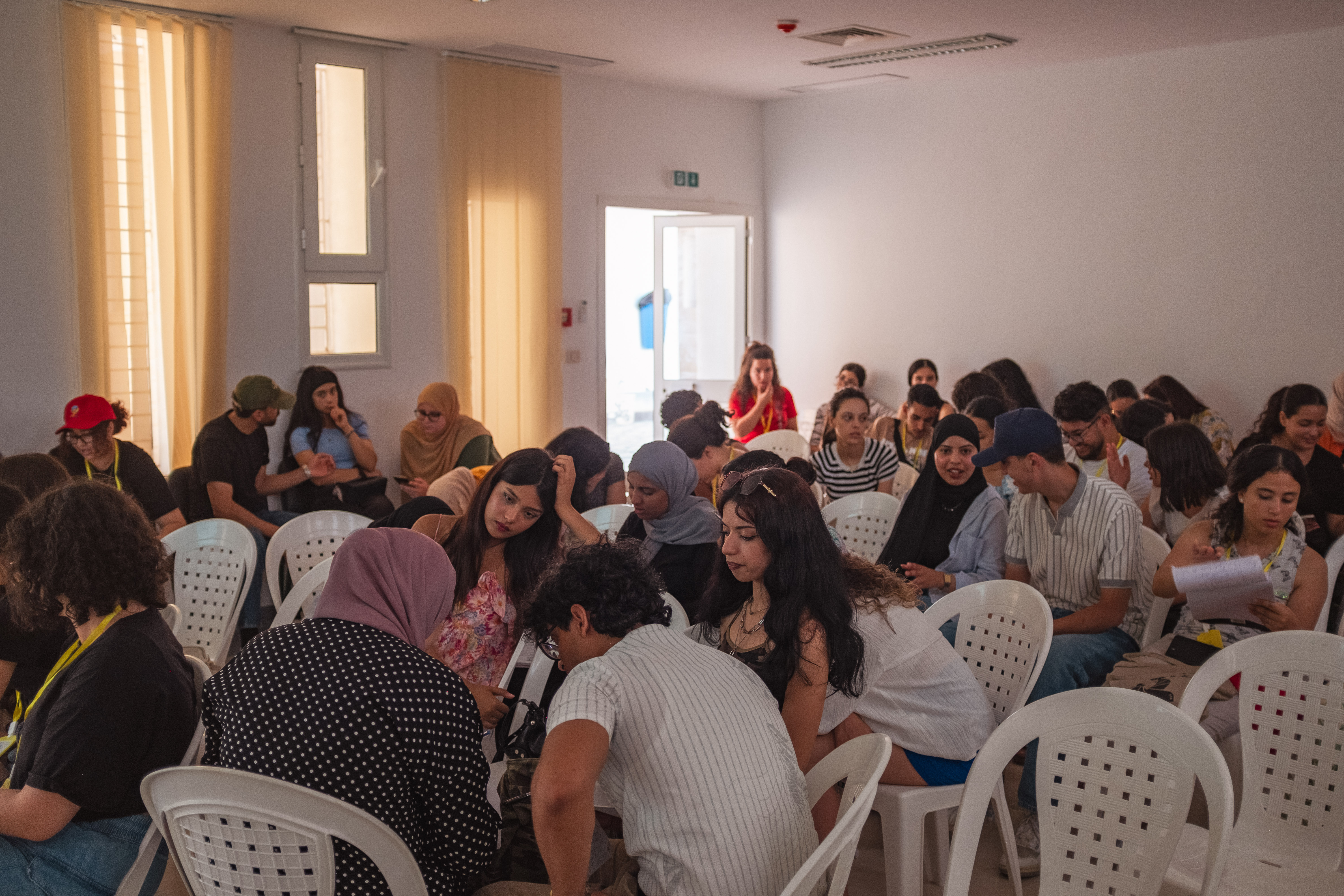
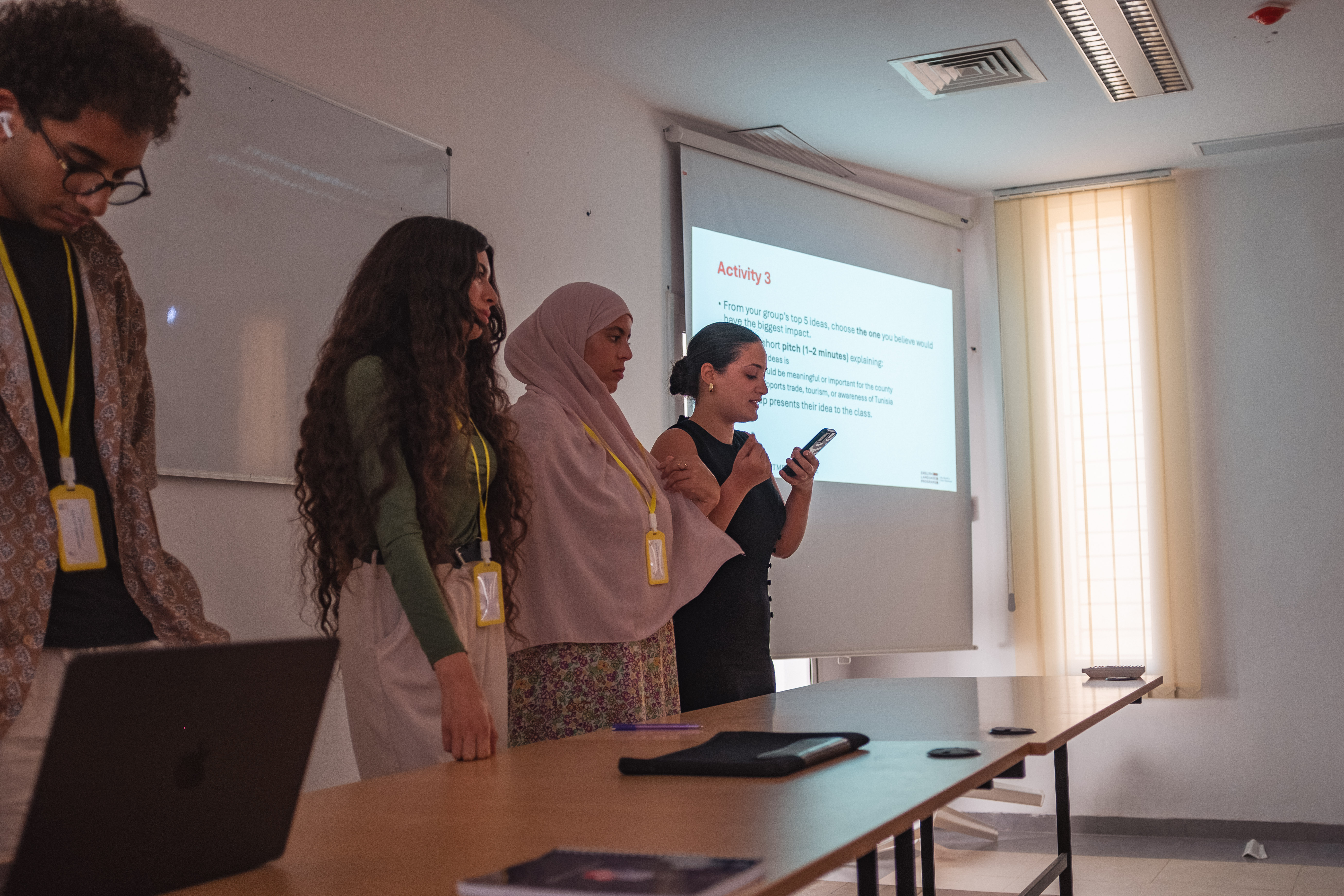
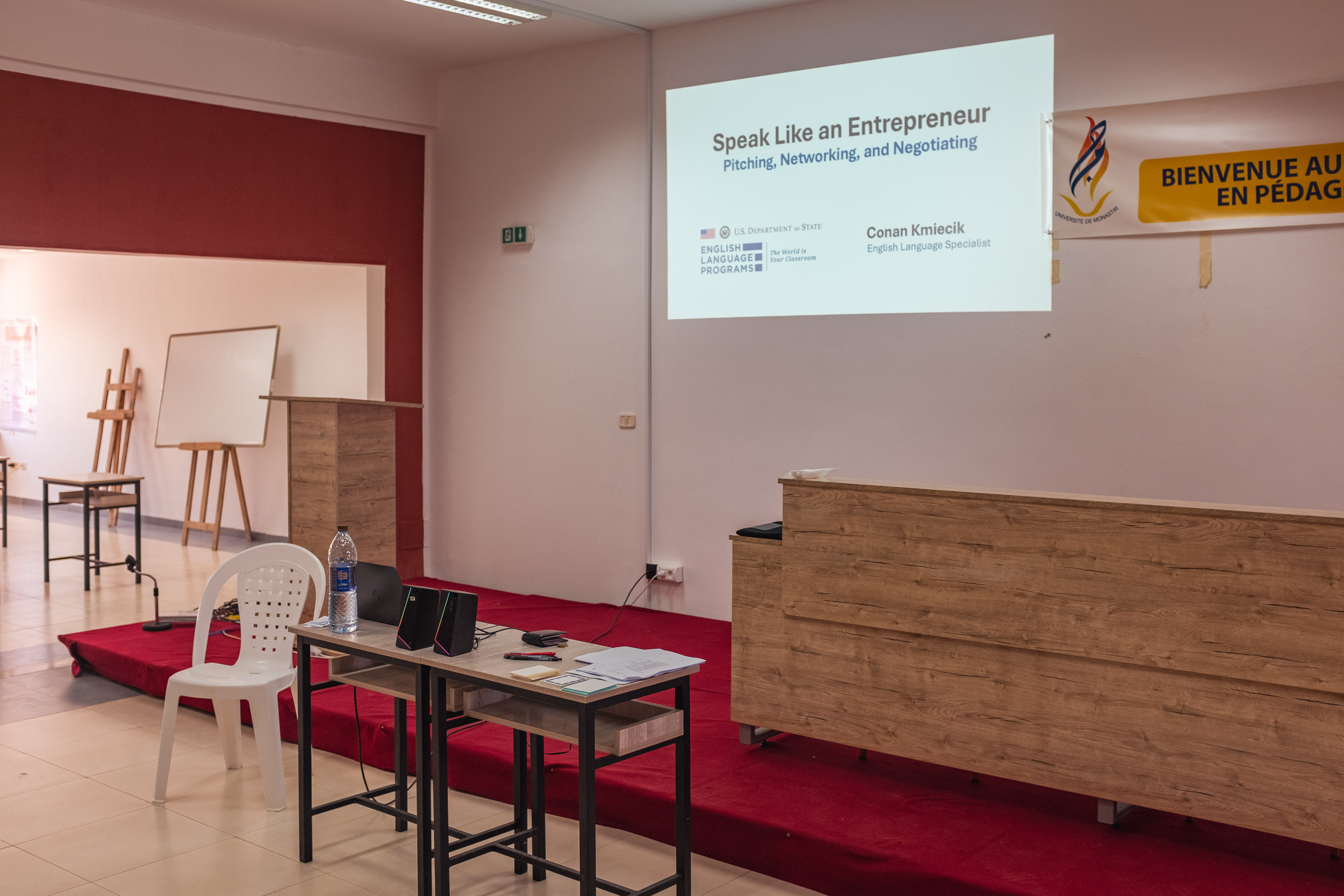
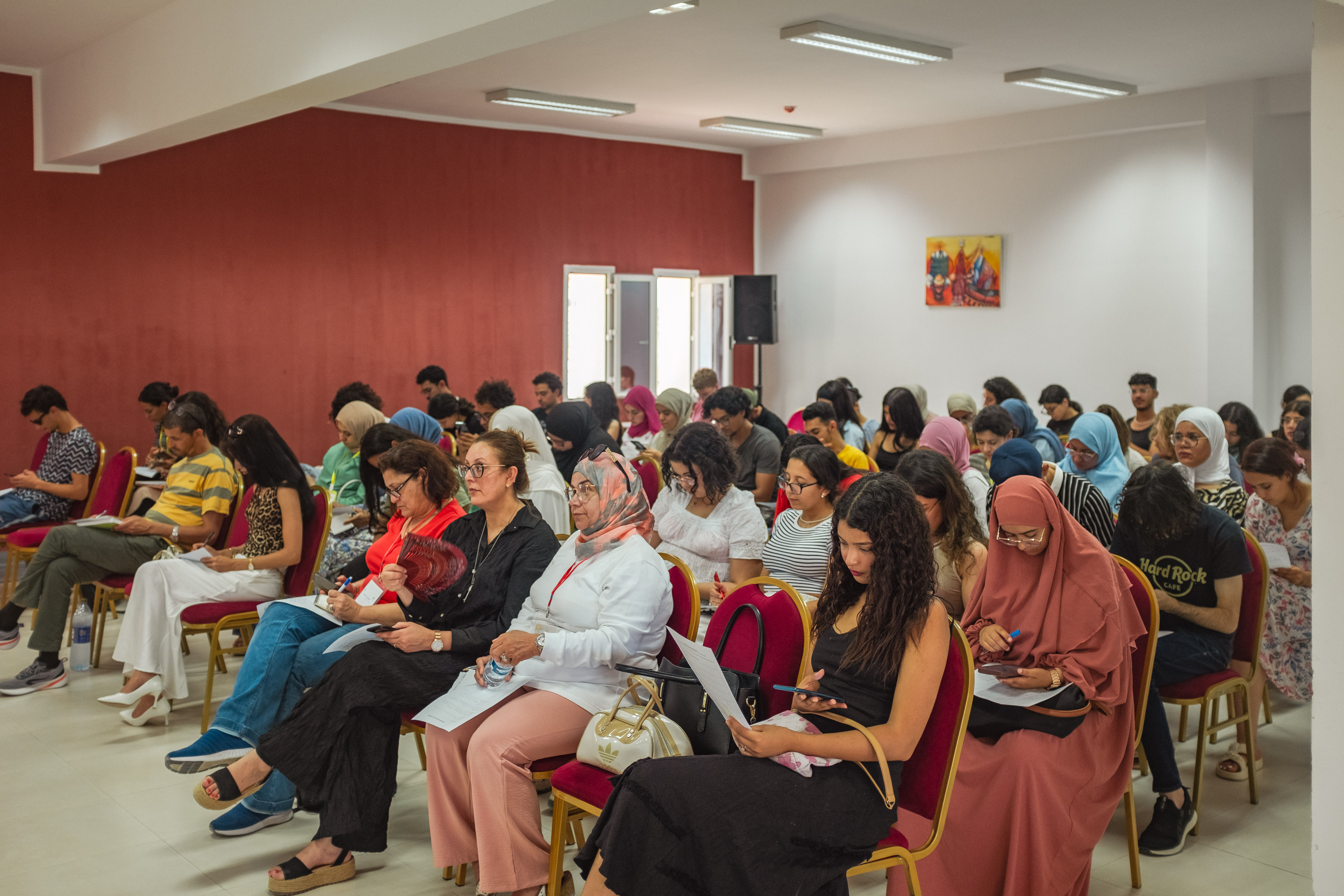
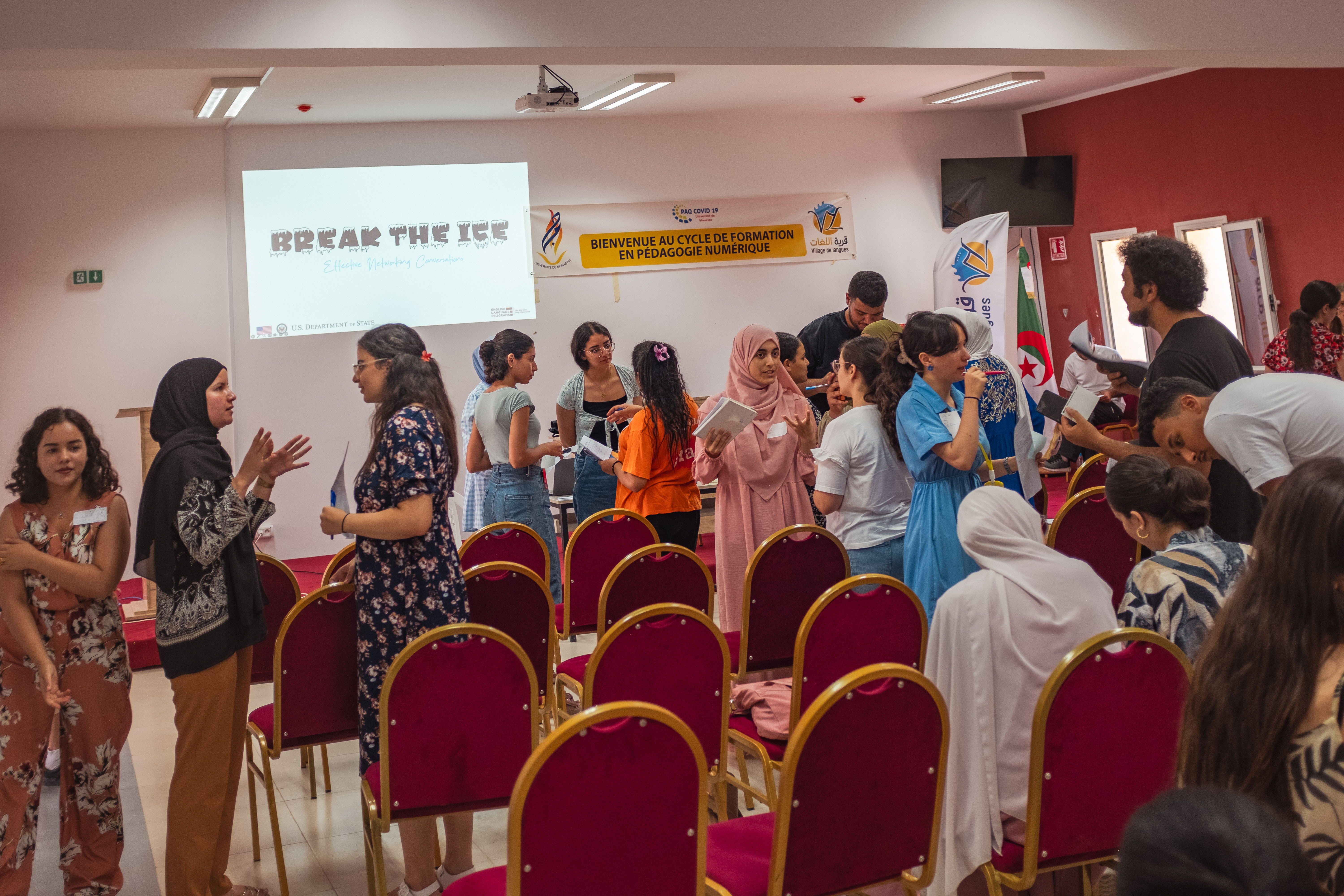
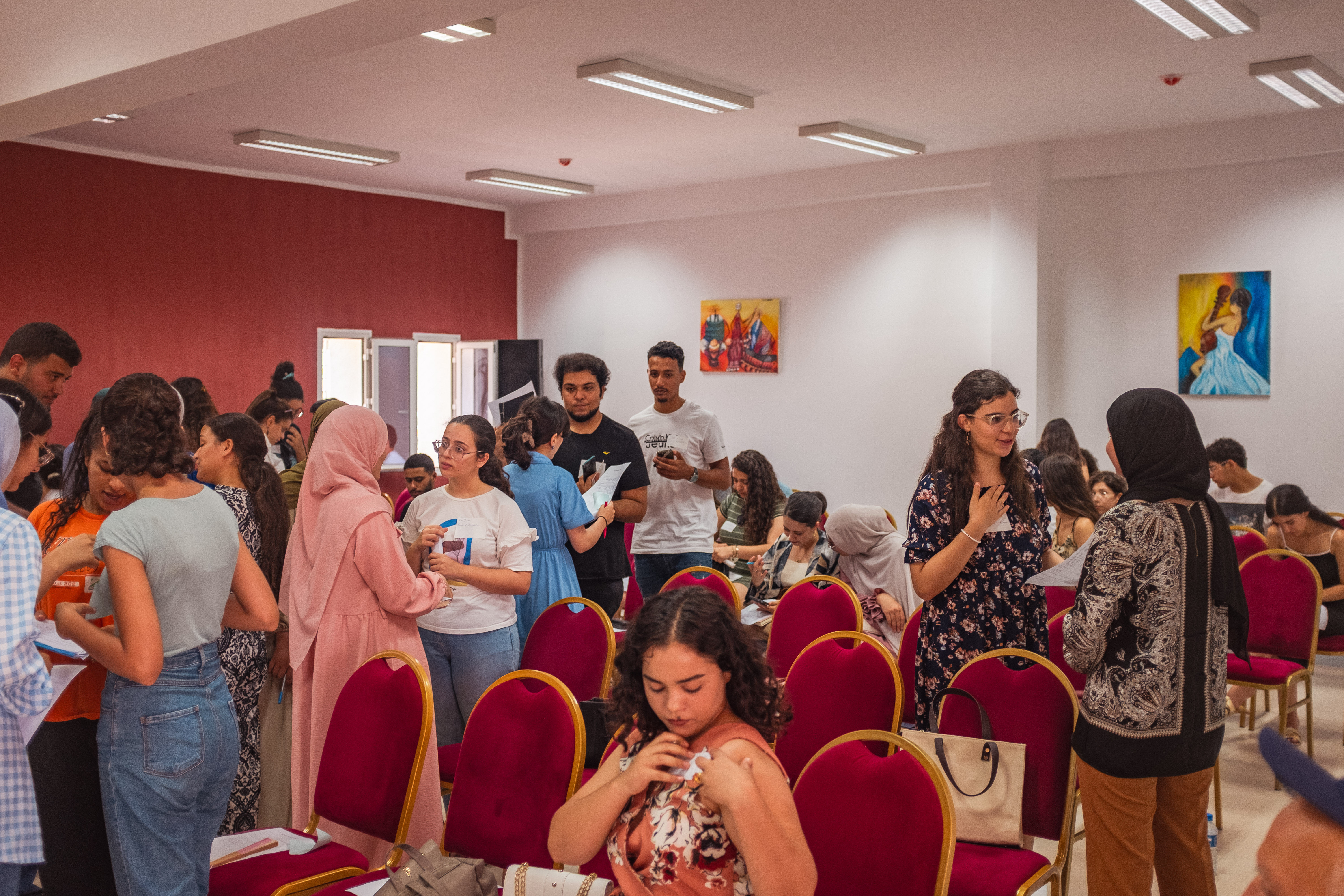
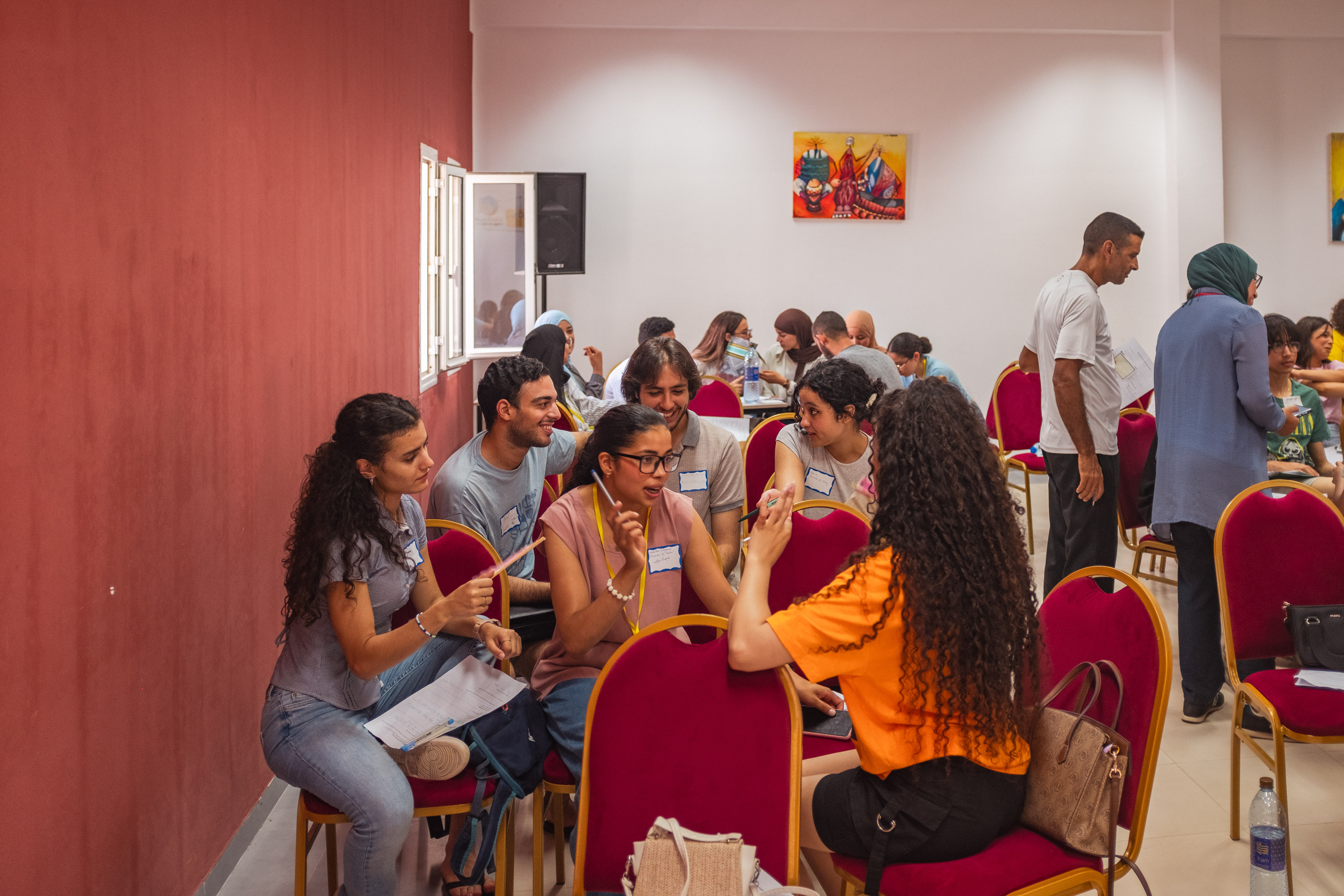
The second and third seminars emphasized American values of creativity and entrepreneurship. In From Creative Thinking to Creative Doing: Integrating Creativity in Language Teaching, I highlighted creativity as both a classroom tool and a vital 21st-century skill. I discussed its role in language development and showcased a project-based assignment from a business English ESP course that connected innovation with education. In Speak Like an Entrepreneur: Pitching, Networking, and Negotiating, I explored the mindset and communication strategies essential for entrepreneurial success—both in launching new ventures and within organizations through intrapreneurship. Students practiced crafting persuasive pitches, networking authentically, and negotiating mutually beneficial outcomes through role-play. While creativity and entrepreneurship are not uniquely American, they are widely admired traits associated with U.S. culture. These two seminars encouraged students to embrace these values as tools for personal, academic, and professional growth—contributing to Tunisia’s future by supporting open-mindedness and private sector innovation.
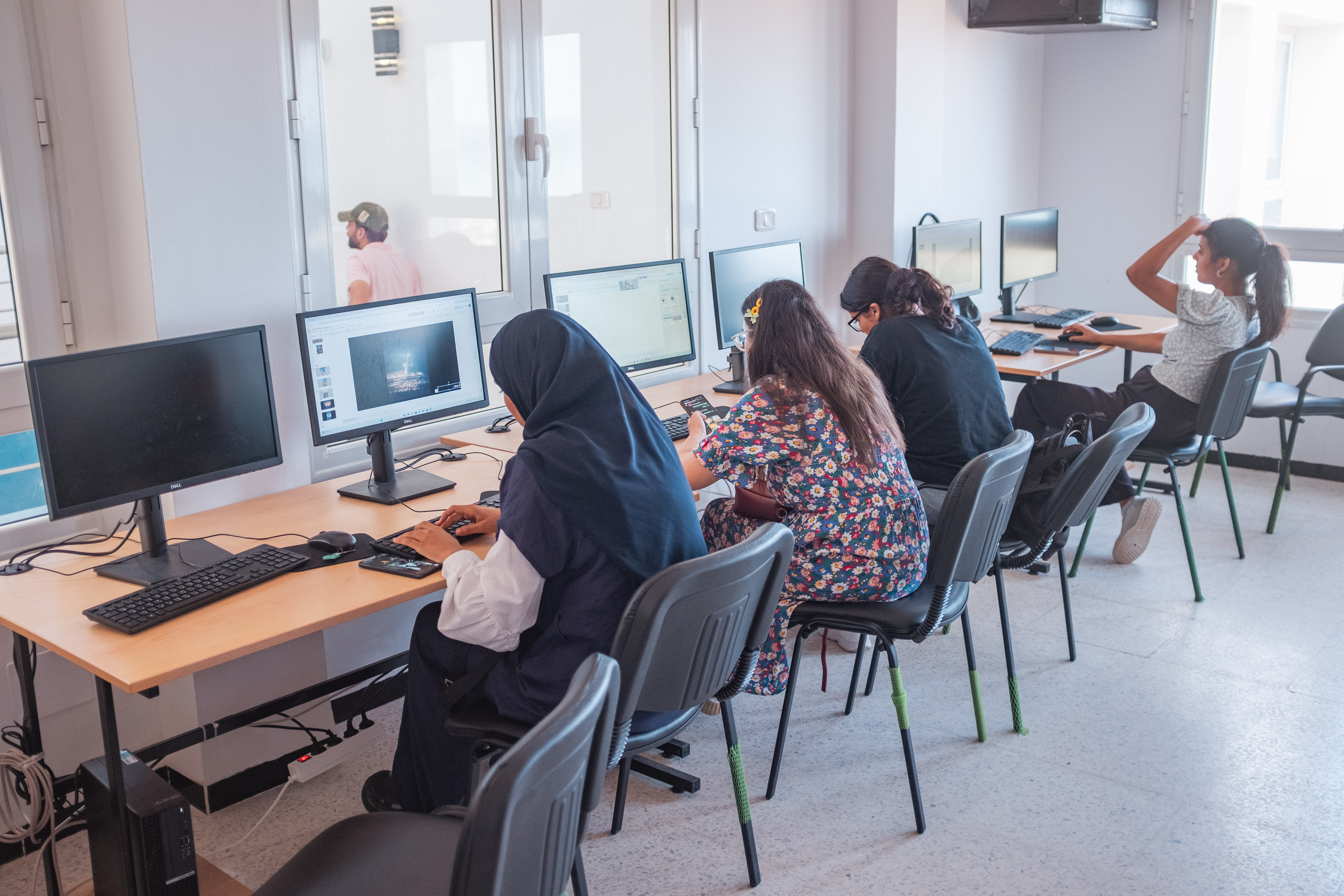
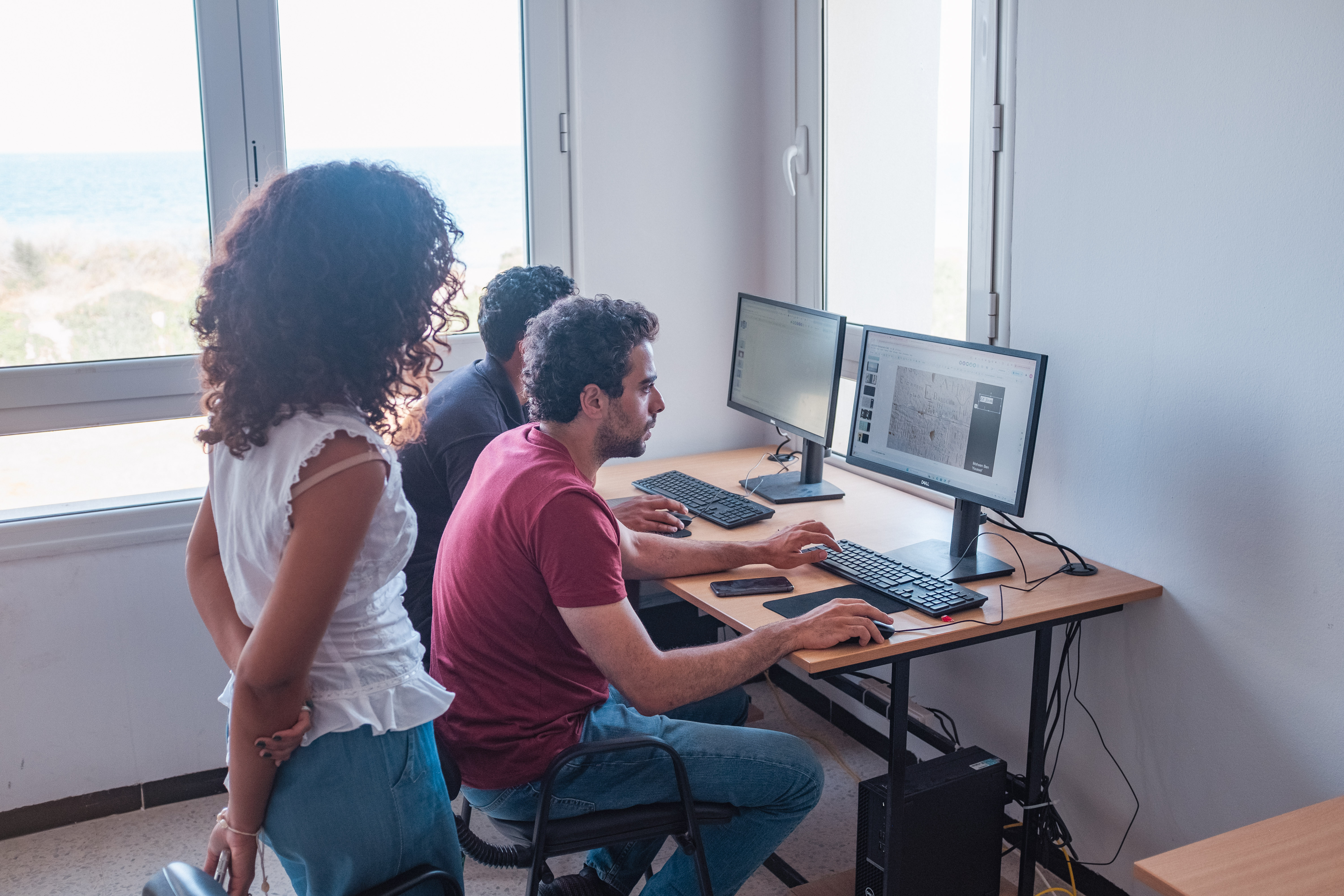
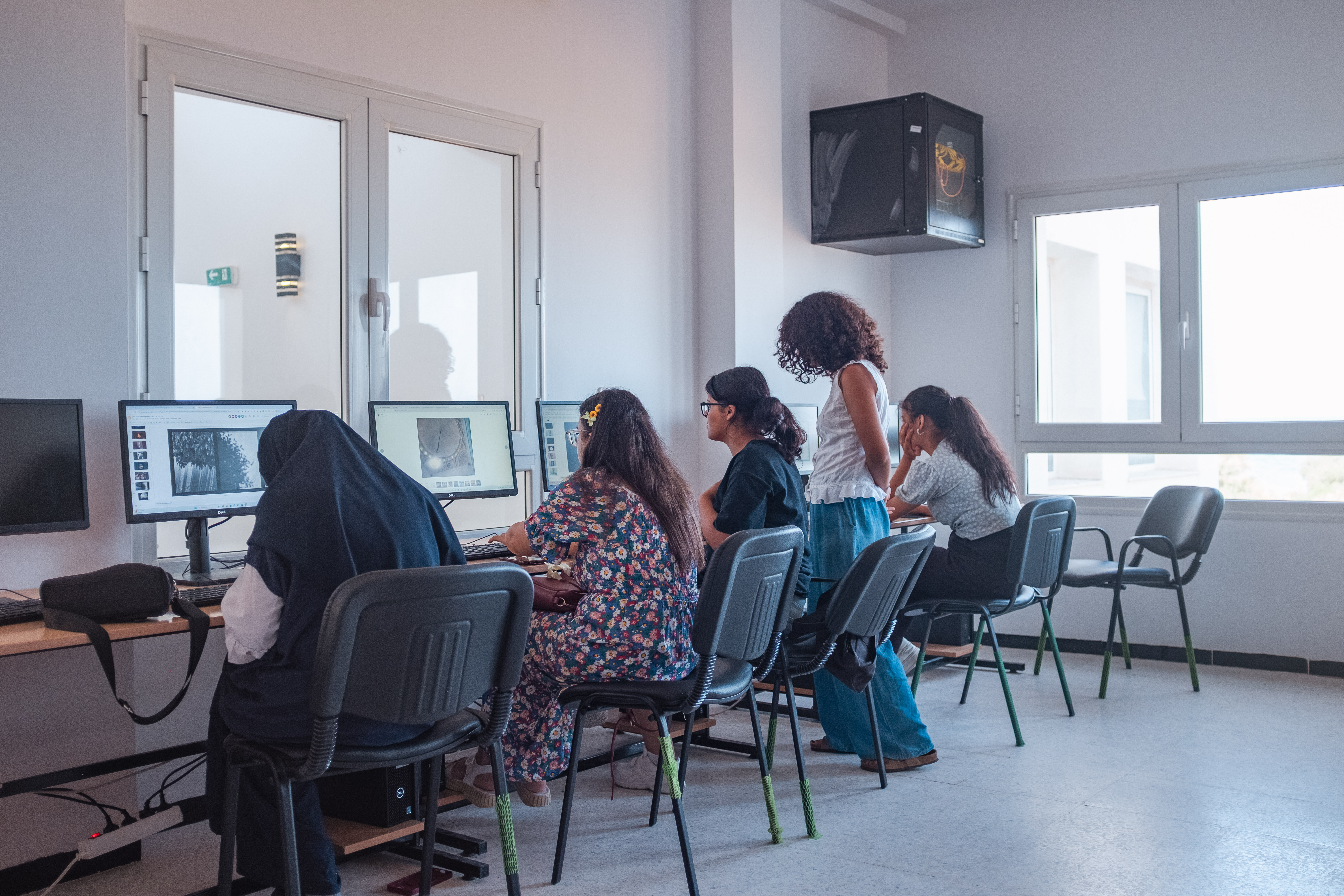
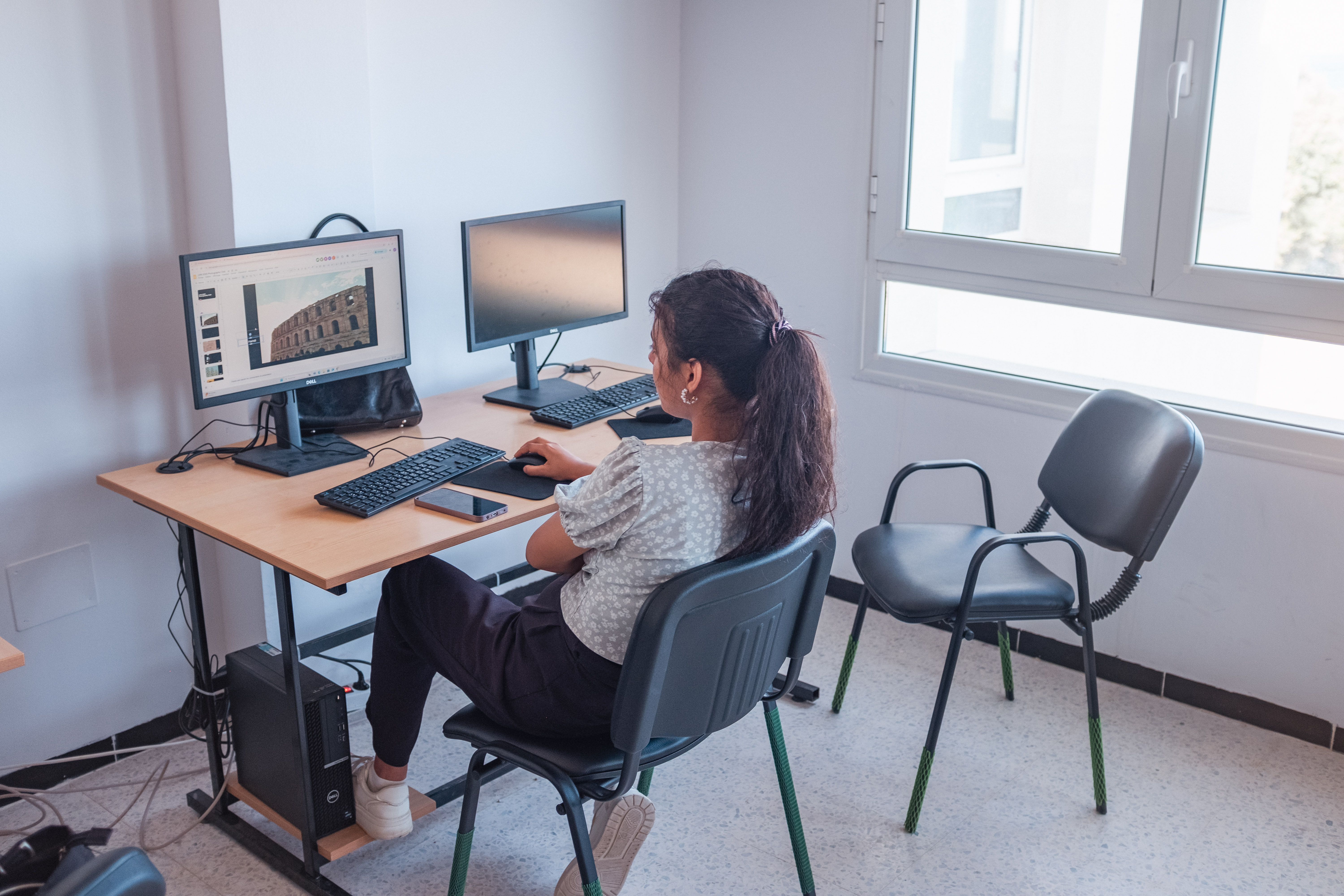
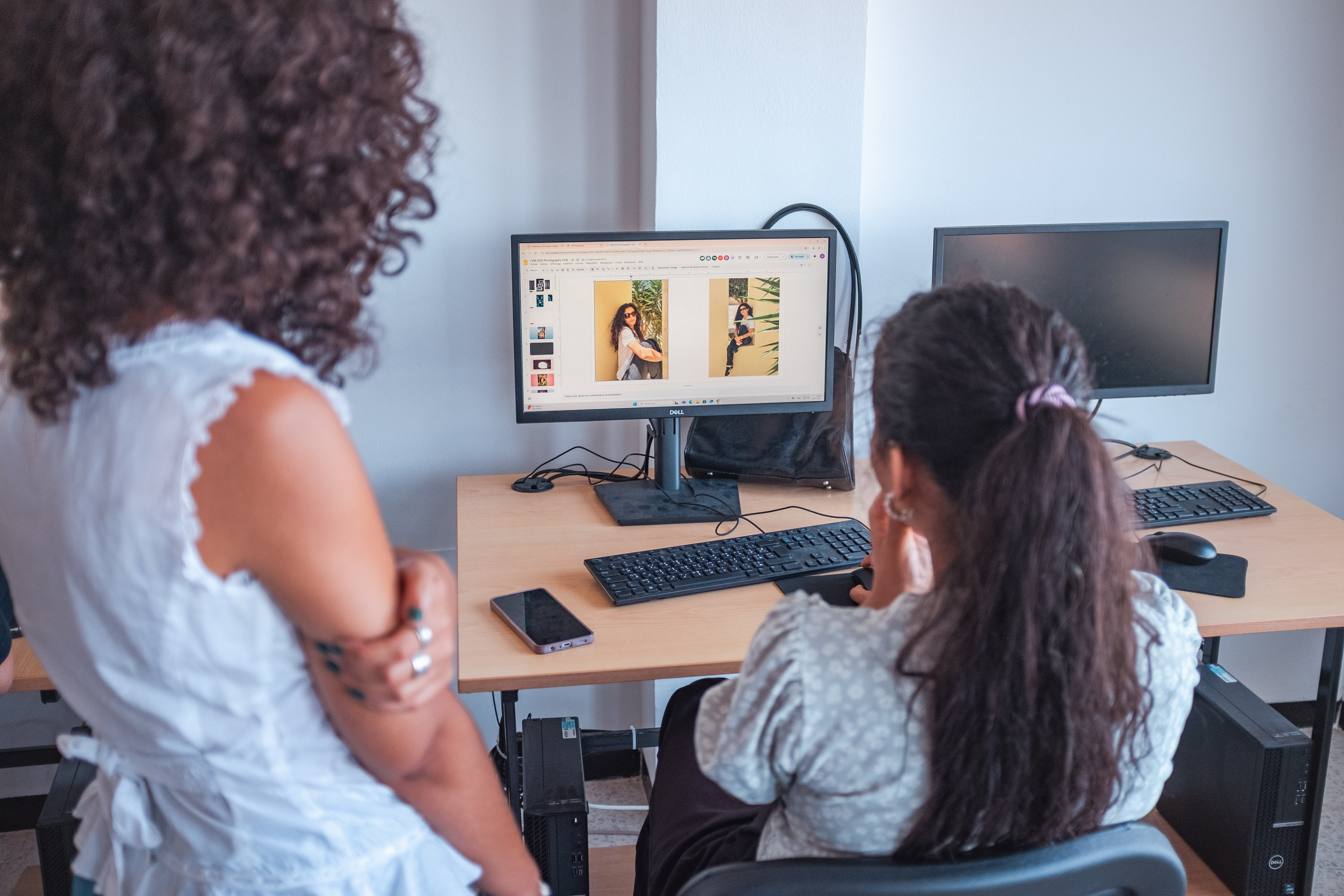
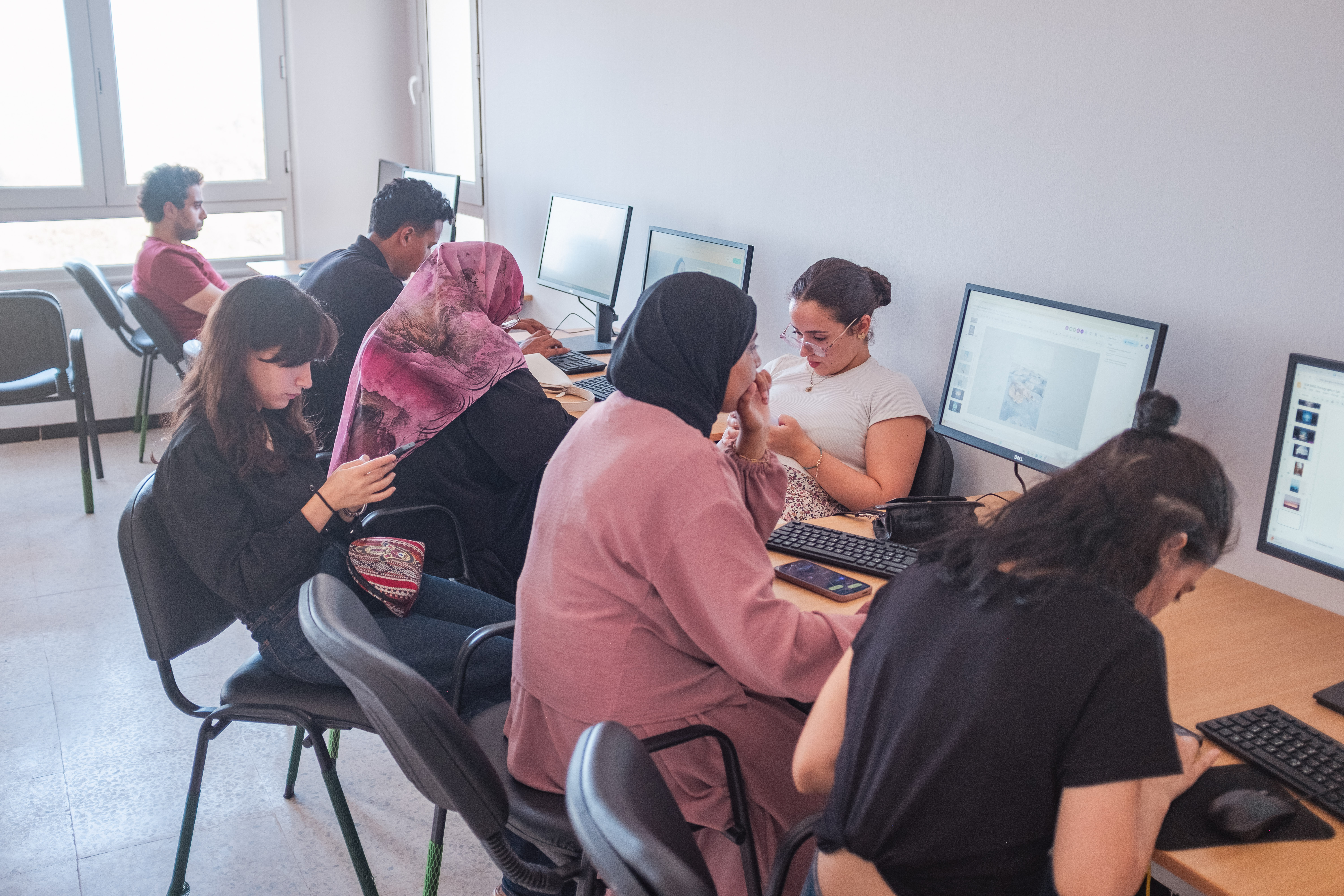
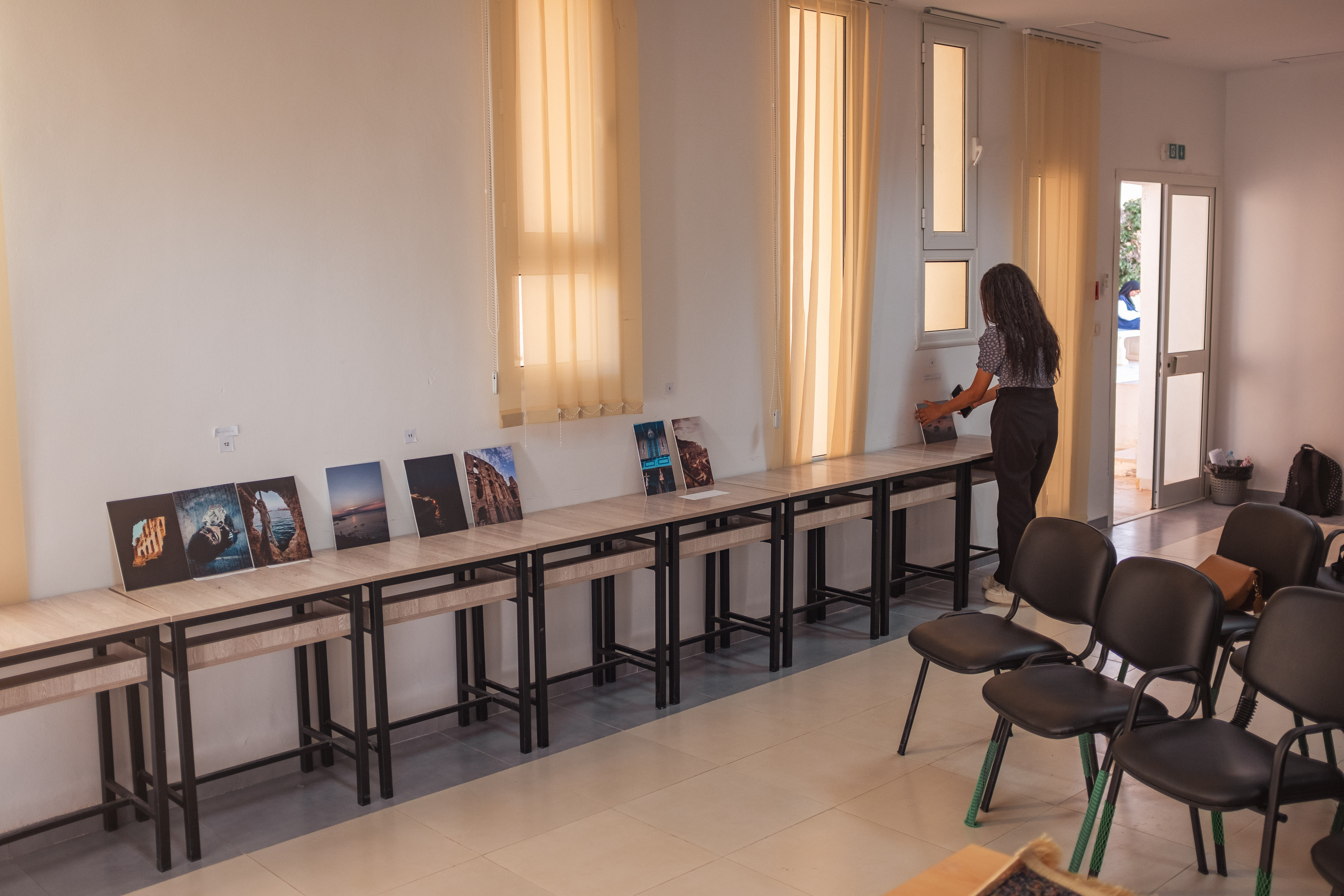
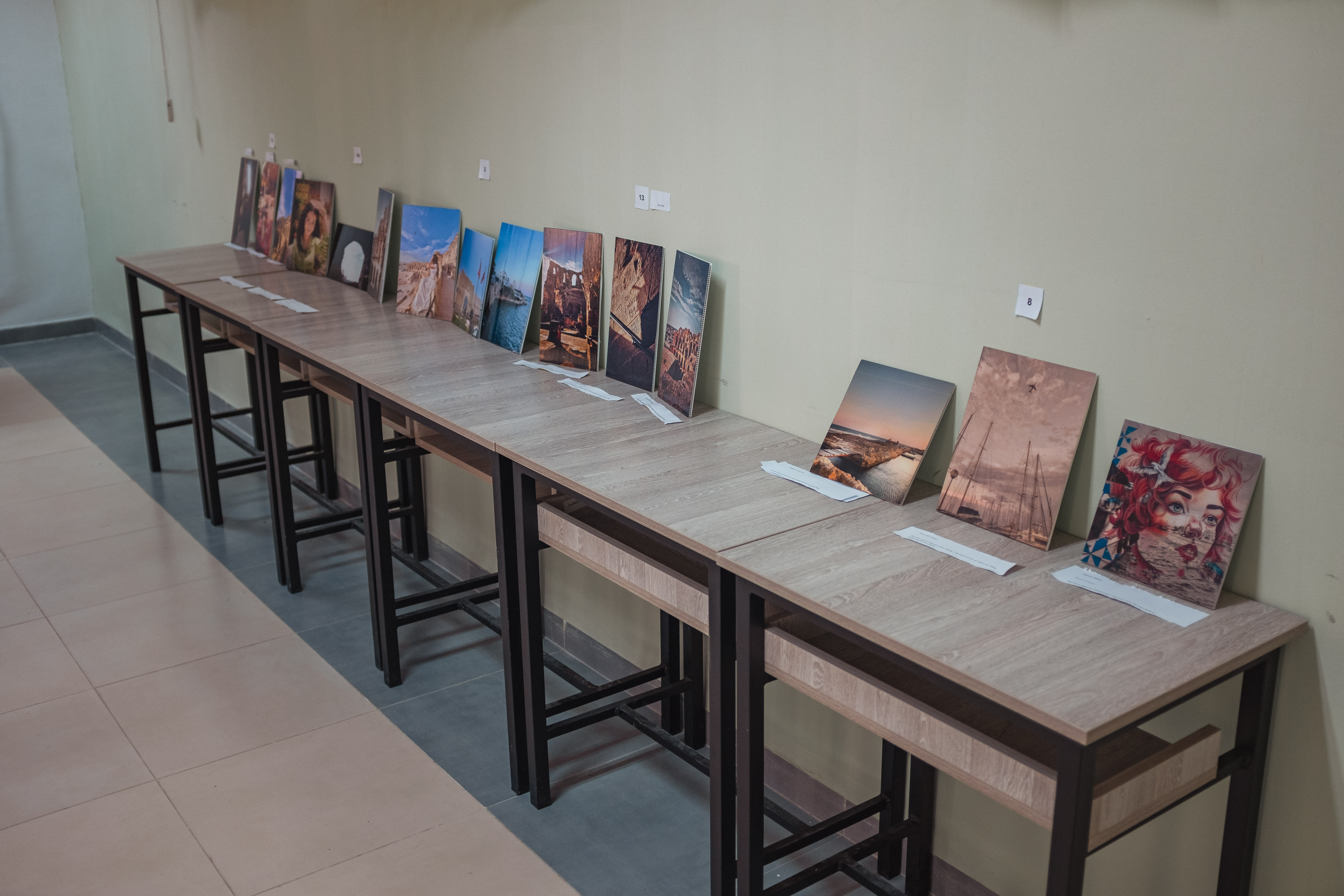
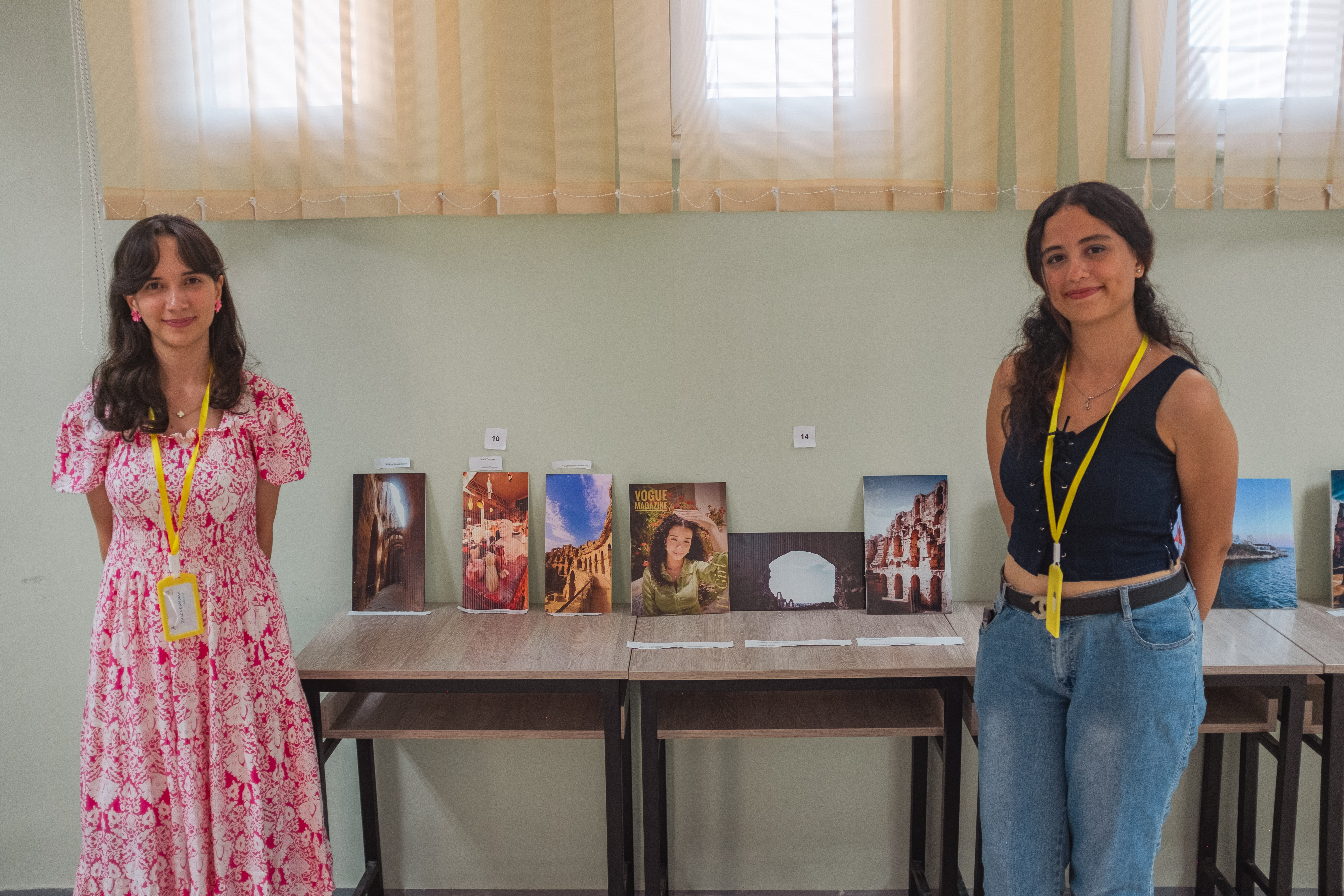
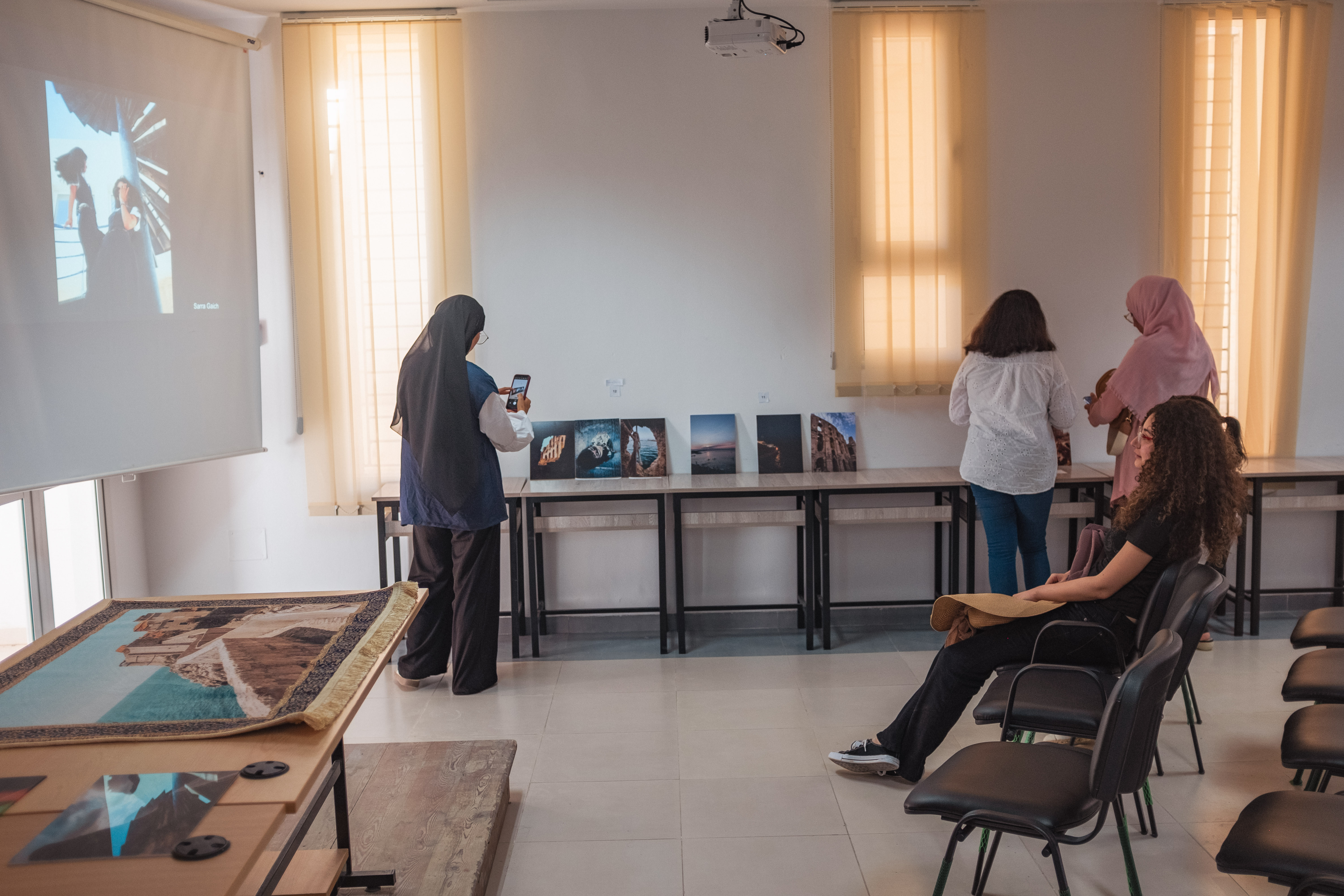
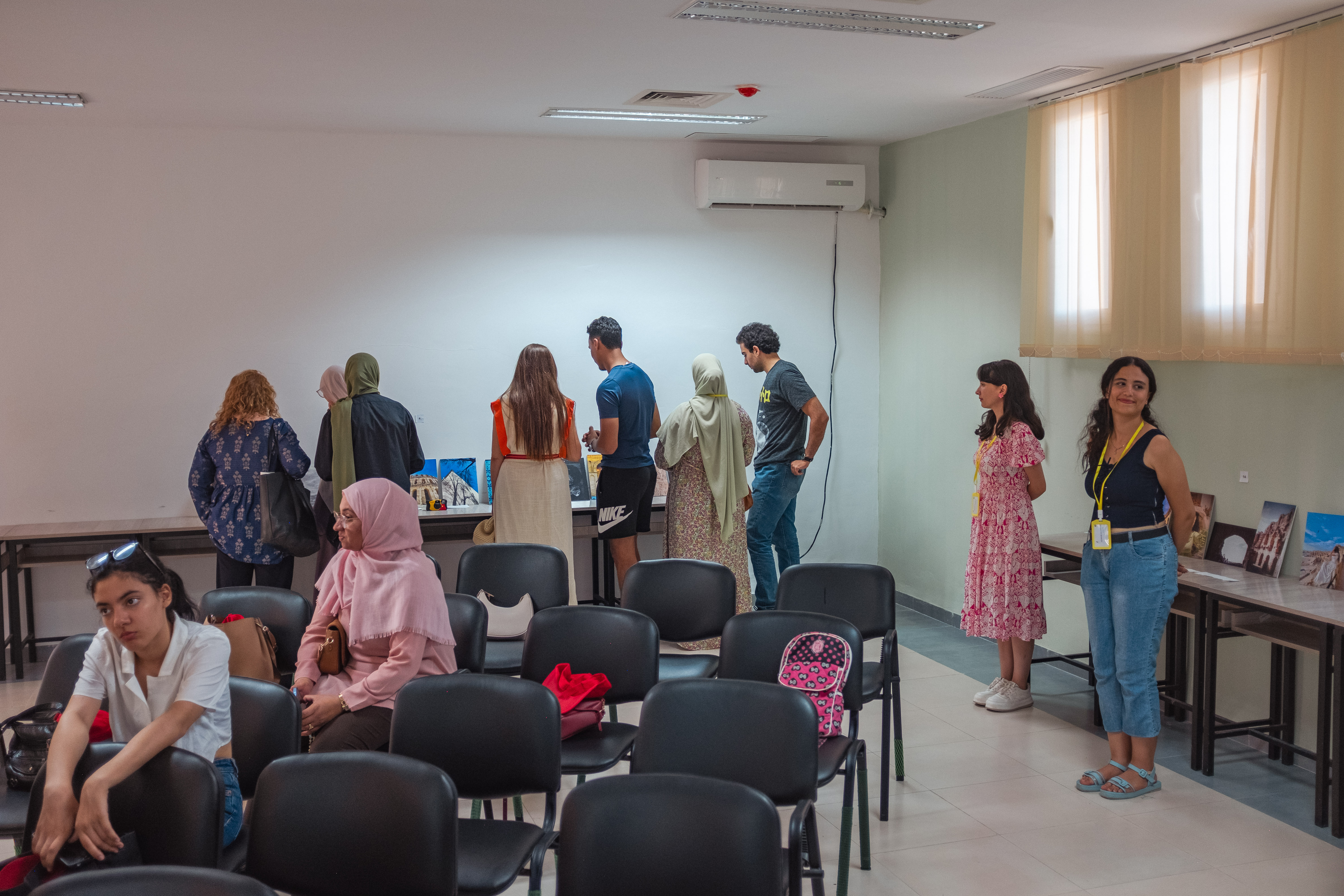
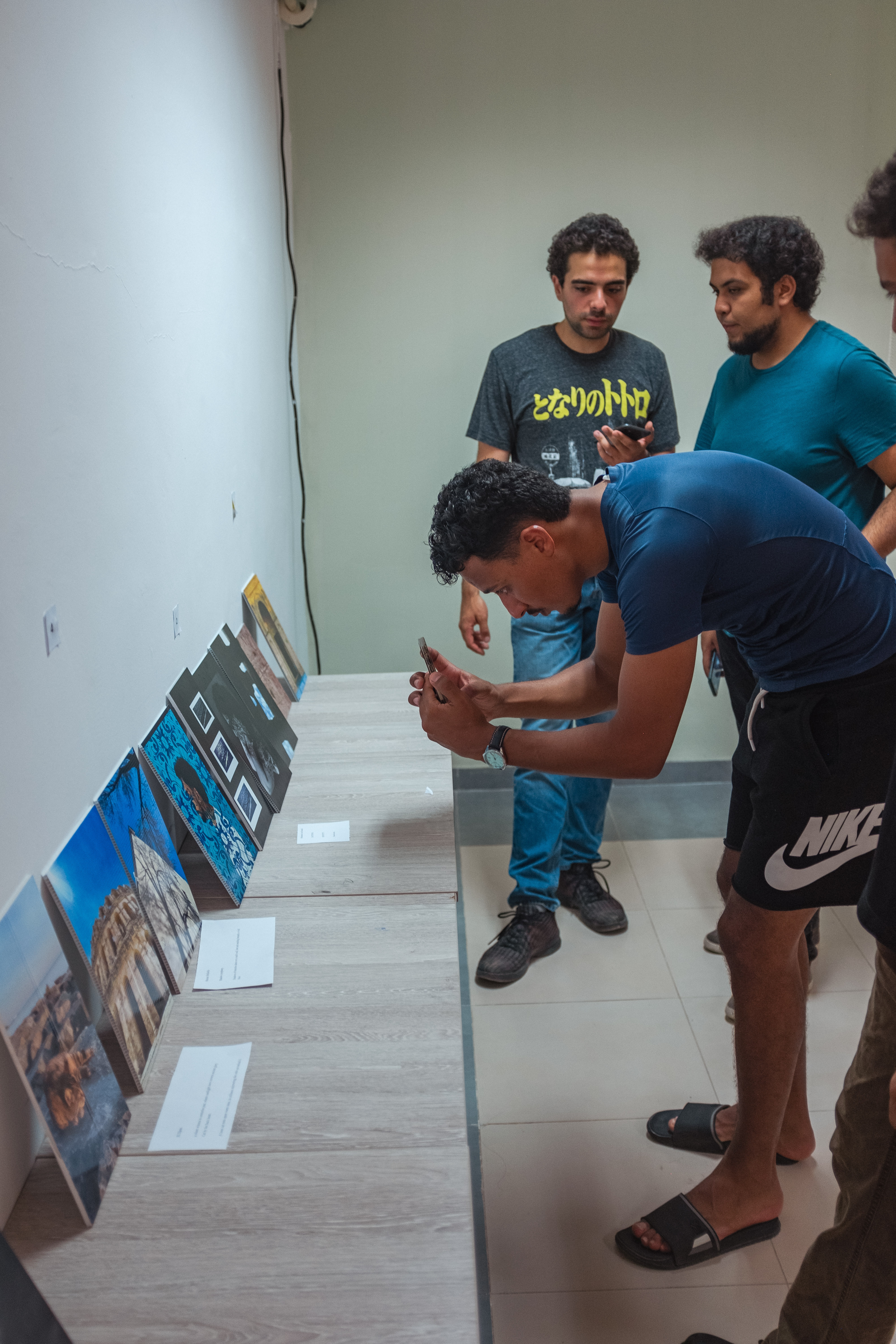
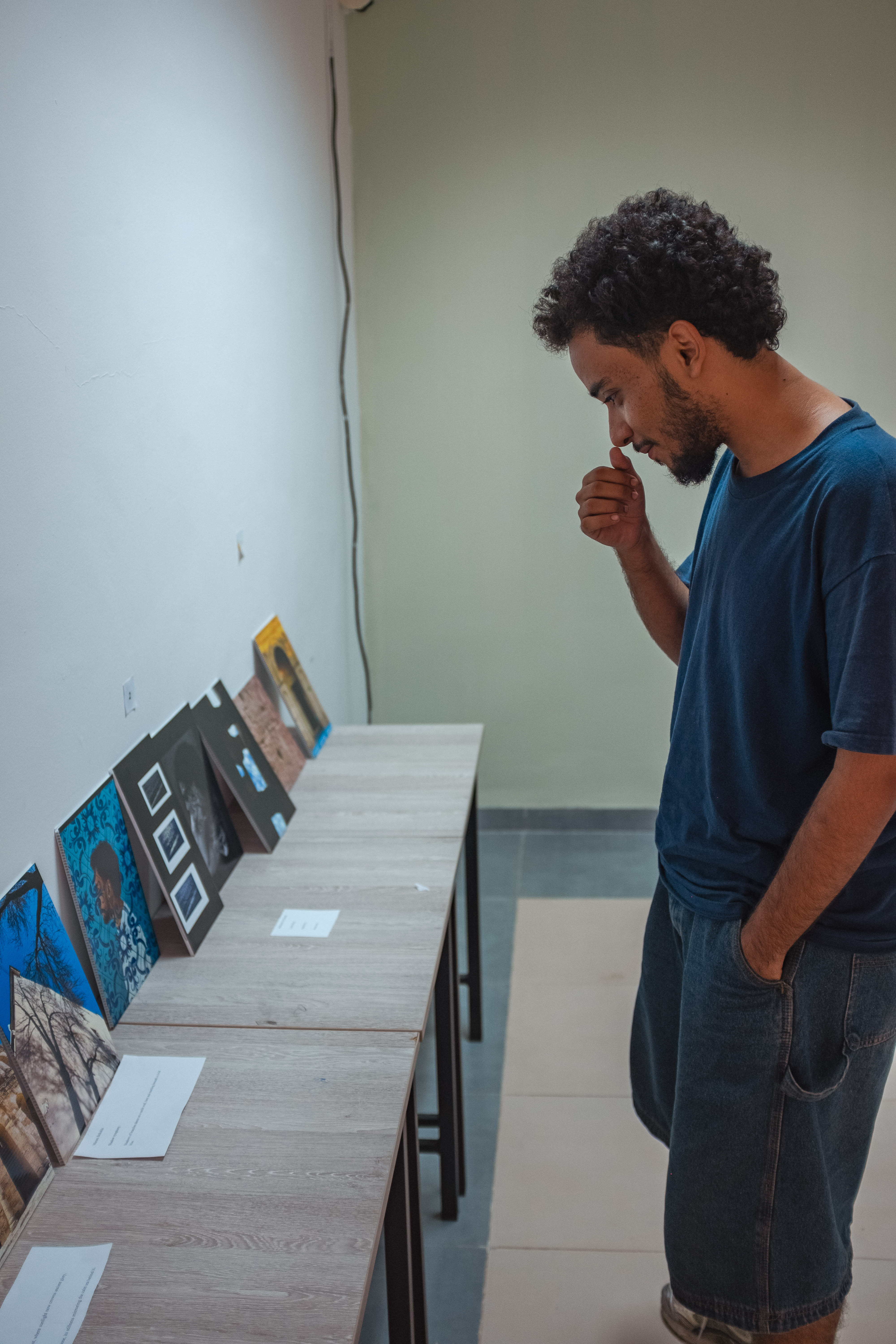
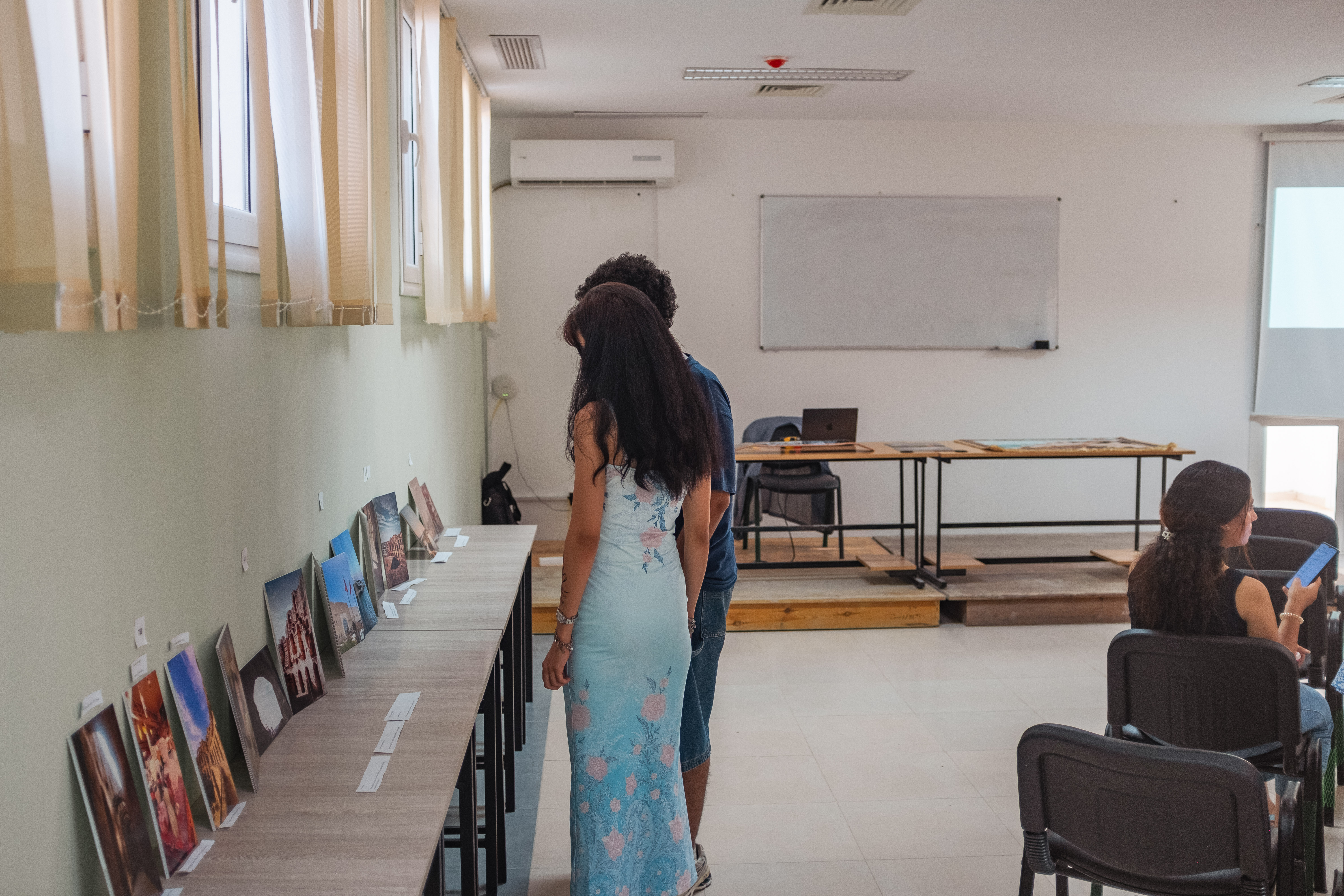
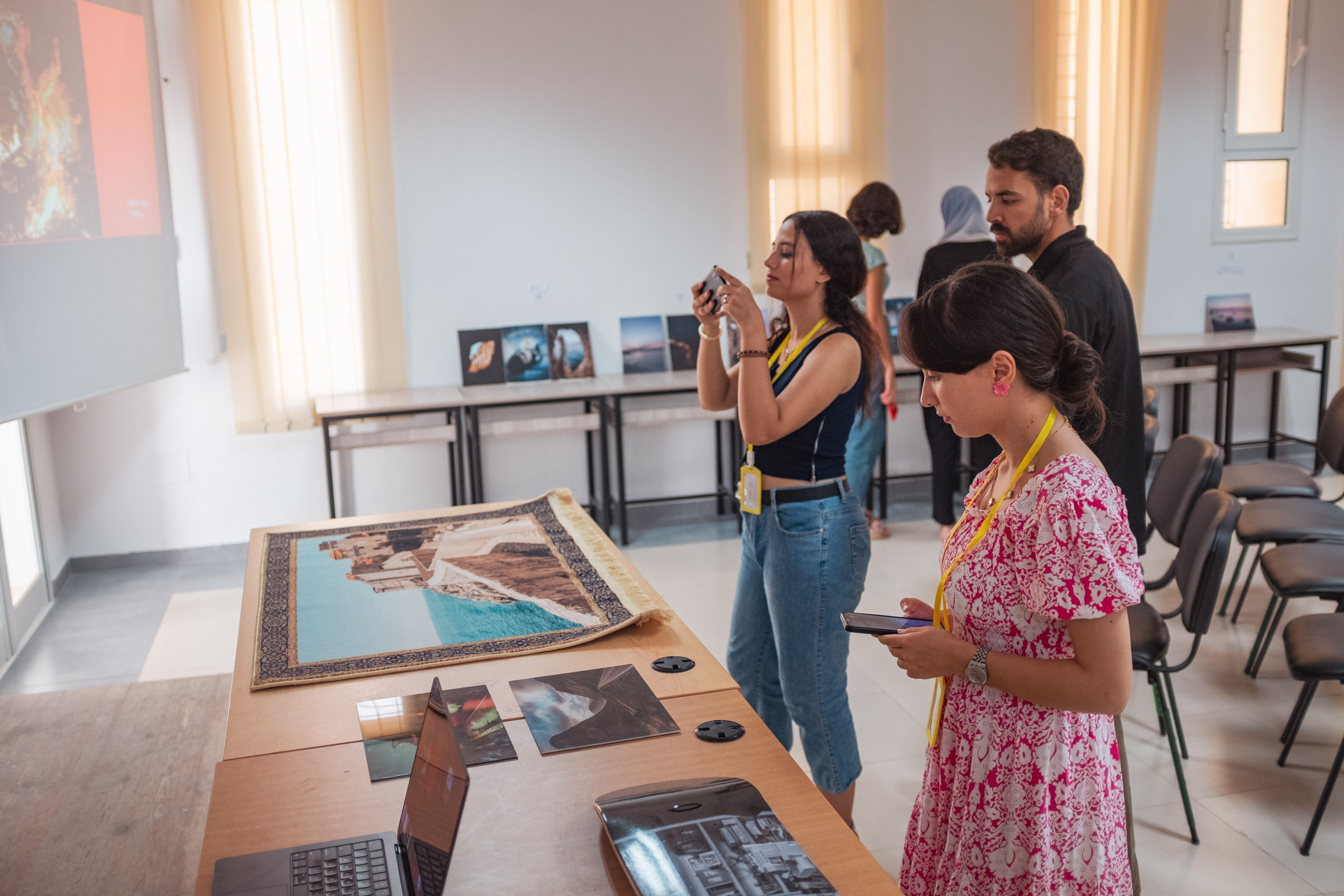
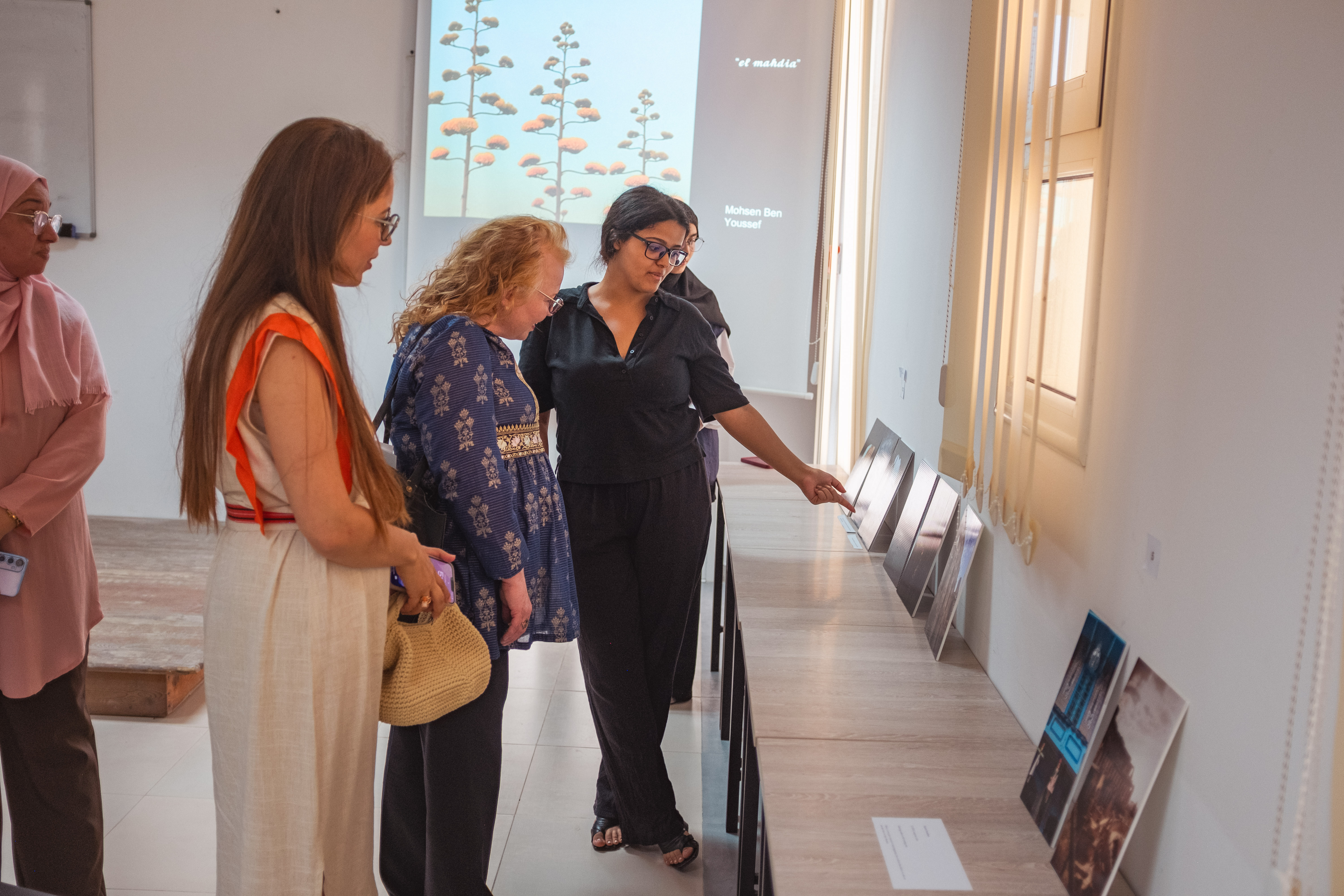
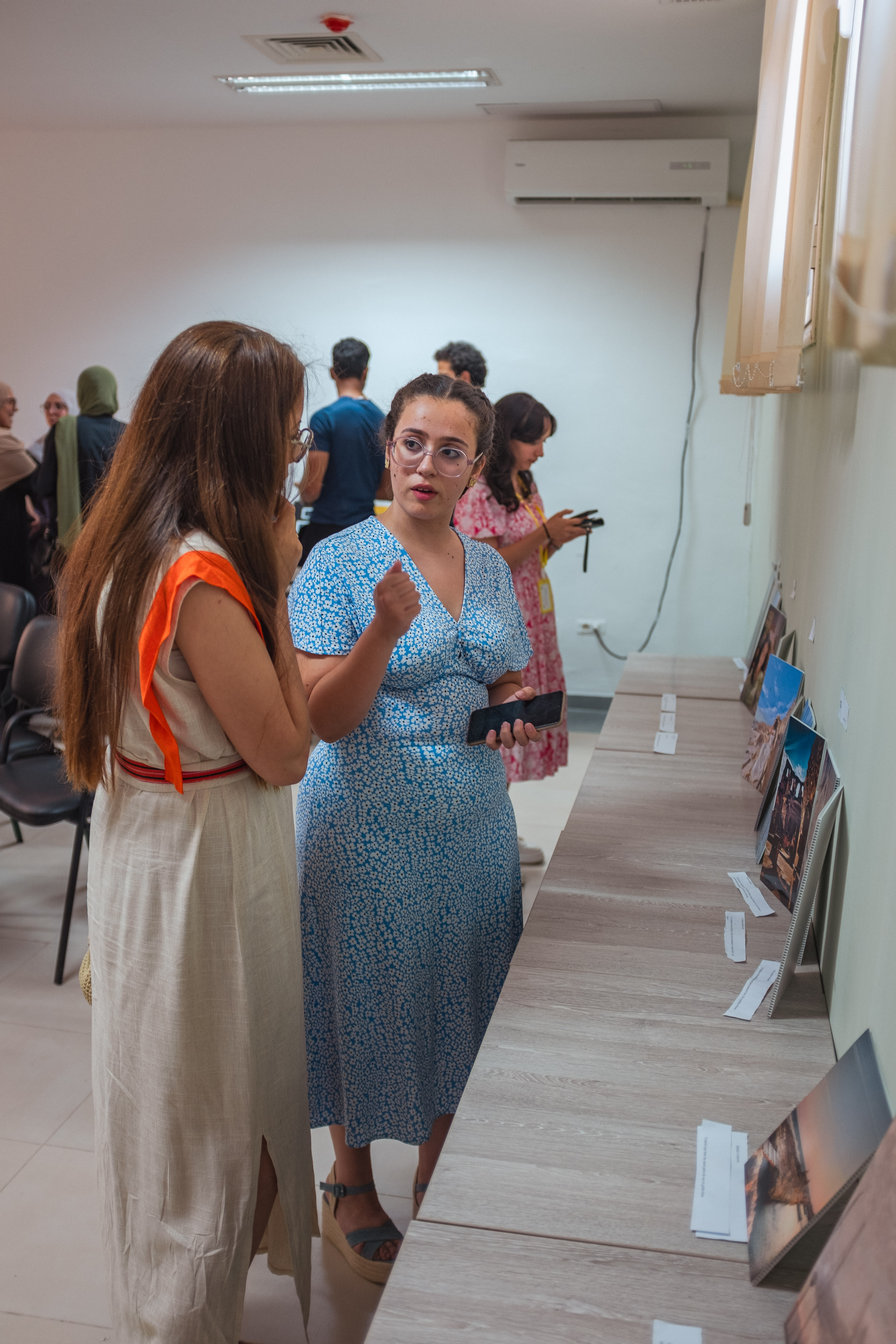
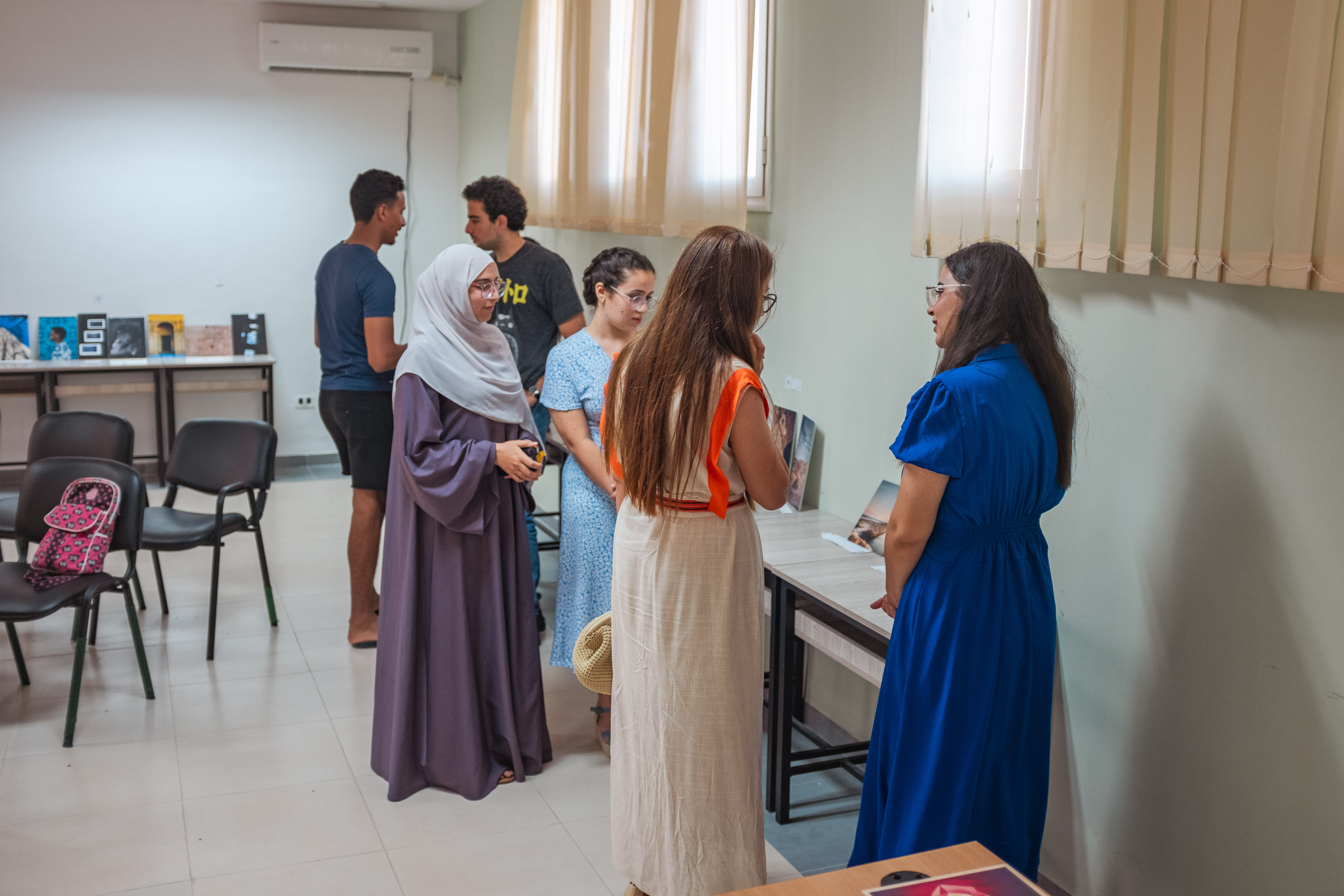
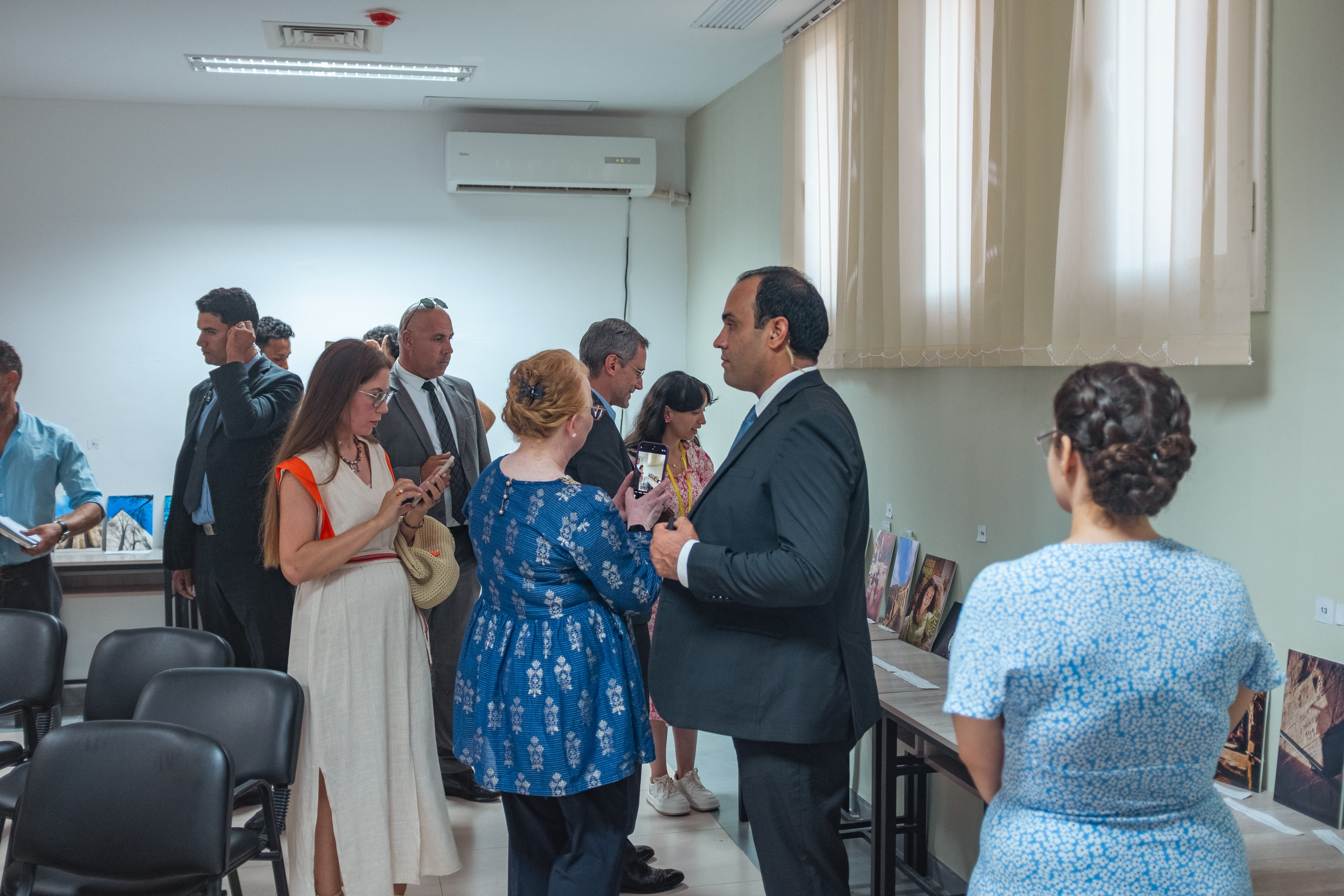
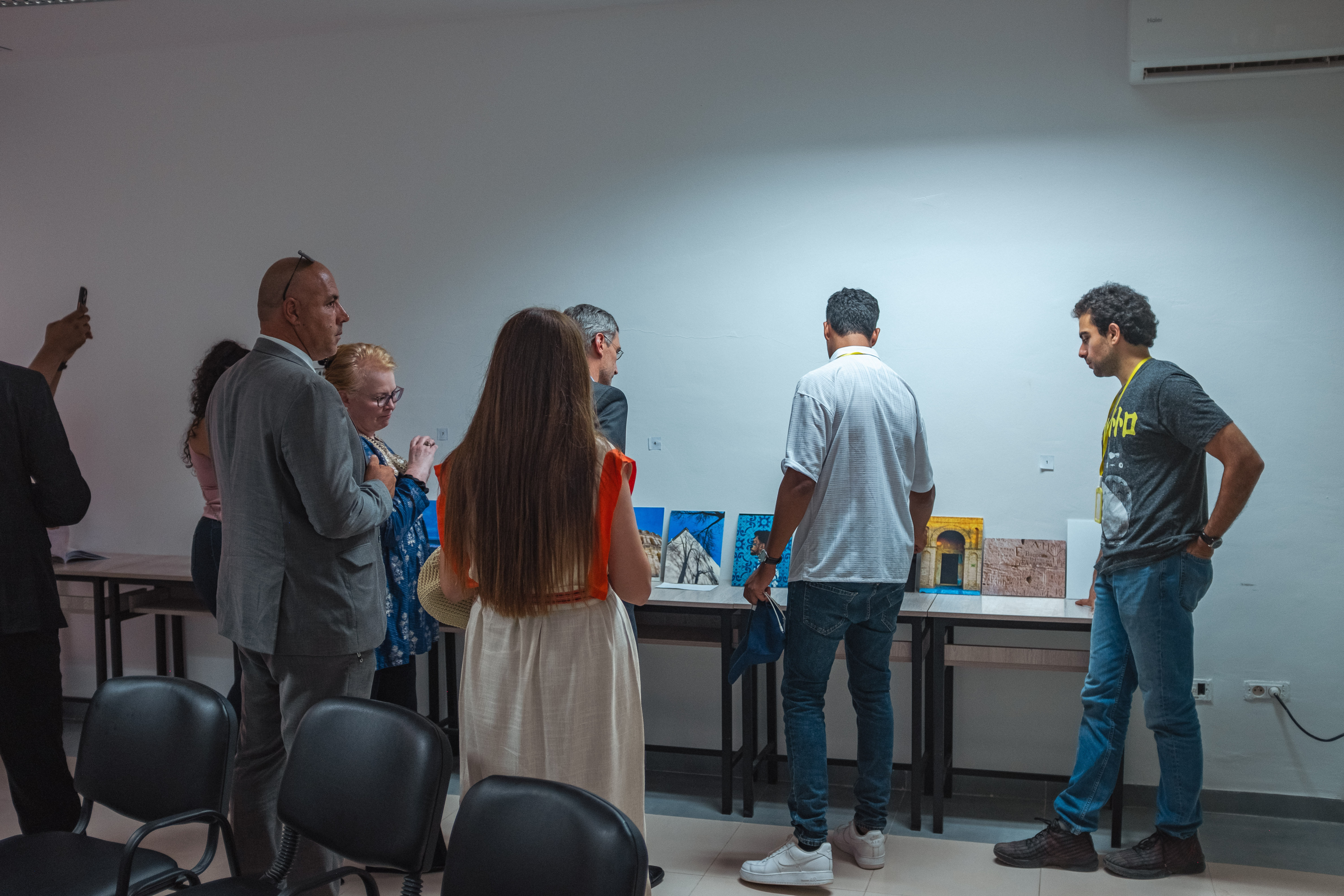
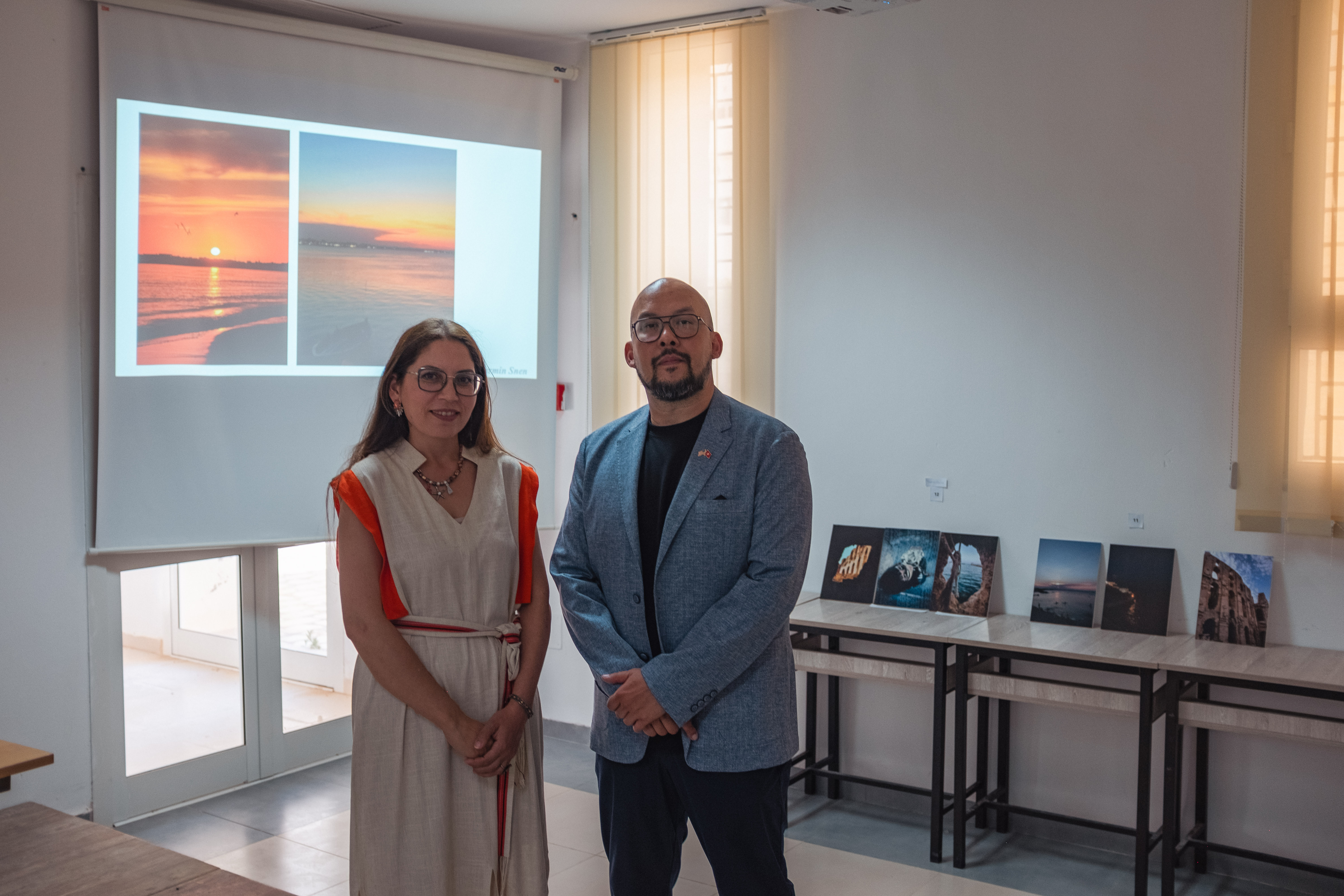
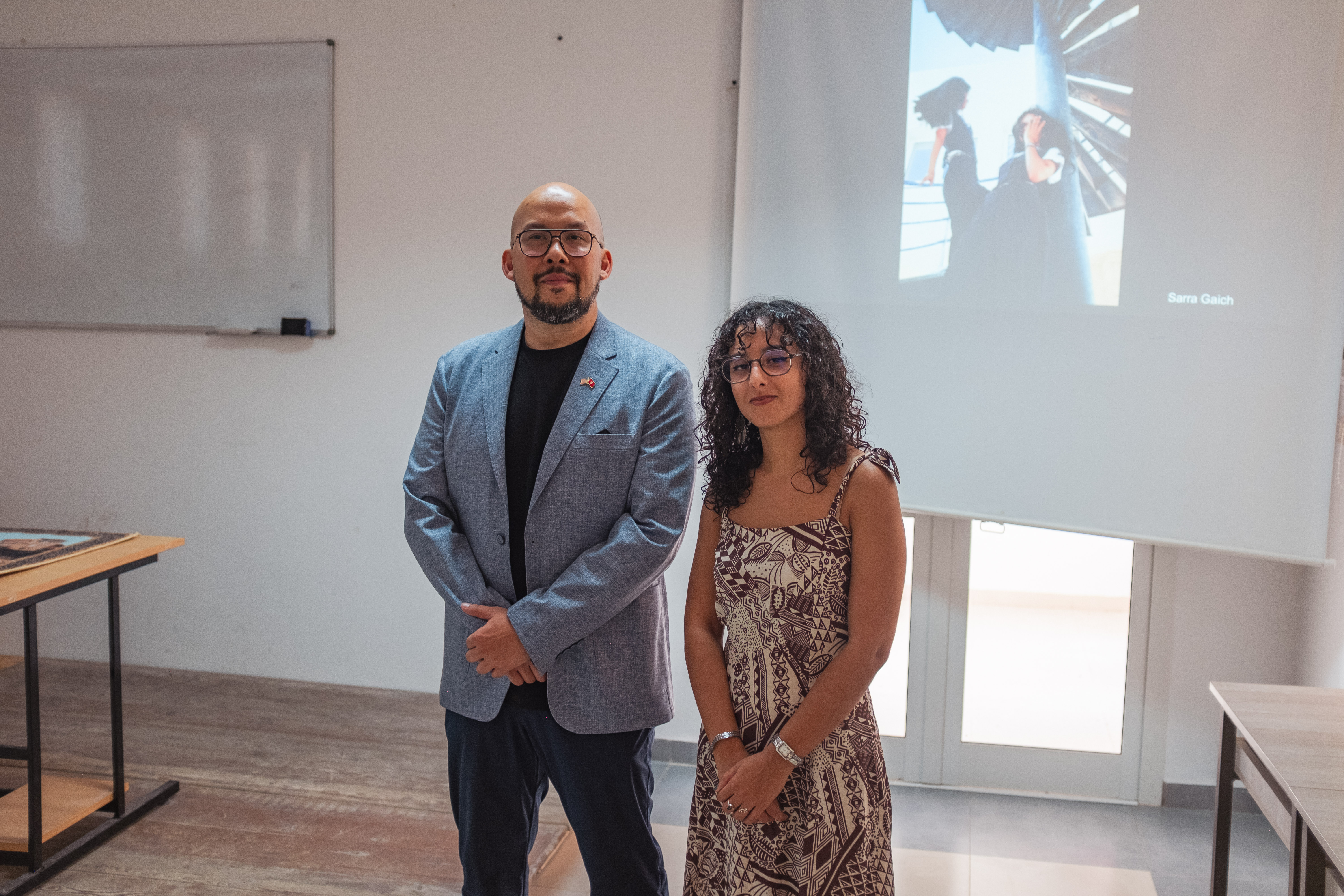
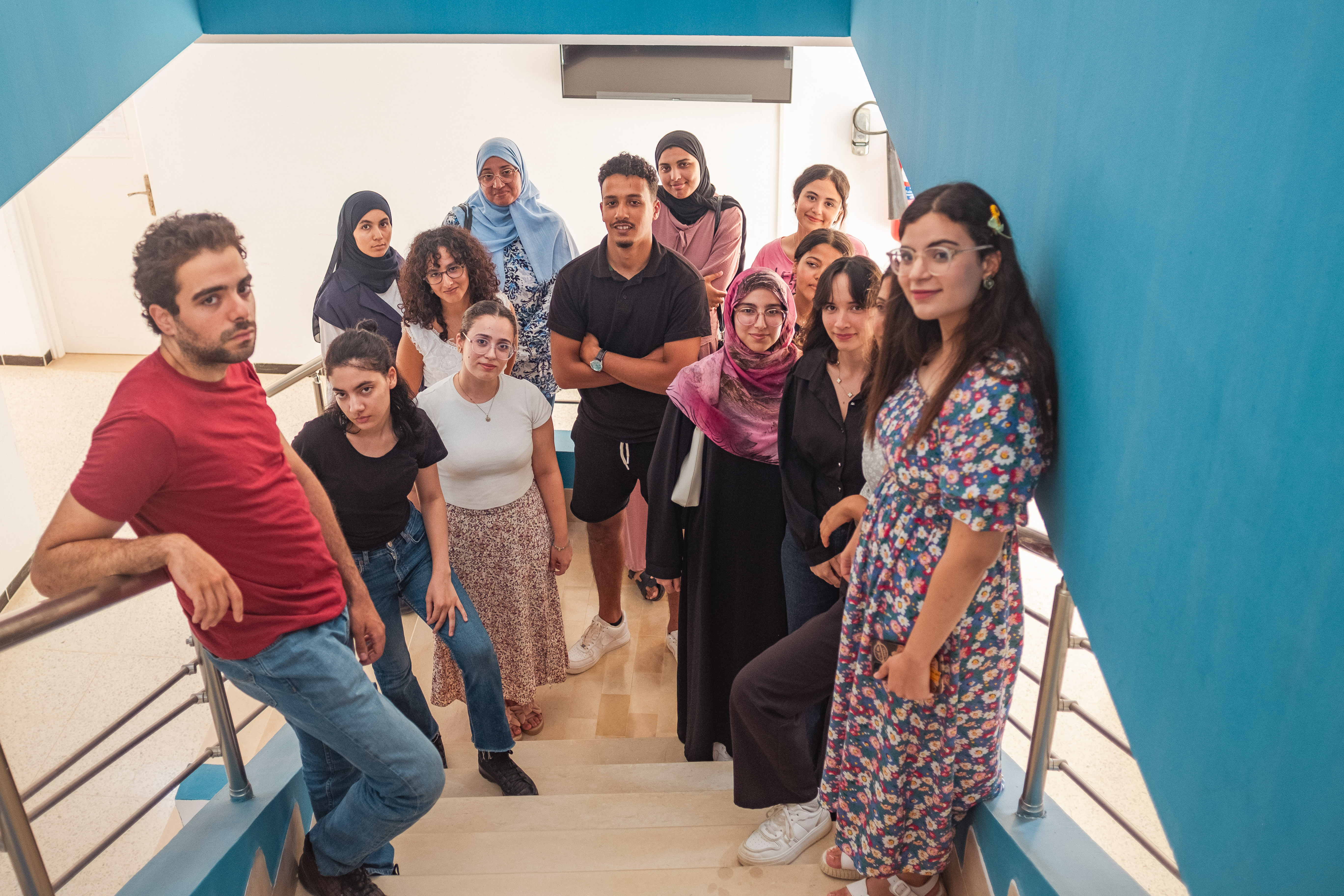
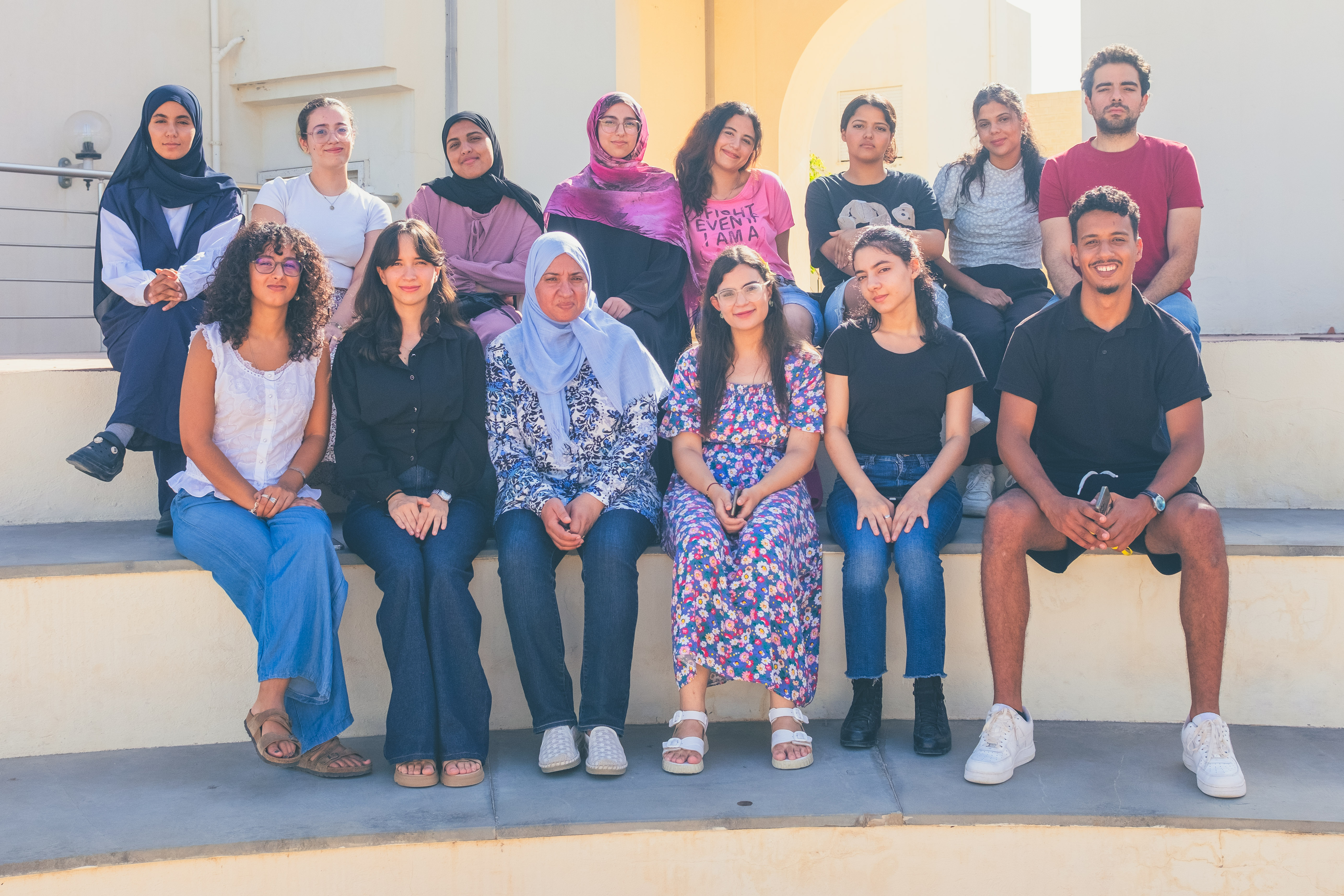
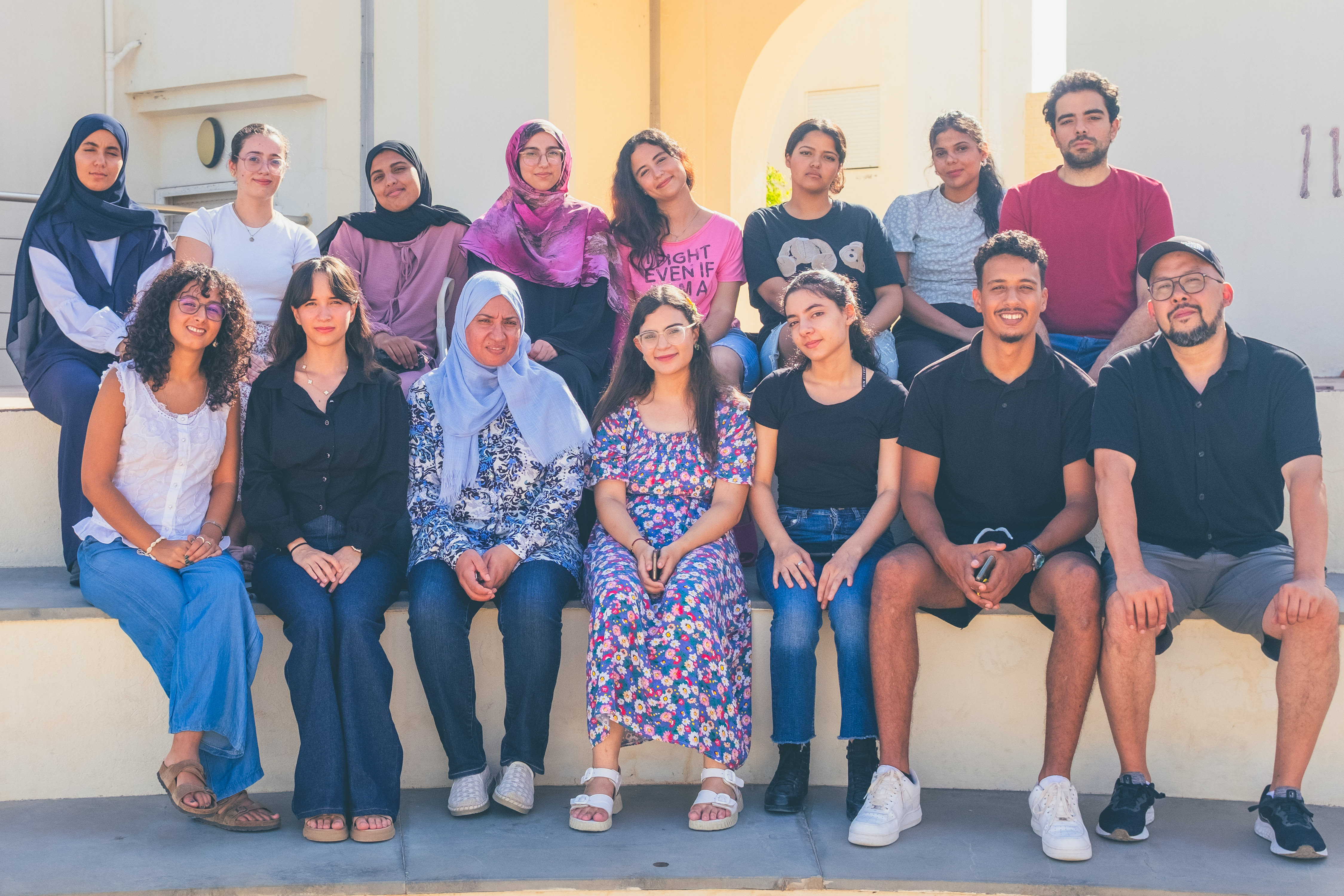
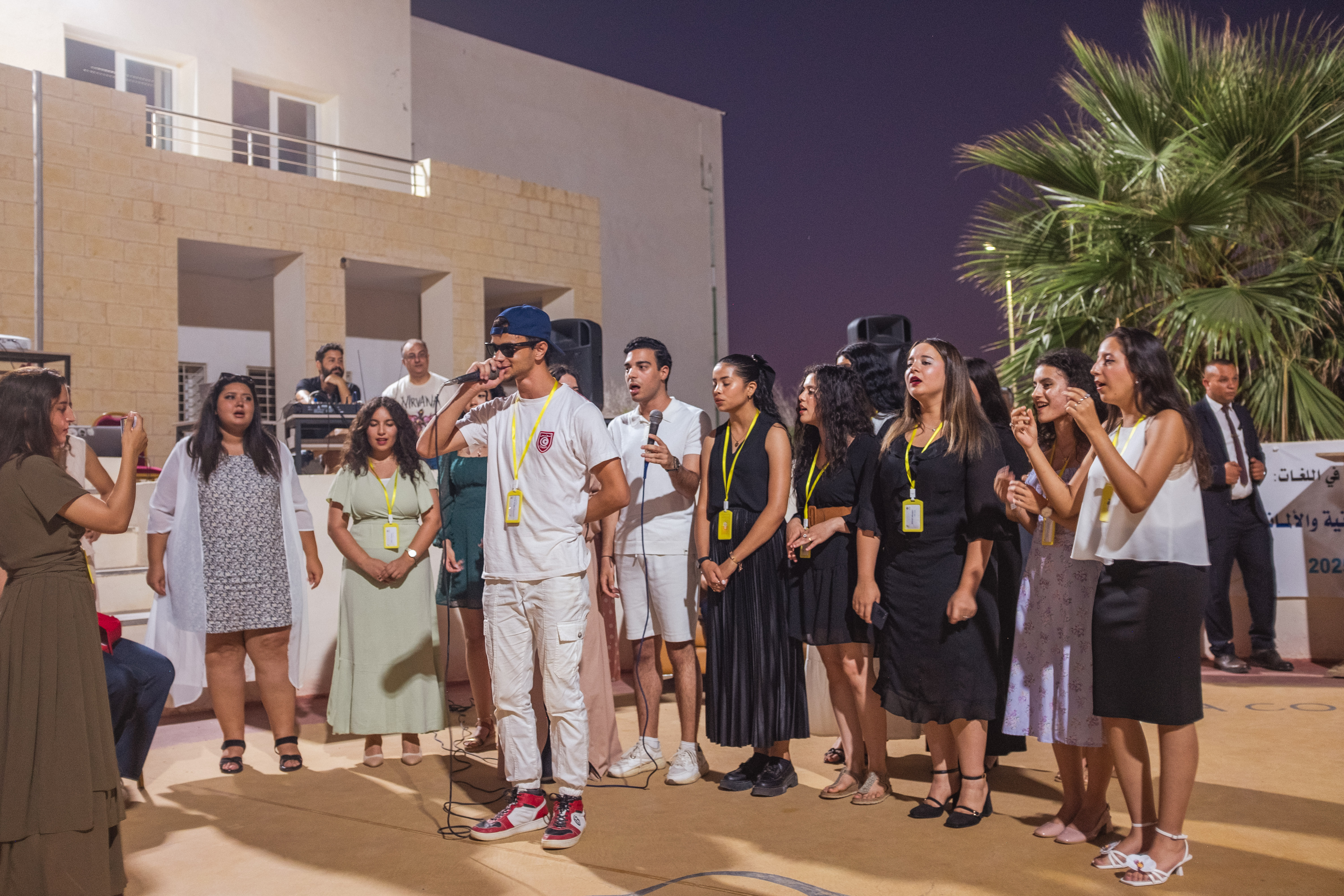
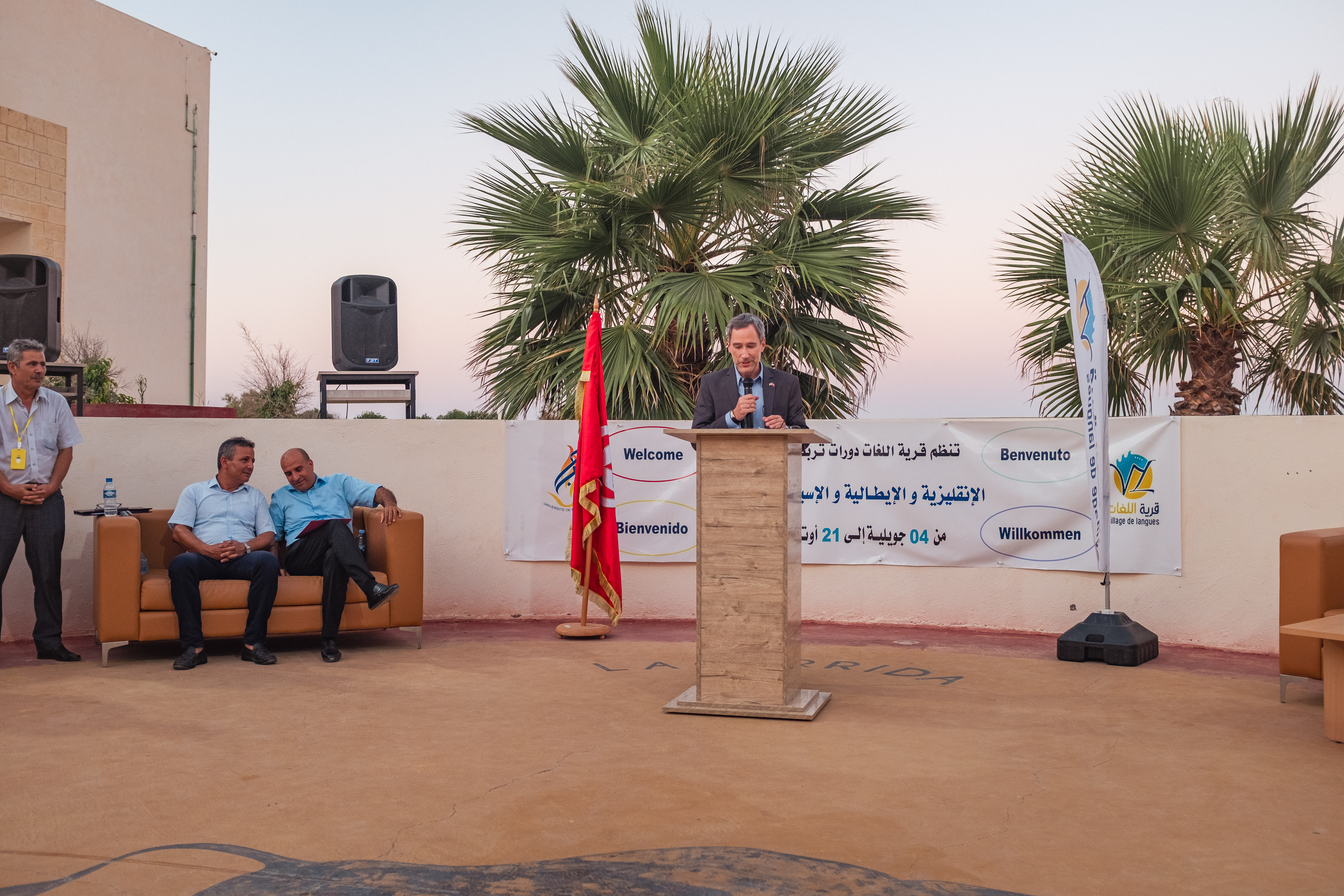
Additionally, I led a photography club that enriched students’ cultural awareness and English skills while cultivating visual literacy. Over eight sessions, participants completed themed photography challenges designed to promote creative thinking and purposeful image-making. The club culminated in a student-curated exhibition, where students selected three images for print and co-created a PowerPoint presentation of their work. The exhibition, held on the final day of the program, was attended by U.S. Ambassador to Tunisia Joey Hood, to whom several students presented printed copies of their photos.
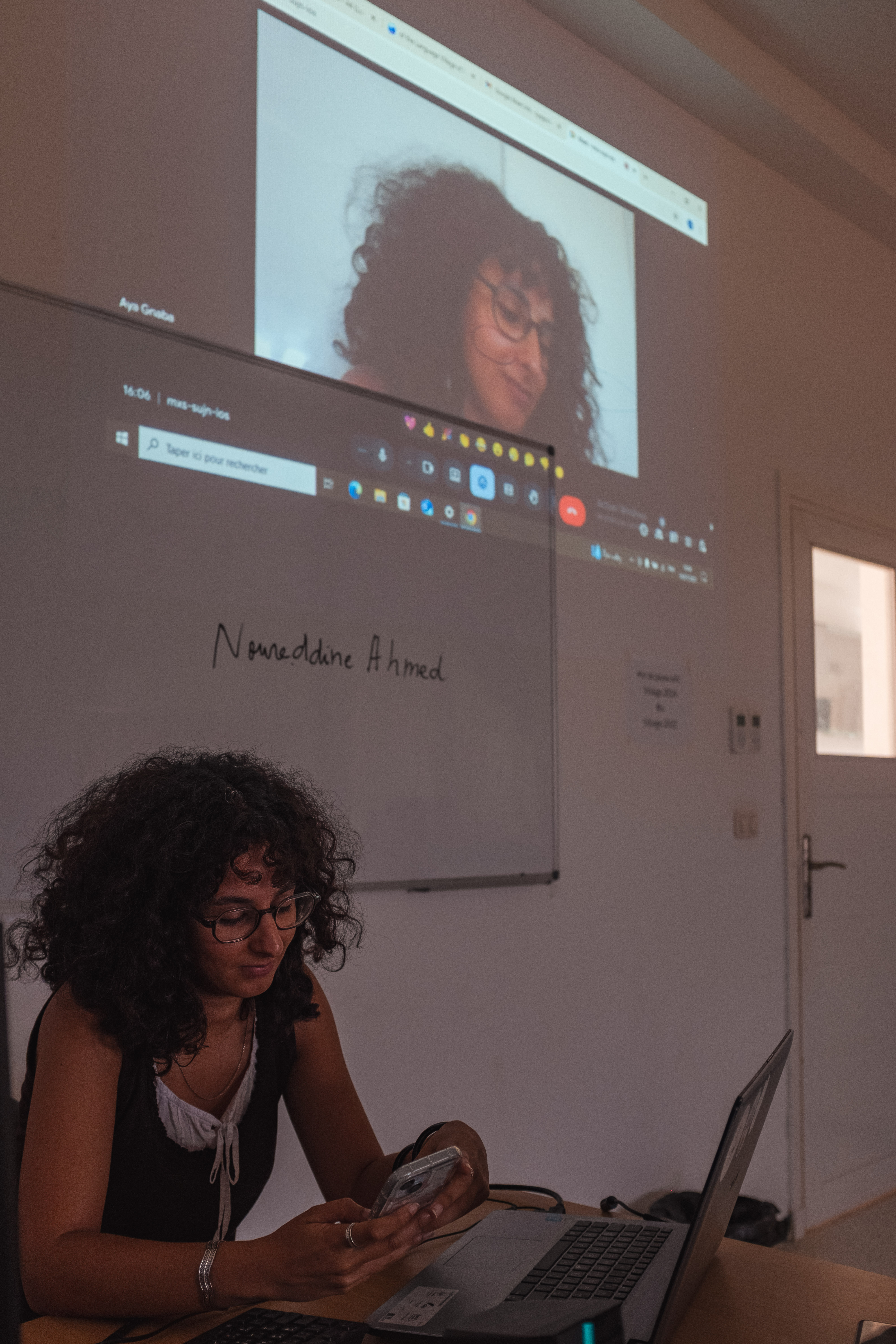
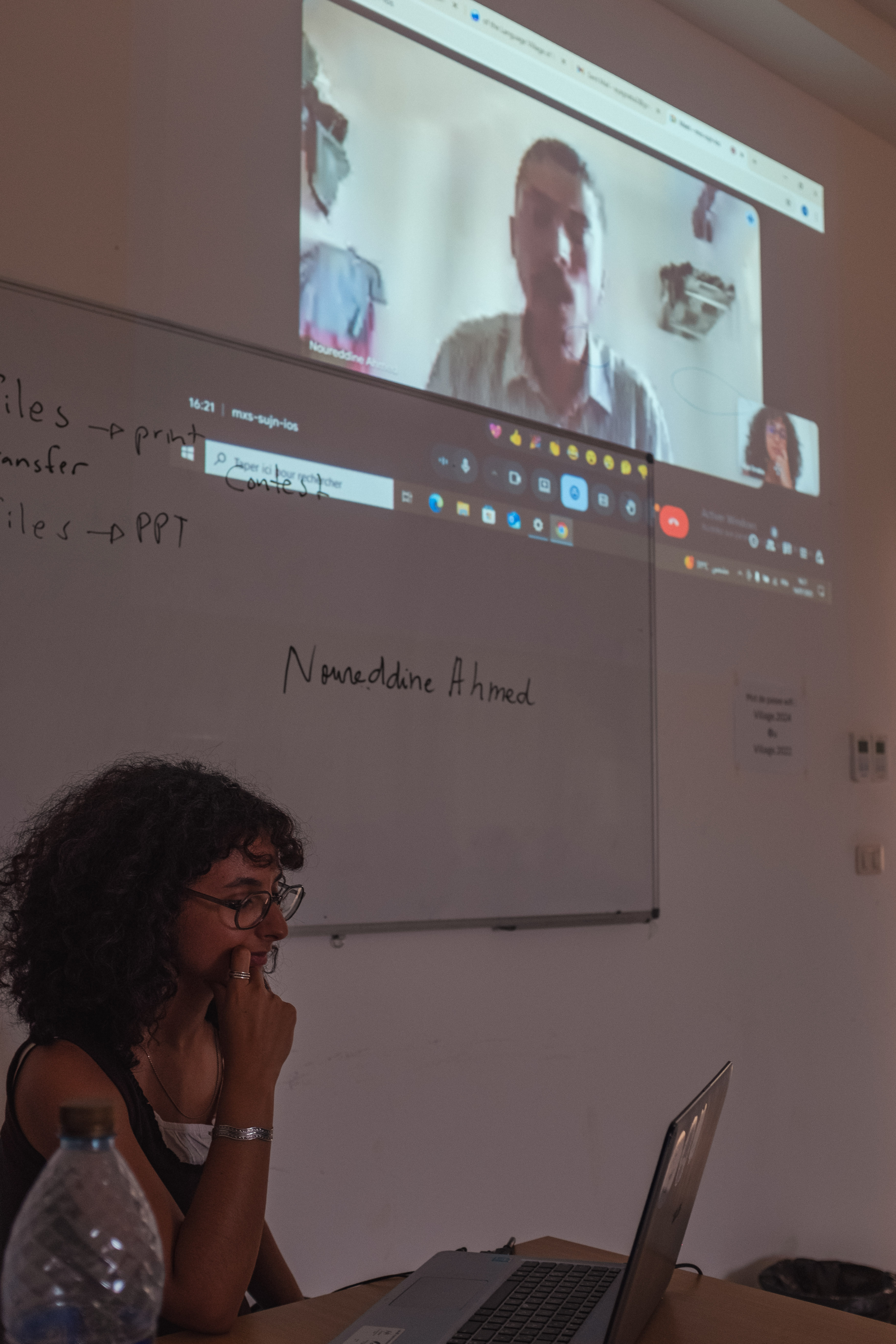
As part of the club, I also initiated a disposable film camera project, allowing each student to experiment with analog photography. This hands-on experience nurtured mindfulness, creative exploration, and a deeper appreciation for photographic methods. The U.S. Embassy in Tunisia generously funded the cameras and film development. Photography, accessible to most people through smartphones, was presented not only as an artistic pursuit but also as a means of personal expression and civic engagement. To deepen cultural understanding, the club’s guide, Aya Gnaba, introduced the work of Tunisian photographers, and students participated in a discussion with a local photojournalist Noureddine Ahmed, highlighting the role of photography in storytelling and social commentary.
In sum, the seminars and photography club directly supported the DoS goals by fostering mutual understanding and offering meaningful engagement with American language, values, and culture—while empowering Tunisian students to explore and express their own identities through education and the arts.
Project Deliverables
All deliverables administered at the Language Village of Mahdia
Seminar Workshops
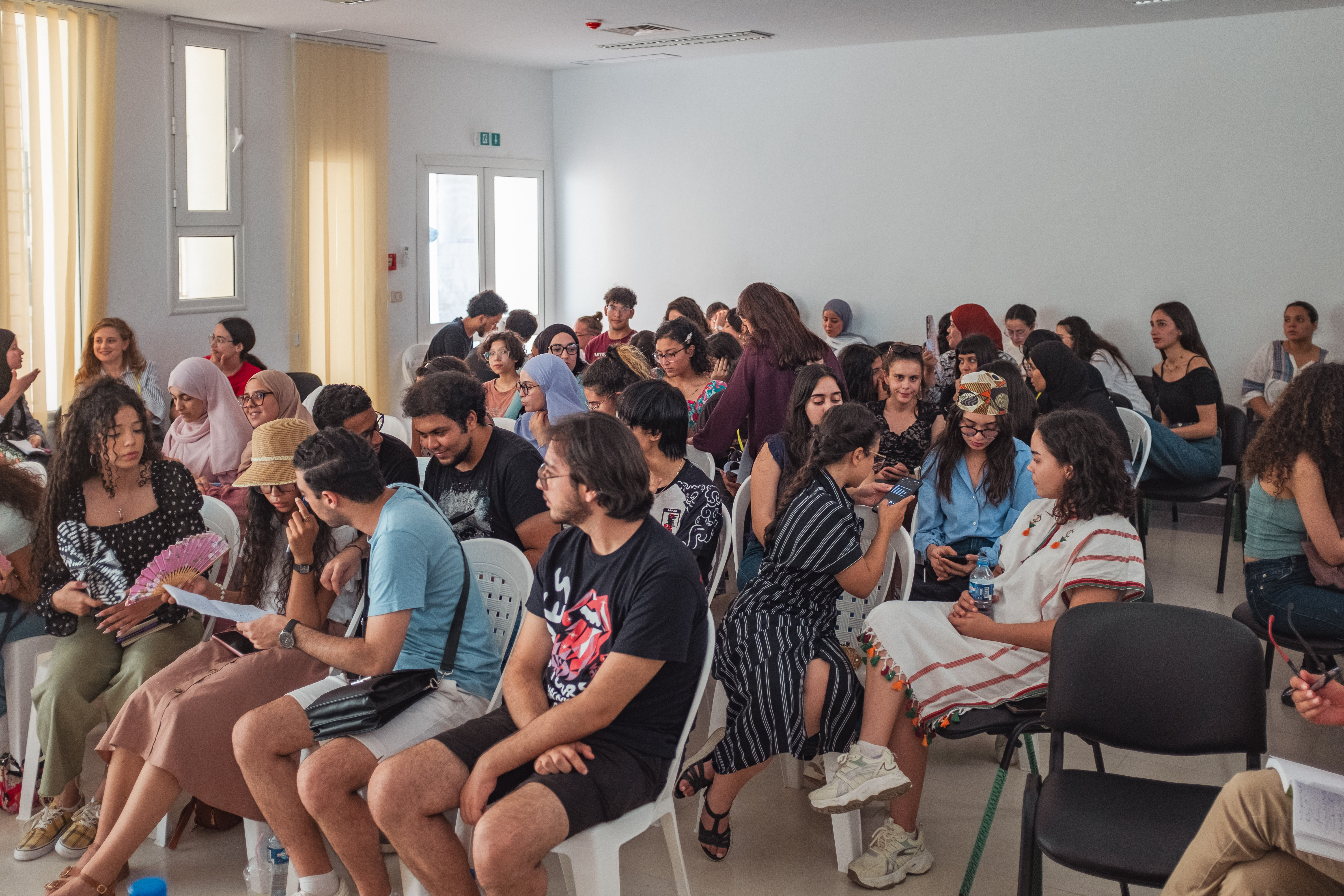
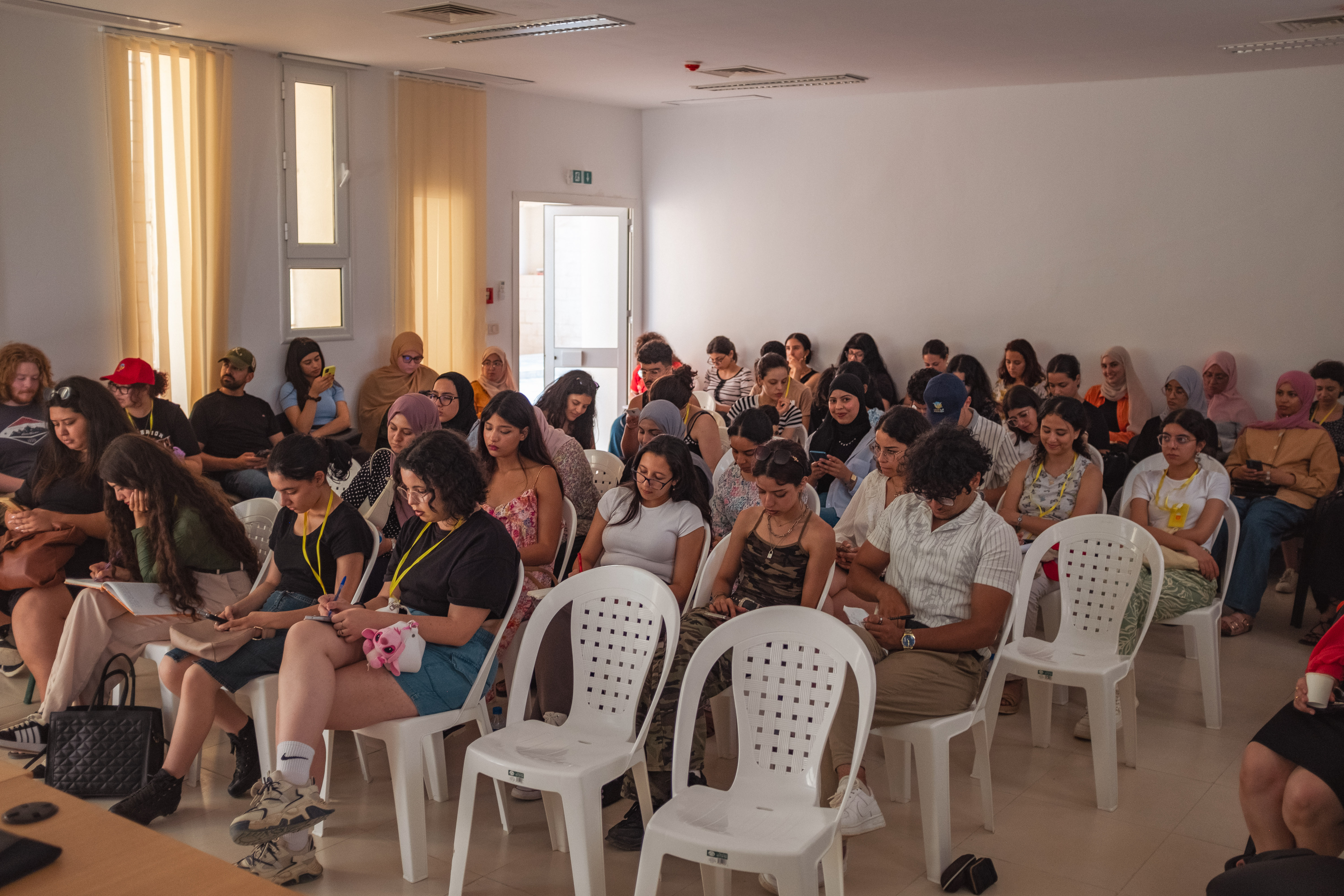
Three seminars (90–120 minutes), each delivered twice to groups of 60–70 participants (total: 120–130 participants):
- Say It Like a Local: American English Pronunciation Activities
- From Creative Thinking to Creative Doing: Integrating Creativity in Language Teaching
- Speak Like an Entrepreneur: Pitching, Networking, and Negotiating
Discussion Topic Classes
Two lessons (55 minutes), each delivered four times to groups of 15 participants (total: 60 participants):
- Entrepreneur or Intrapreneur: Start Up or Step Up?
- Brain Drain (lesson provided; not developed by me)
Additional lessons developed (but not delivered):
- Street Art: Graffiti or Urban Gallery?
- AI in Education: Green Flag or Red Flag?
Soft Skills Classes
Two lessons (55 minutes), each delivered four times to groups of 15 participants (total: 60 participants):
- Goal Setting: Small Steps, Big Dreams, Clear Mission
- Handling Disputes (lesson provided; not developed by me)
Additional lesson developed (but not delivered):
- Active Listening: Hear, Understand, Connect
Photography Club
Eight sessions (90–120 minutes) with 14 participants and one local guide:
- Introductory Meeting
- Intro to Tunisian Photographers
- Lesson #1 – Composition
- Light & Shadows
- Student Photograph Sharing
- Tunisian Photographers (Part 2)
- Lesson #2 – Lighting
- Activity – How to Use Snapseed
- Portrait Photography
- Student Photograph Sharing
- Tunisian Portrait Photographers
- Lesson #3 – Portrait Photography
- Activity – Portrait Circuit
- Experimental Photography
- Student Photograph Sharing
- Tunisian Experimental Photographs
- Lesson #4 – Experimental Elements
- Activity – Experimental Circuit
- Photojournalism
- Student Photograph Sharing
- Activity – Interview with a Tunisia photojournalist
- Creating a Scene
- Activity – Using Objects to Create a Scene
- Note: This day’s session was a substitution for street photography because the outside temperature was too high.
- Photo Exhibition Preparation
- Students had to produce the following:
- Three print photographs from students
- Personal statement (Name, photography title, and short statement)
- Unlimited digital photographs on the club slideshow on Google Slide
- Students had to produce the following:
- Final Exhibition – Students showcased selected photographs taken throughout the program
Possible Add-ons to Project
All of my materials—including seminar presentations, lesson plans, instructional slide decks, and the photography club presentation—will be shared with the hosting U.S. Embassy for their archives, potential publicity, and future training initiatives. These resources, designed with clarity and adaptability in mind, may serve as models for future English Language Specialist projects or locally organized workshops. By contributing these materials, I aim to support continued collaboration and sustainable educational development with all project stakeholders.
To extend the reach and impact of the seminar series, recorded or virtual versions of each session could be developed for asynchronous access. These videos—centered on creativity, communication, and entrepreneurship—could be paired with downloadable resources and reflection prompts, allowing students and educators across Tunisia to engage with the content at their own pace.
Additionally, the photographs from the disposable camera project, created during the photography club sessions, will be compiled and shared with participating students, the Language Village of Mahdia (LVM), and the Tunisian Embassy. This collection highlights students’ creativity and unique perspectives, and sharing it reinforces values of cultural appreciation, artistic ownership, and mutual exchange. The analog format also invites reflection on creative process and intentionality.
As a continuation of the Photography Club, a curated online or in-country exhibition could showcase students’ digital and analog photographs, supported by short artist statements to foster cross-cultural dialogue.
Finally, I am happy to create a short report for the LVM team with recommendations to improve the experience for future English Specialists, native speaker guests, and Tunisian student participants alike.
Lesson(s) Learned
Prepare as Much as Possible
Before my deployment in July, I had the full month of June to prepare. This time allowed me to develop my seminars, lesson plans, and—at least partially—plan the photography club sessions. Although the host institution’s expectations were not always explicitly communicated, my advance preparation proved more than sufficient. It gave me breathing room during the fast-paced schedule once in-country. If selected for another English Language Specialist (ELS) project, I will continue to prepare as much as possible in advance. Doing so enables me to be more relaxed, adaptable, and present while on site.
Get to Know the Other English Language Specialist(s)
Prior to the project, I had several meetings with fellow English Language Specialist Mina Gavell. She and I were the perfect pairing in terms of experience, personality, and sense of humor. Having her as a collaborator was invaluable—I deeply appreciated her expertise, perspective, and presence. Being able to connect and commiserate with her both before and during the program helped ground and motivate me. While I understand that such pairings are not always possible on ELS projects, it was an enormous benefit for my first assignment.
Anticipate Your Medical Risks
During the project, I experienced a brief episode of food poisoning or a stomach-related illness. In the future, I plan to bring a small personal medical kit that includes activated charcoal tablets, Imodium, and electrolyte supplements. I also experienced some minor skin irritation on my legs, likely due to a combination of humidity, mosquito bites, and swimming in the ocean. To address this, I will include aloe vera and chamomile lotion in my travel supplies.
Bring a Teacher’s Supply Kit (Just in Case)
Finally, while teaching, I noted a few basic classroom materials that would have made certain activities easier to carry out. For future projects, I plan to pack a small teaching kit with dry-erase markers, sticky notes, masking or painter’s tape, scissors, and sidewalk chalk.
Final Feedback
I am extremely satisfied with the support I received during the Language Village of Mahdia in Mahdia, Tunisia. Throughout the assignment, I felt well-prepared and consistently supported. The partnering organization demonstrated genuine concern for my well-being and showed clear appreciation for my involvement. The U.S. Embassy acted with the highest level of professionalism regarding my safety, and both the RELO and GU/CIED provided clear and timely guidance on all project-related matters. Overall, I found this to be an exceptionally well-curated and rewarding experience.
My only comment is that I sincerely hope the English Language Programs and the English Language Specialist initiative continue in the future. After this experience, I have come to fully appreciate the importance of these projects in supporting U.S. soft diplomacy efforts. I strongly encourage the allocation of continued federal funding in future cycles to ensure that more of these impactful initiatives can take place.
Images from Project
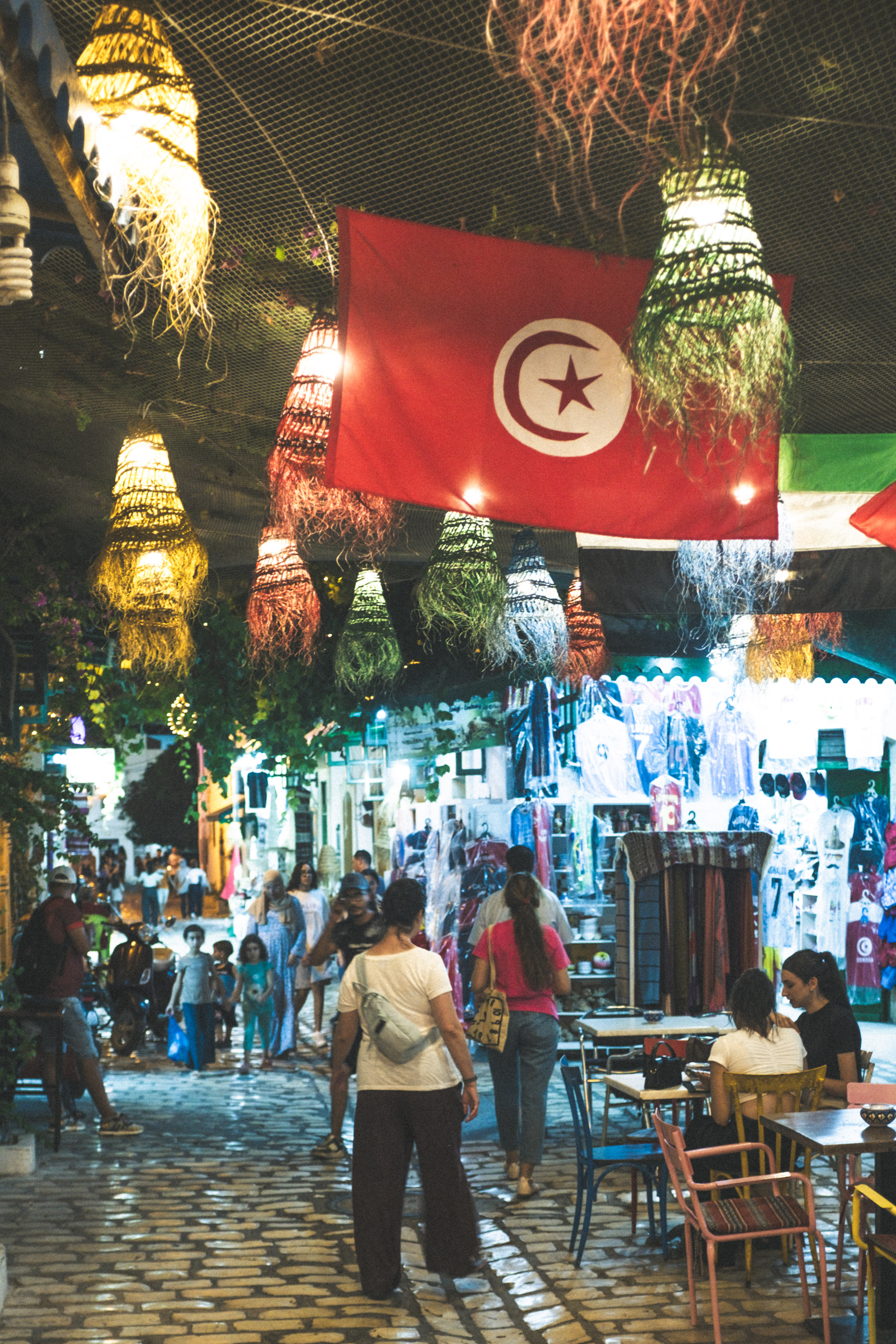
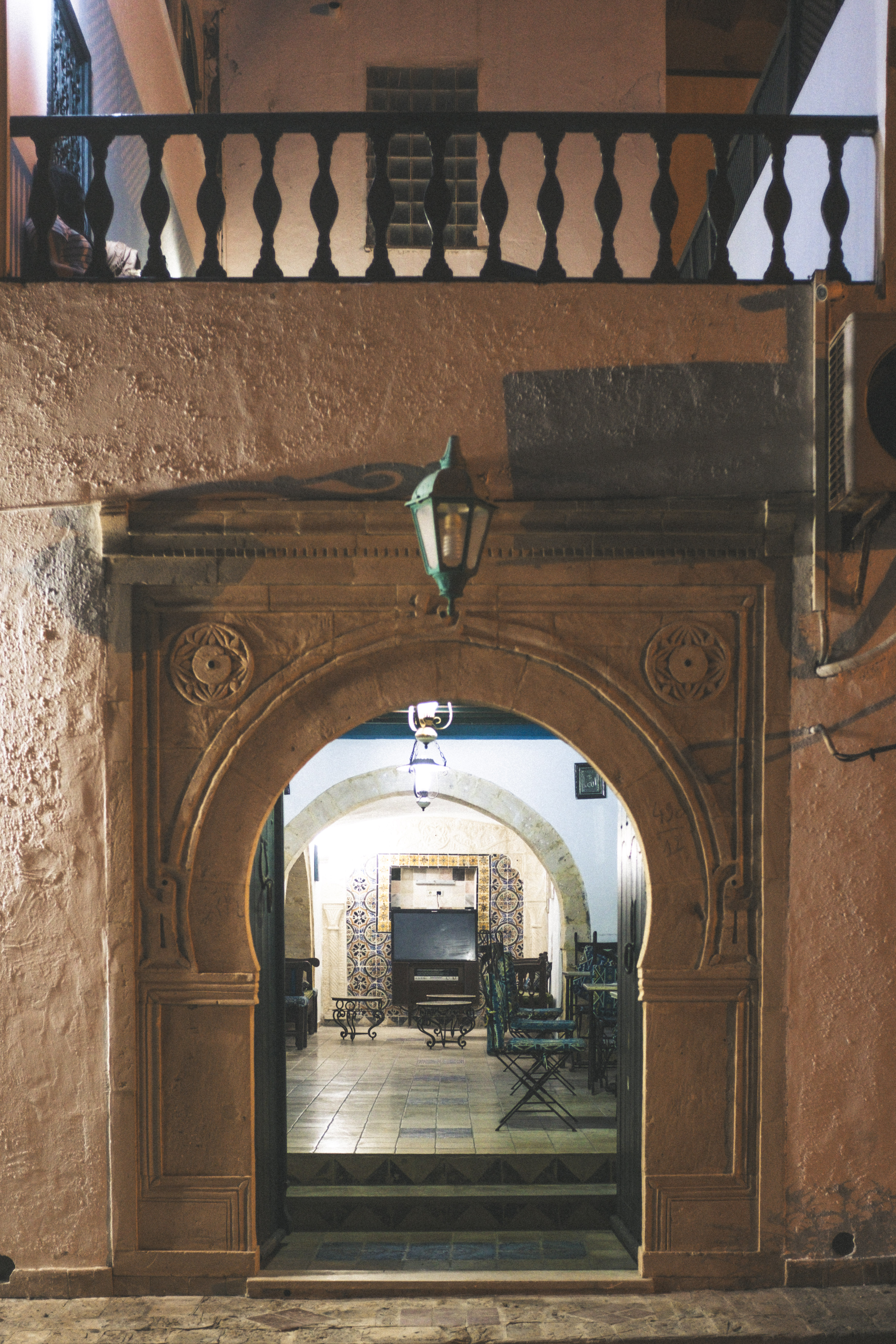
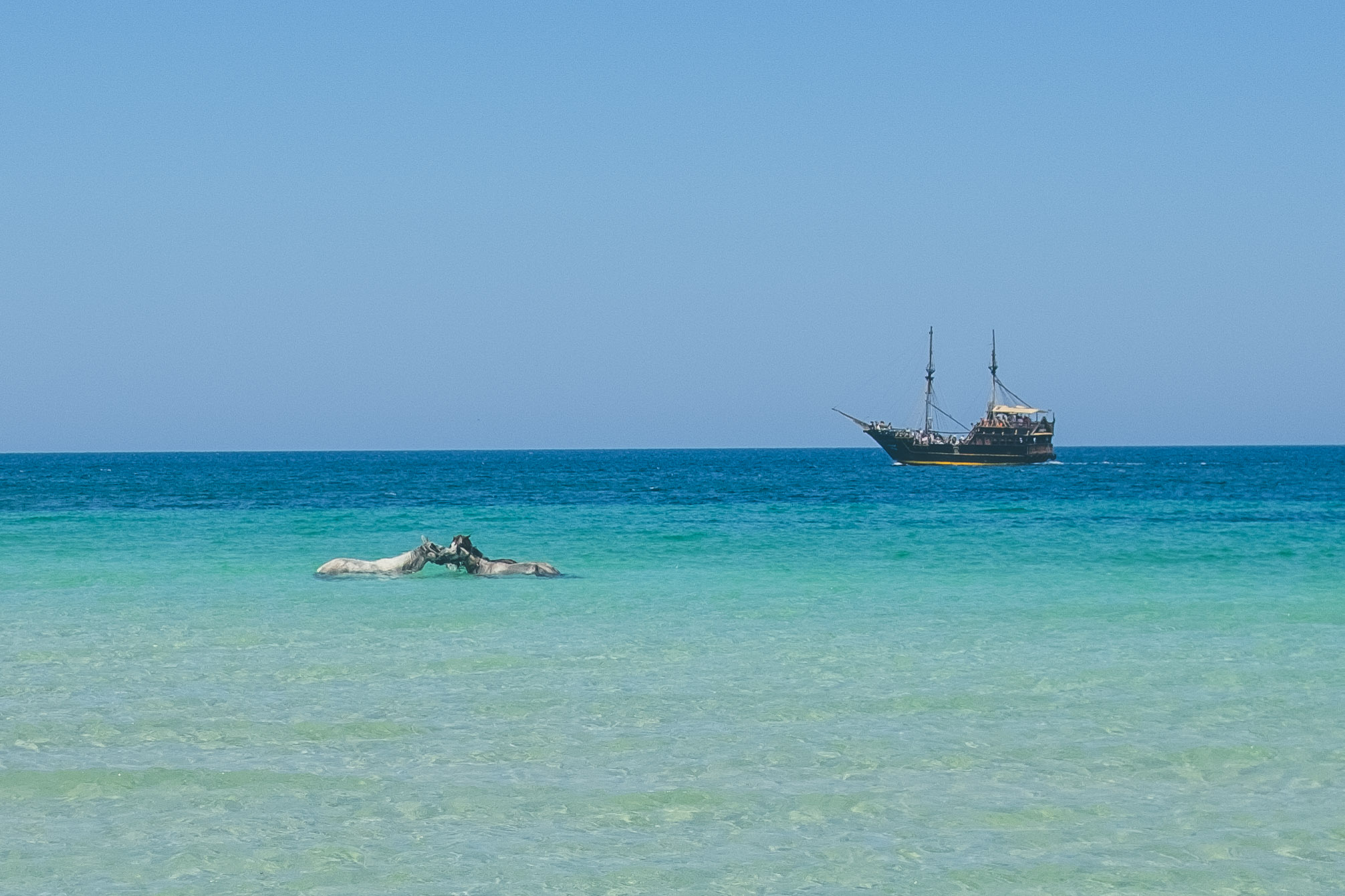
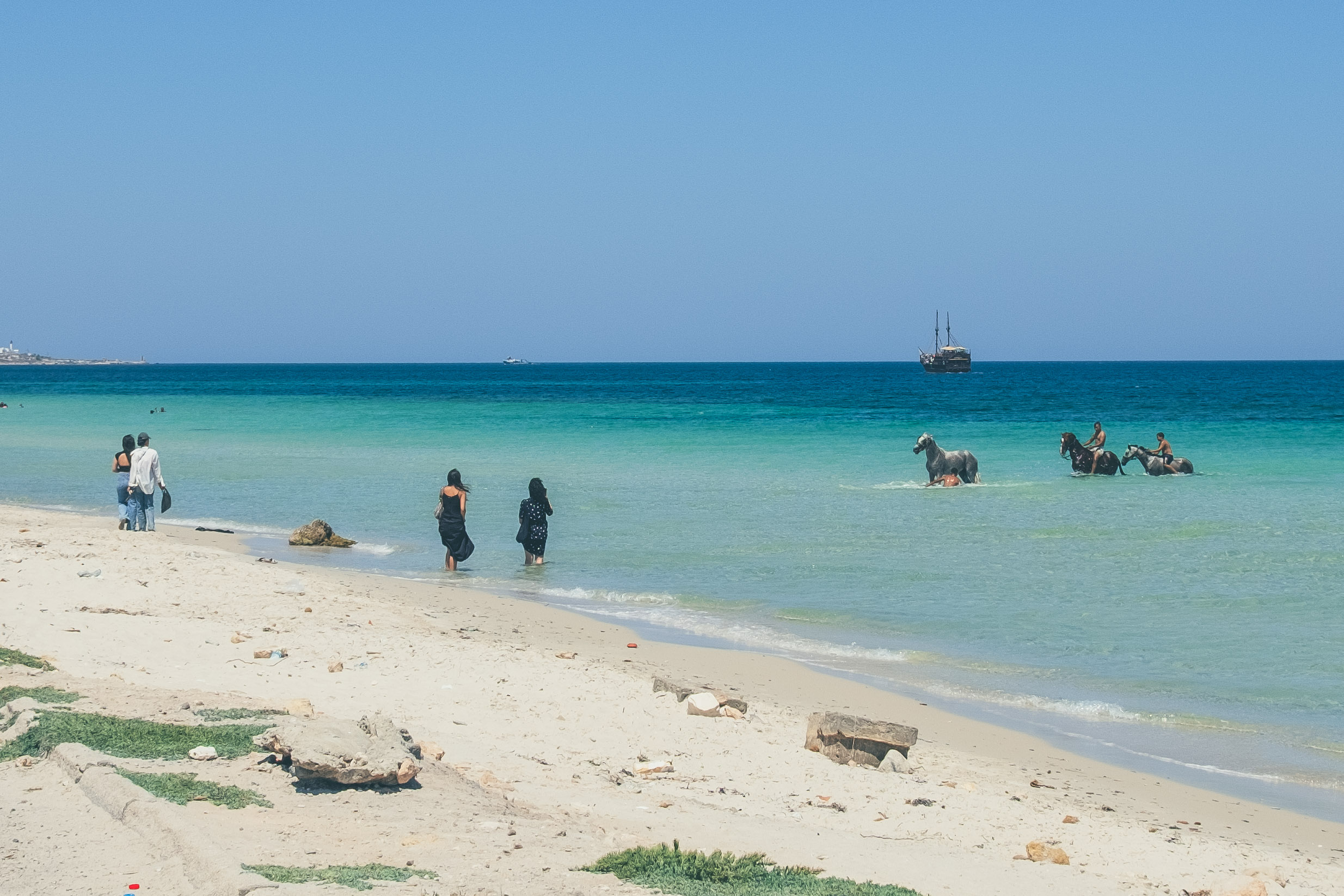
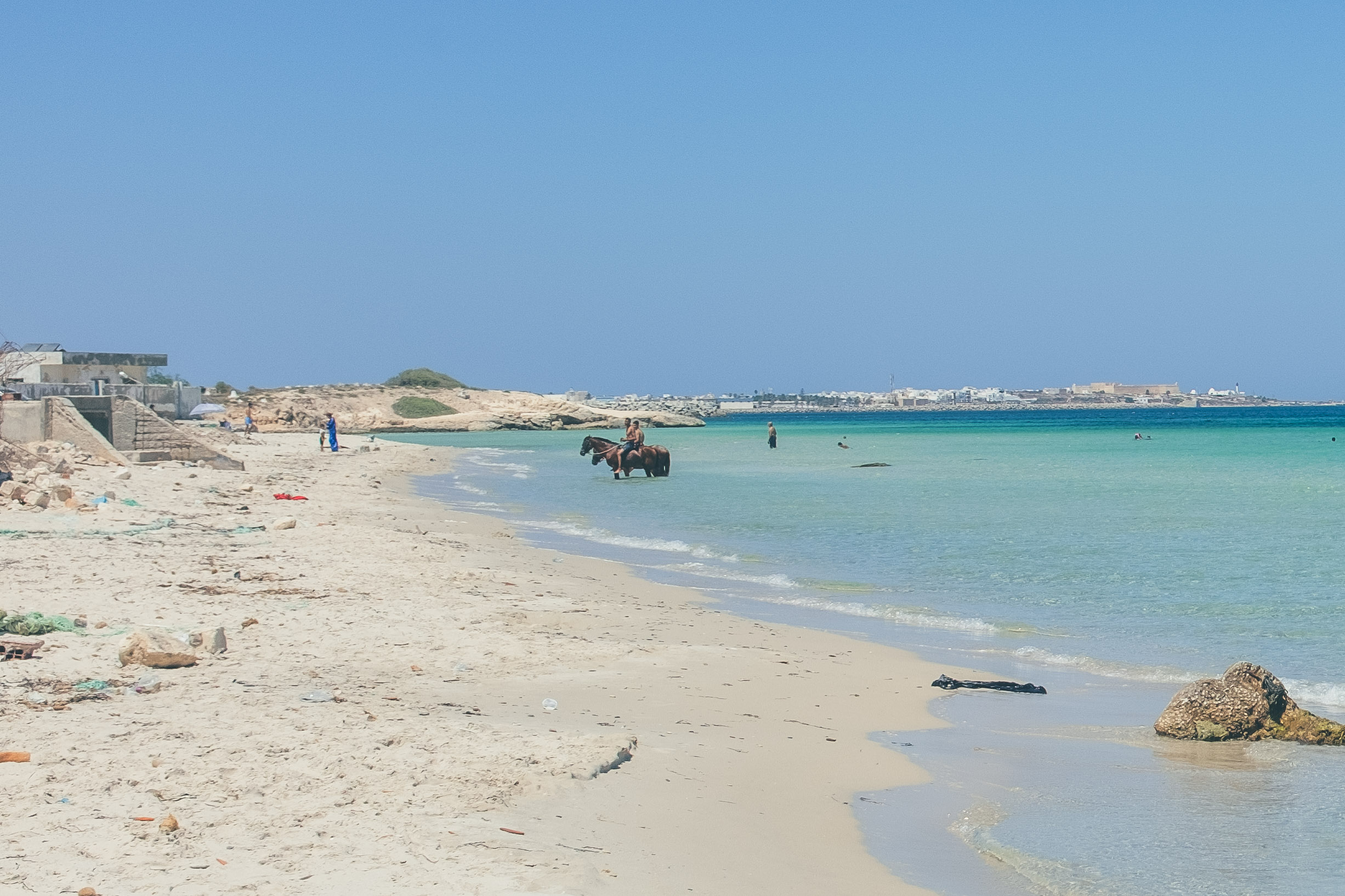
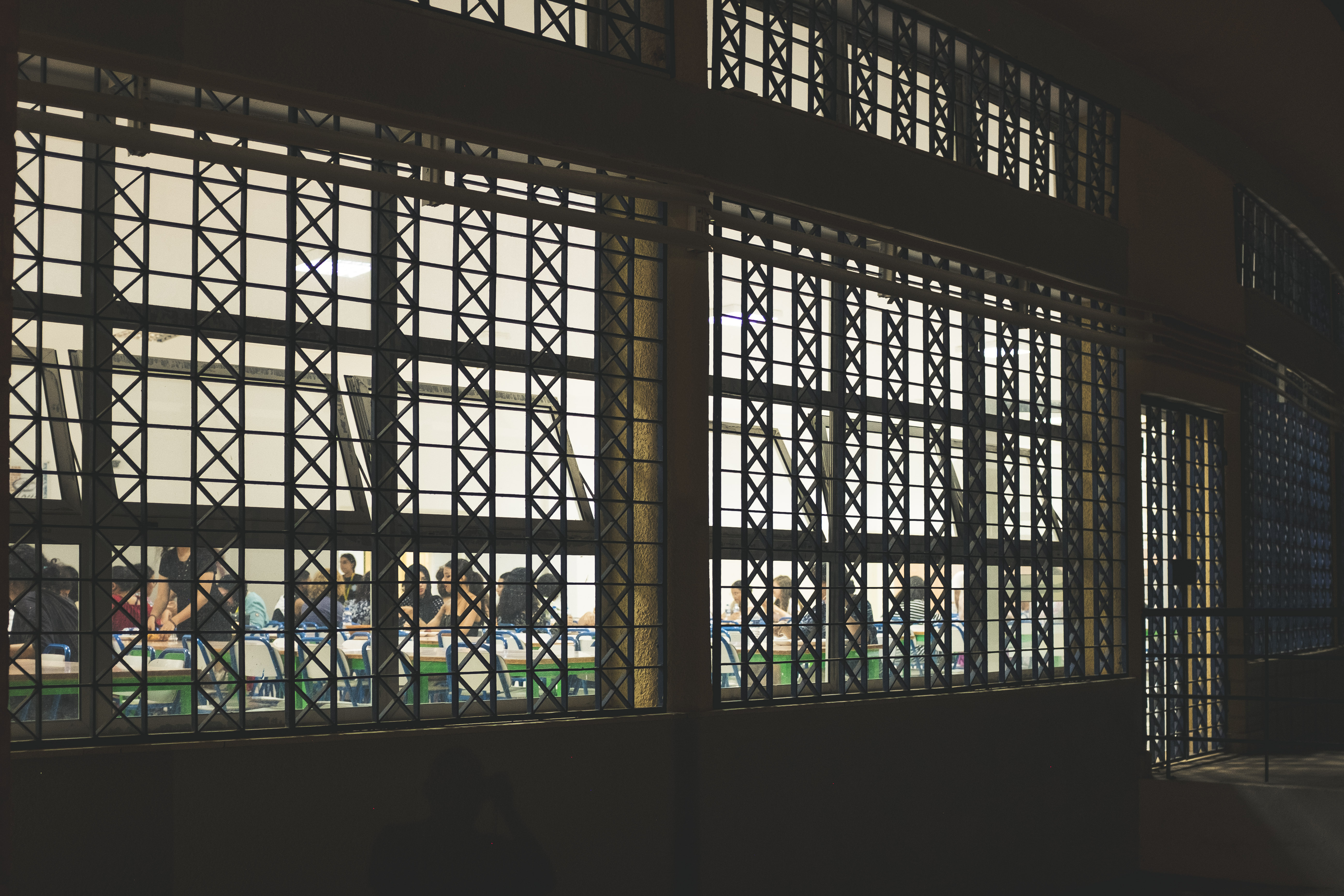
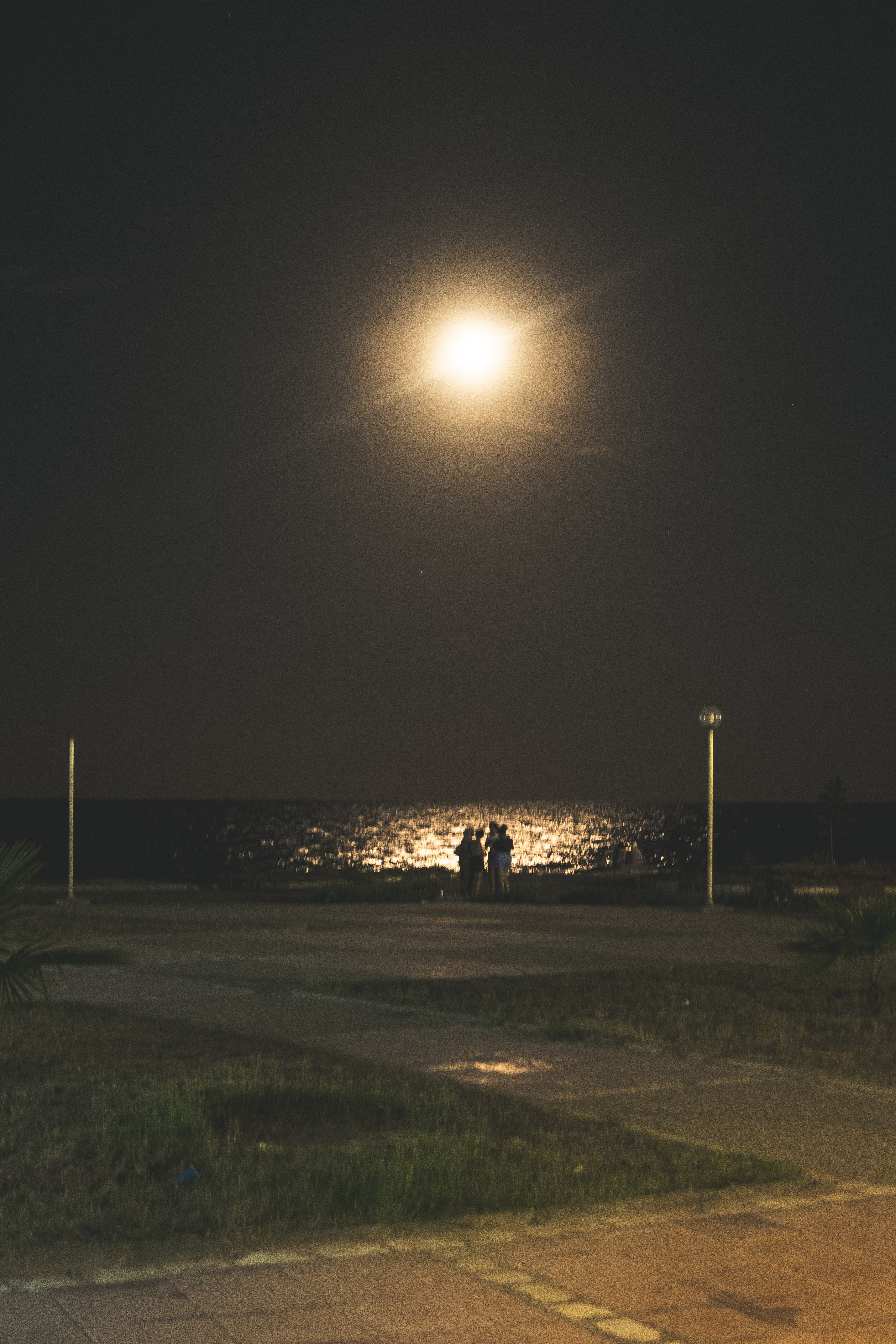
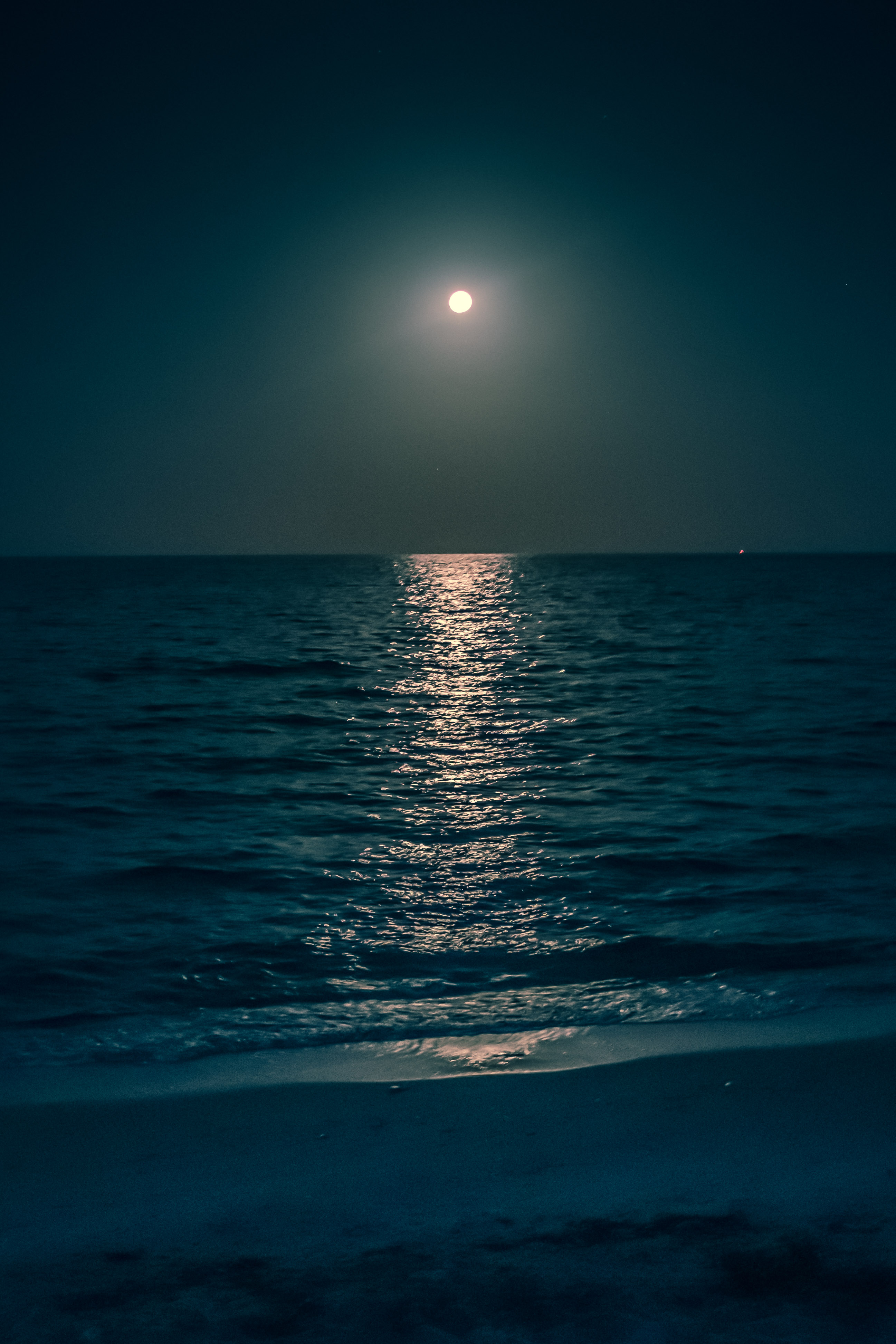
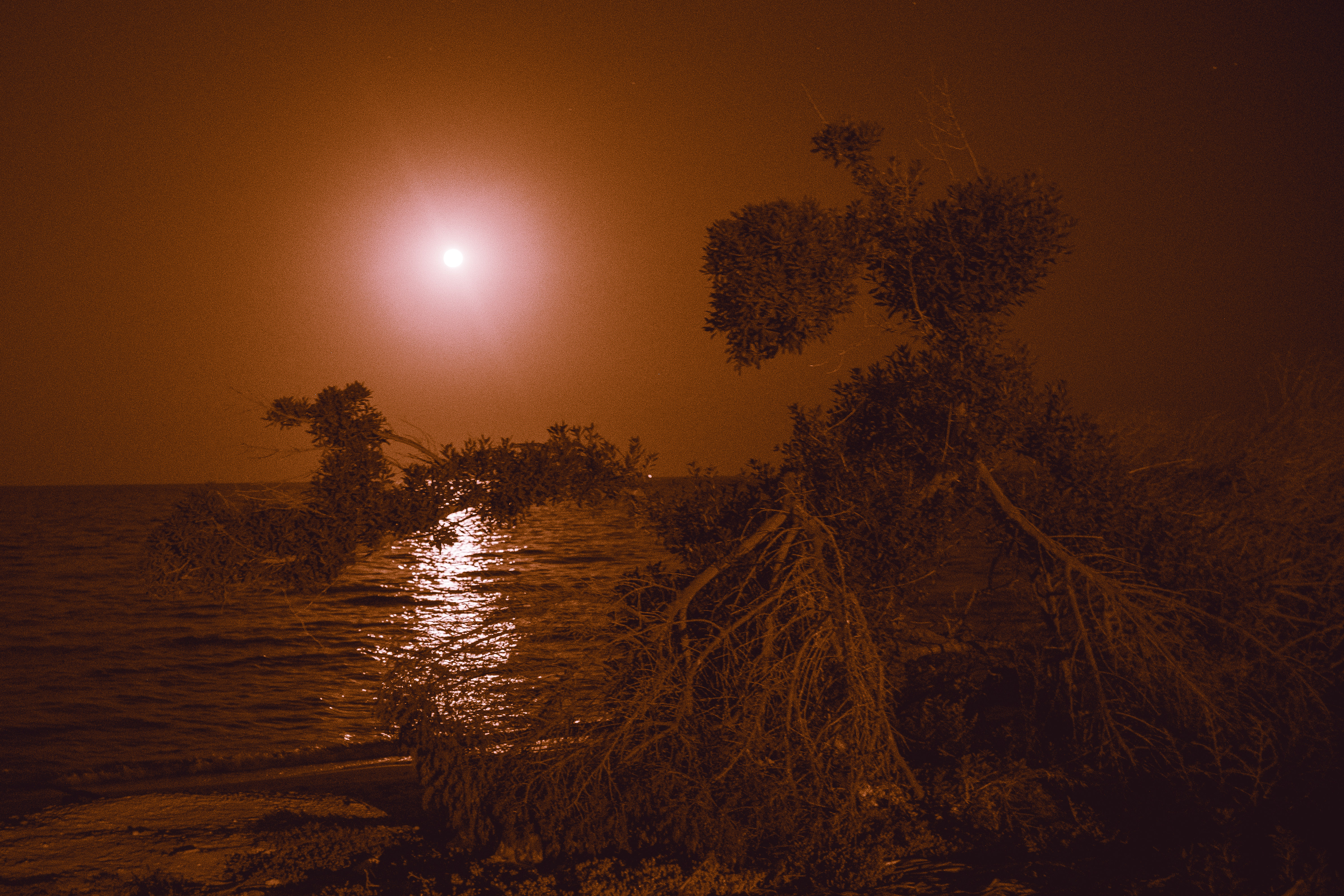
Mahdia, Tunisia

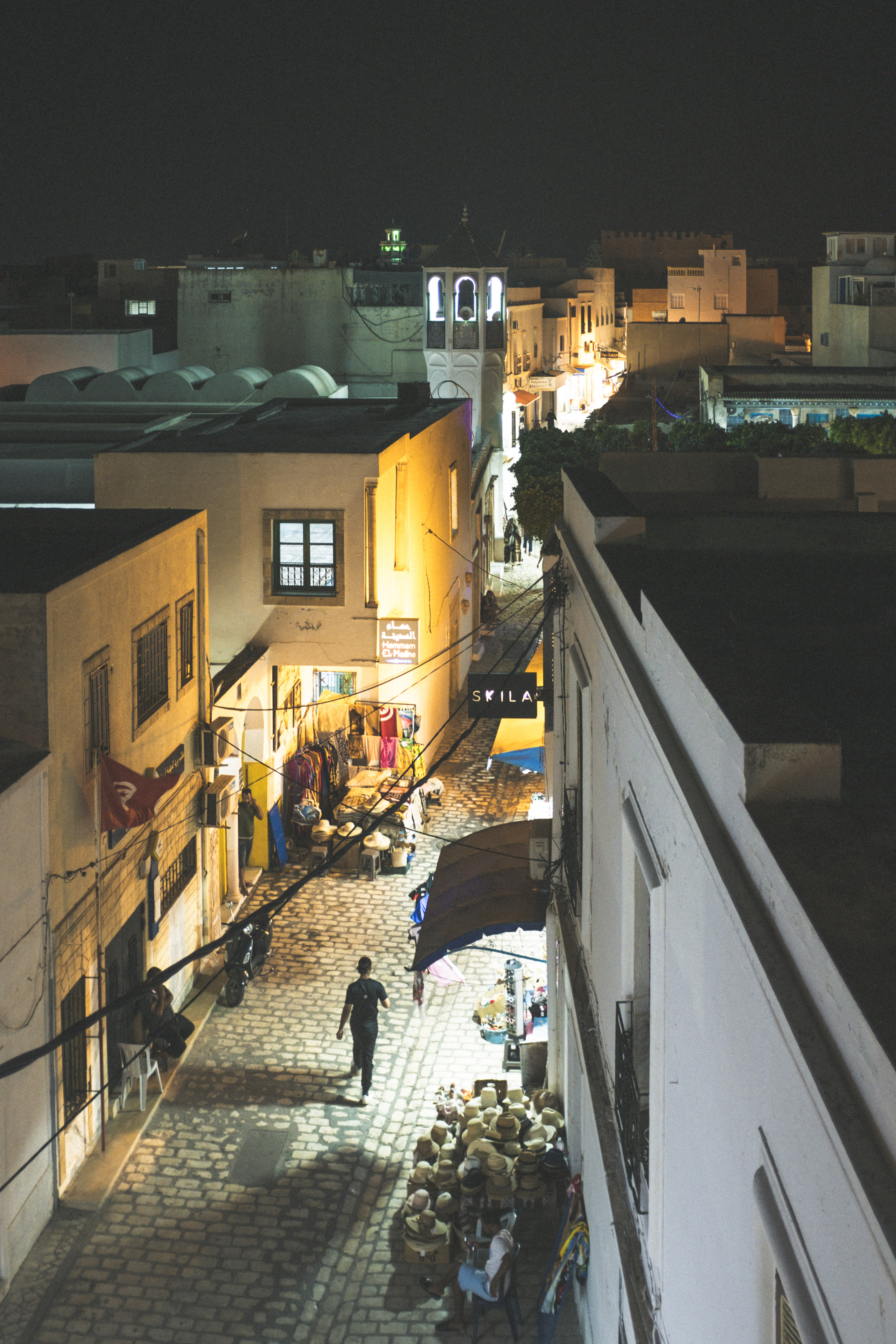

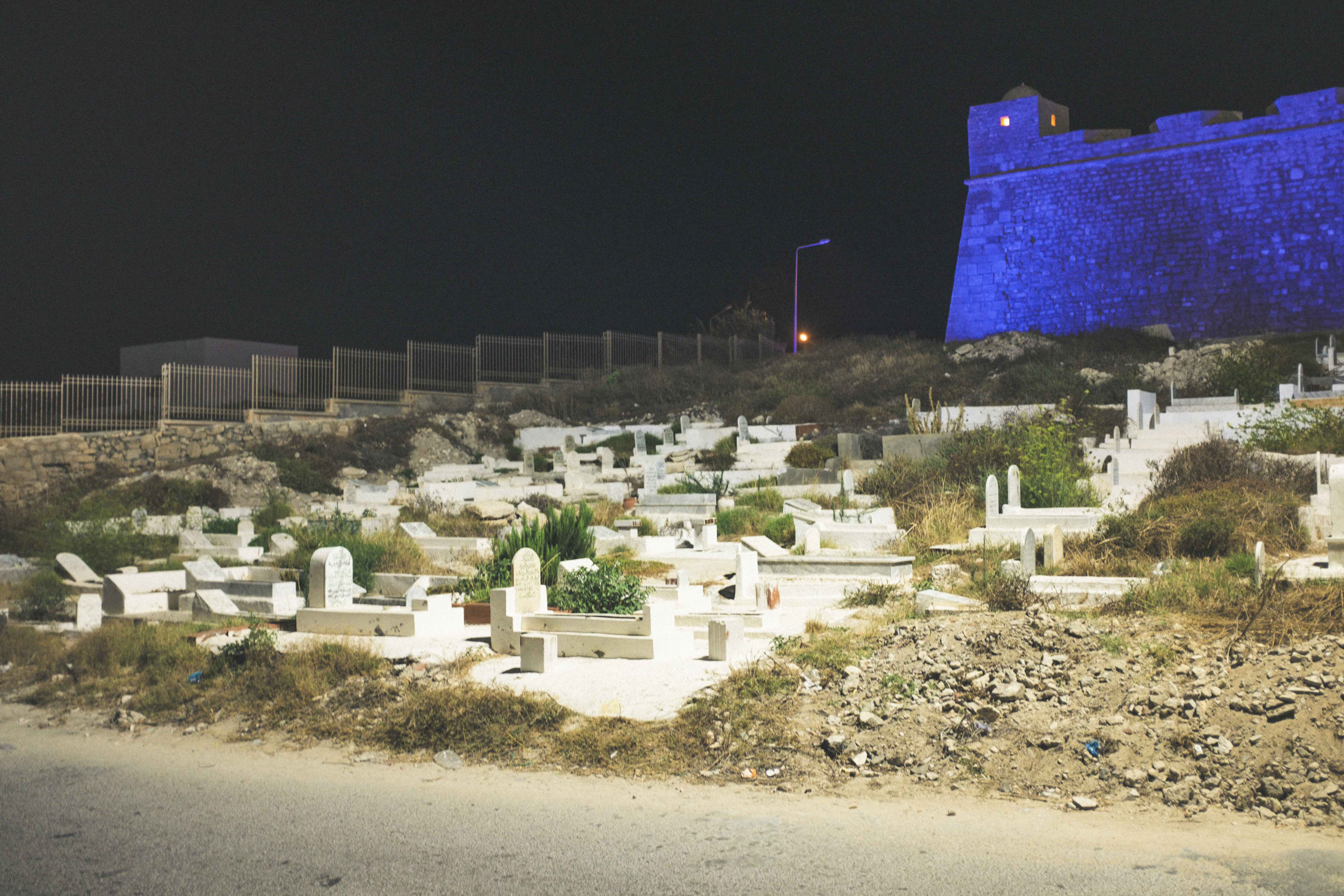
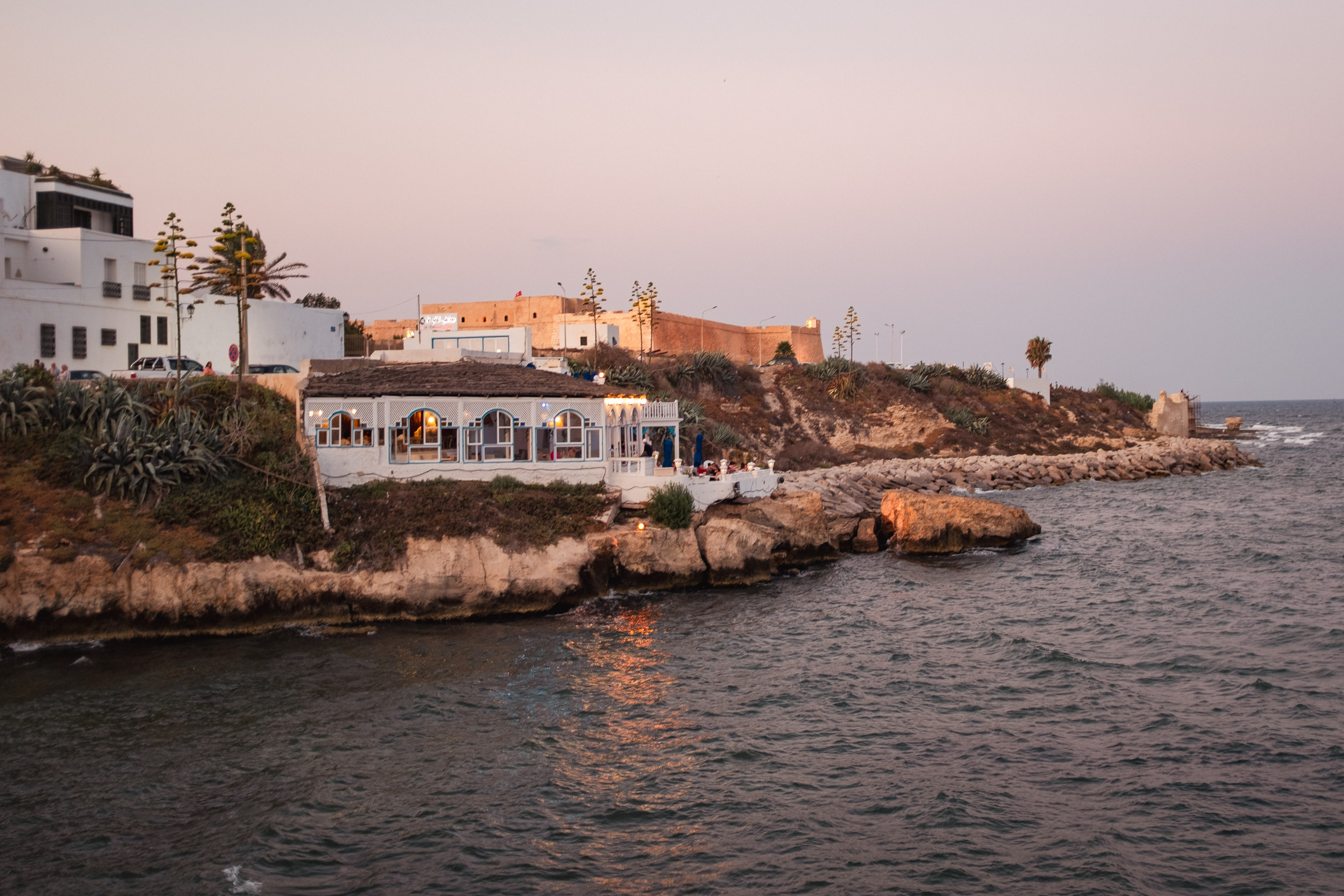
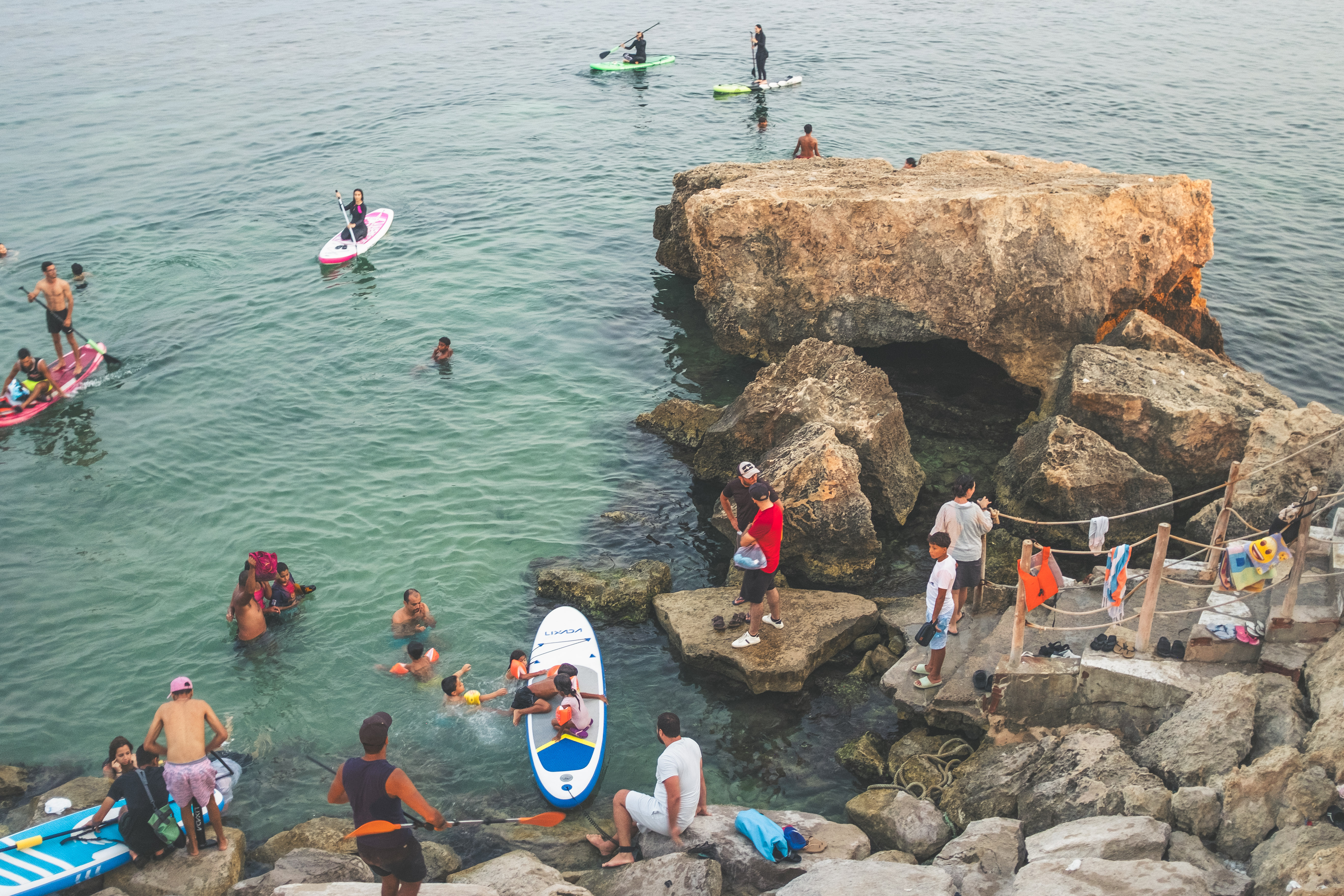
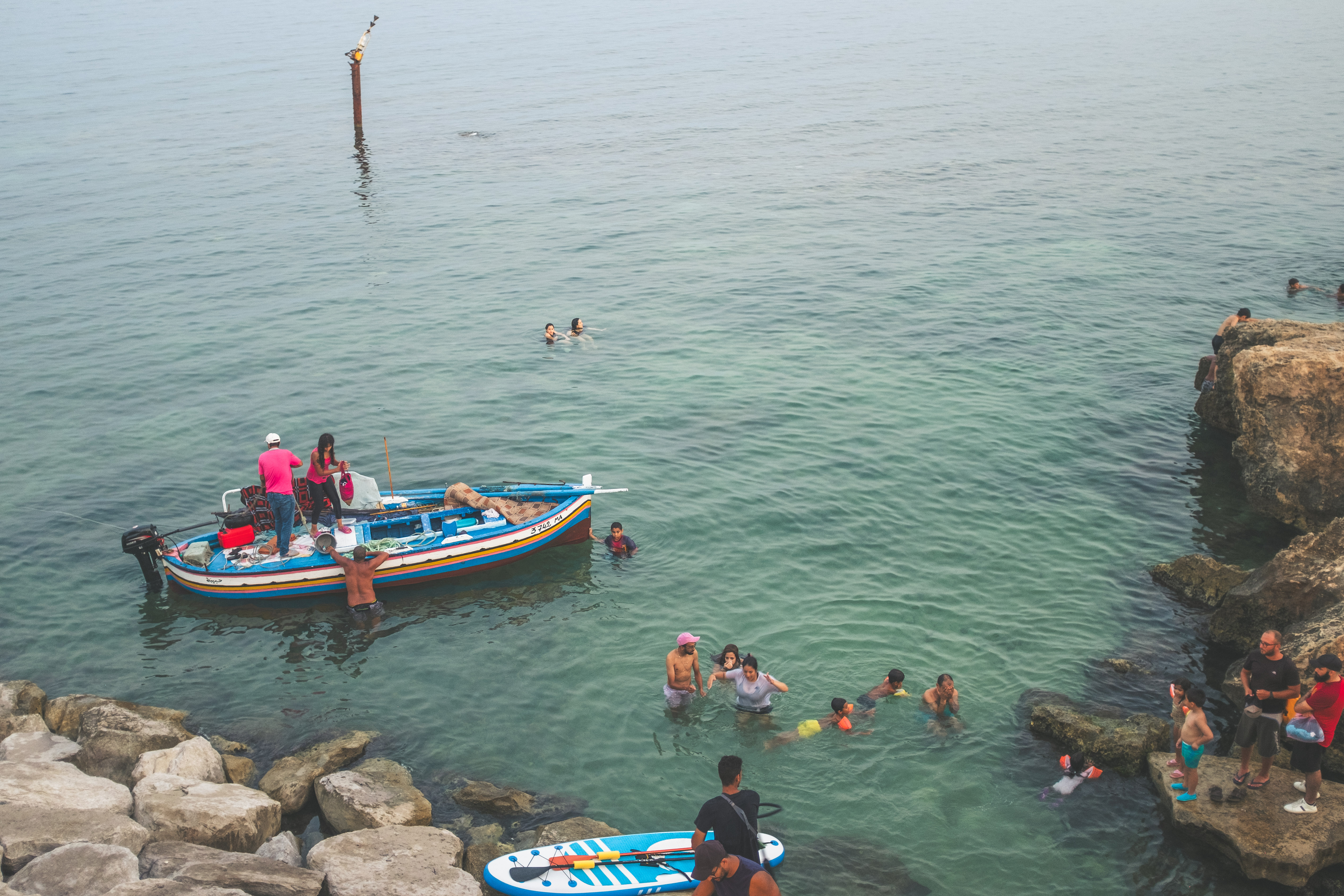
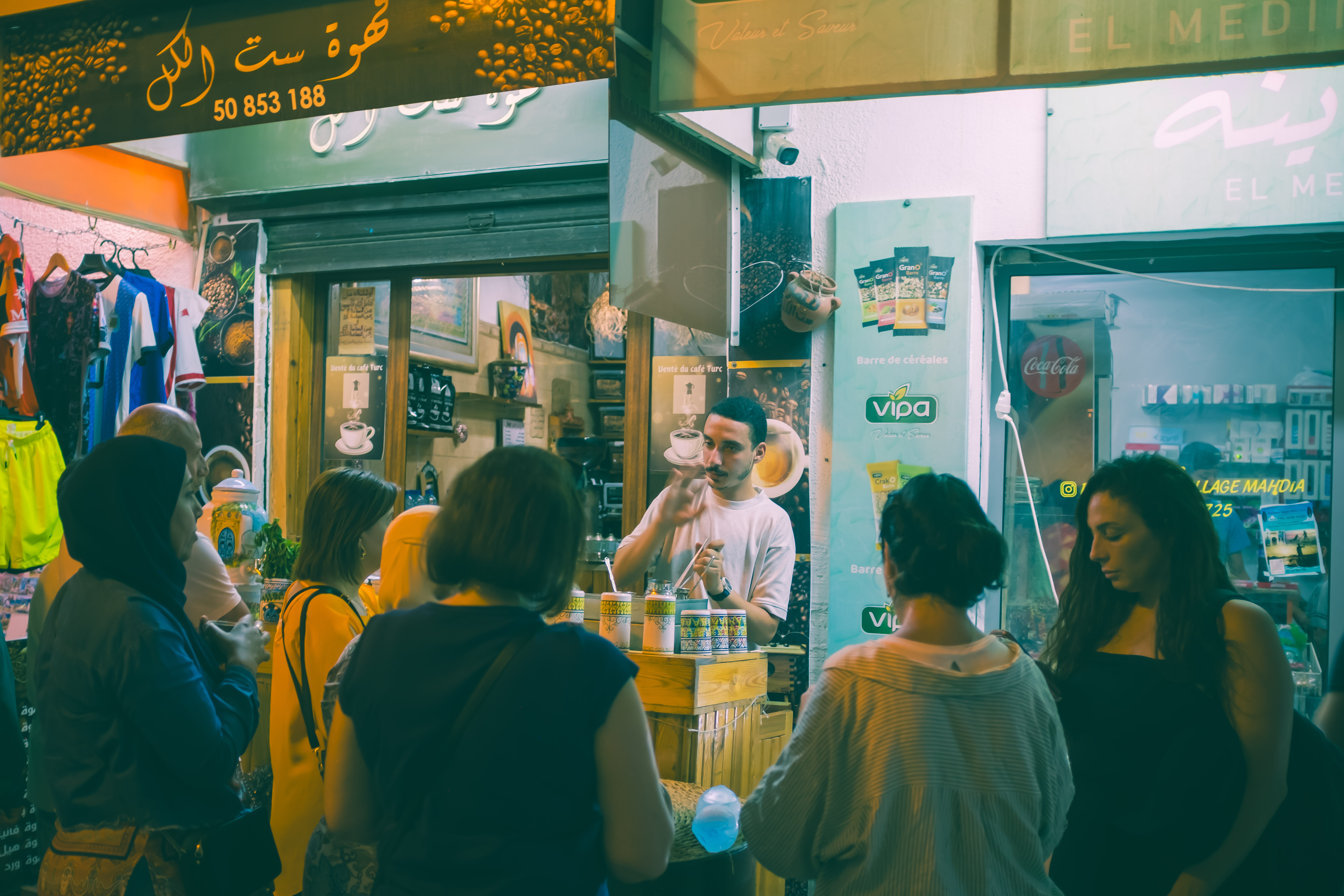
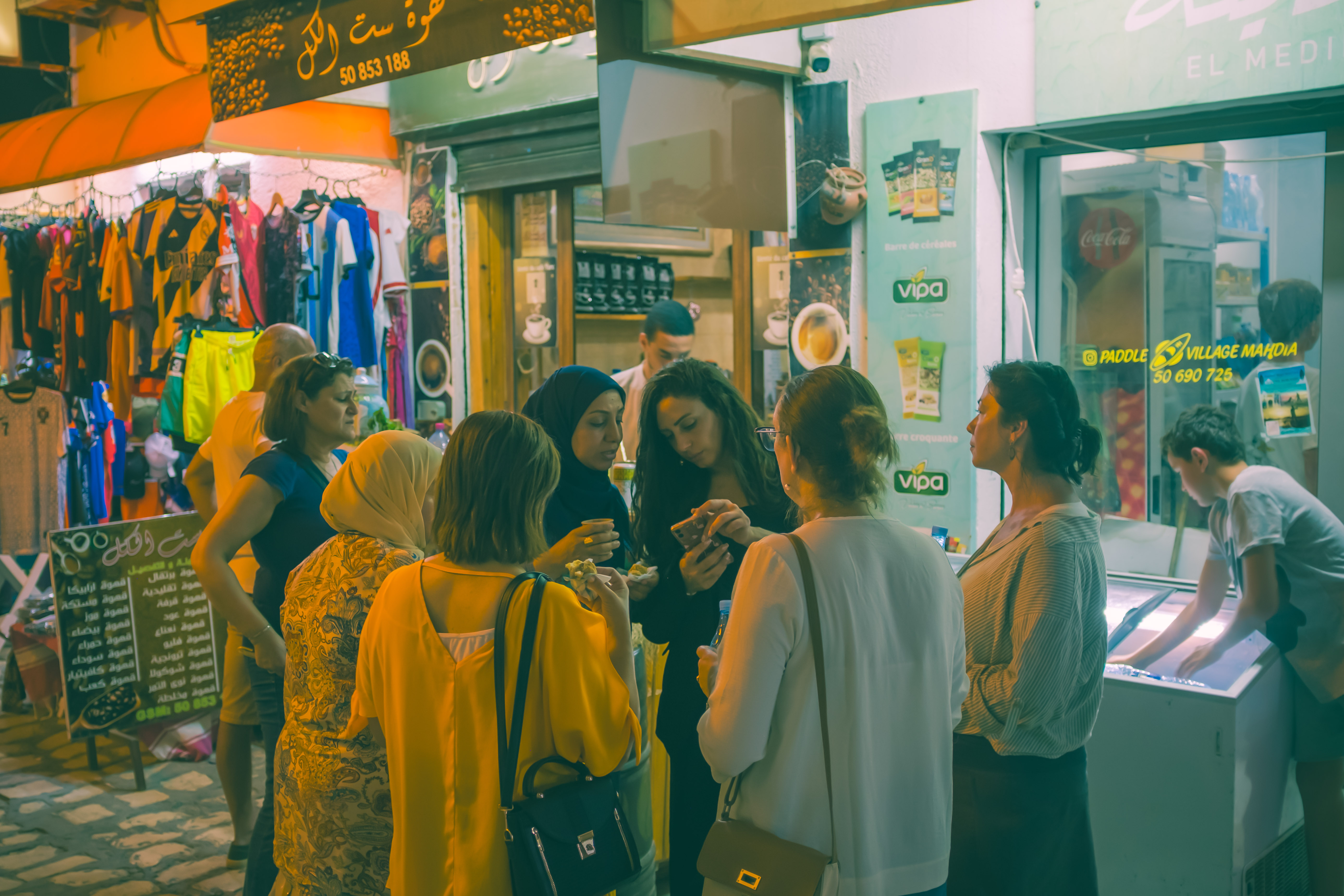
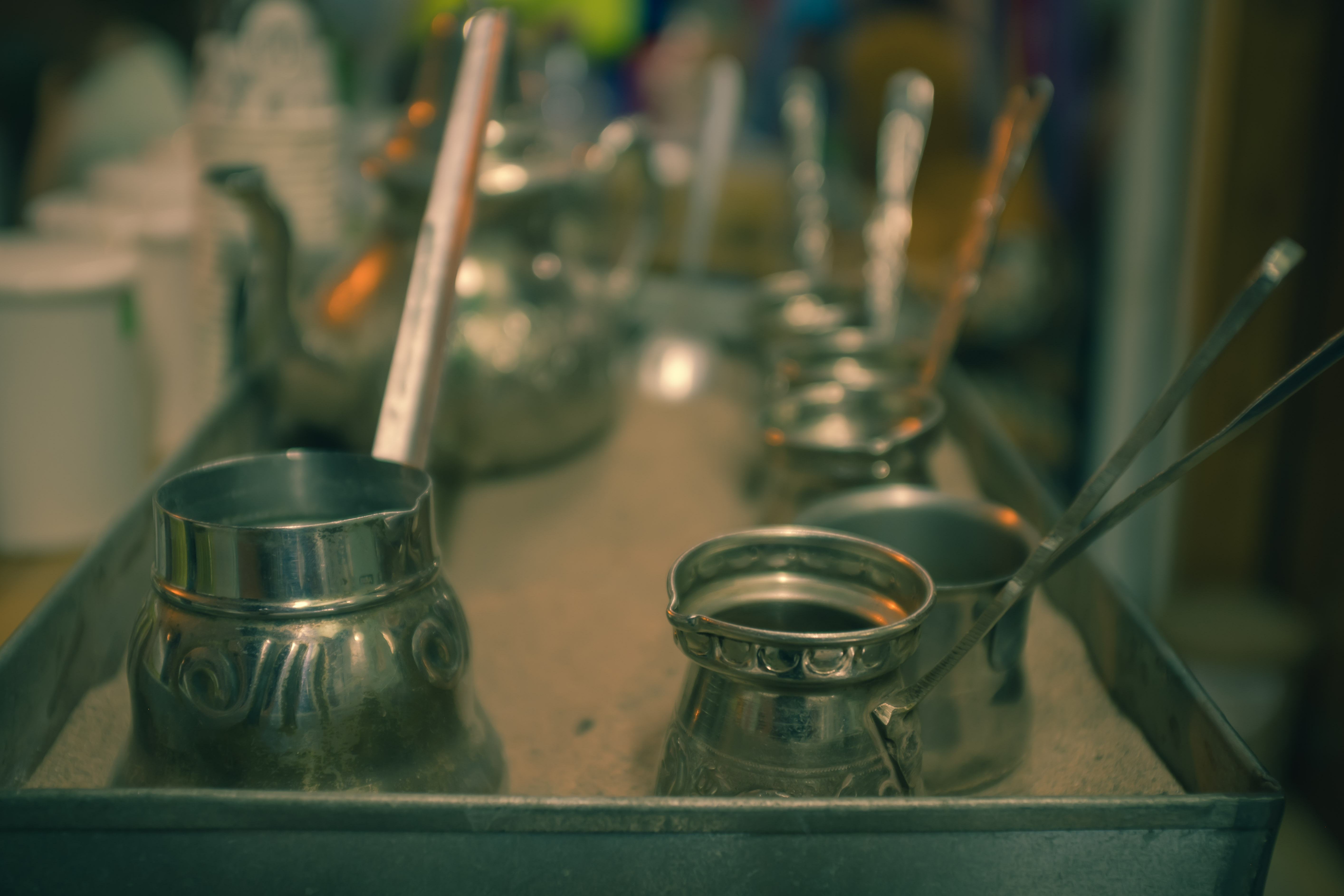
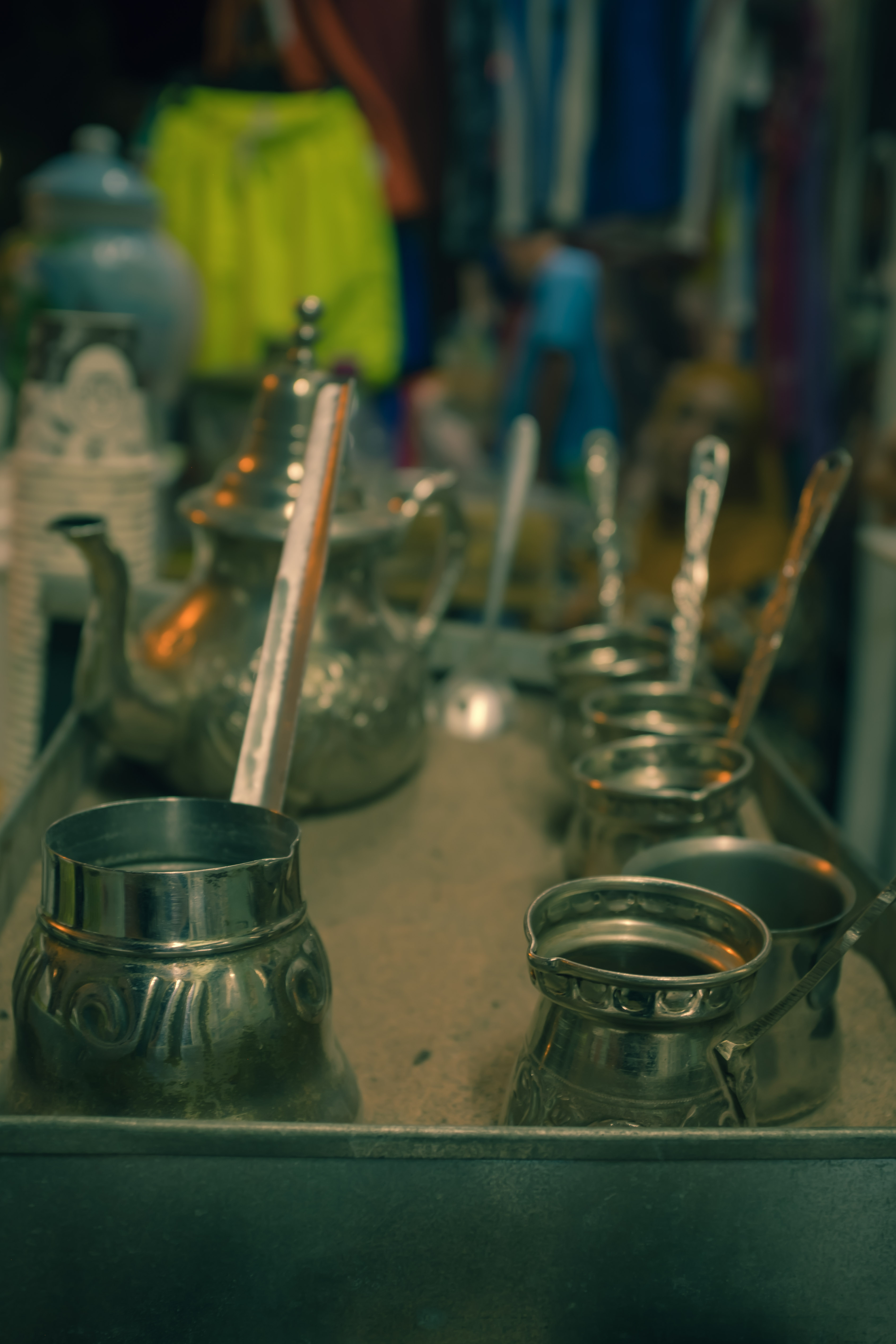
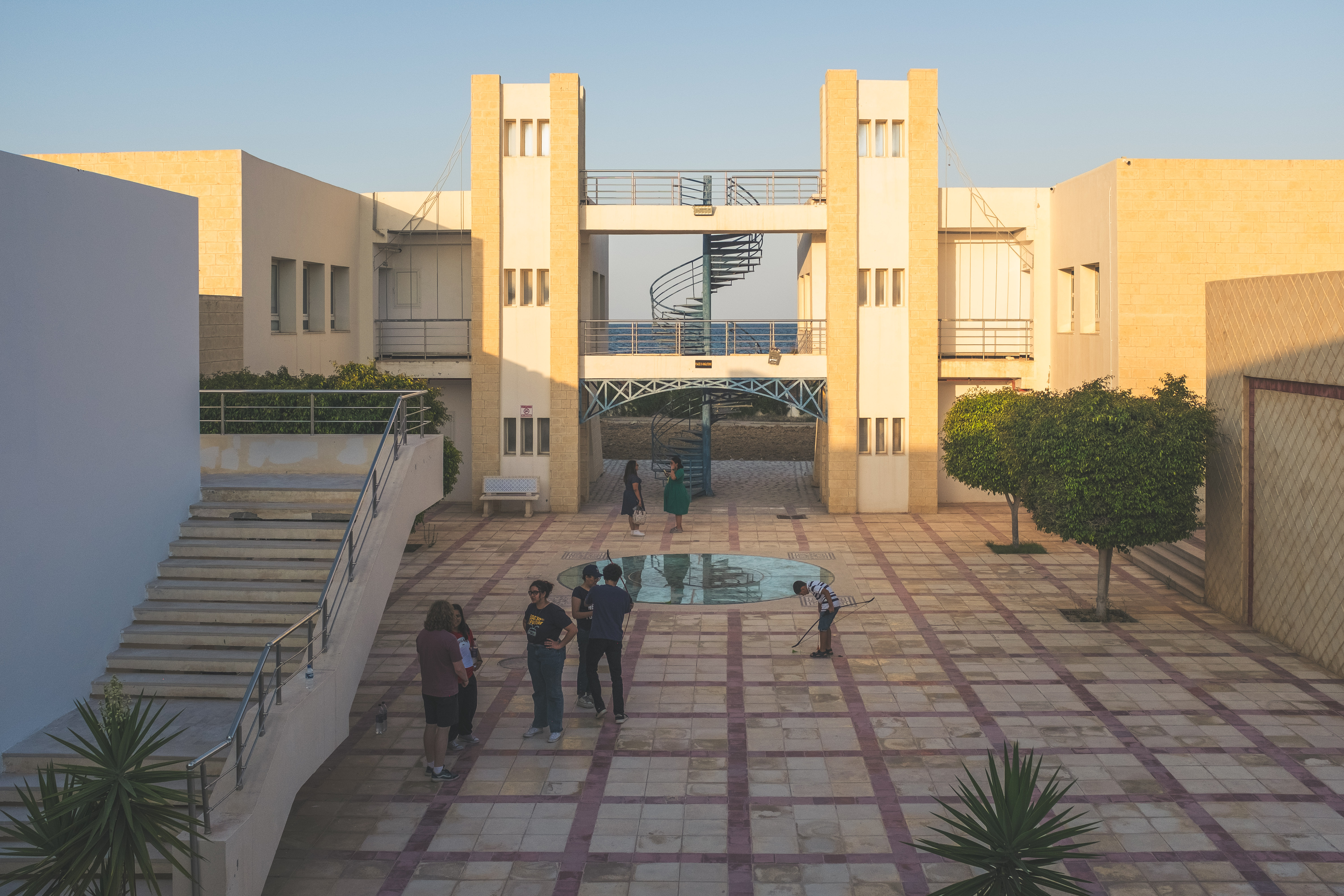
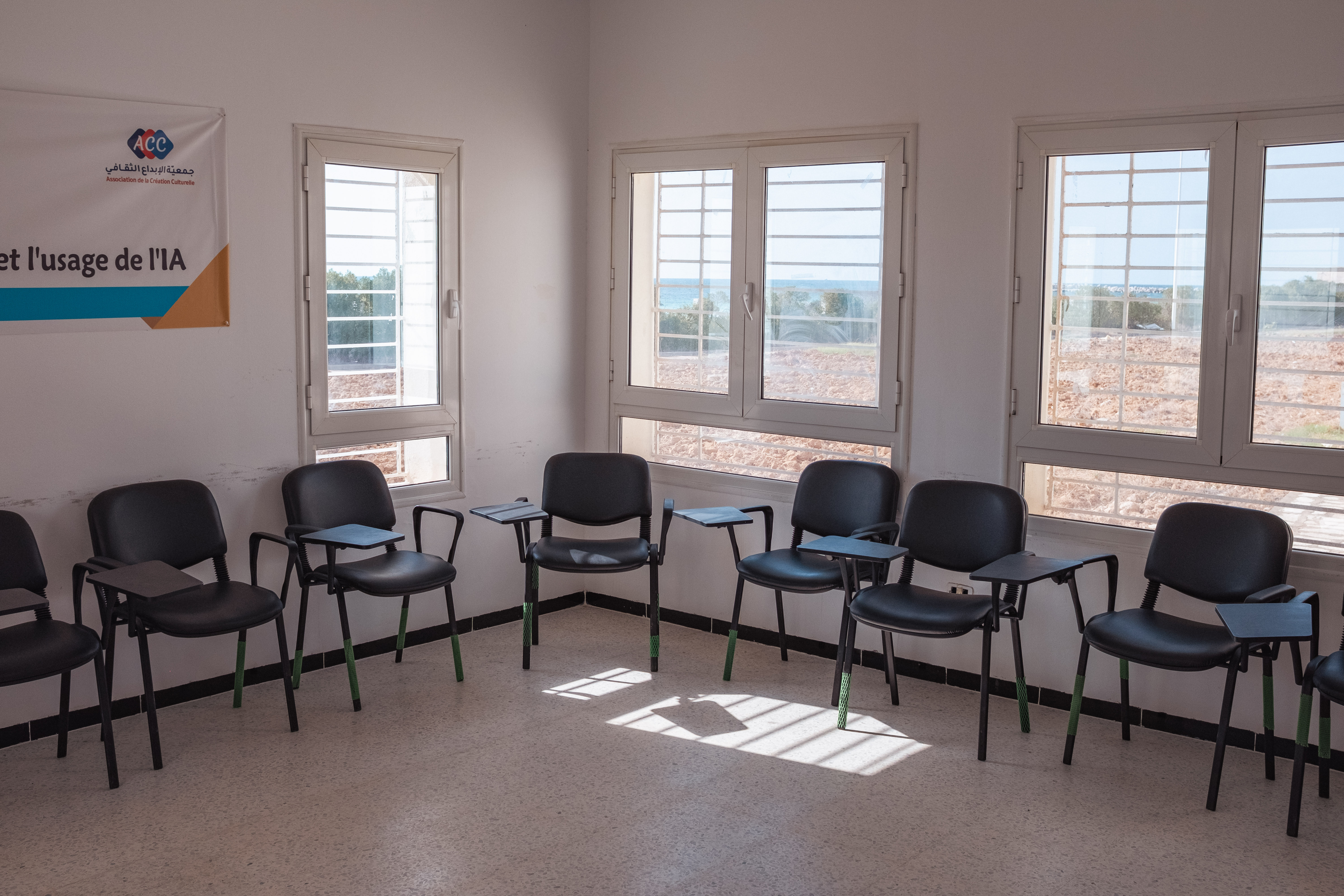
Language Village of Mahdia
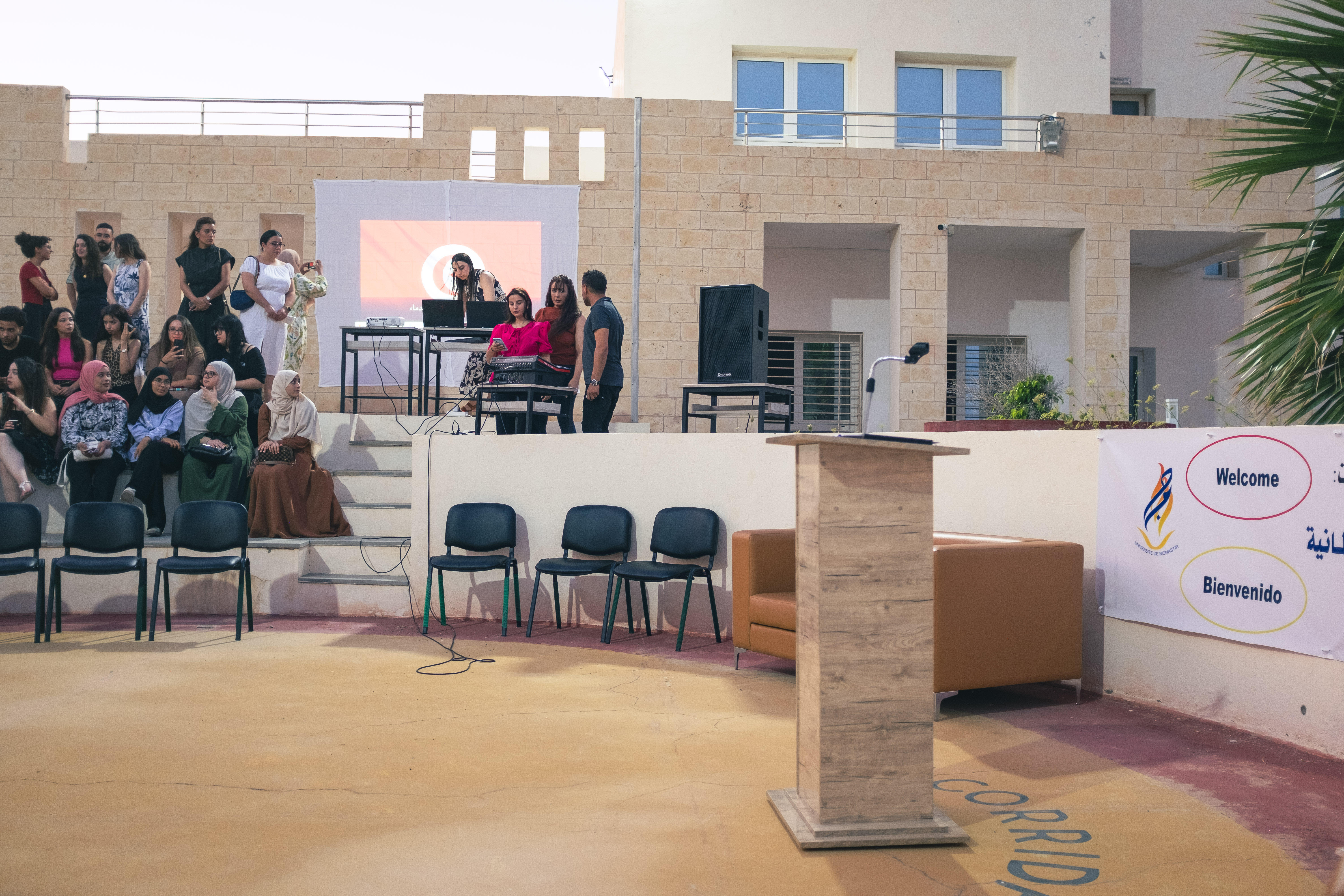
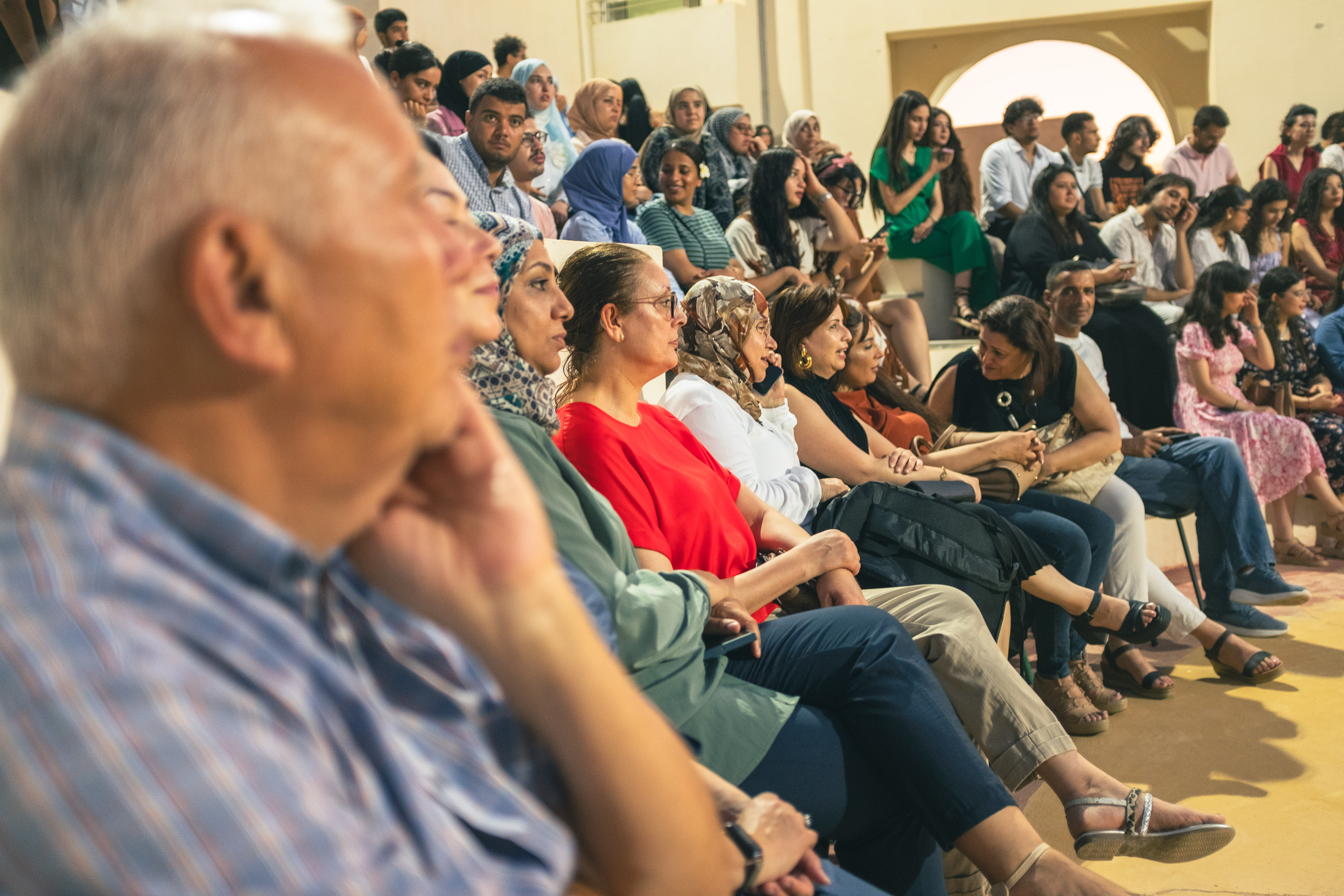



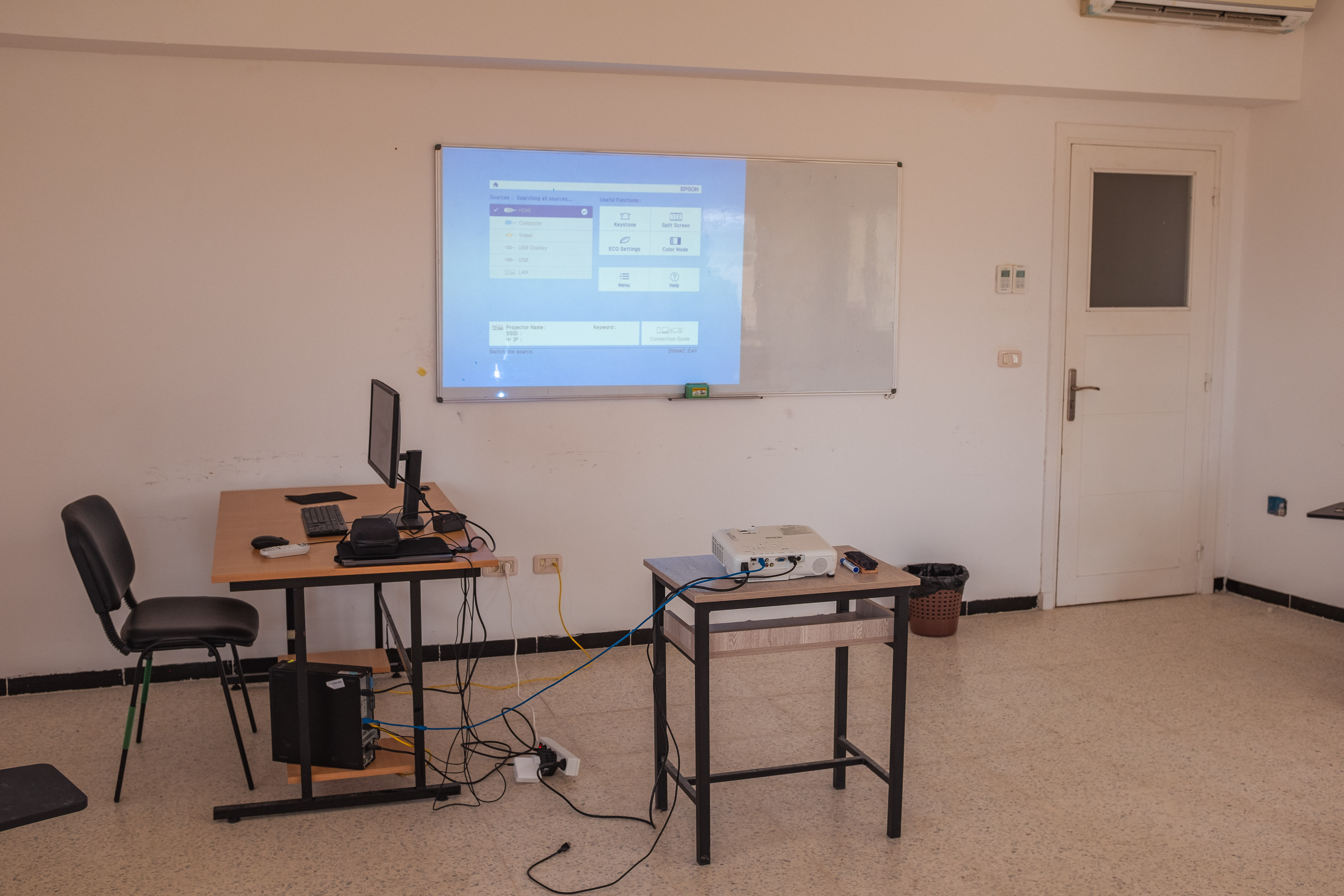
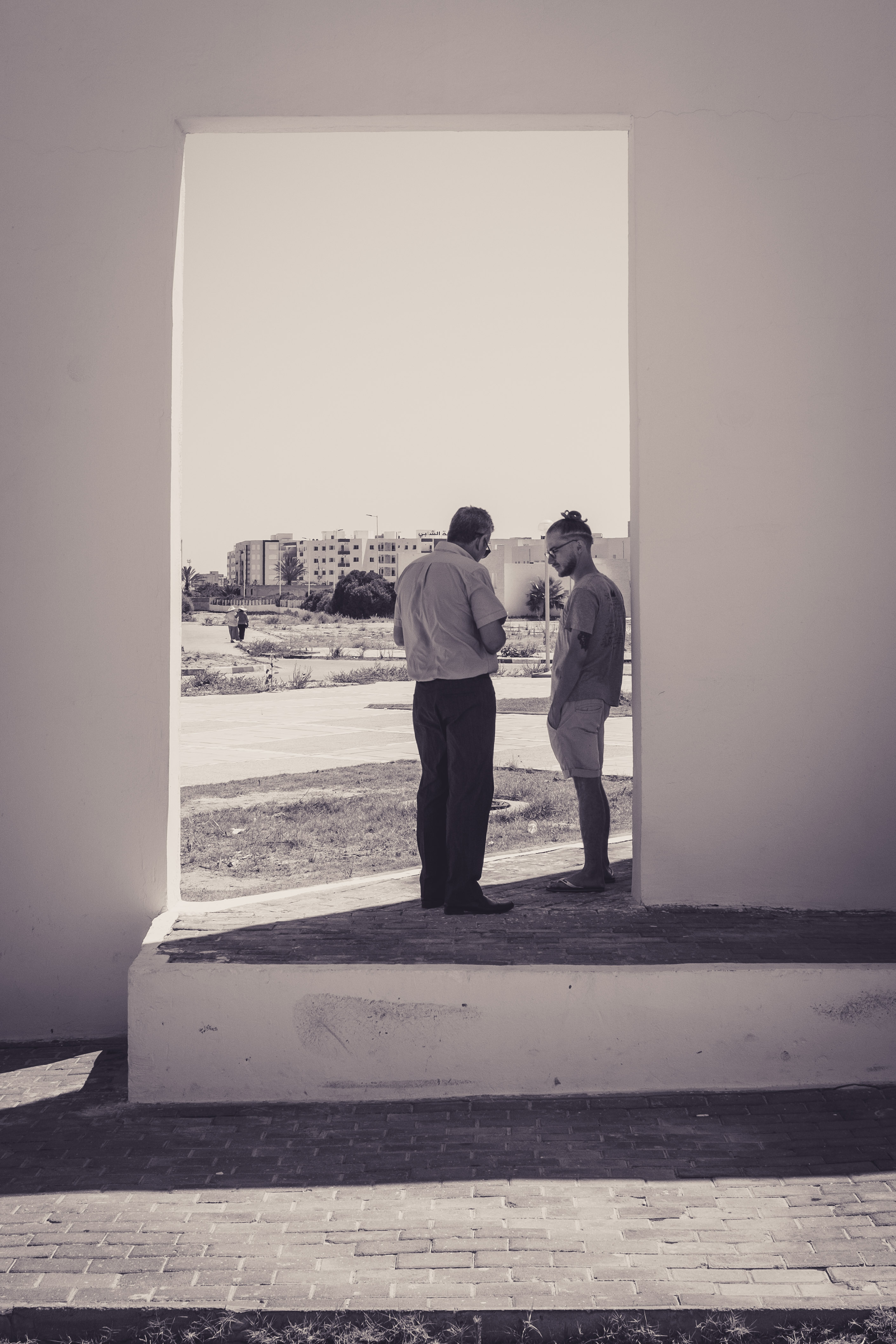
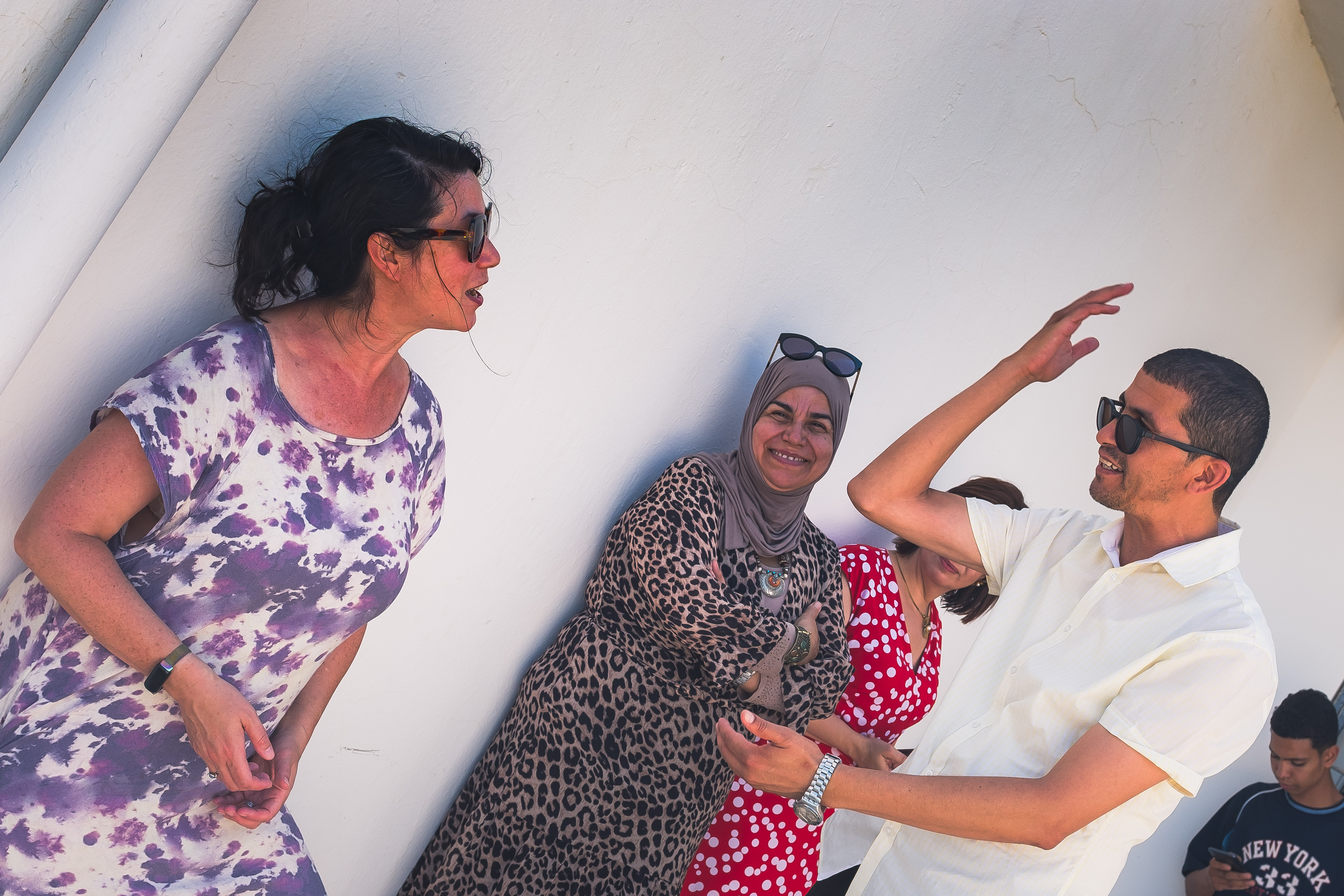
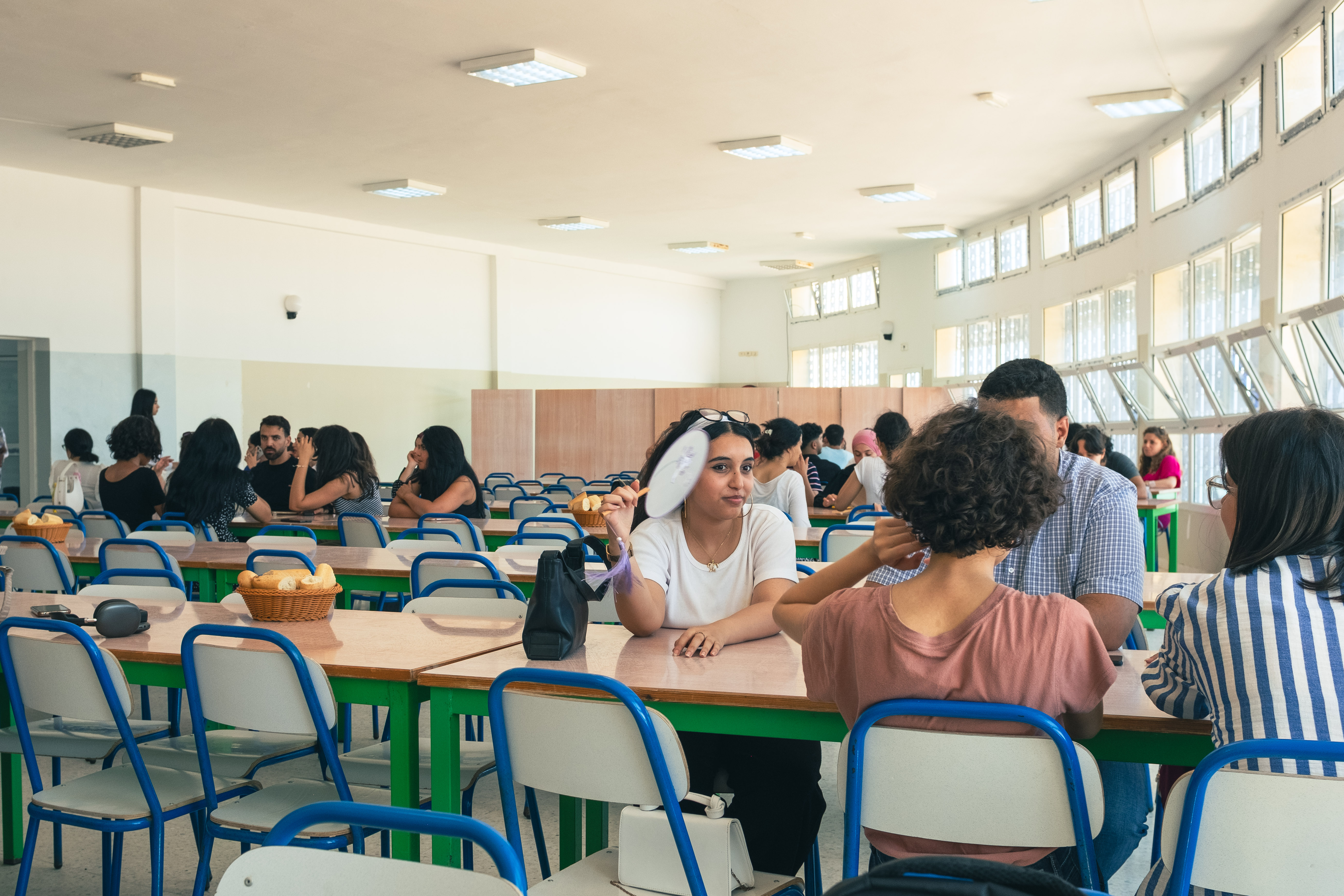
Seminars and Classes
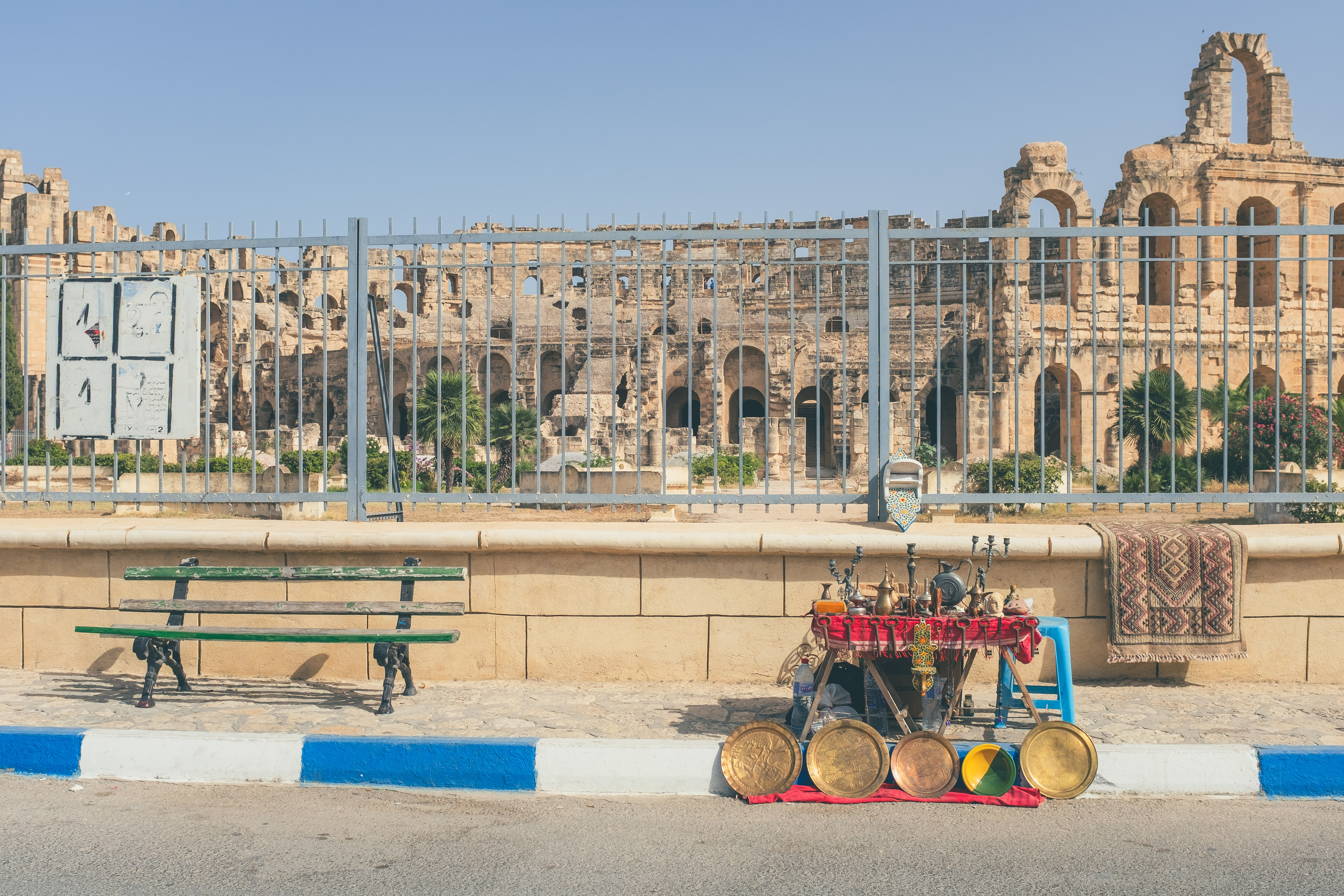
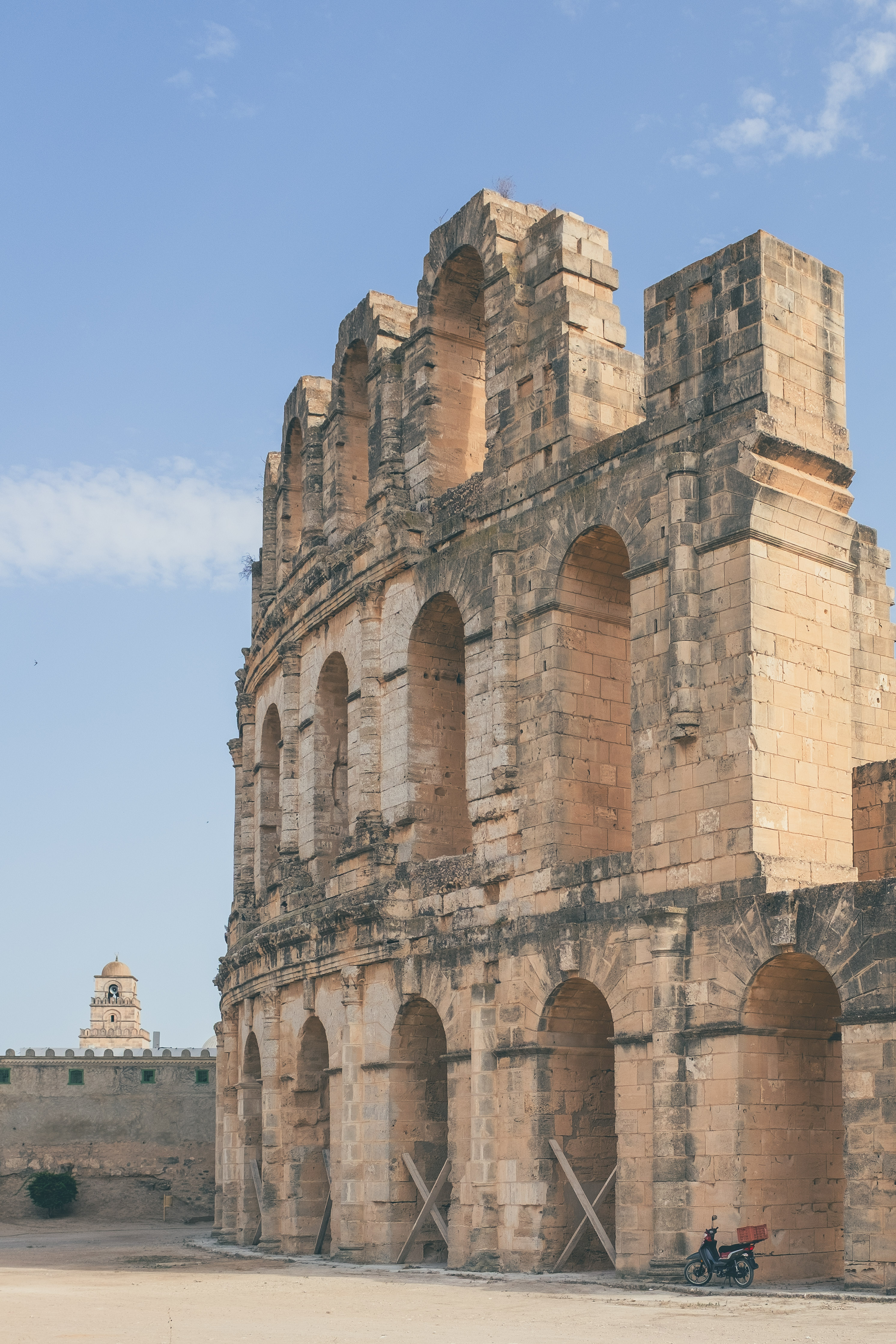
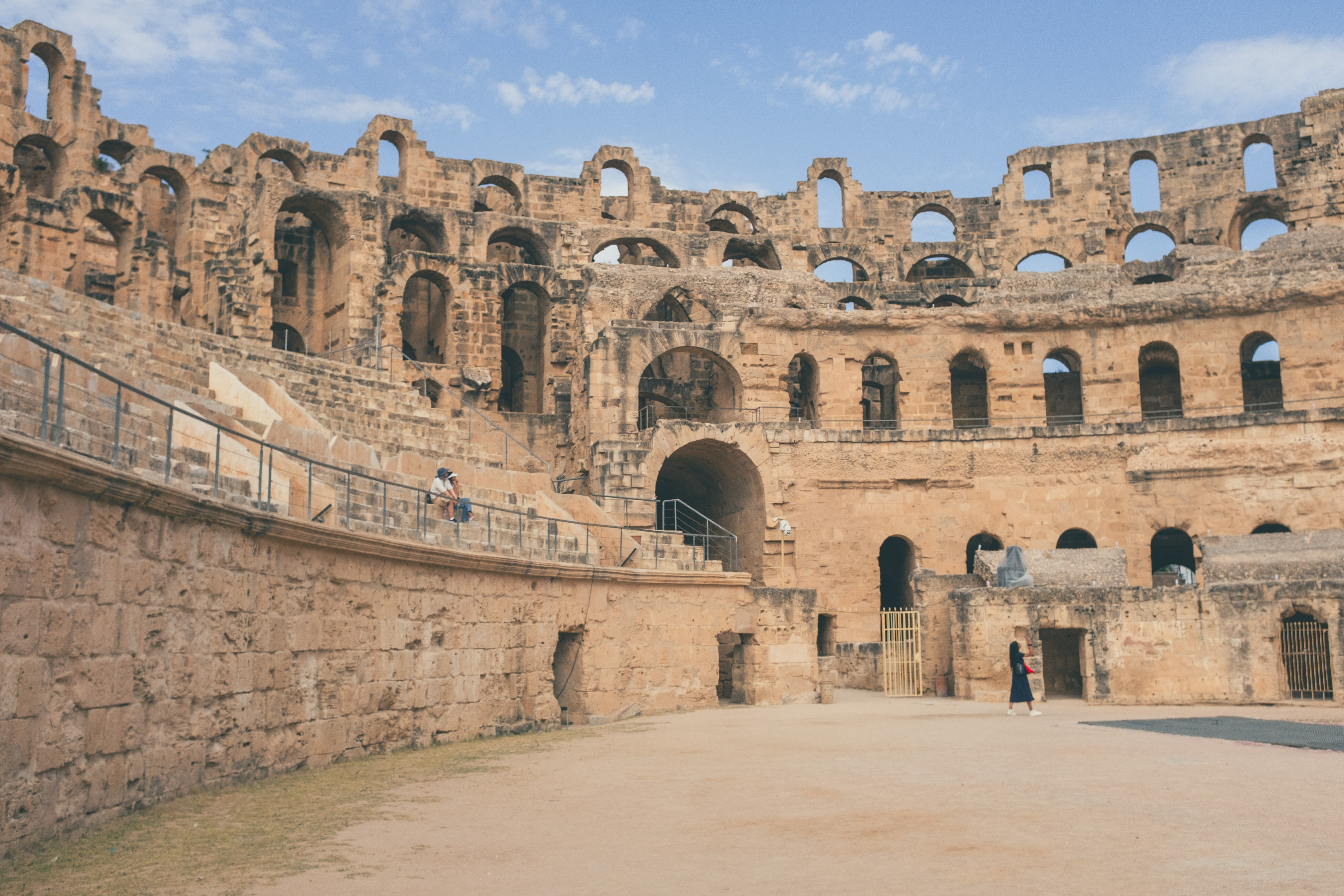
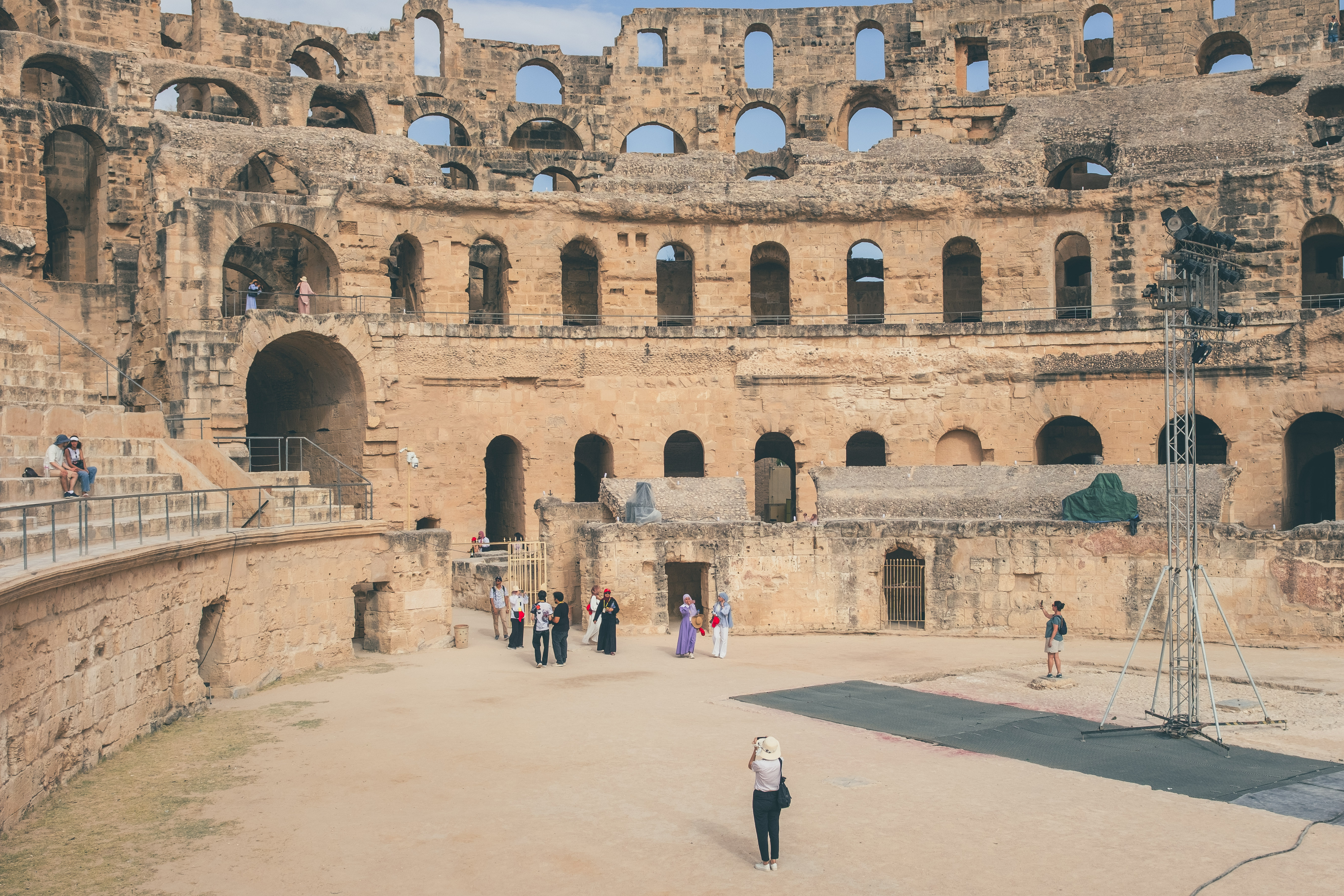
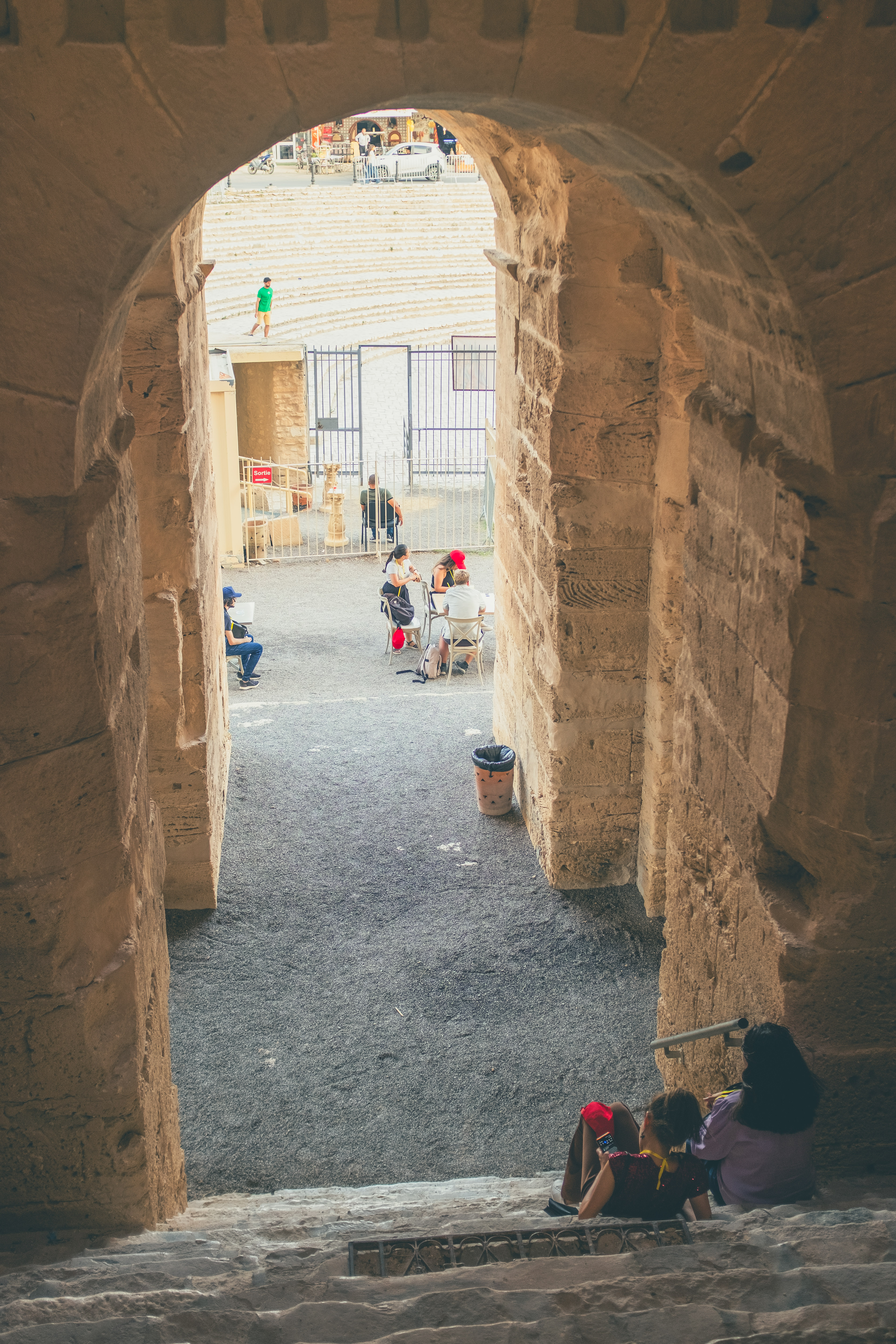
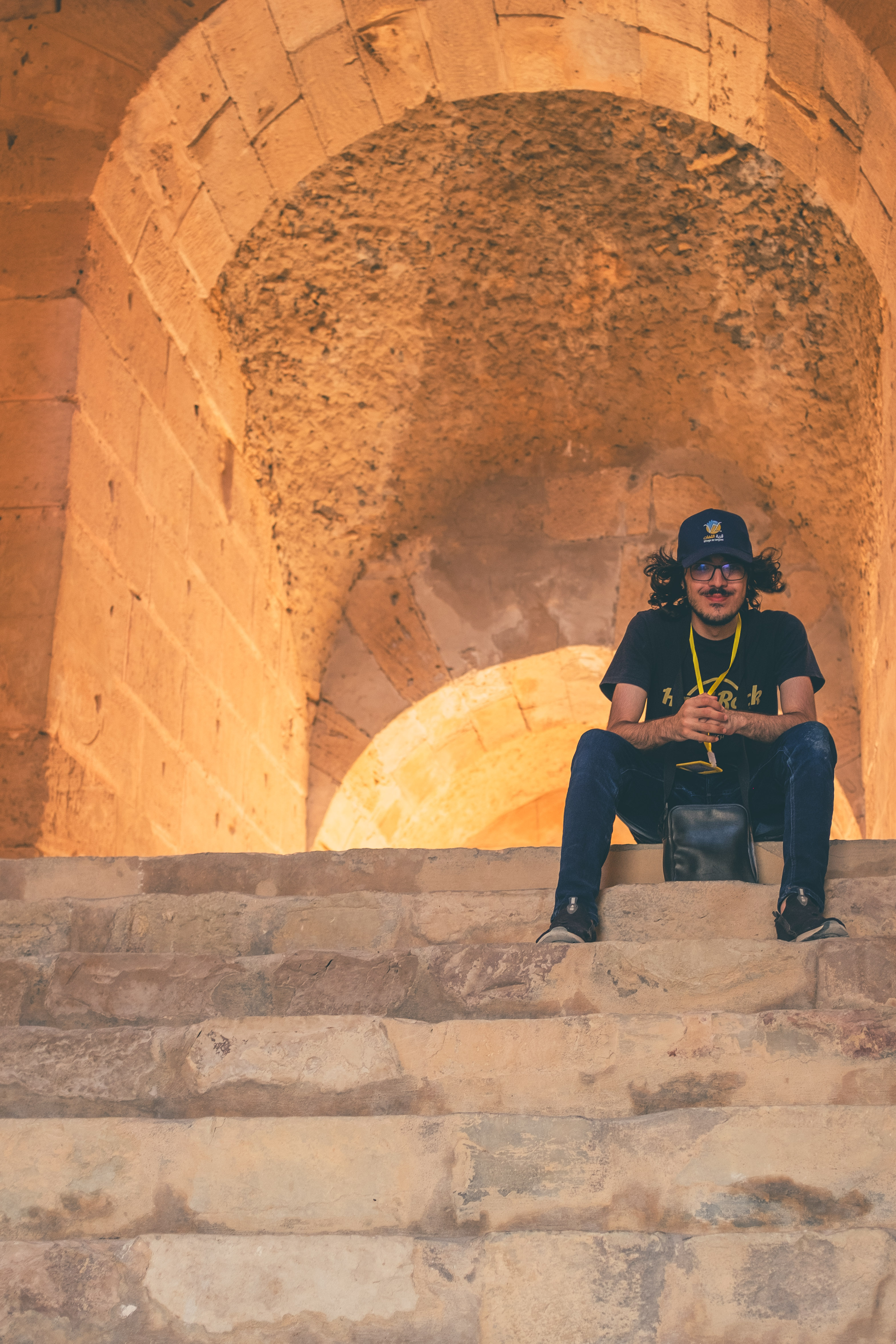
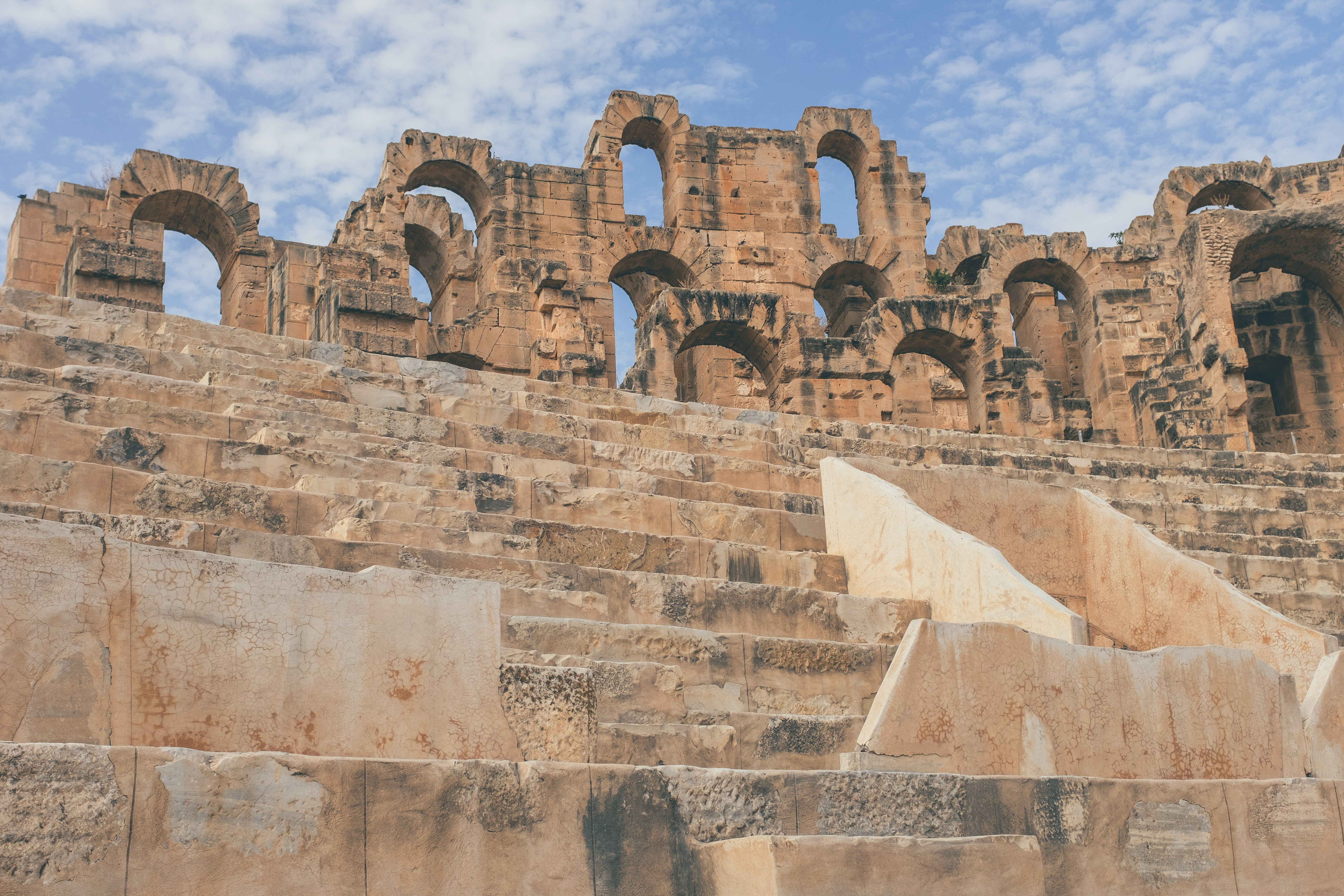
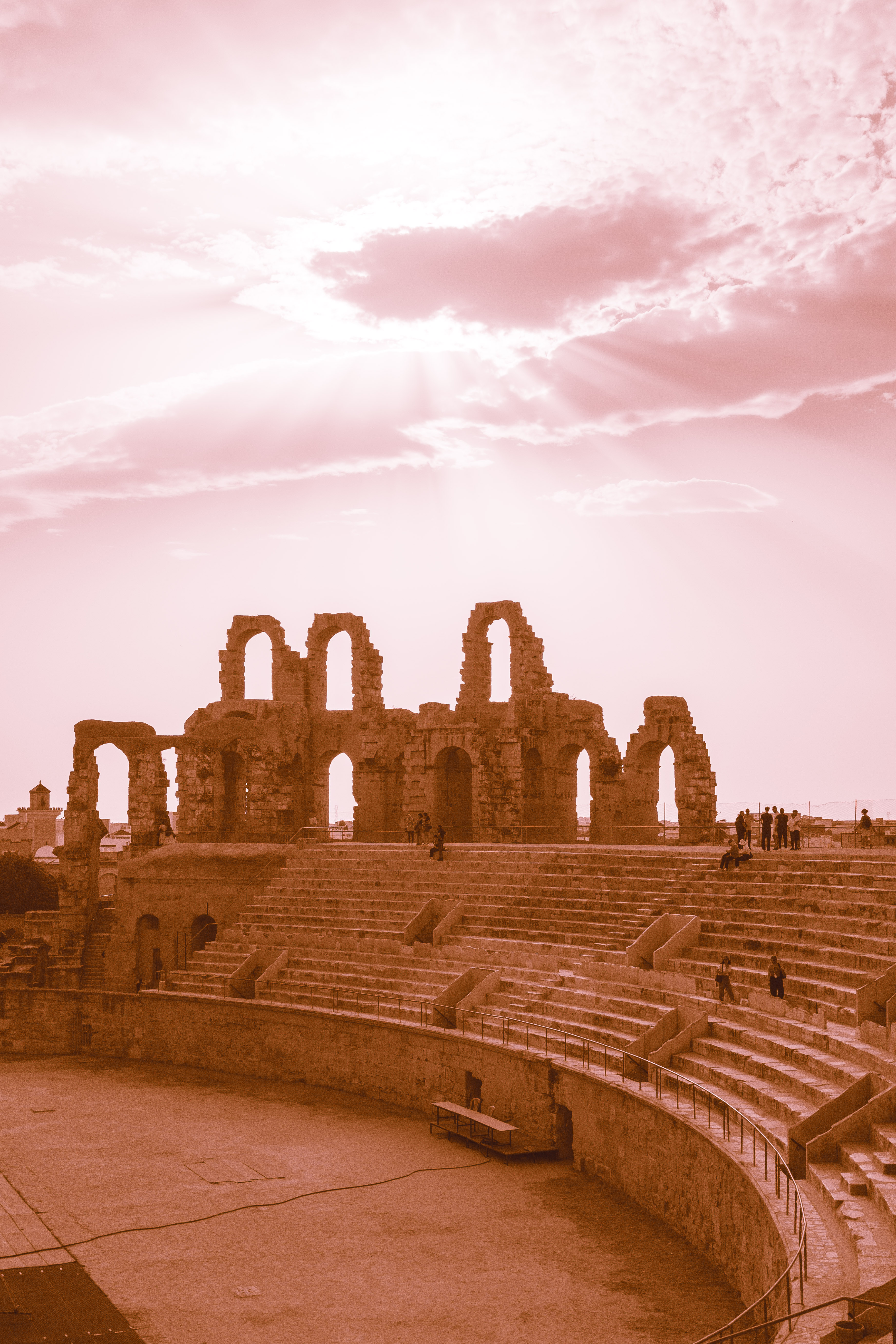
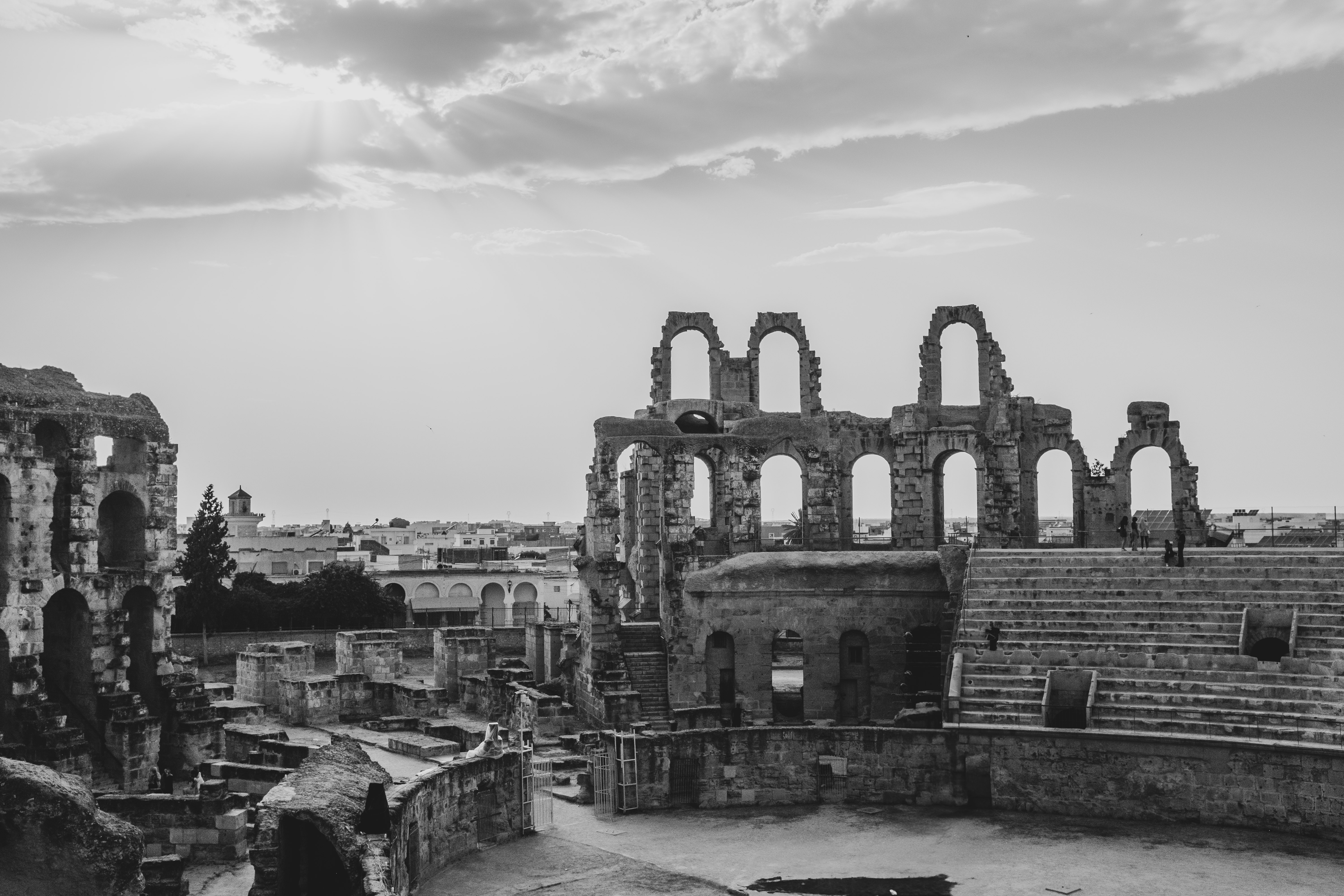
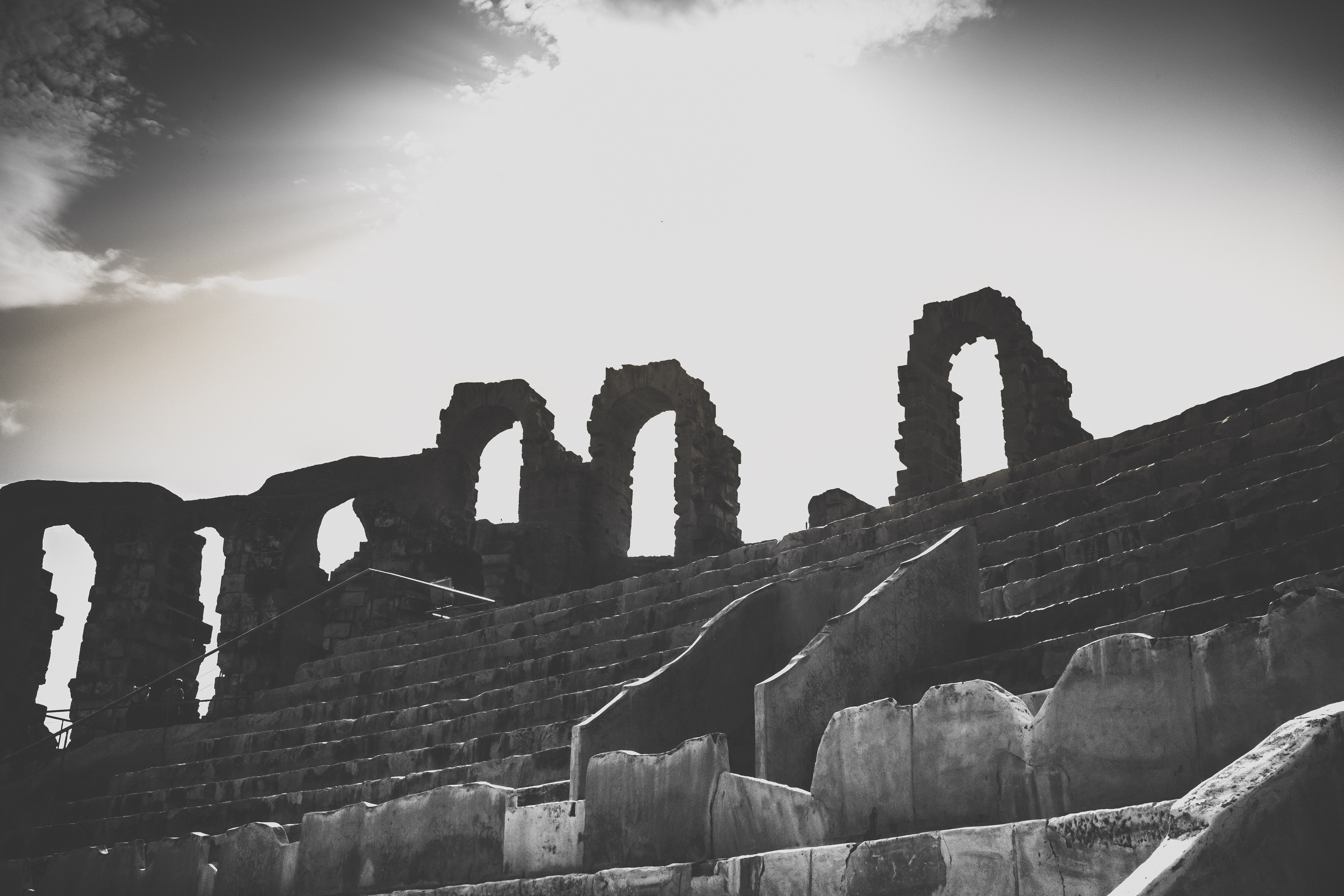
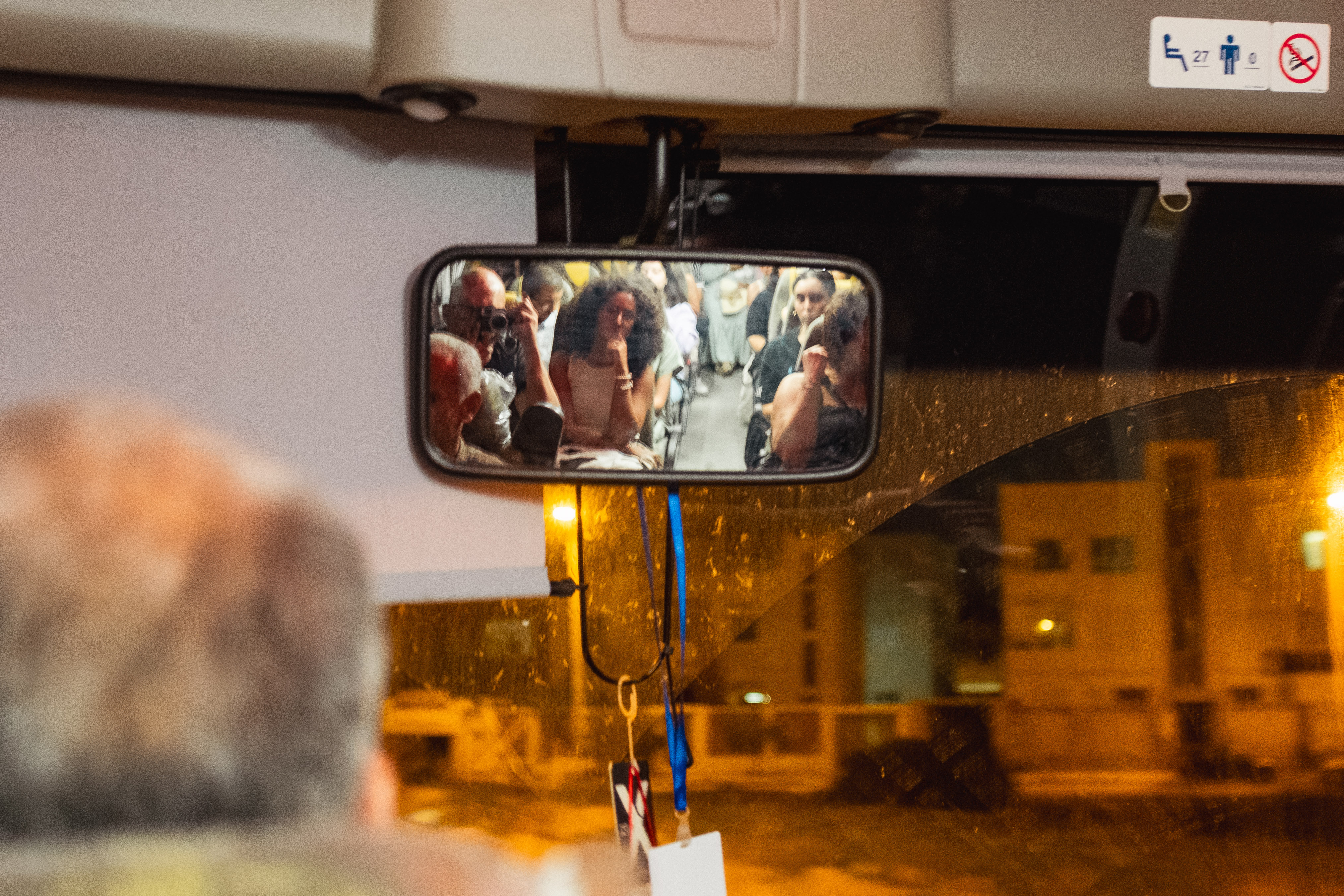
El Jem
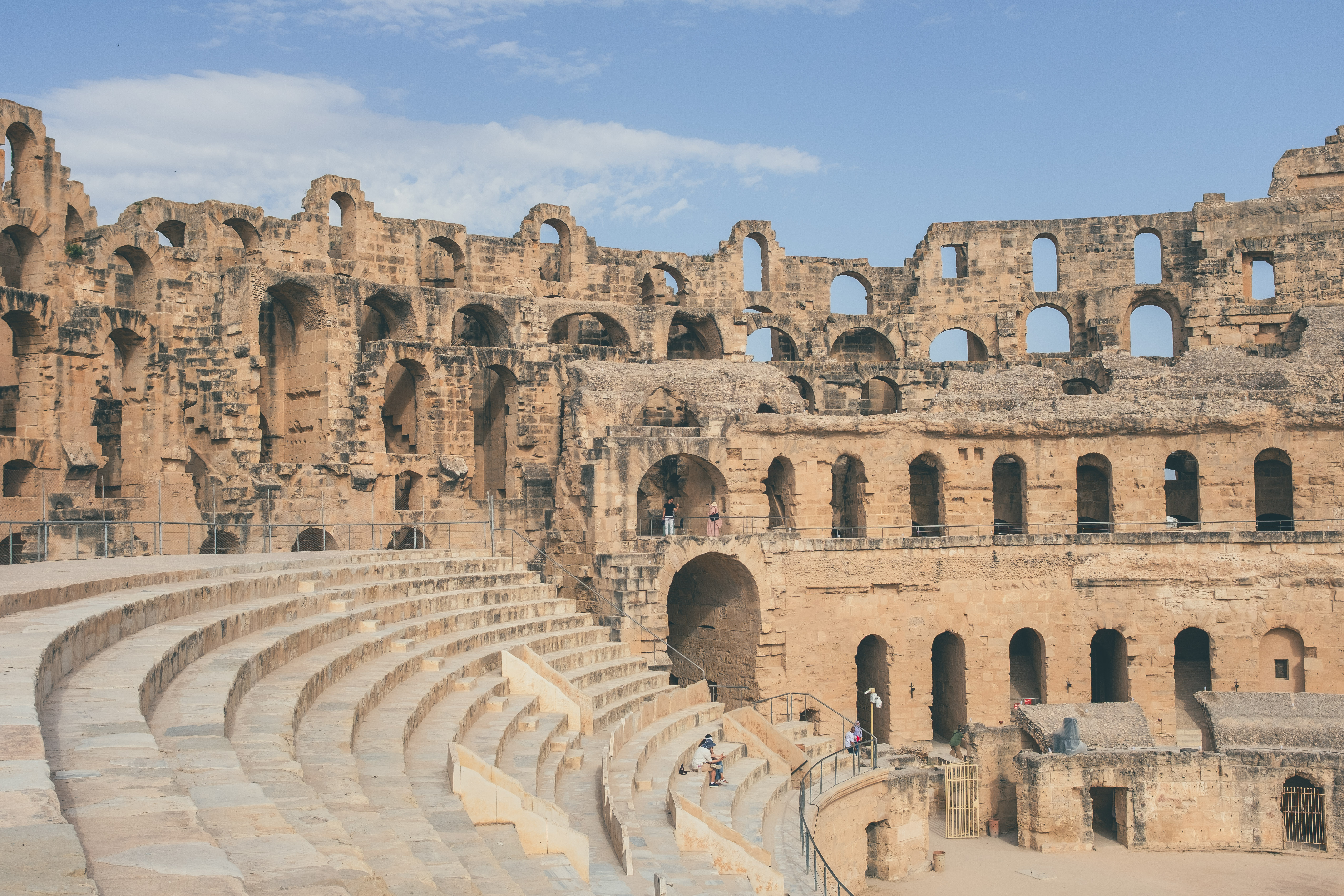
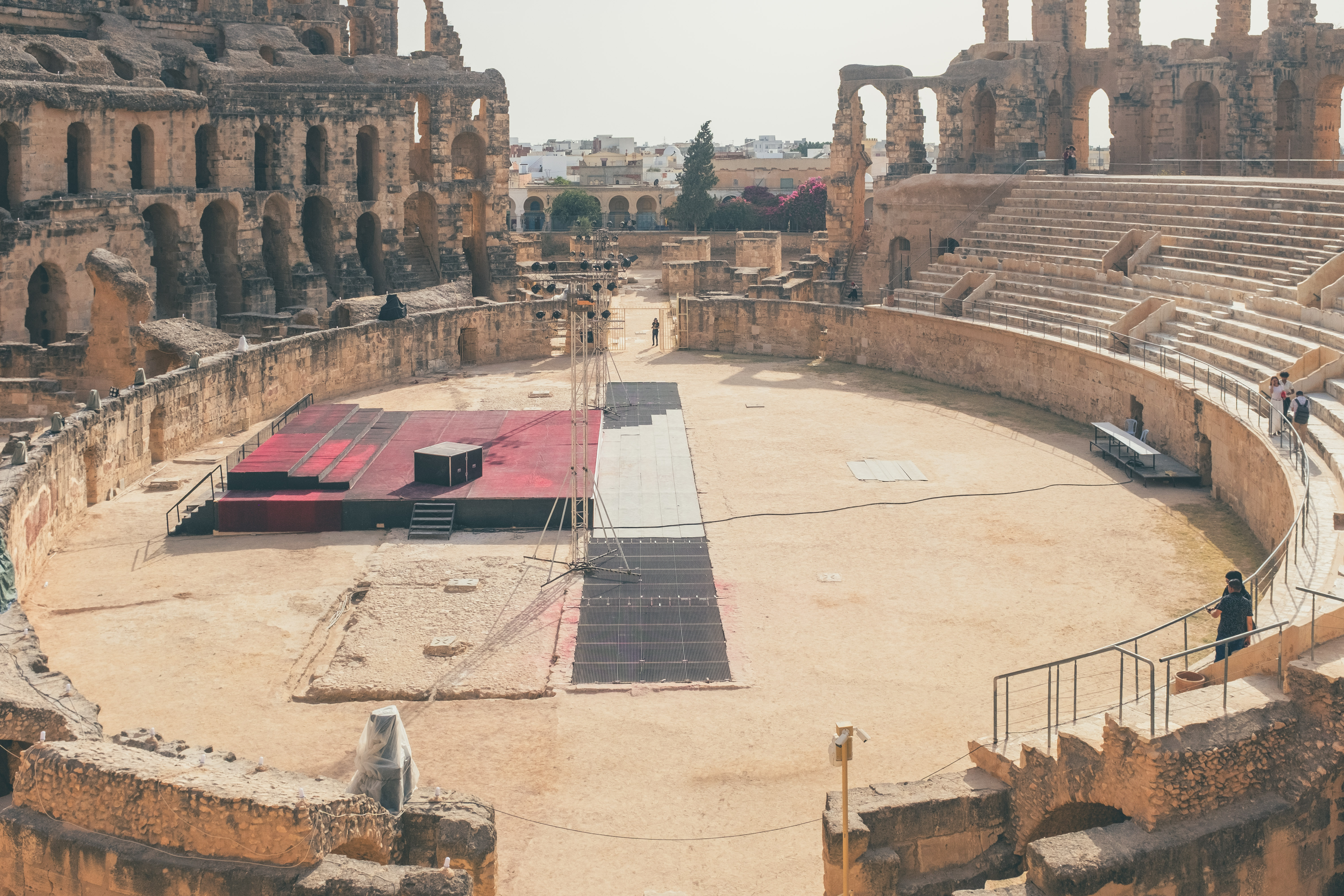
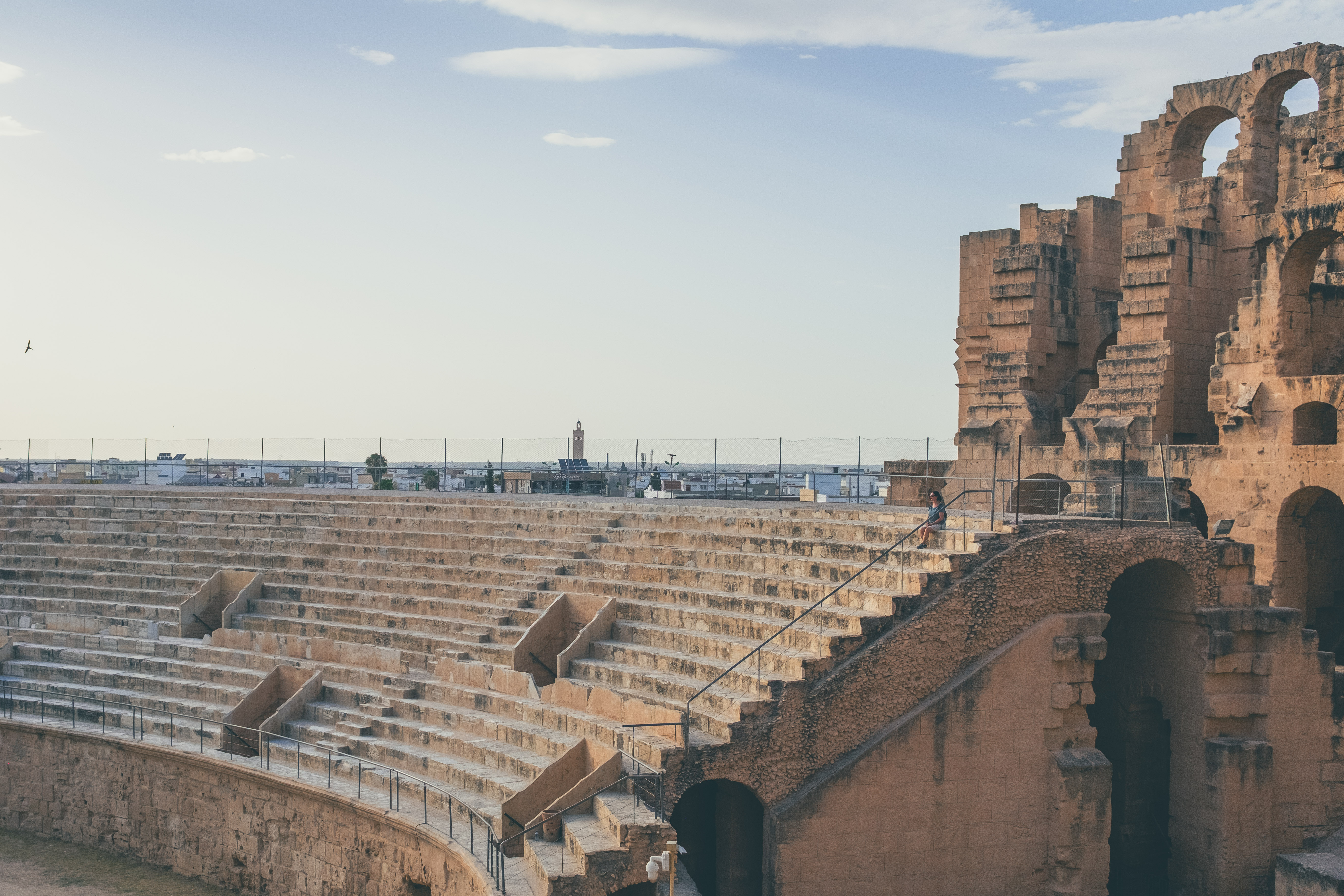
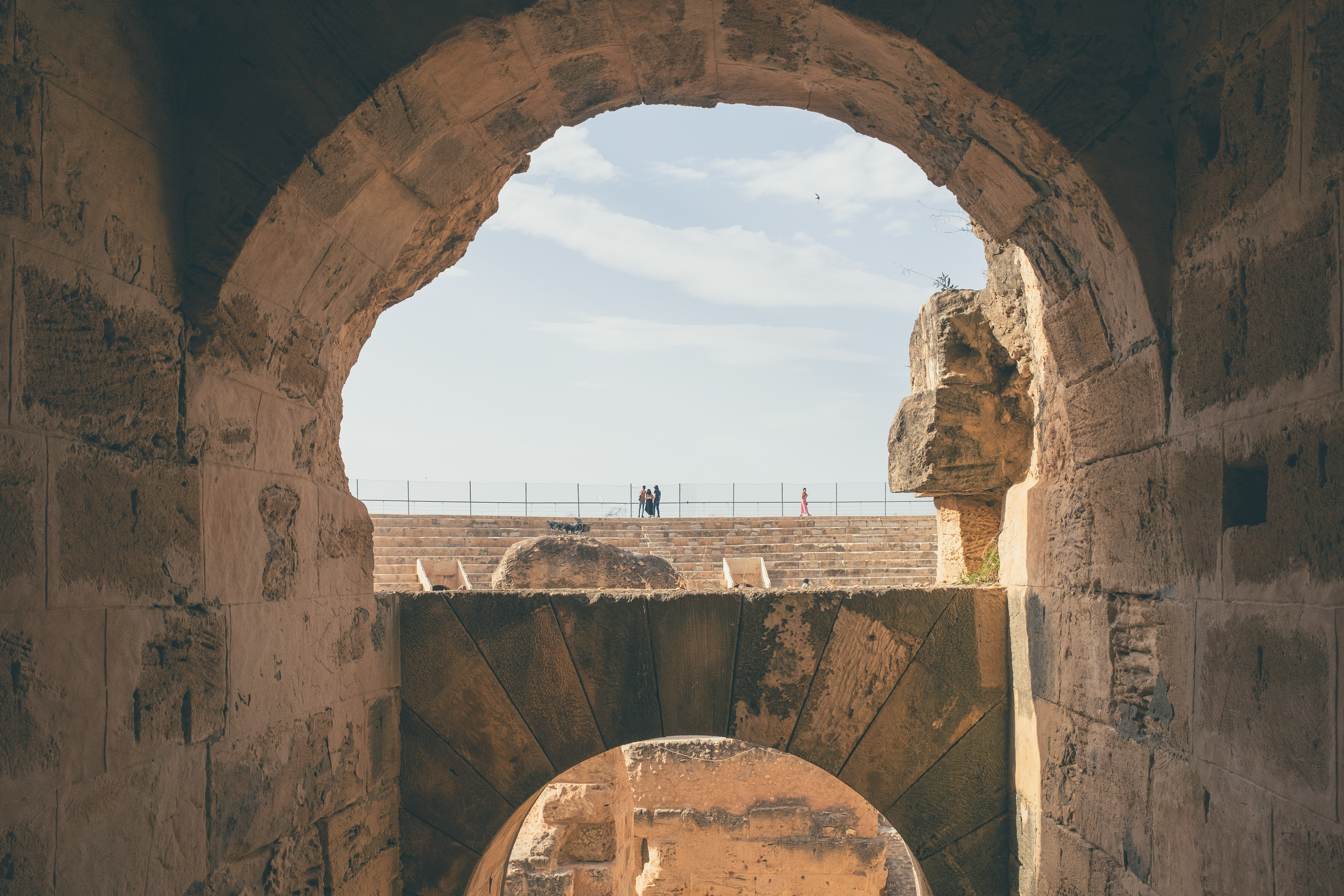
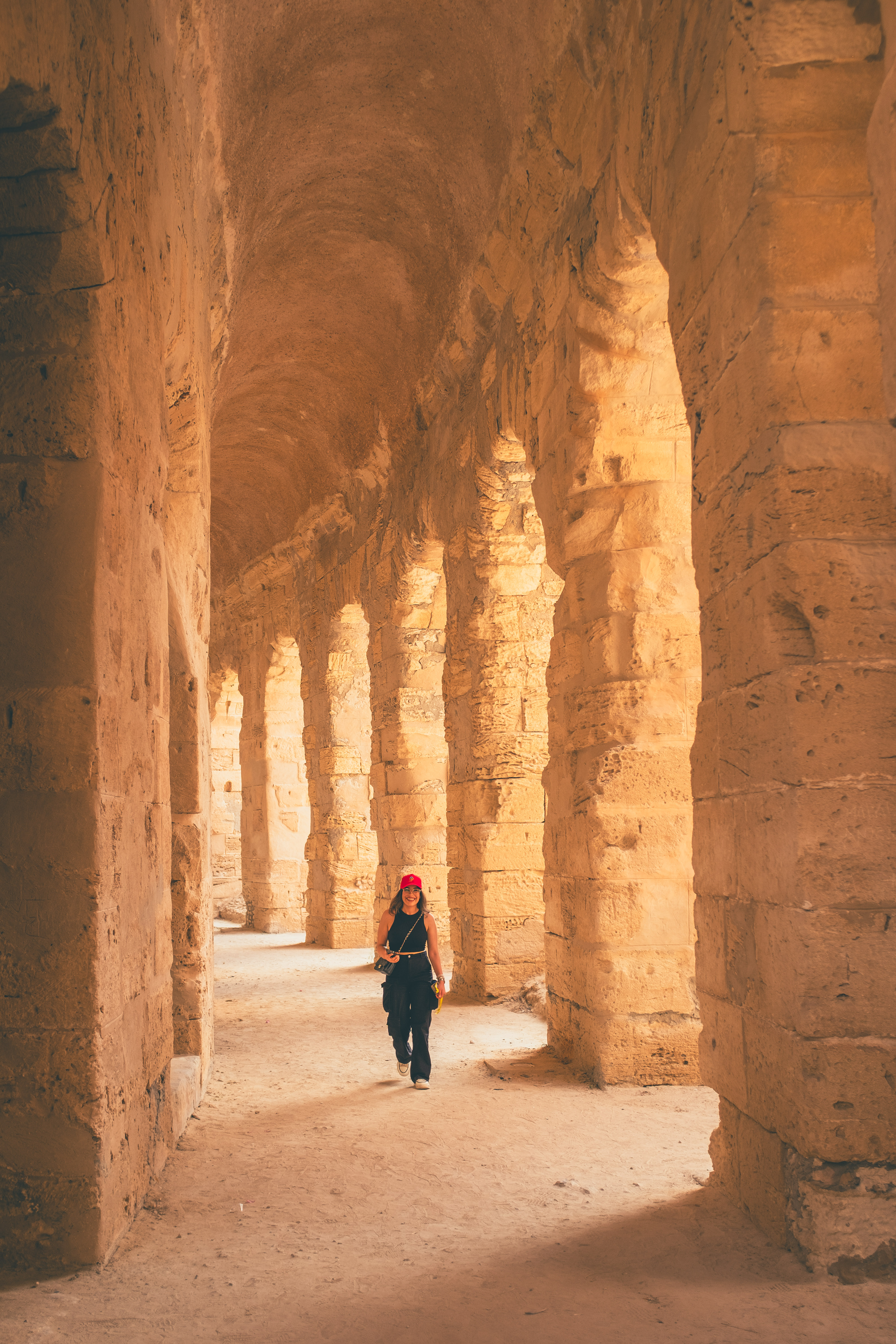
LVM Photography Club
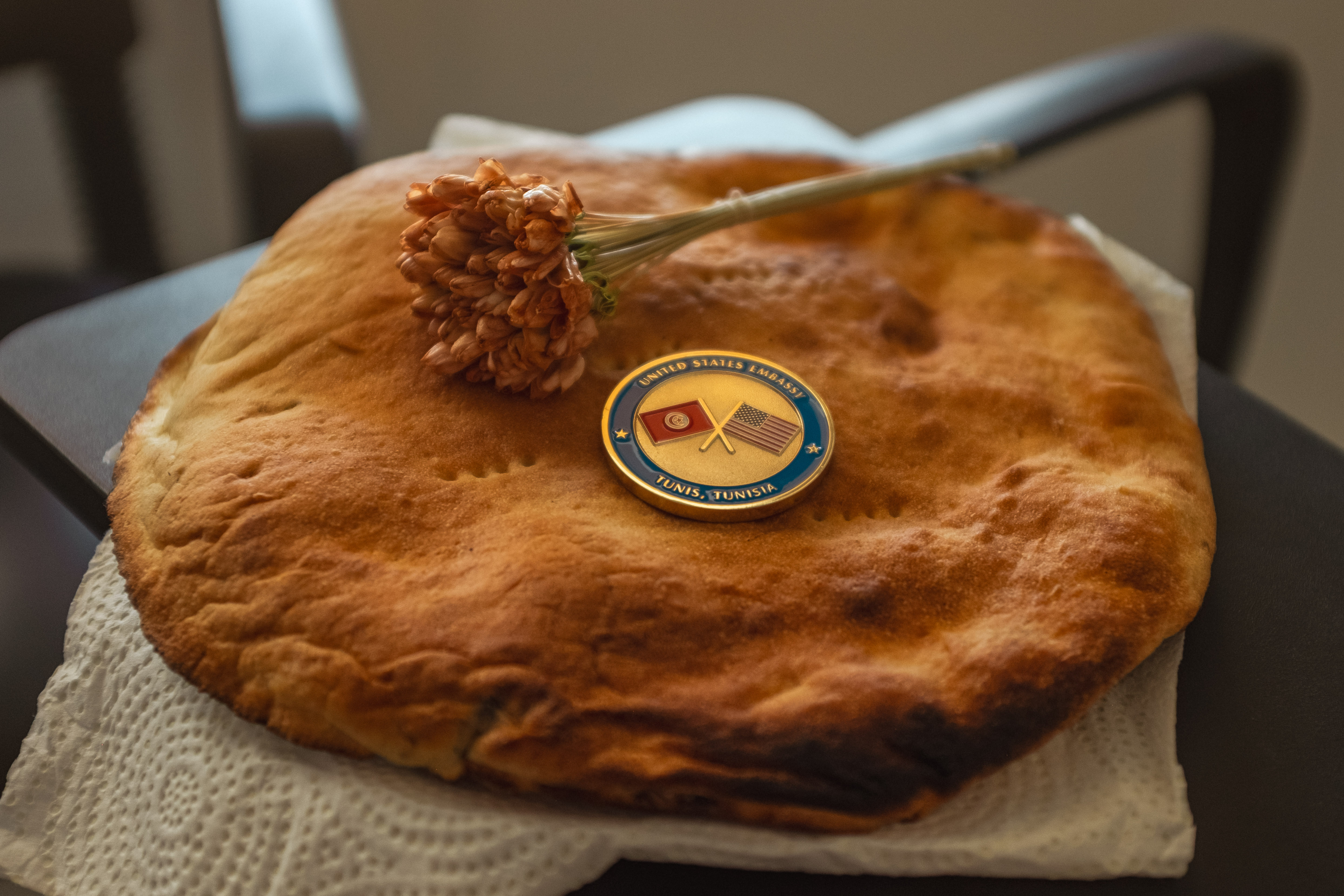



End of the Program and Last Visit to Tunis

 opusculum