
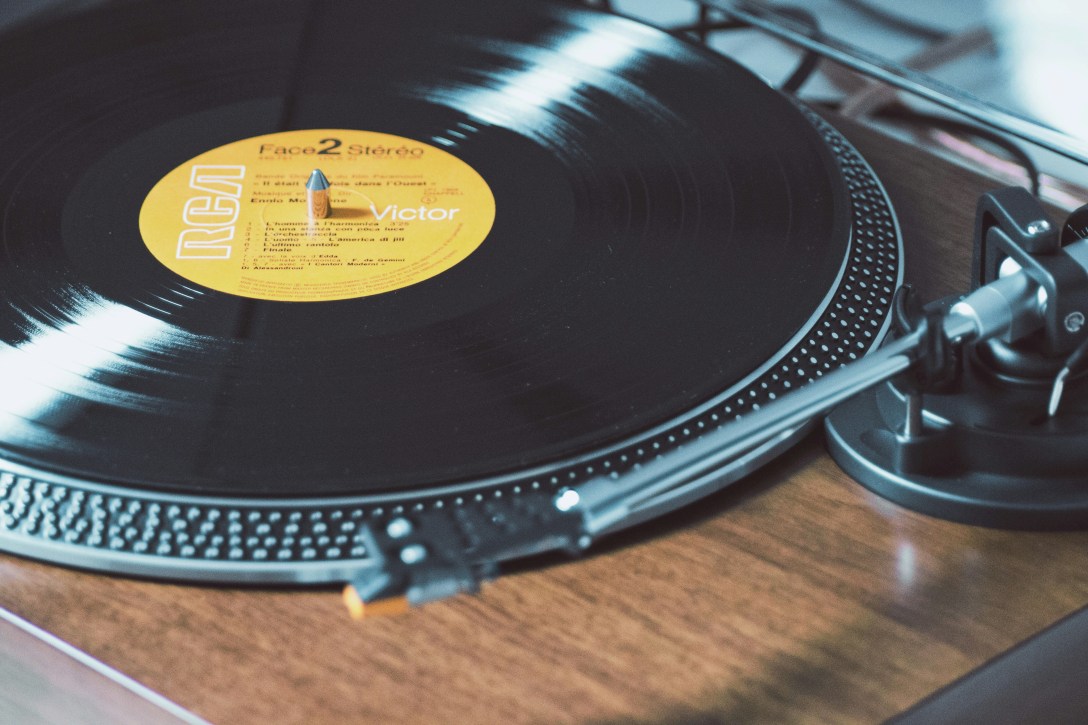
During the lockdown, when I was at the whim of boredom and algorithms,
“Arabic Tapes and Records from Habibi Funk” opened a door
to an unknown world of international analog music.
Habibi’s Berlin flat was cozy with kilim carpets,
plants arranged to catch the seasonal sunlight,
and Levantine 45s spinning on two turntables.
The drop of a needle in the minuscule vinyl groove…
the crackle and static of wax spinning from wooden speakers…
A- and B-side cuts helping me escape my quarantine:
it felt like living with a roommate with impeccable taste.
My analog journey deepened with Krishna Villar’s “Psychedelic Cumbia.”
She allured me with her sonic curation while dancing on her hardwood floor—
like I was visiting the apartment of a cool girl who collects records
(and has a Ms. Pac-Man machine in her living room).
From then on—Japanese funk, Turkish disco, or tropical Zouk—it did not matter;
I wanted to explore the crossroad of cultures, decades, and musical genres.
Global tracks played while I edited the .raw files of my travel photos,
hypnotizing beats boosted me as I prepped for the next day’s lessons,
musical soundscapes set the tone as I entertained friends.
MAJ became my vision for music and décor—an ethos of sound and style:
records, art, artifacts—all synecdoches for journey.
Each playlist a multitude of emotions, from kefi to saudade;
the channel was a way to cope, breathe, and travel without leaving home.
After “my yoga teacher kassandra” by Andrei Codrescu
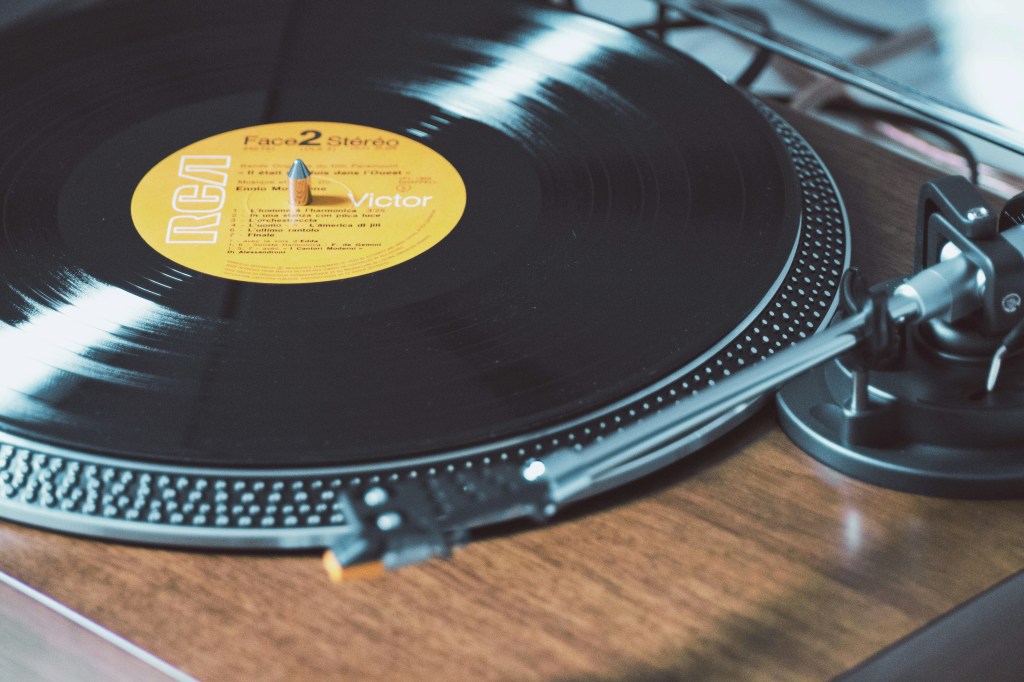
Photo by Luana De Marco on Unsplash

 opusculum