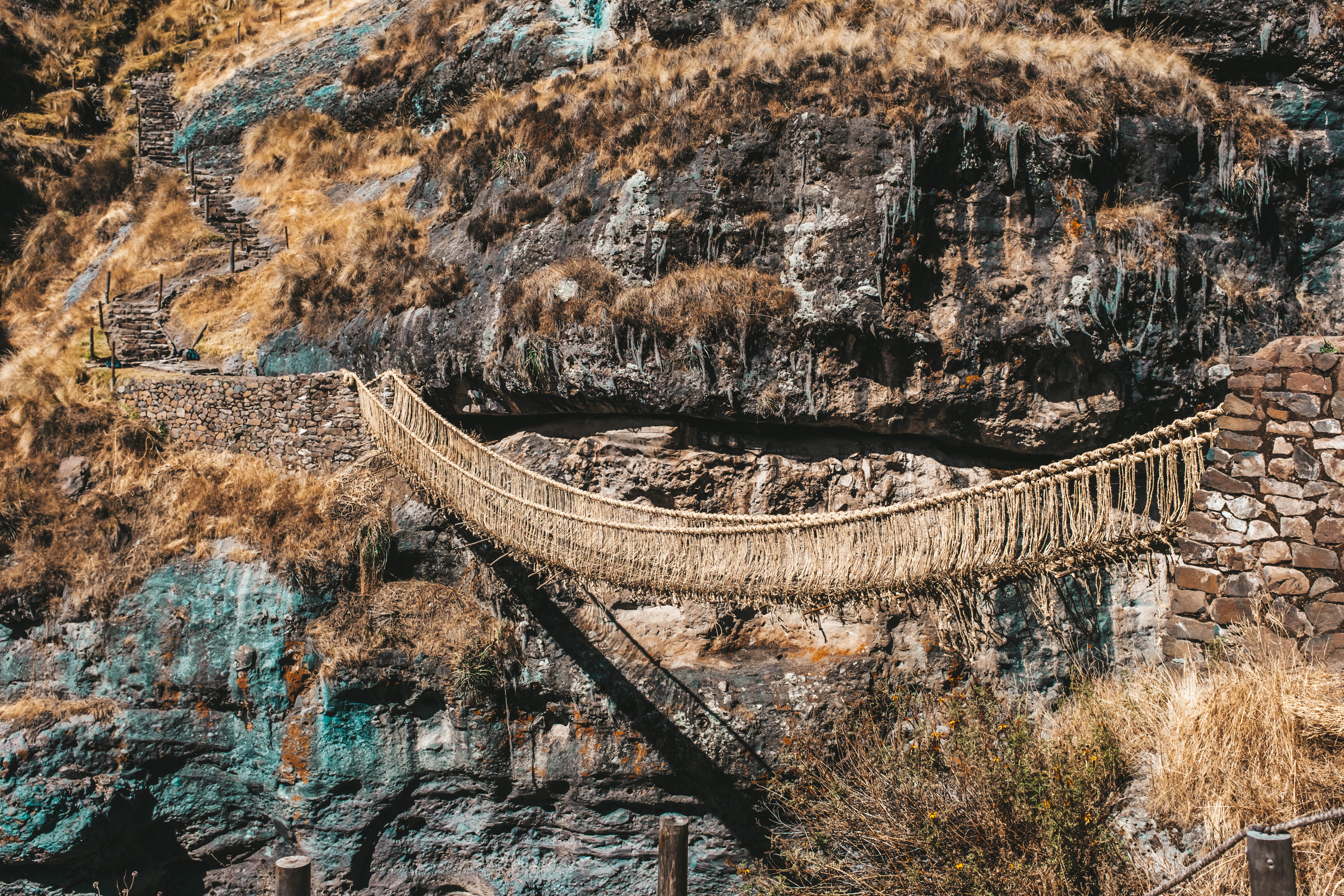
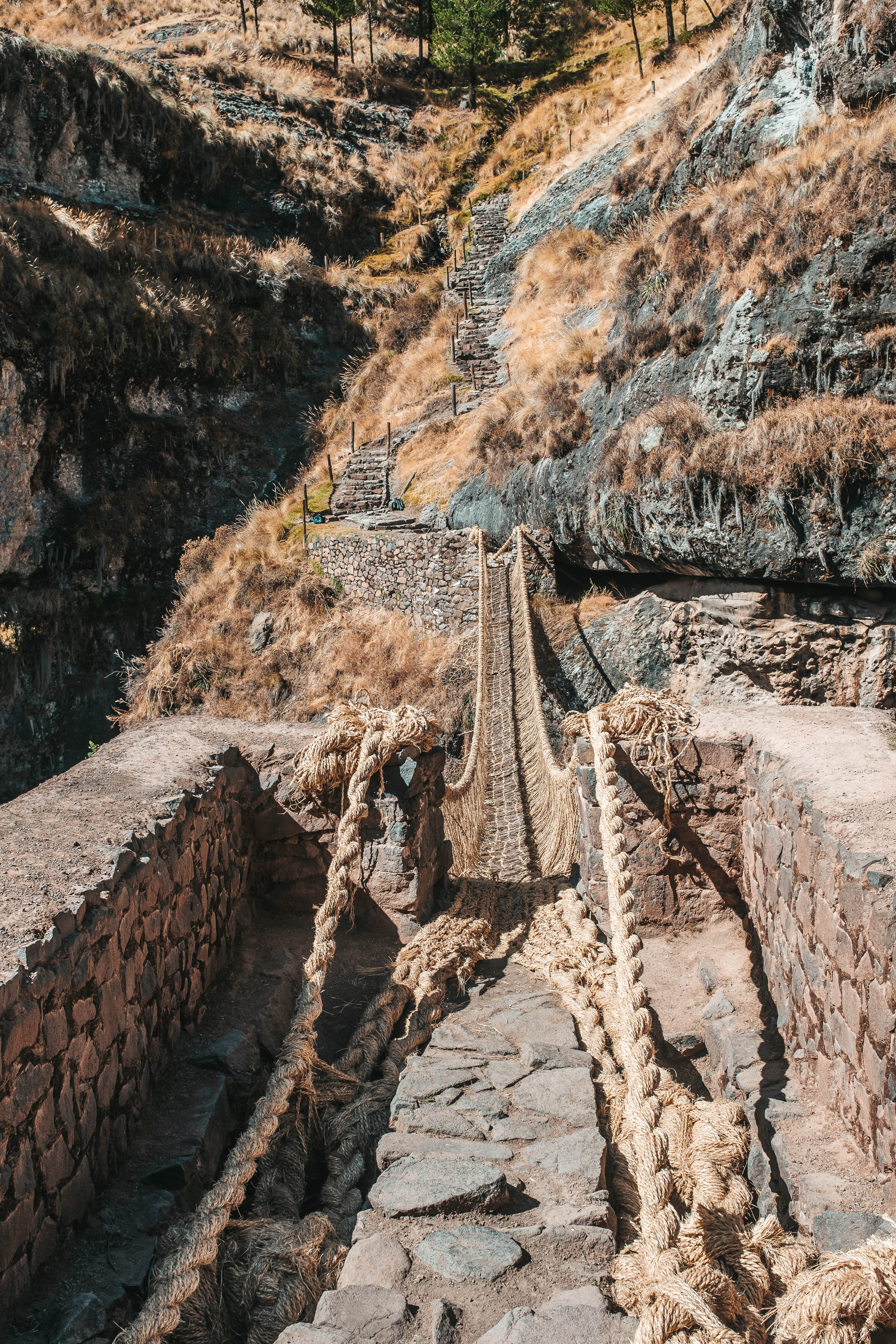
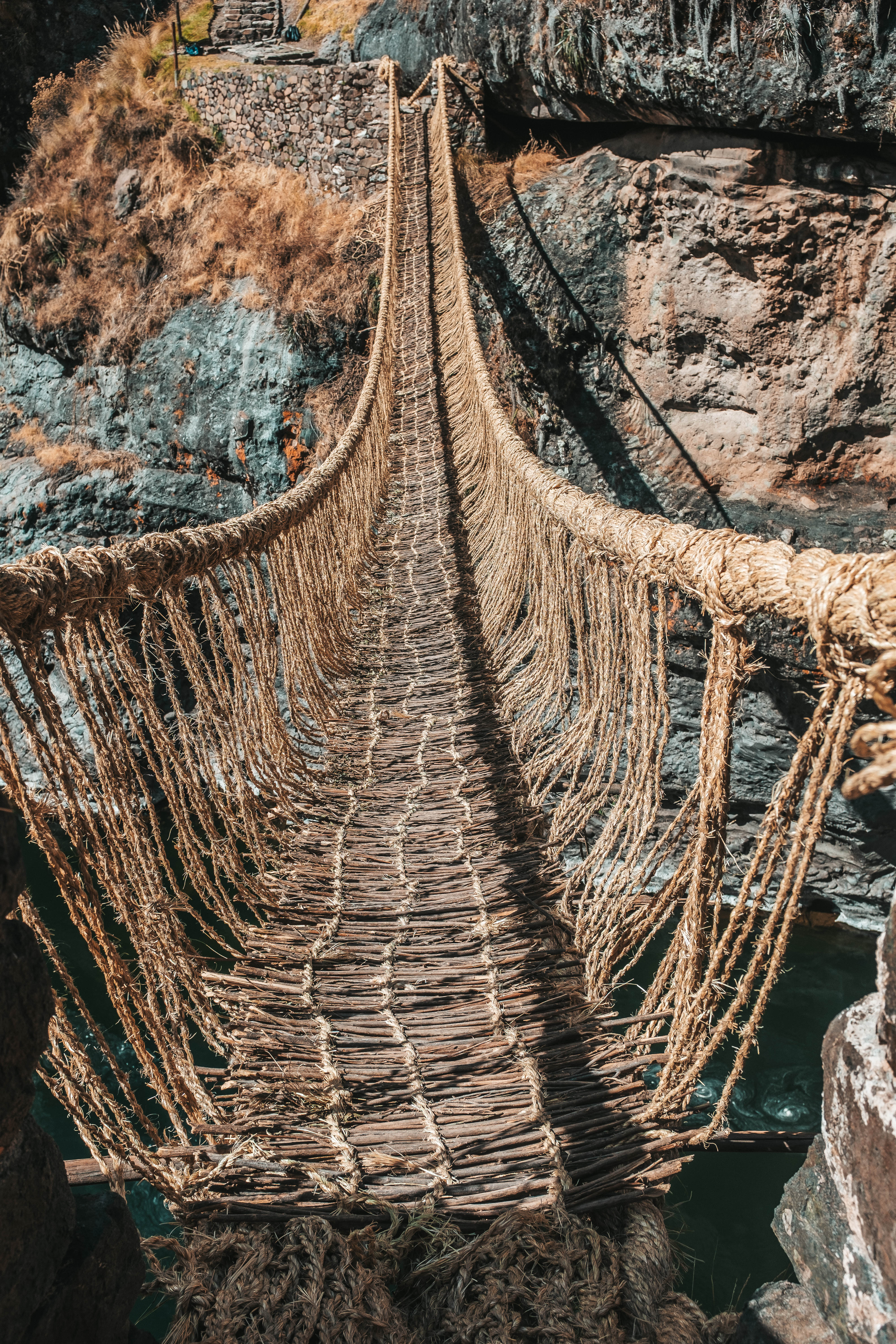
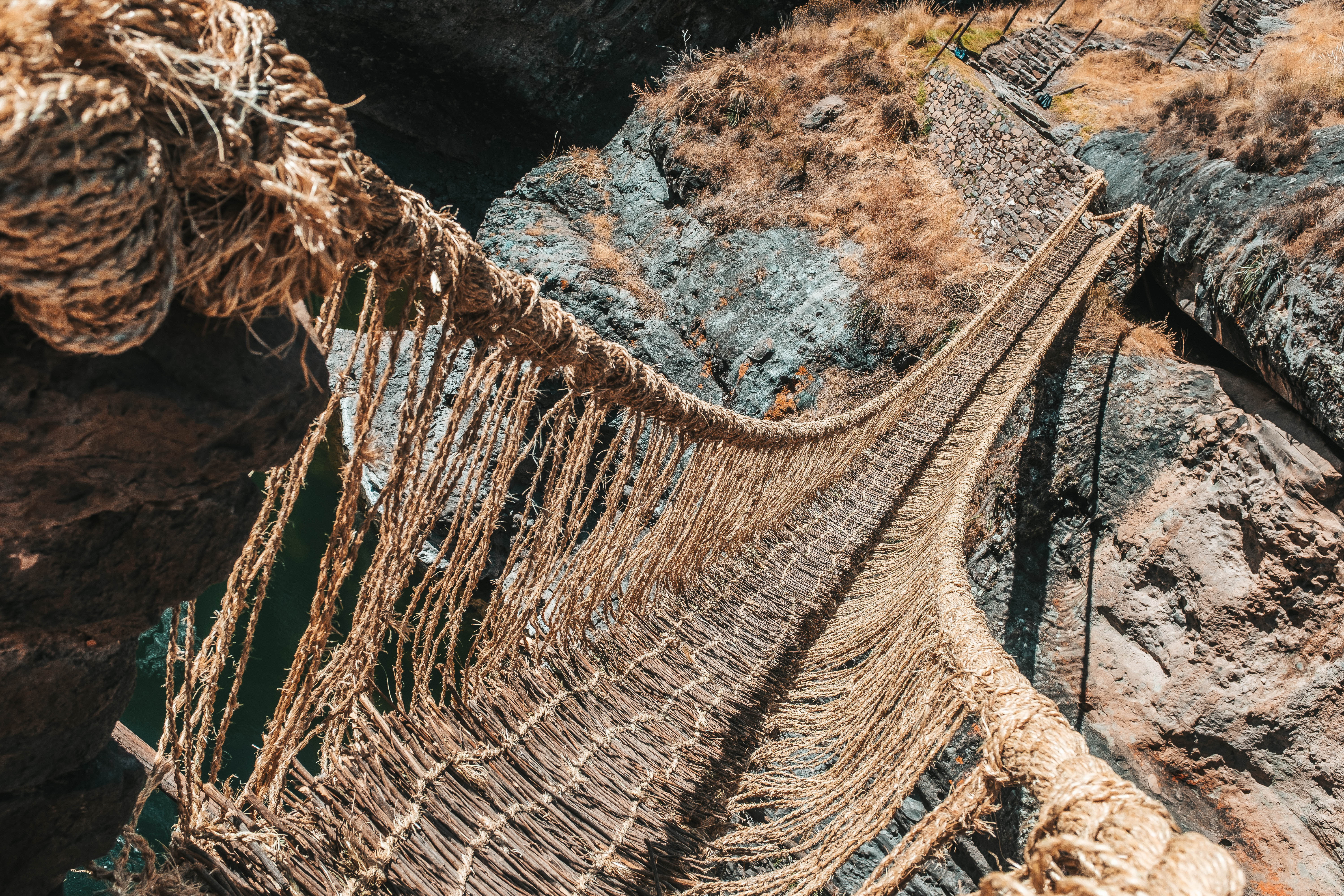
Q’eswachaka Rope Bridge
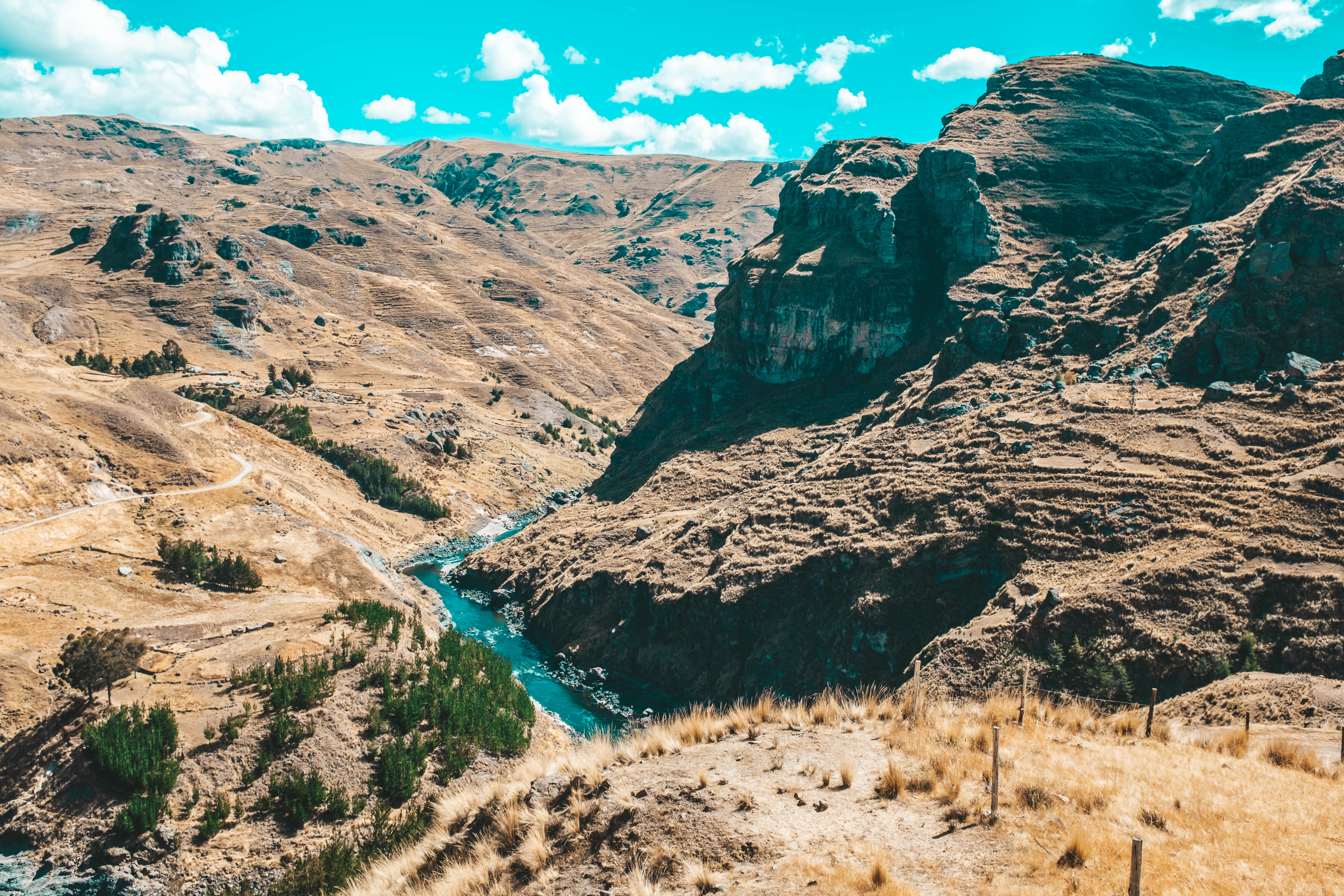
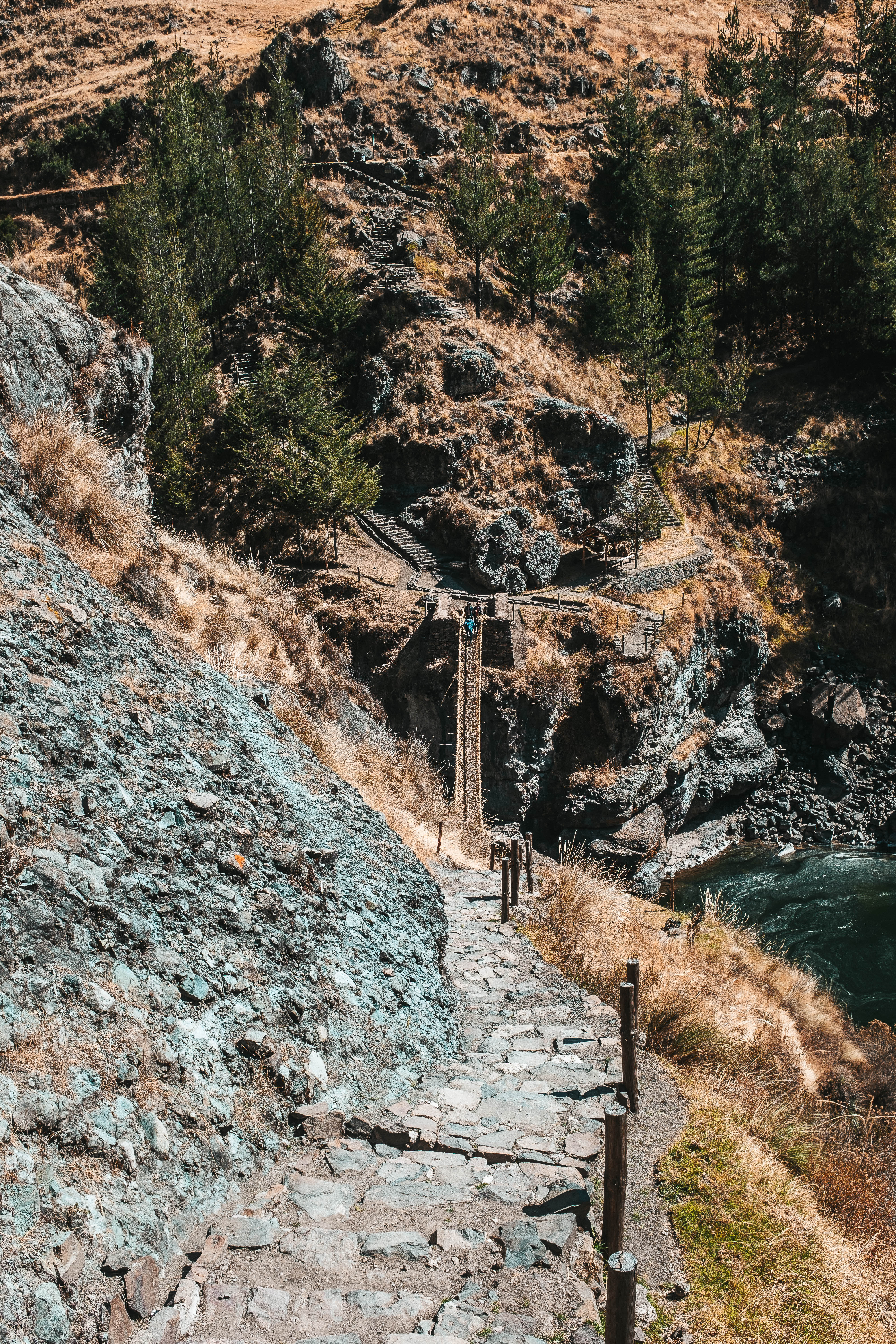
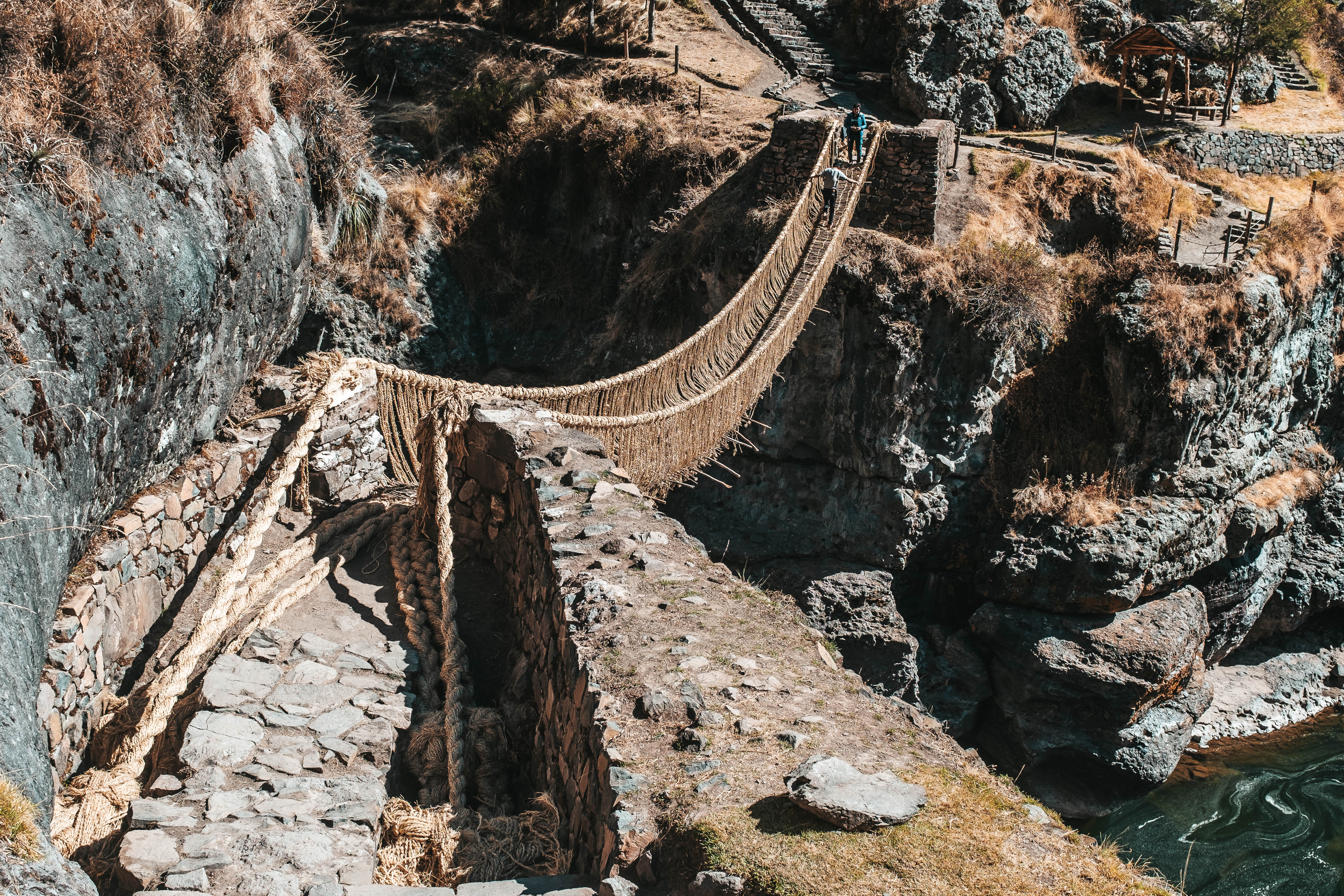
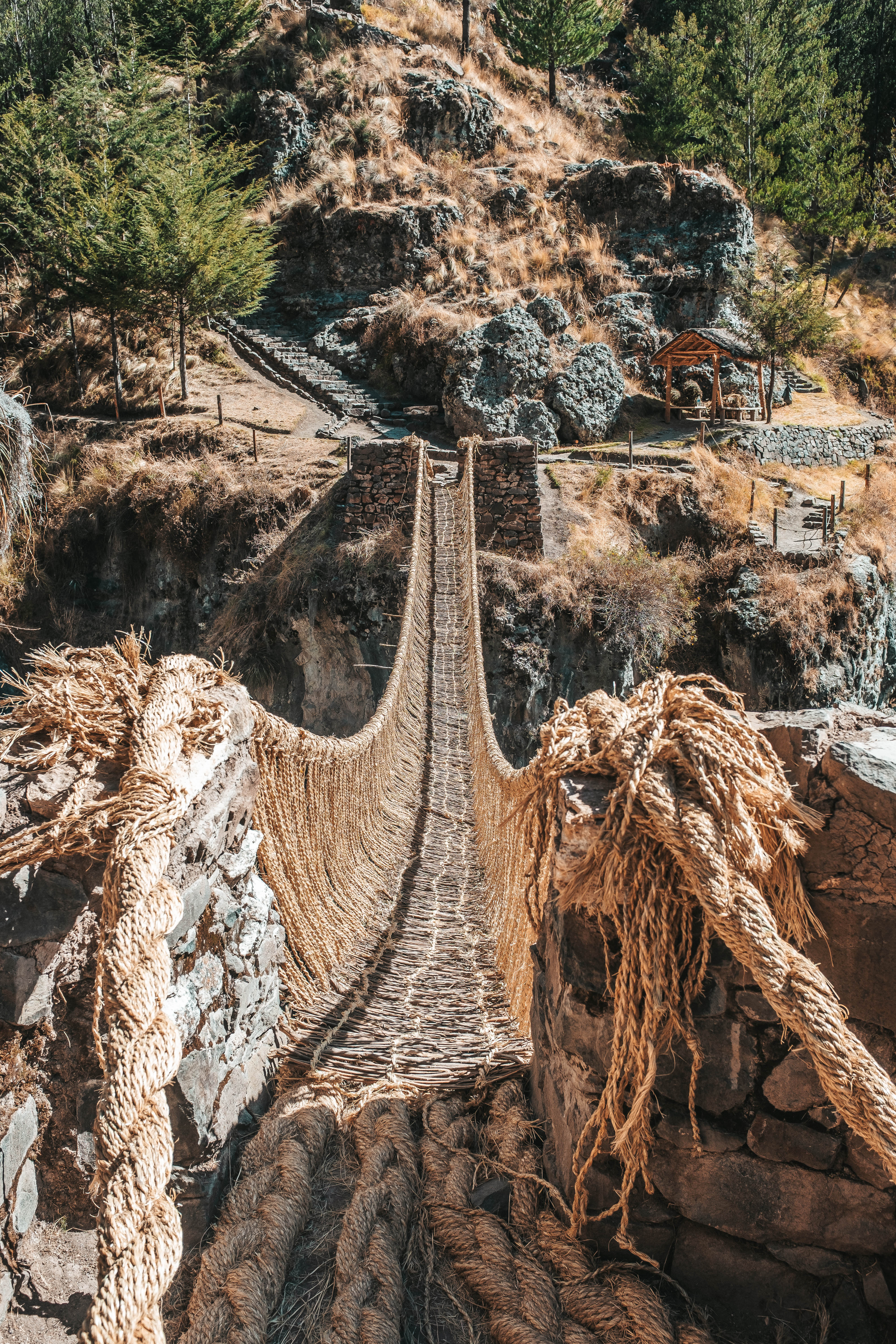
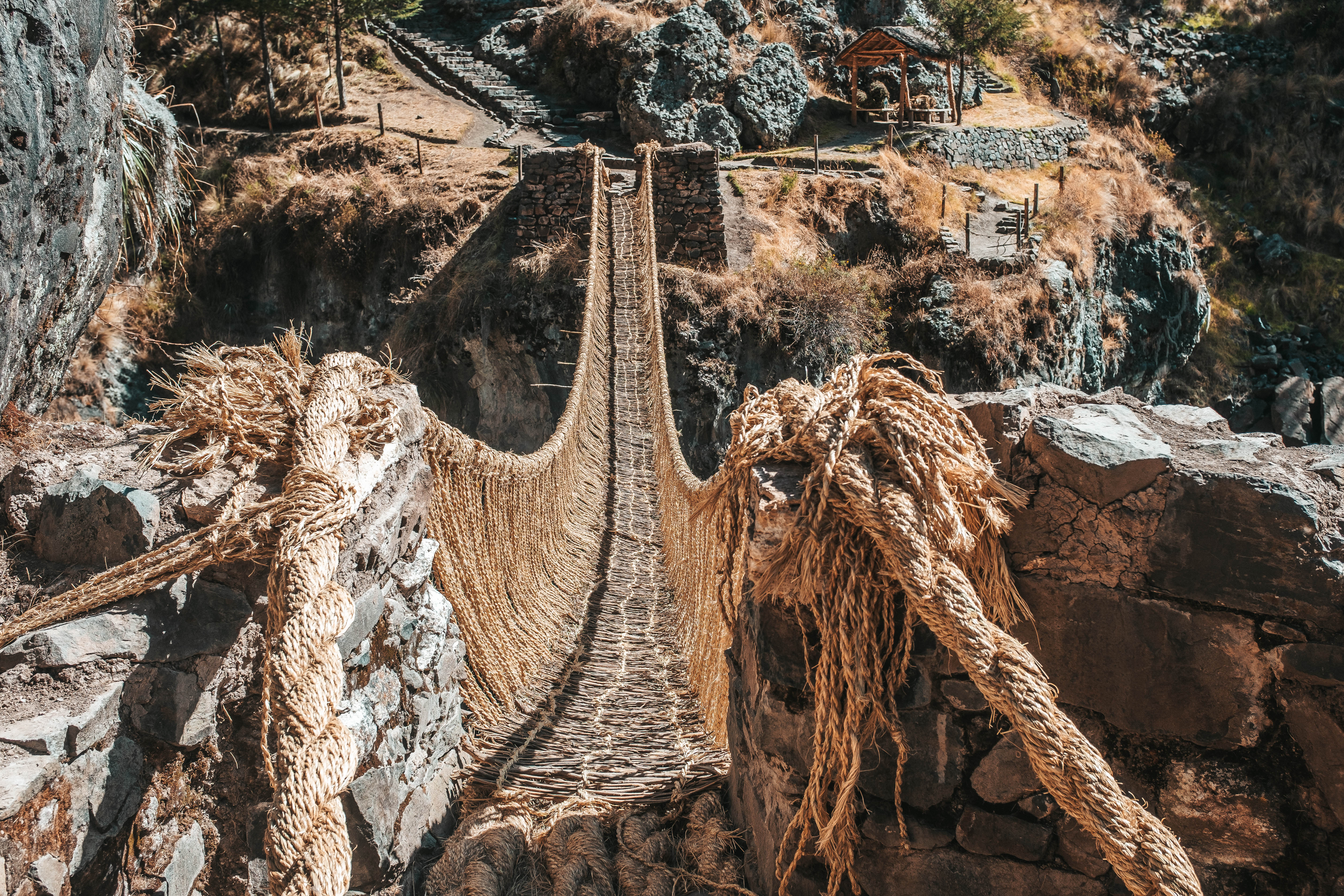
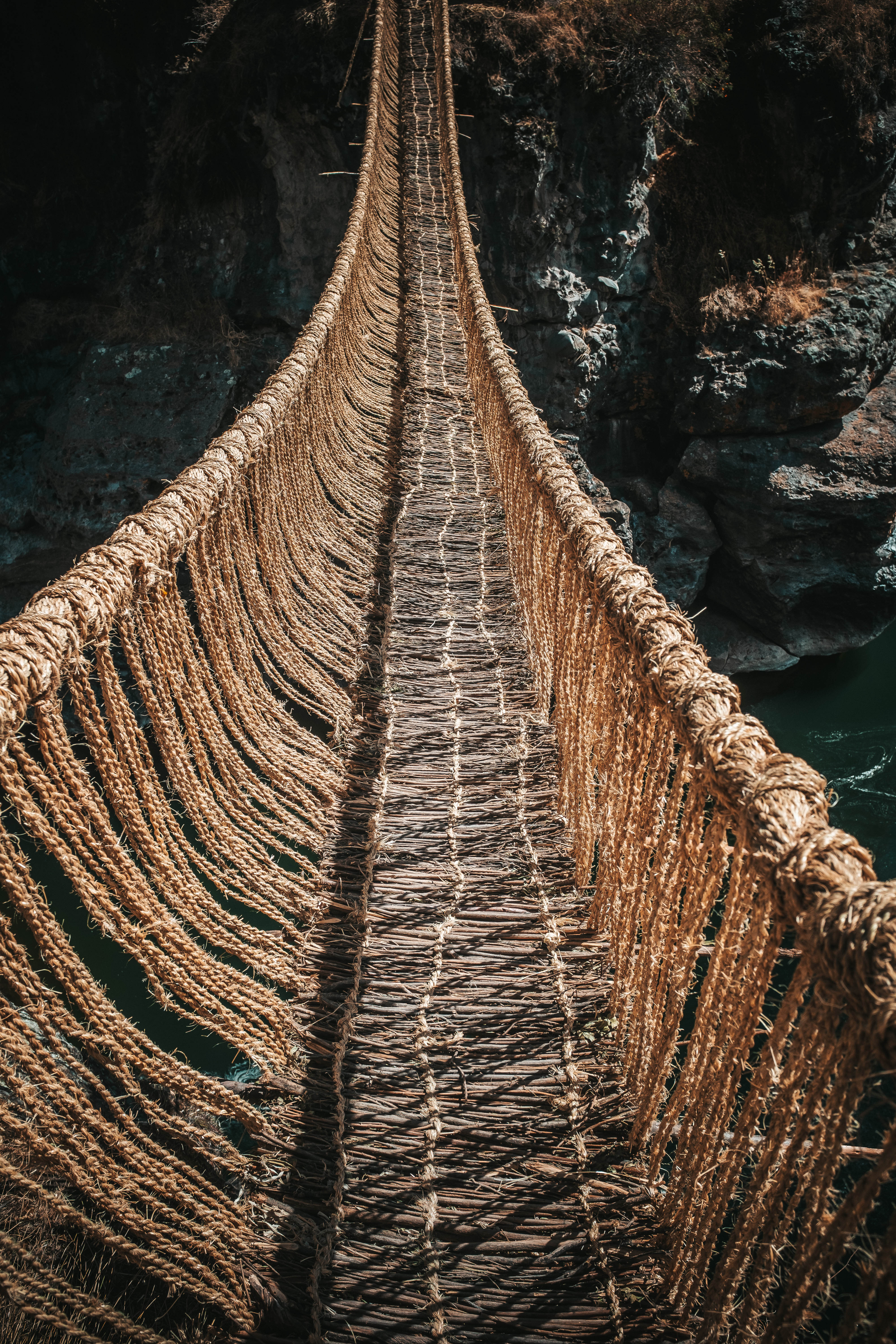
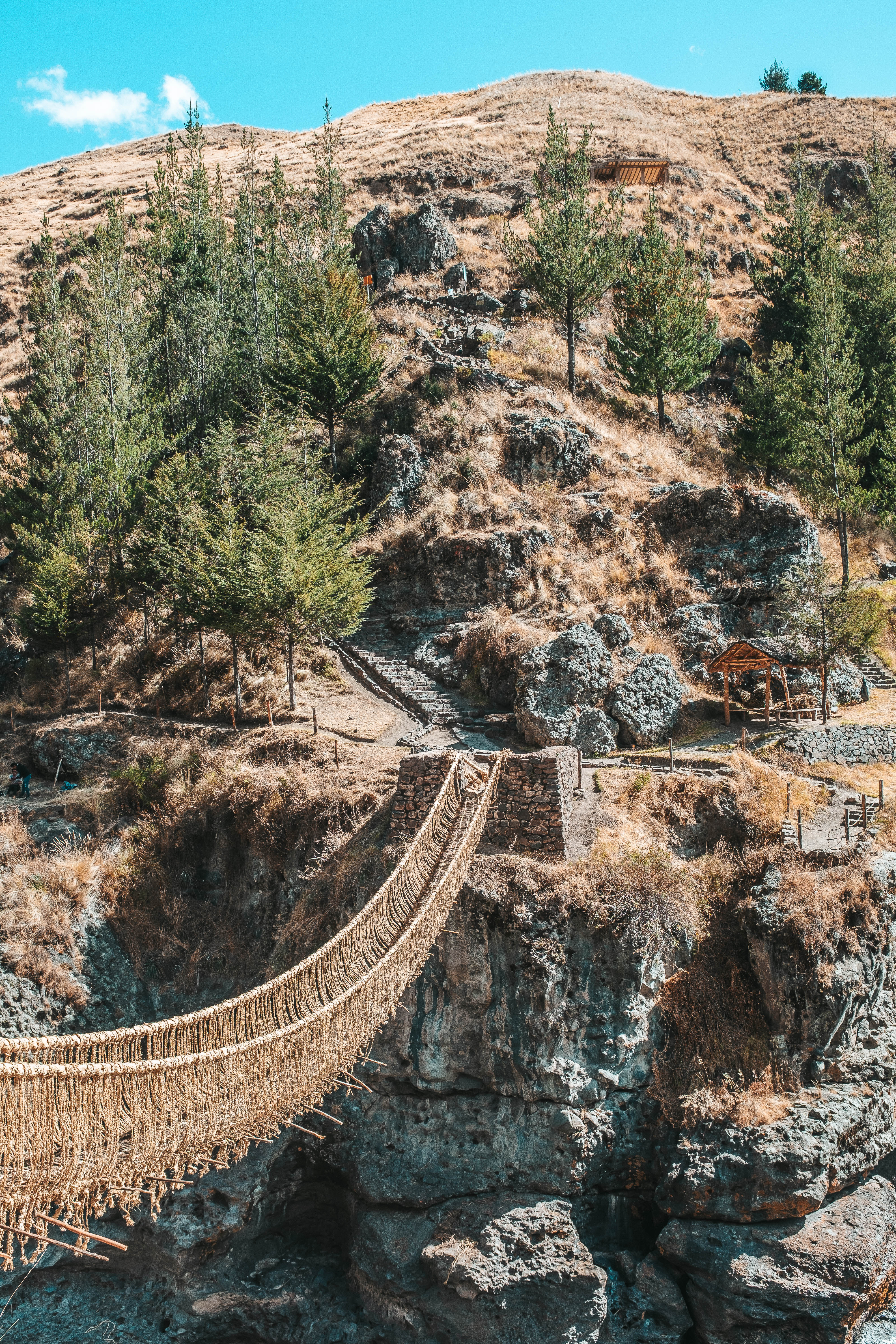
Made of woven grass, the bridge spans 118 feet and hangs 60 feet above the canyon’s rushing river. The Incan women braided small, thin ropes, which were then braided again by the men into large support cables, much like a modern steel suspension bridge. Handwoven bridges have been part of the trail and roadway system for over 500 years, and were held in very high regard by the Inca. The punishment for tampering with such a bridge was death.
“Q’eswachaka Rope Bridge,” Atlas Obscura


Uros Islands
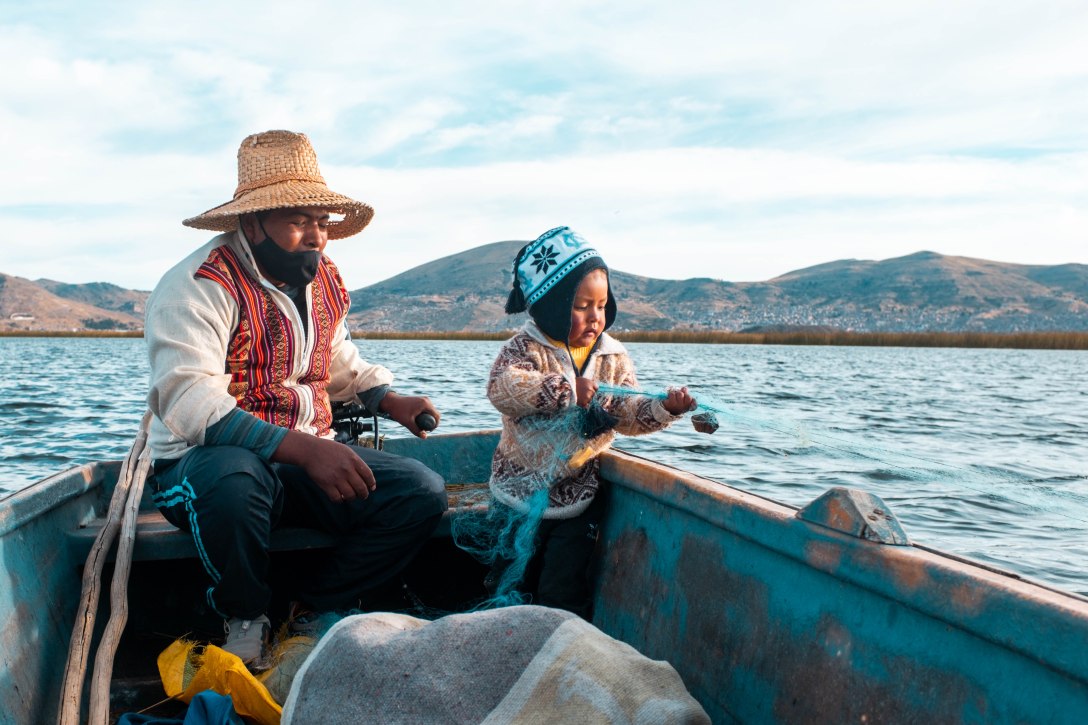
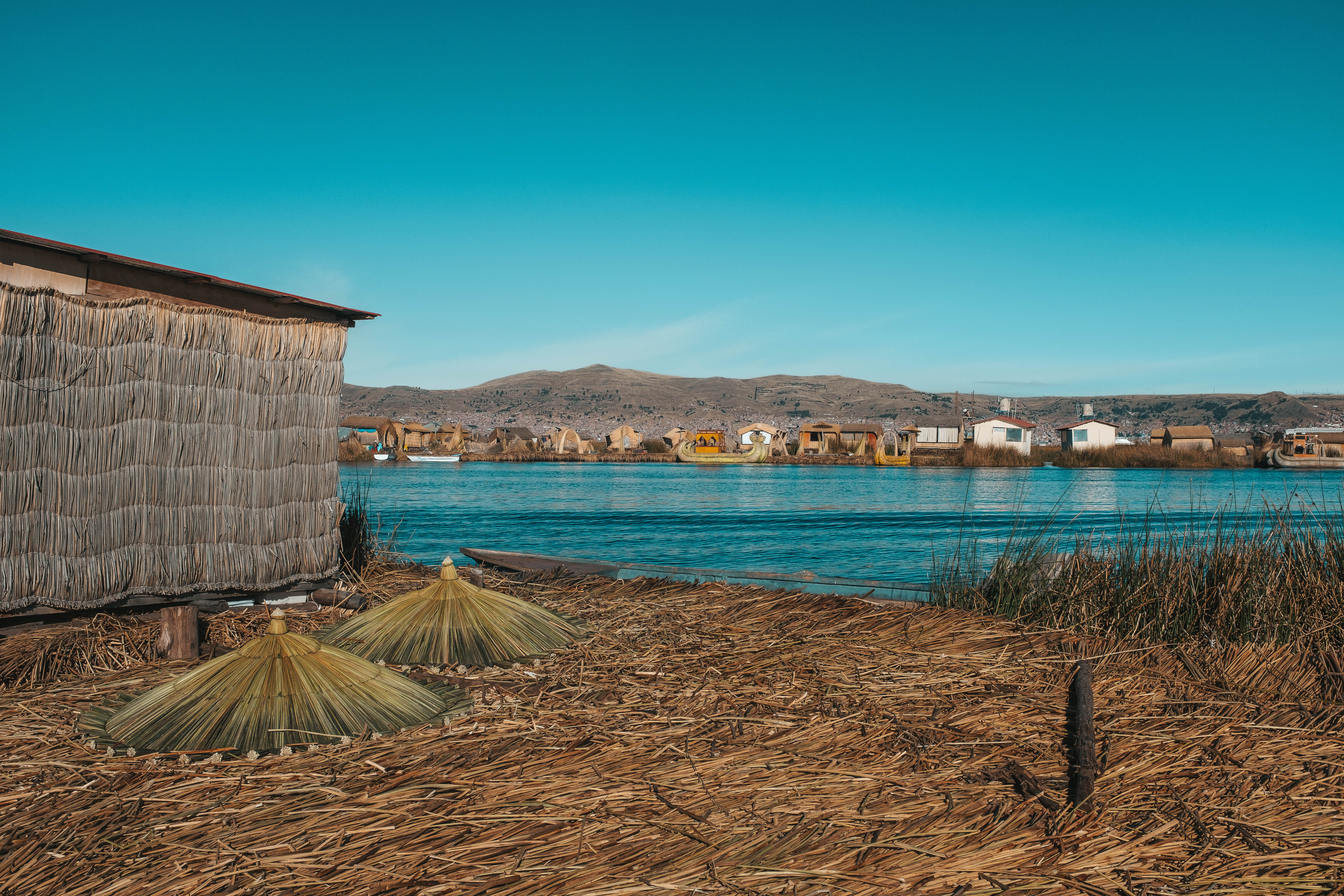
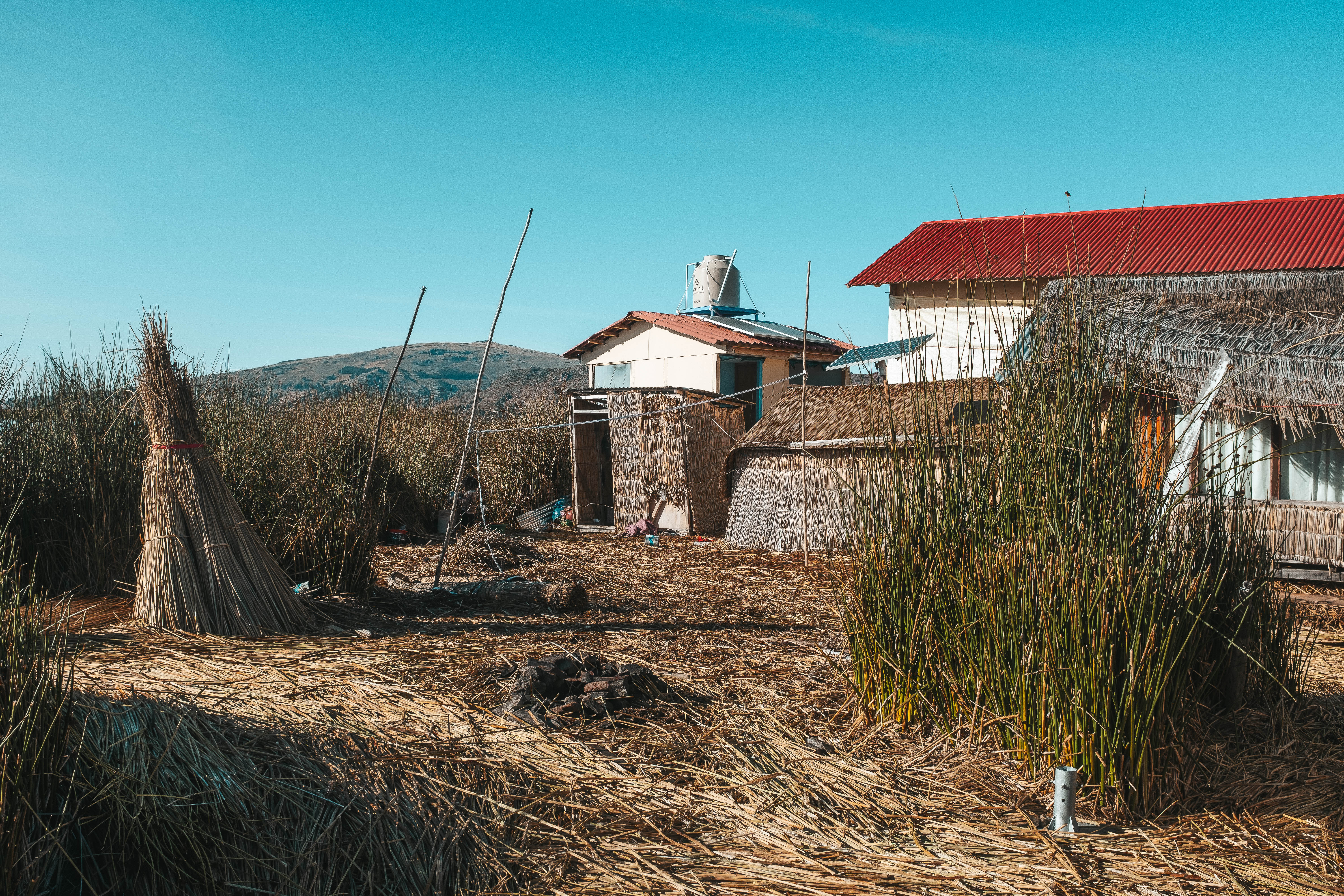
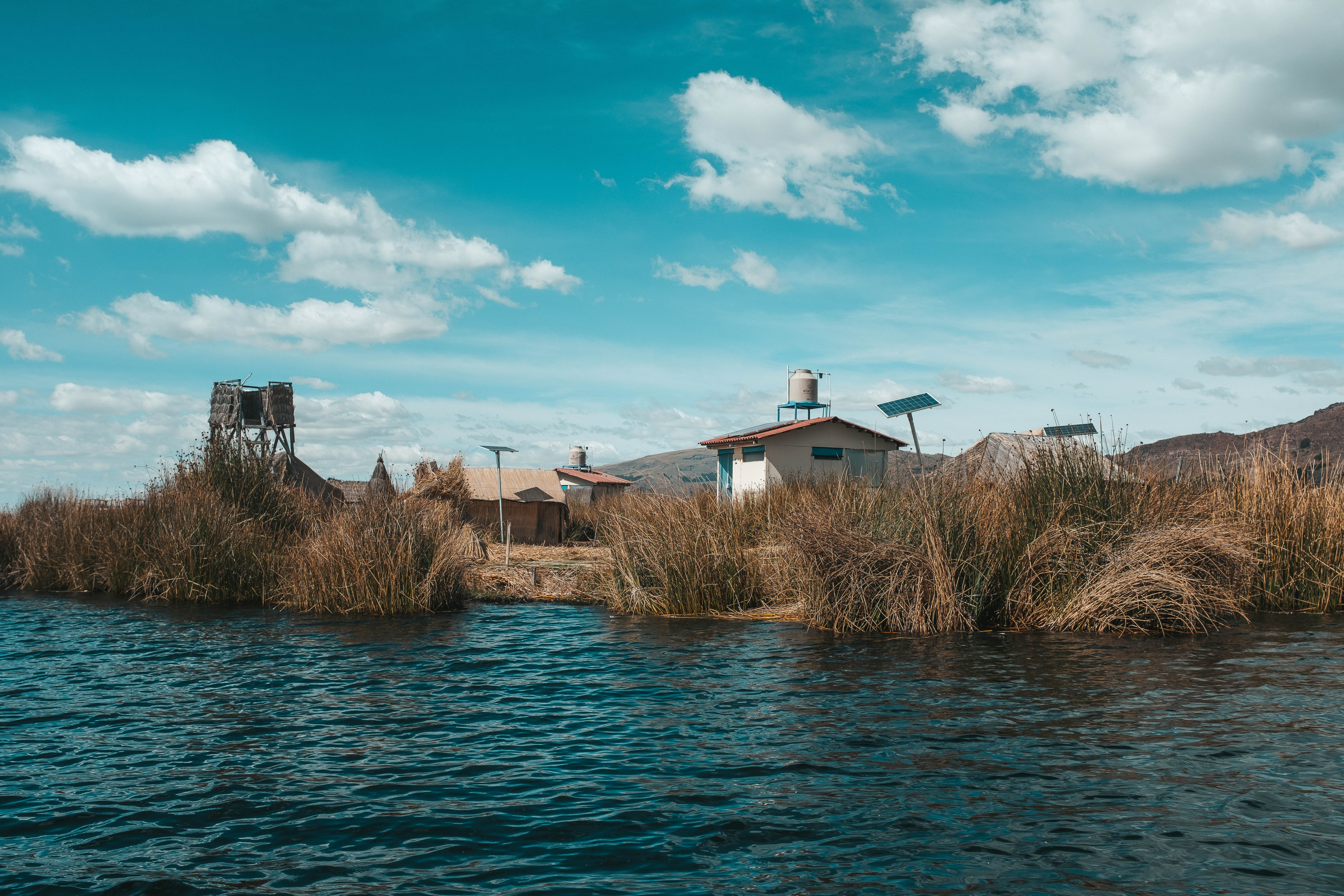
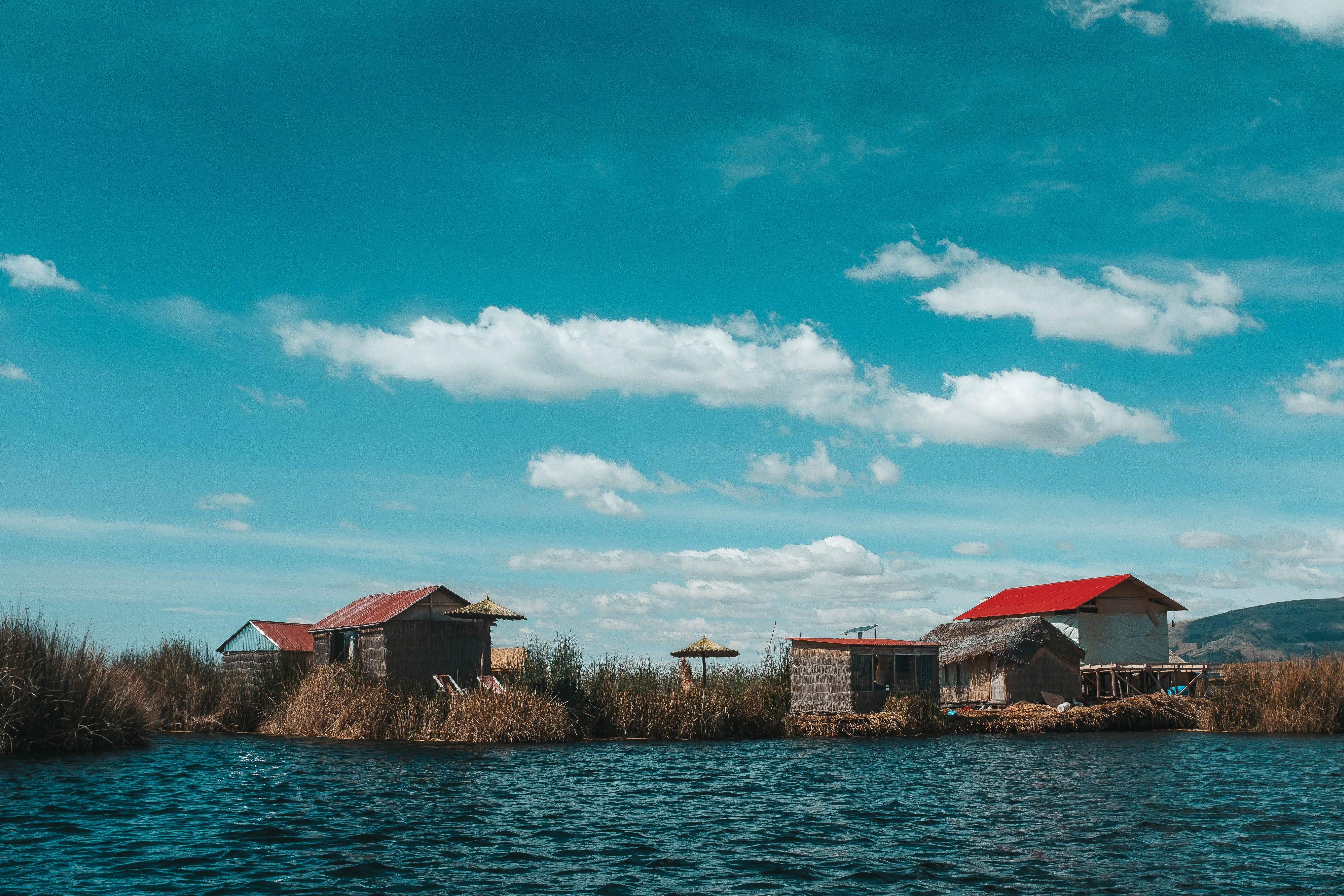
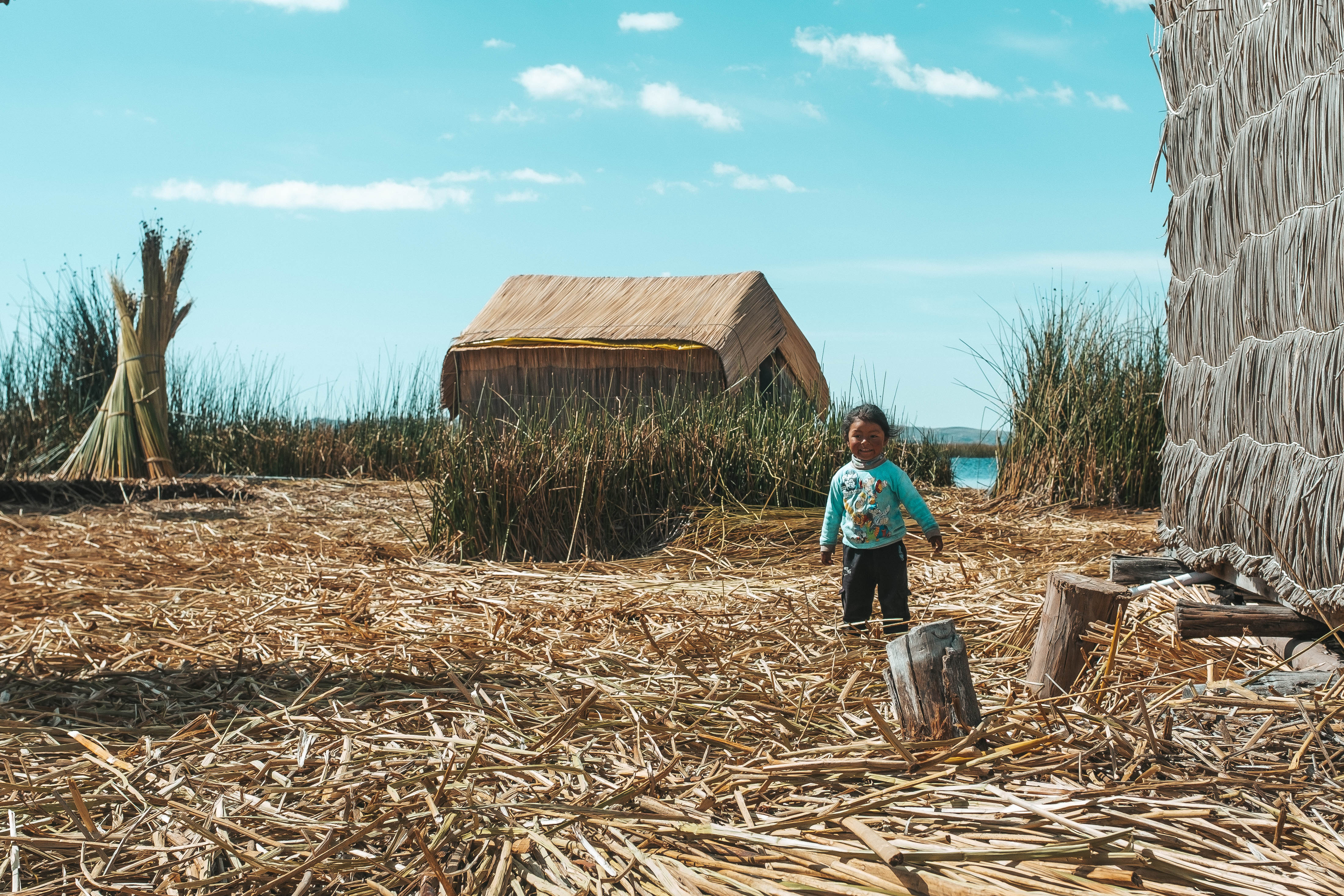
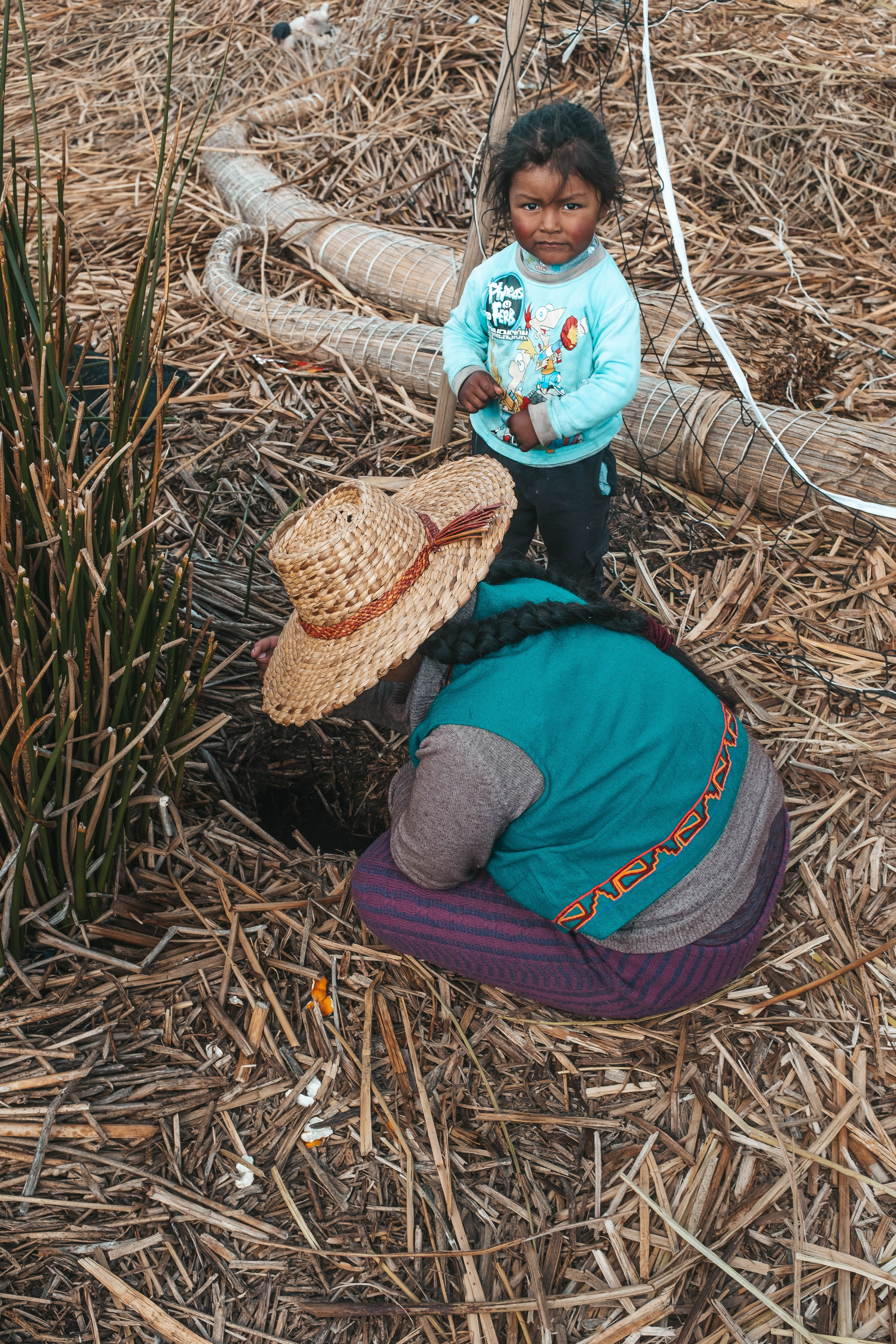
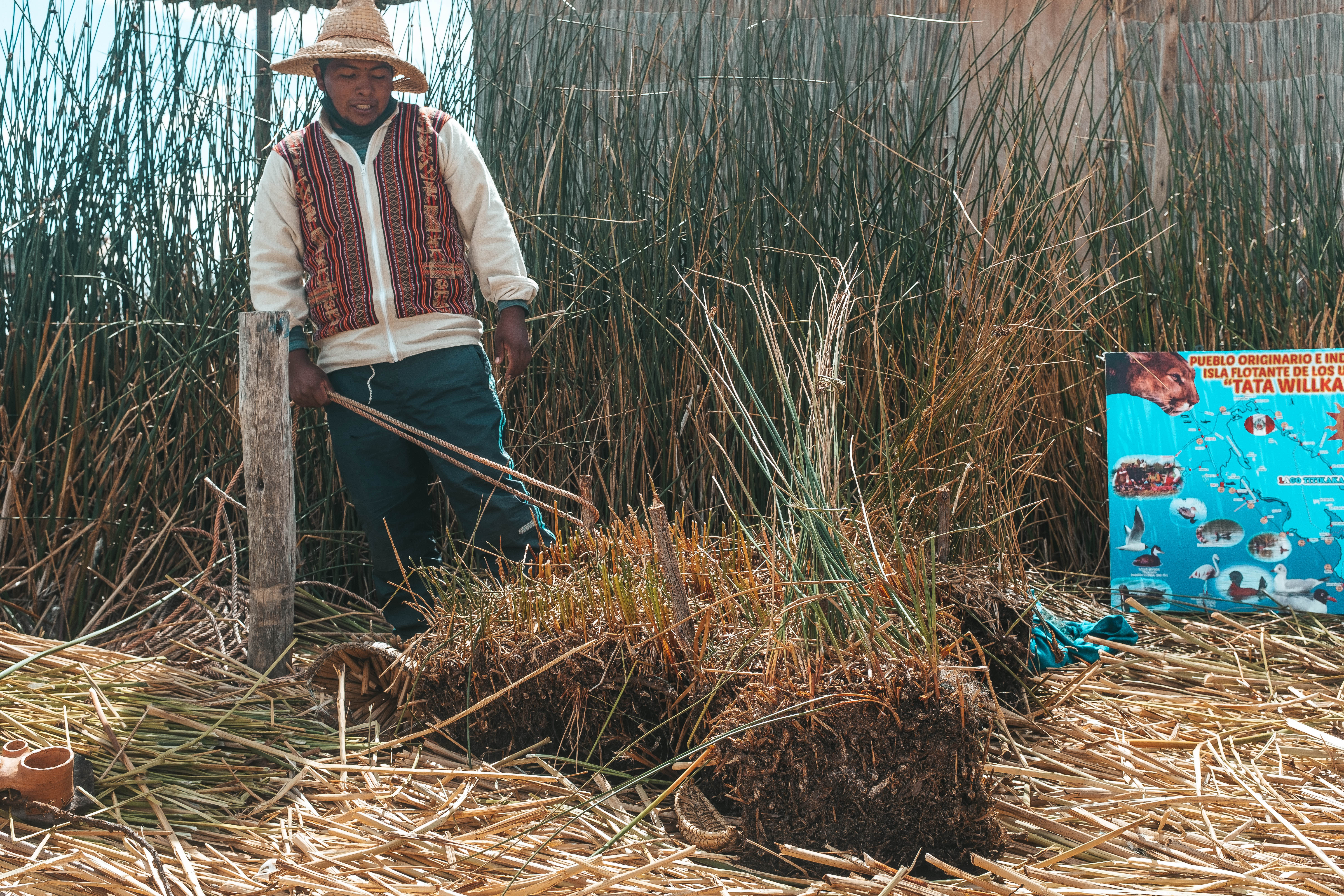
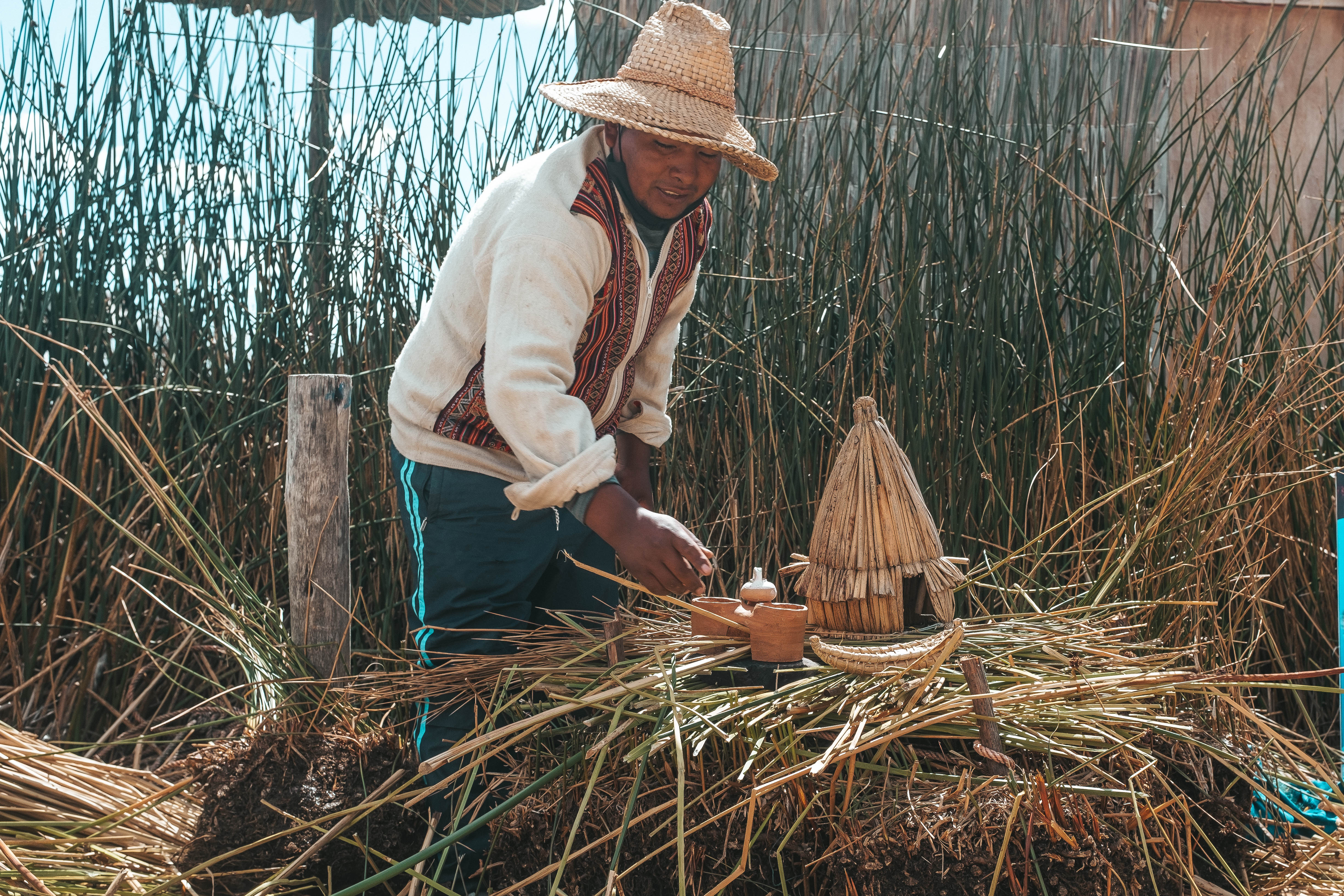
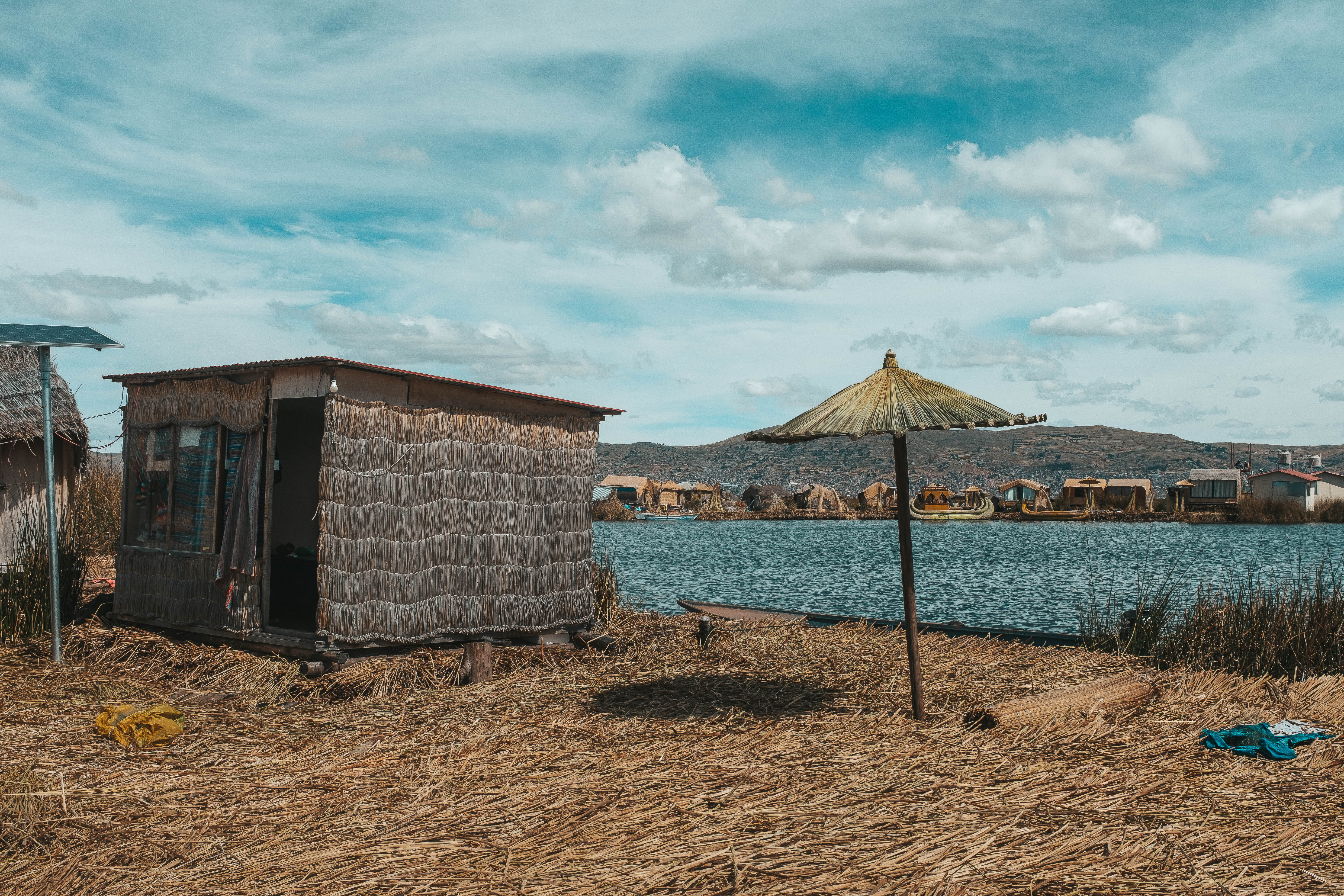
The Uru or Uros people are believed to be descended from the earliest inhabitants of Lake Titicaca. They’ve preserved a floating lifestyle for hundreds of years. To protect themselves from invading groups, the Uros built mobile islands from the endemic totora plant. If a threat emerged, they could simply move their islands elsewhere in the lake. While this worked for a while, both the Incas and Spanish eventually discovered their islands.
“Uros Islands: The Floating Villages of Lake Titicaca,” Peru for Less
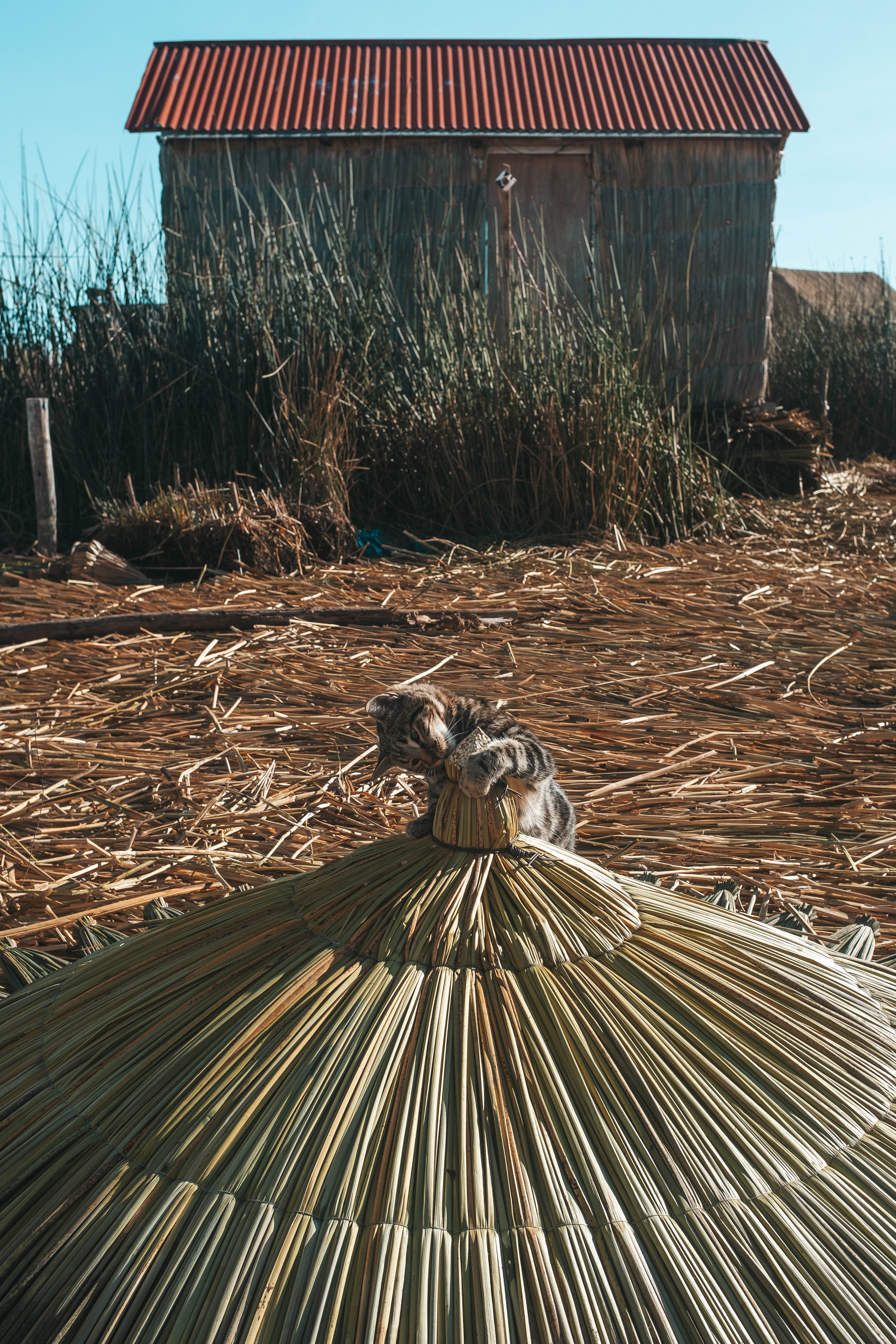
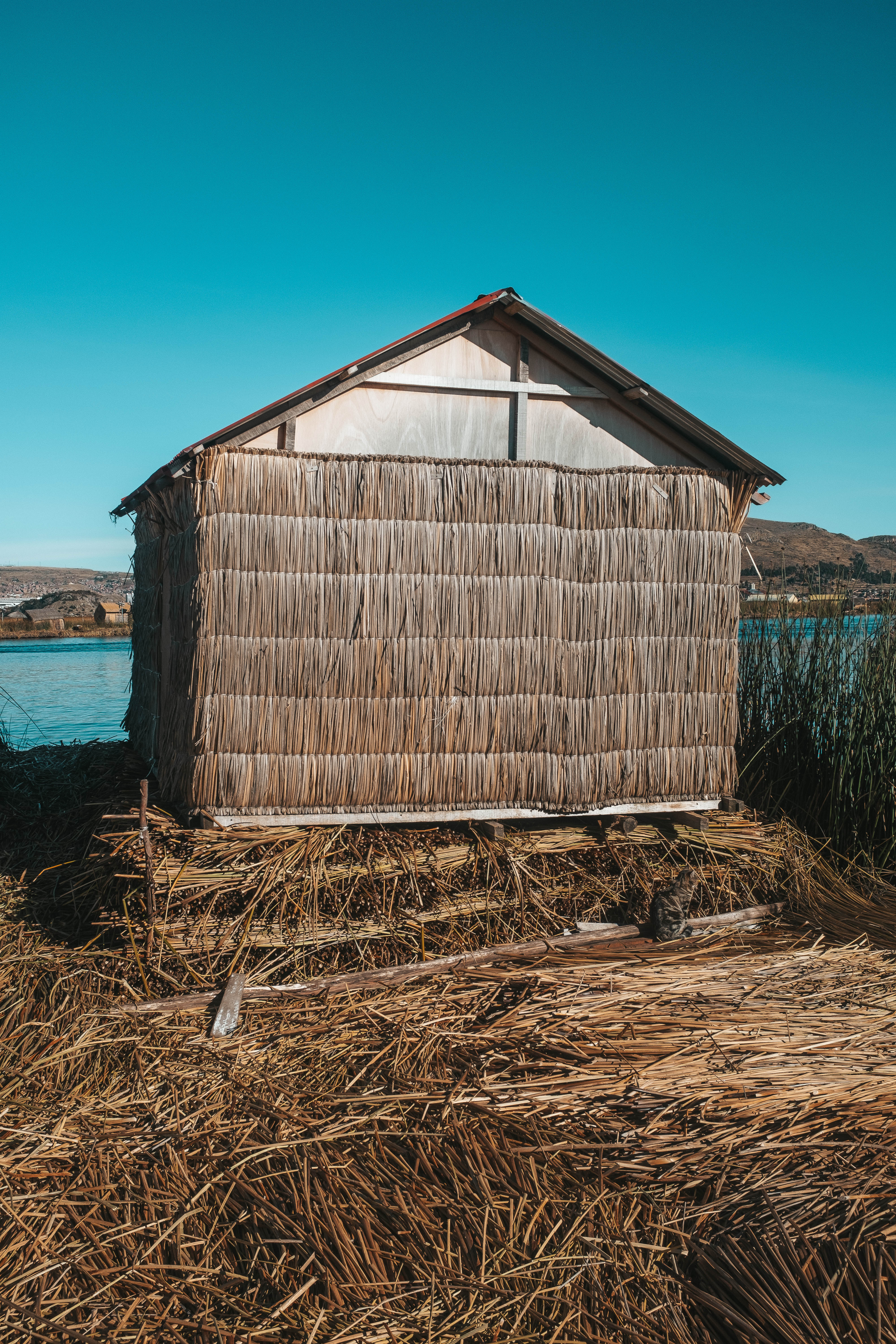

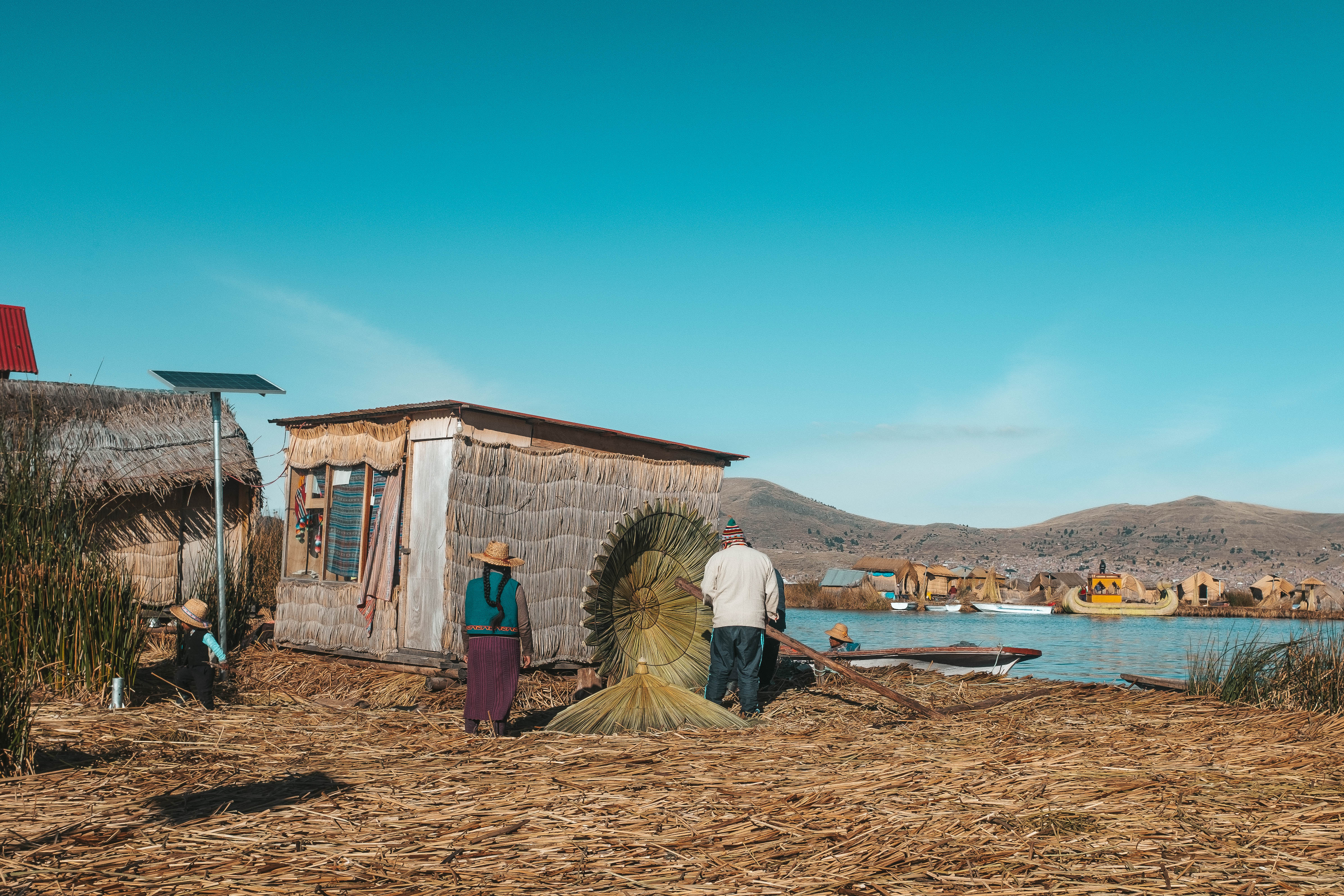
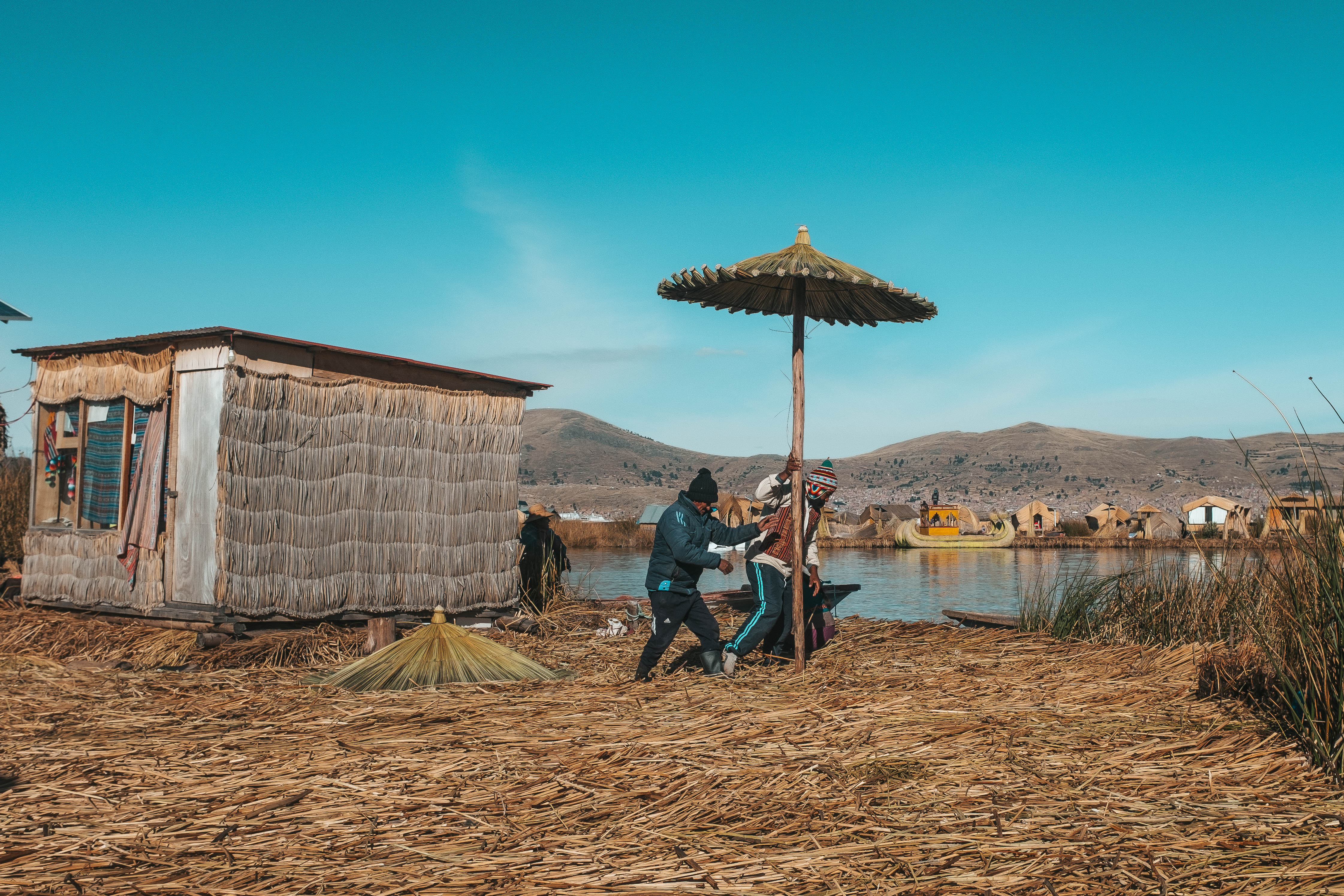
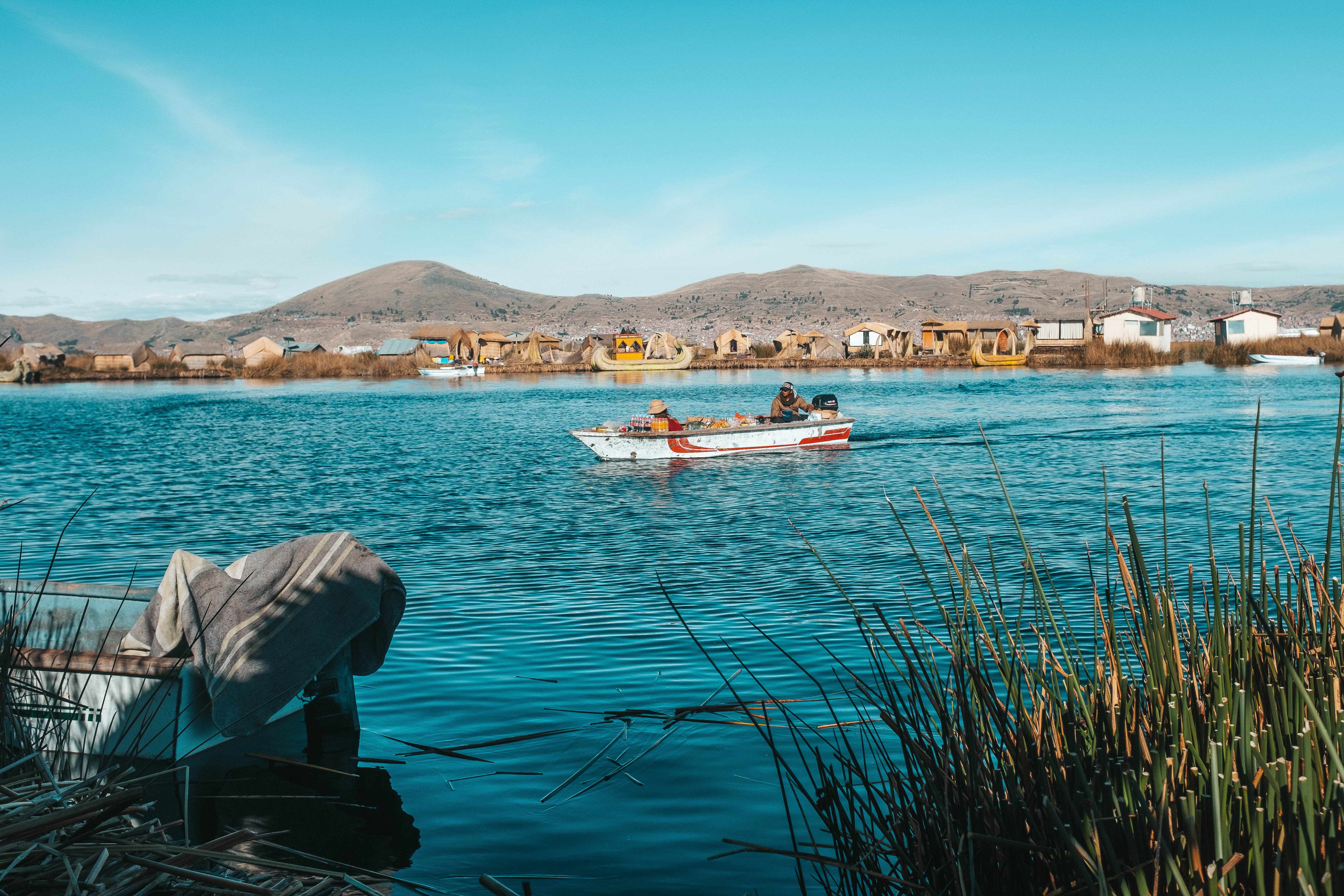


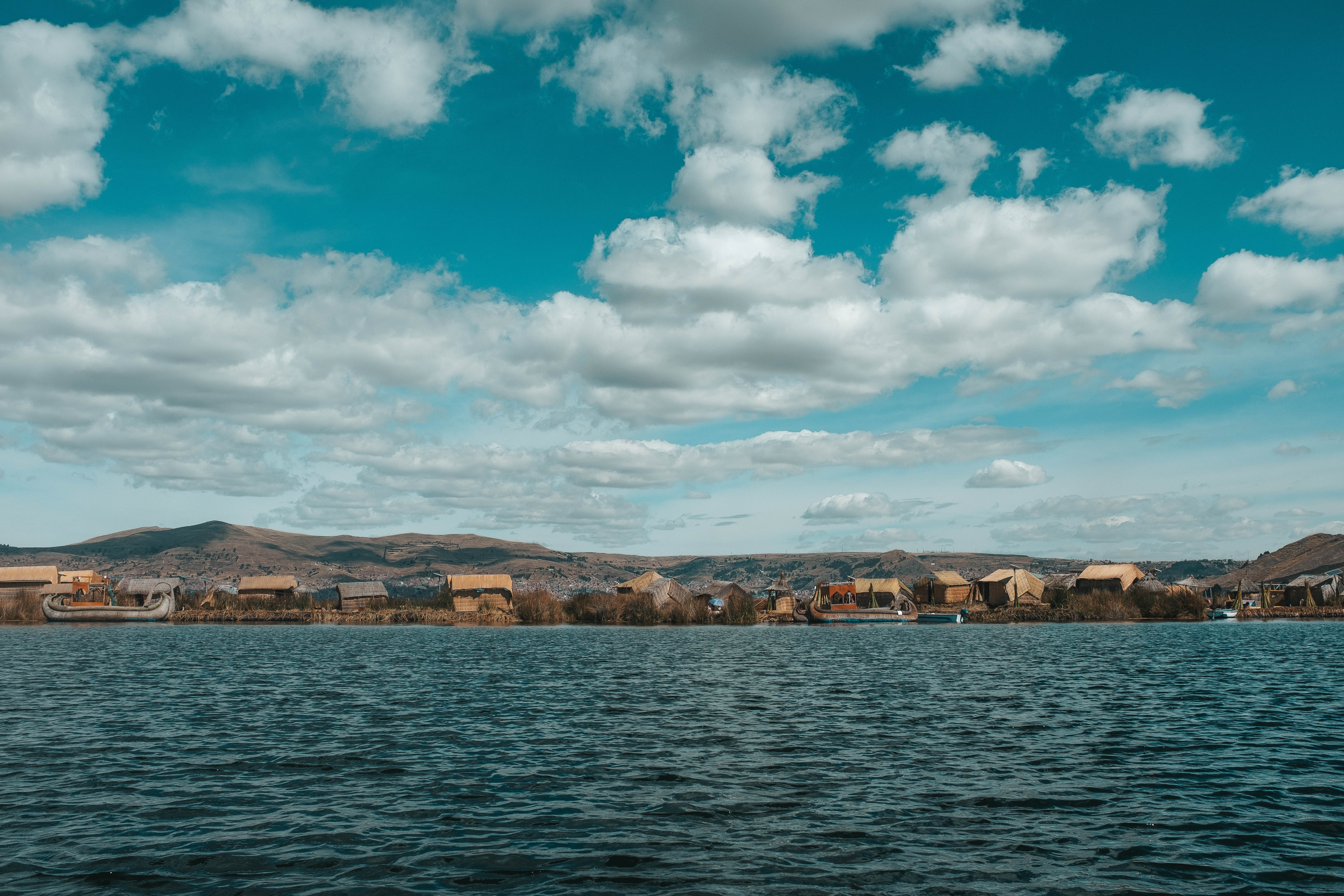
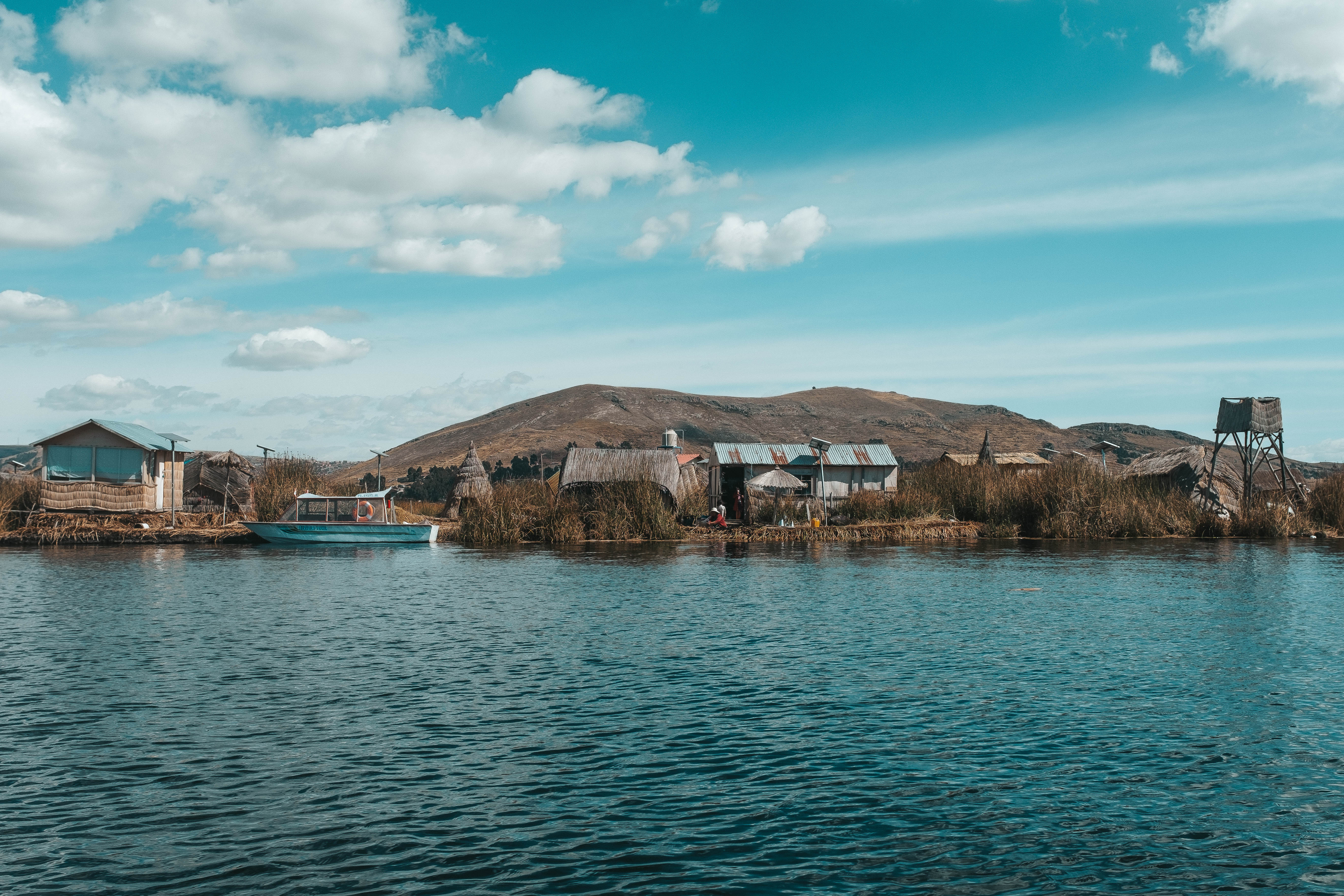
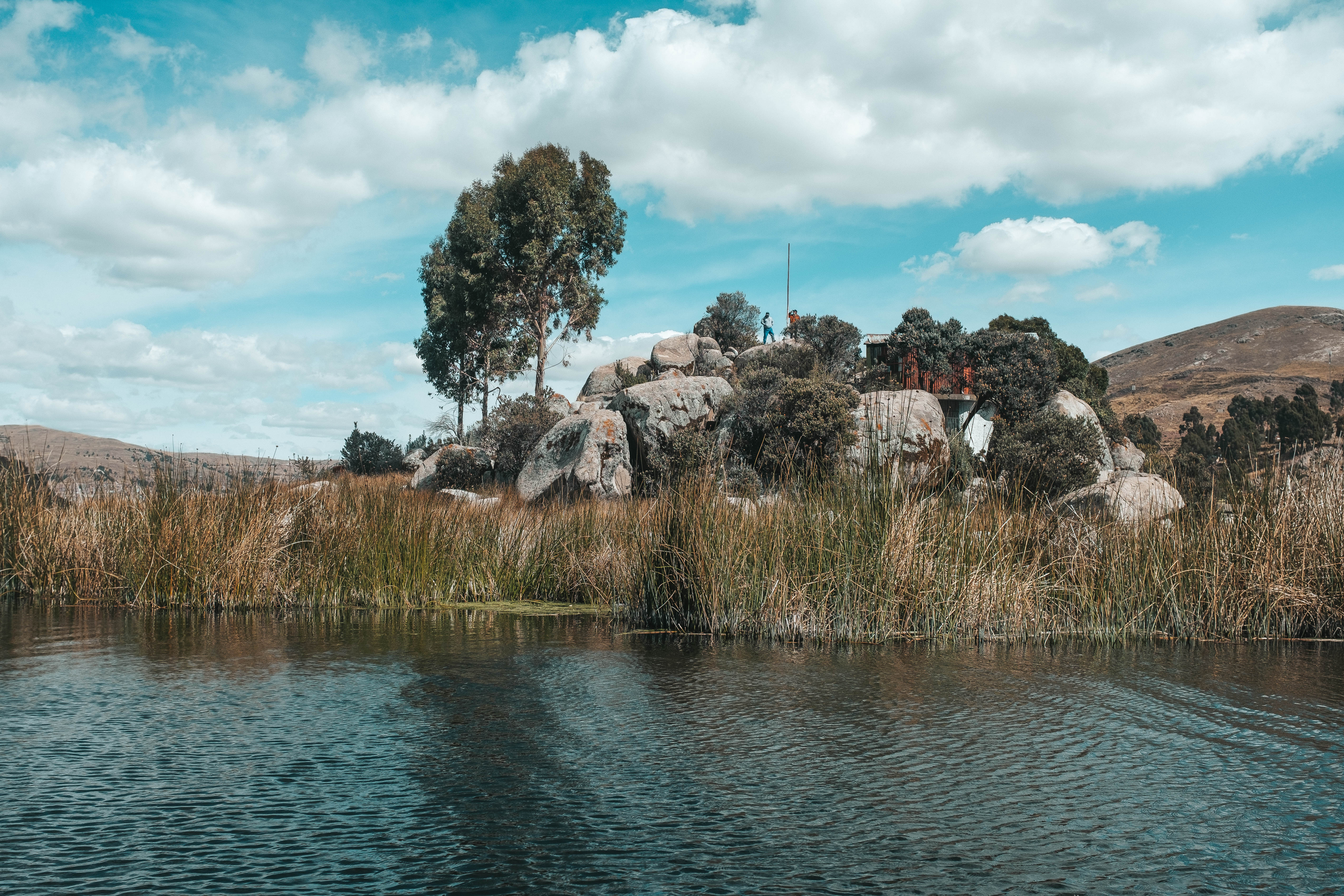

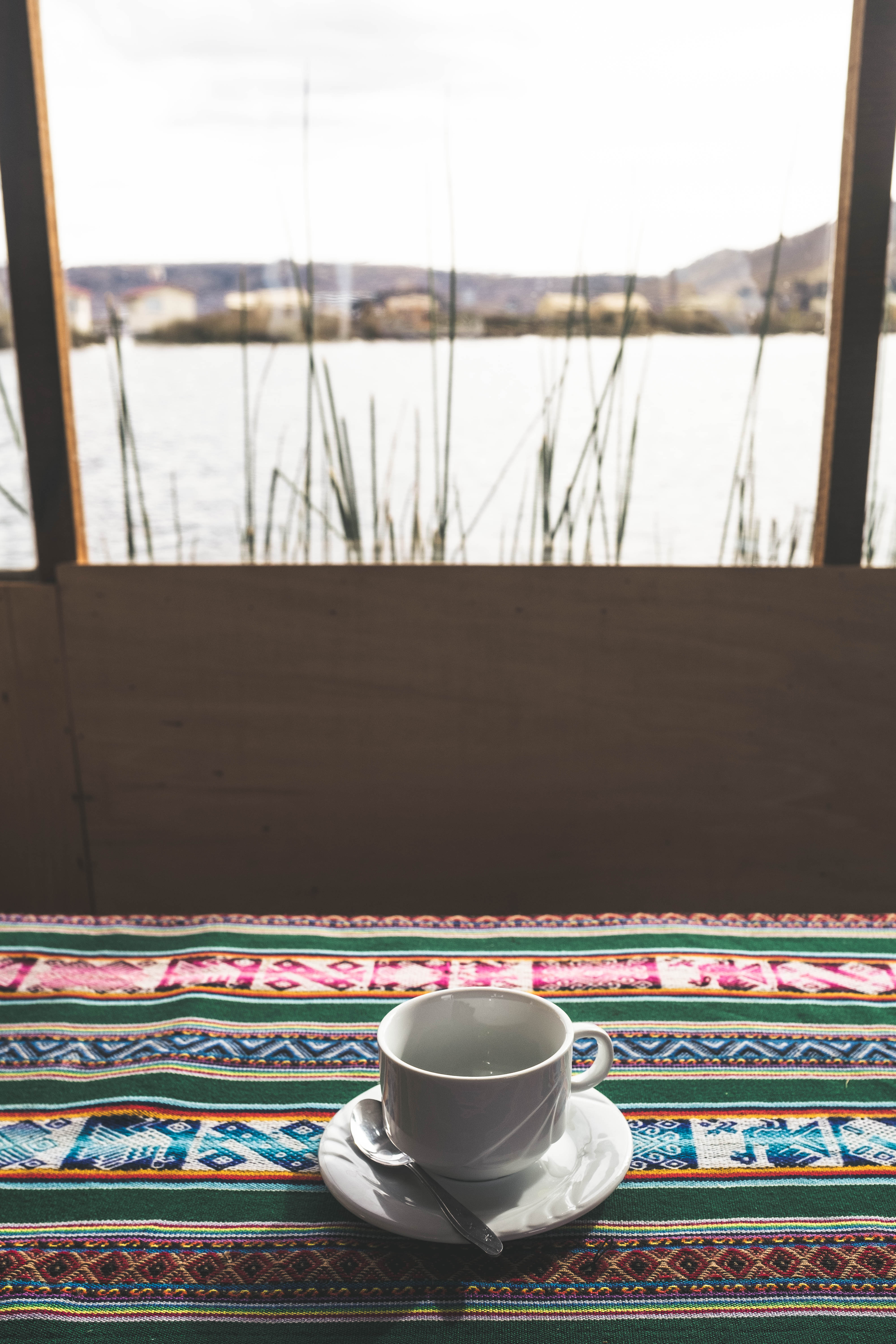
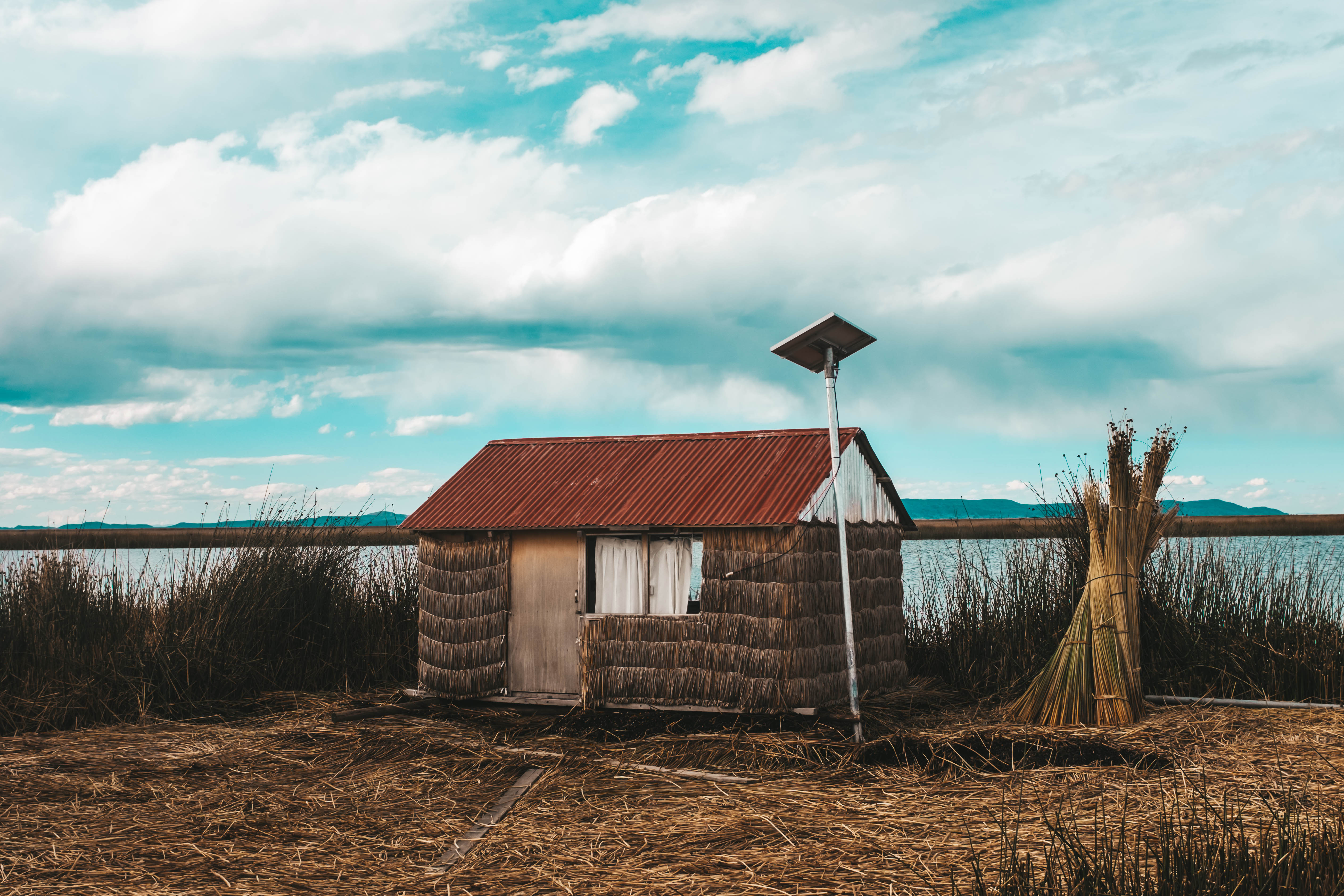
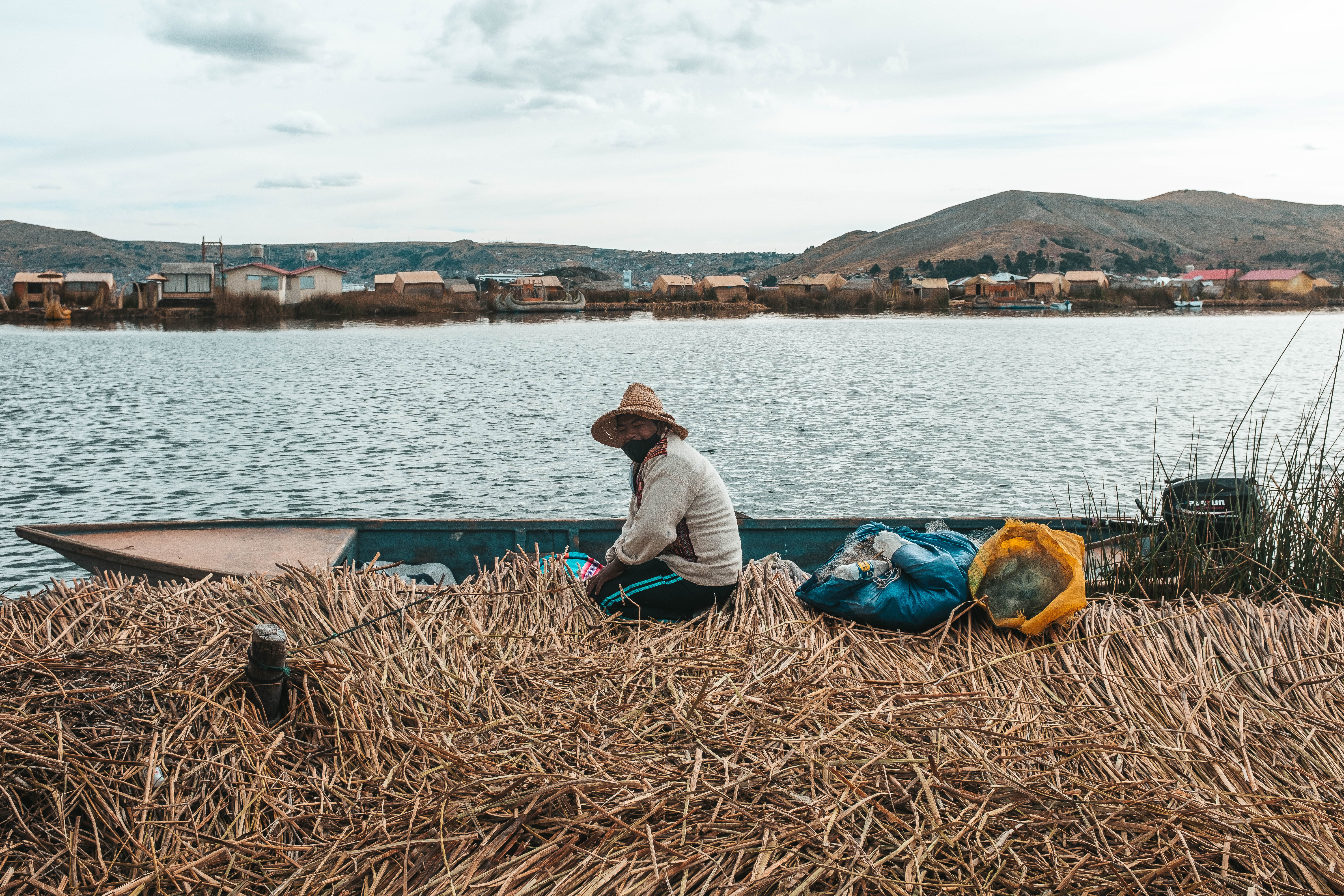

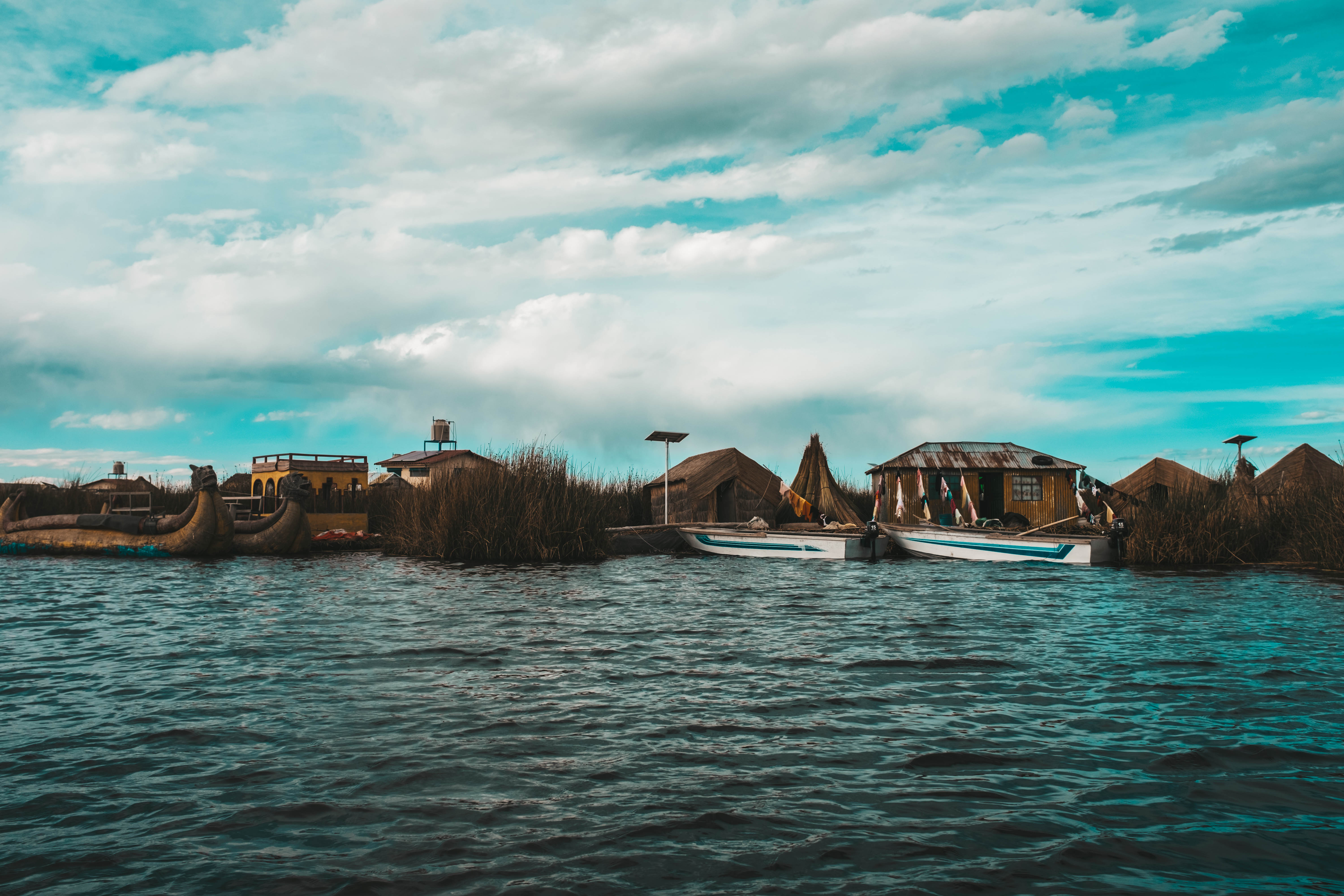
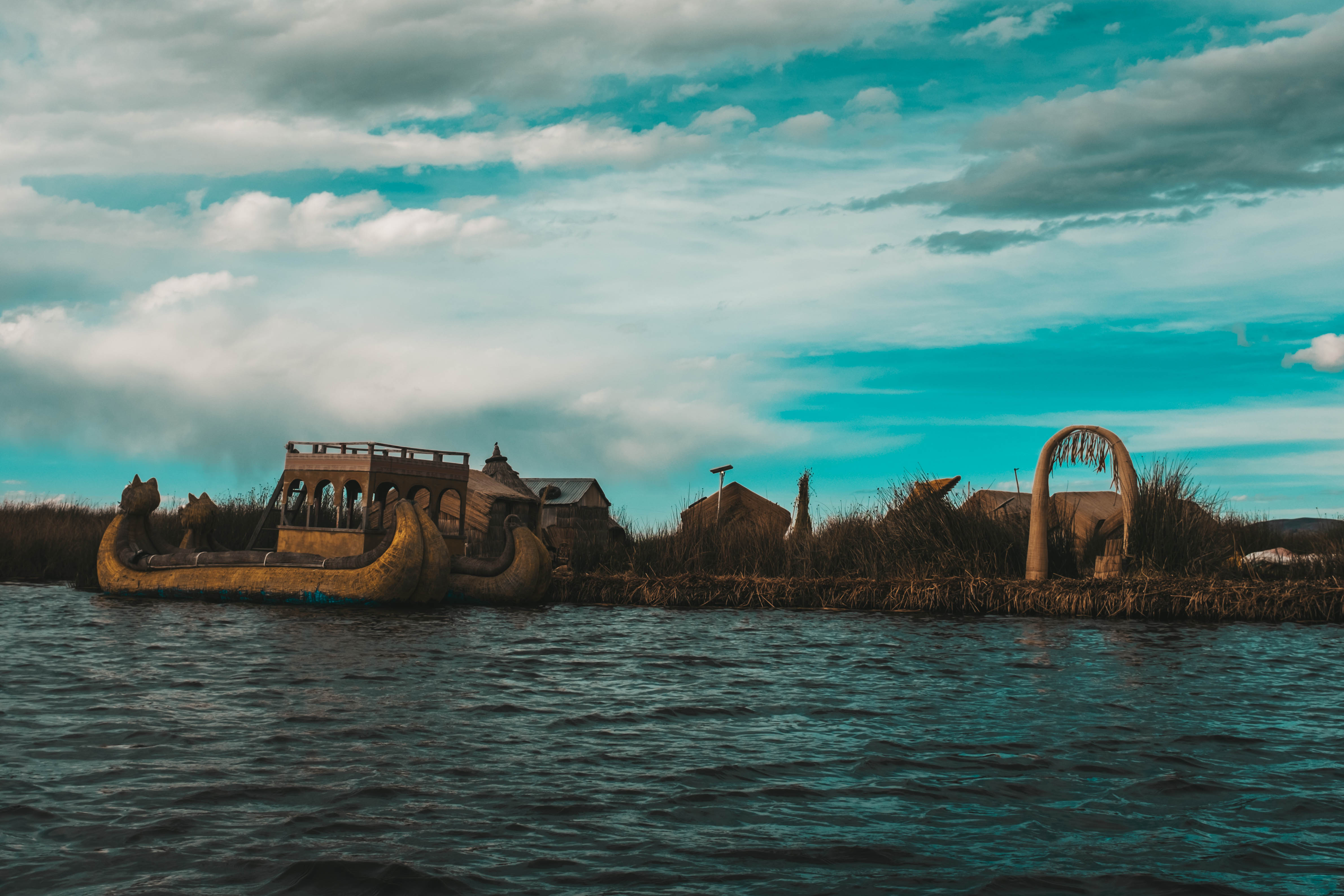

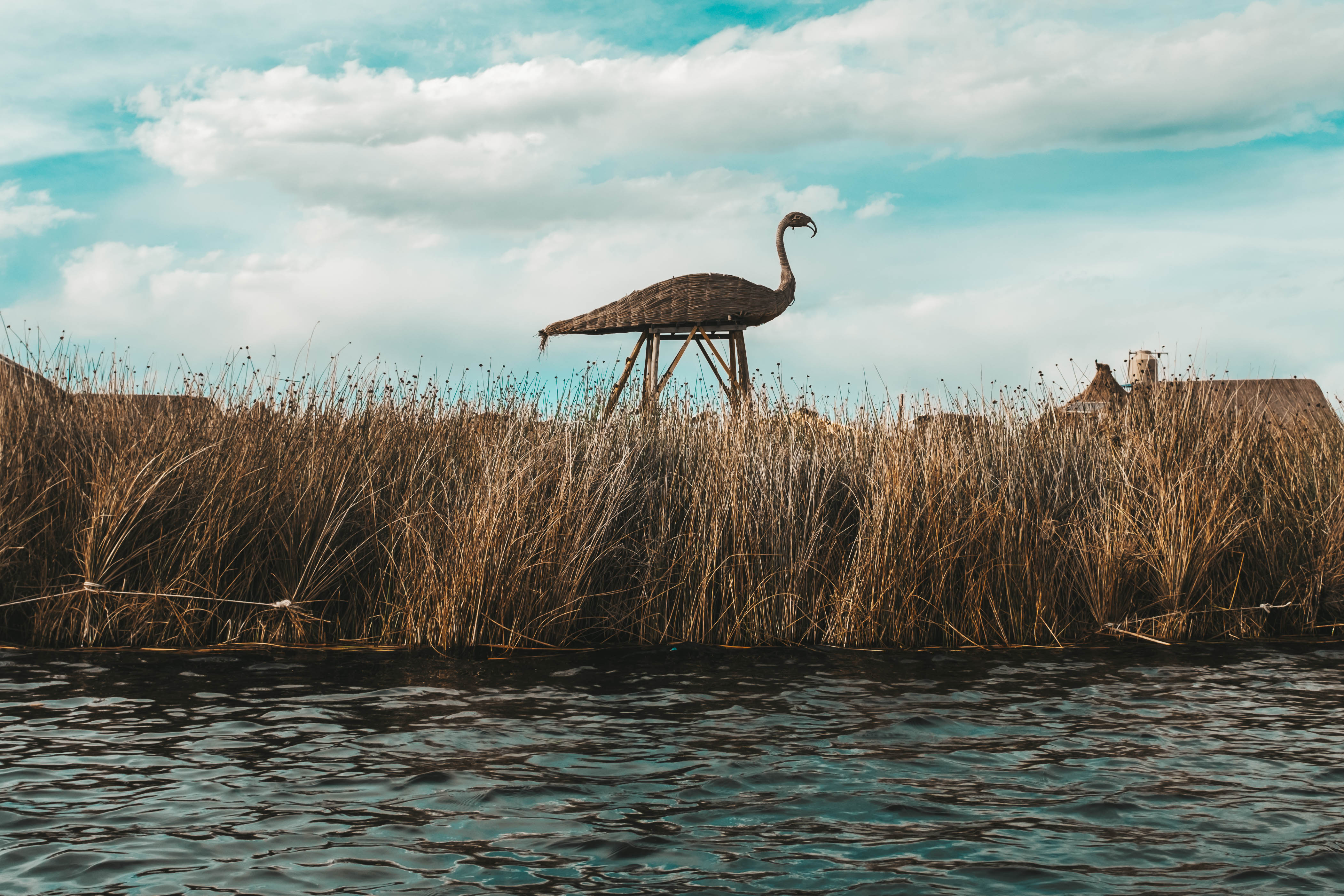
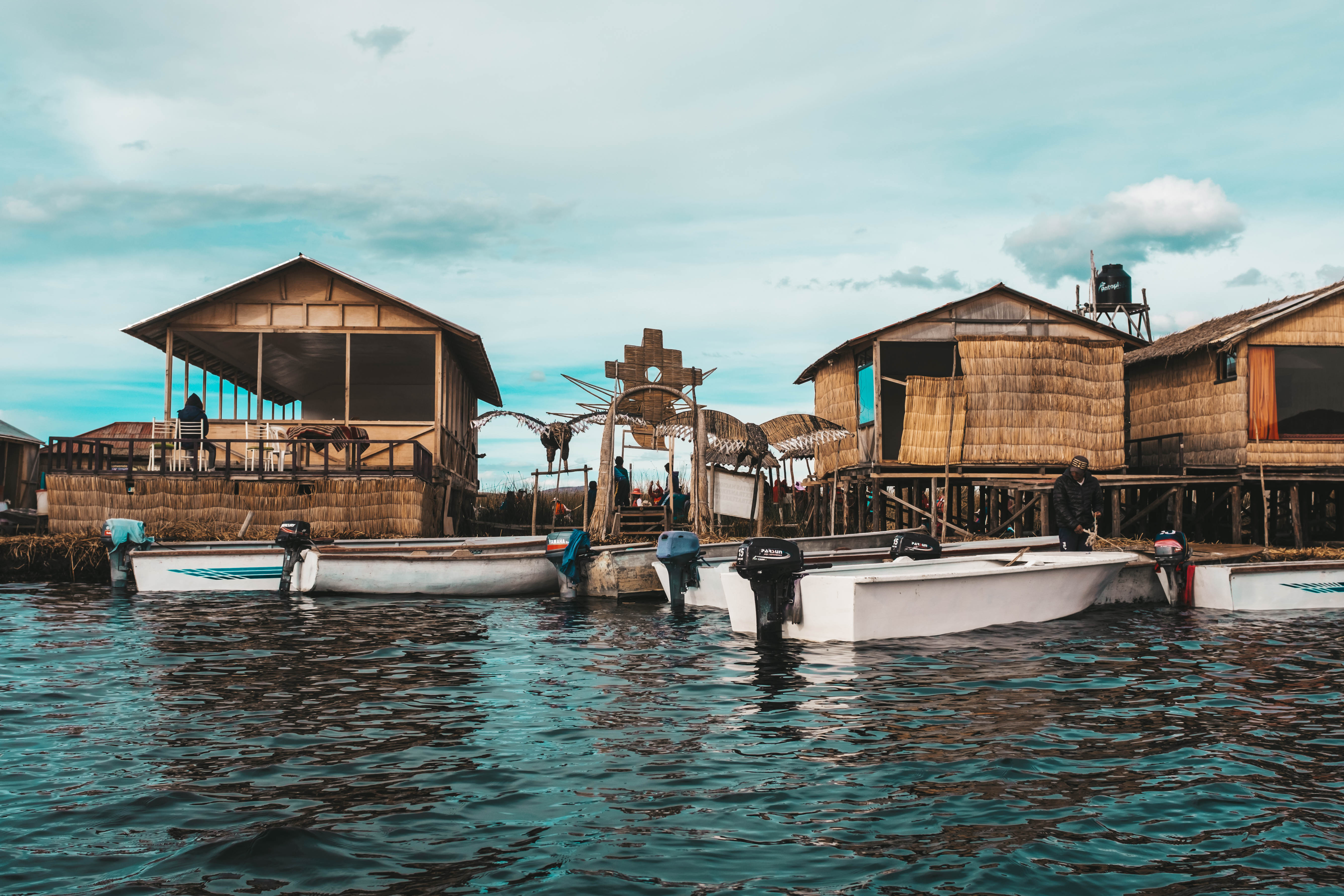
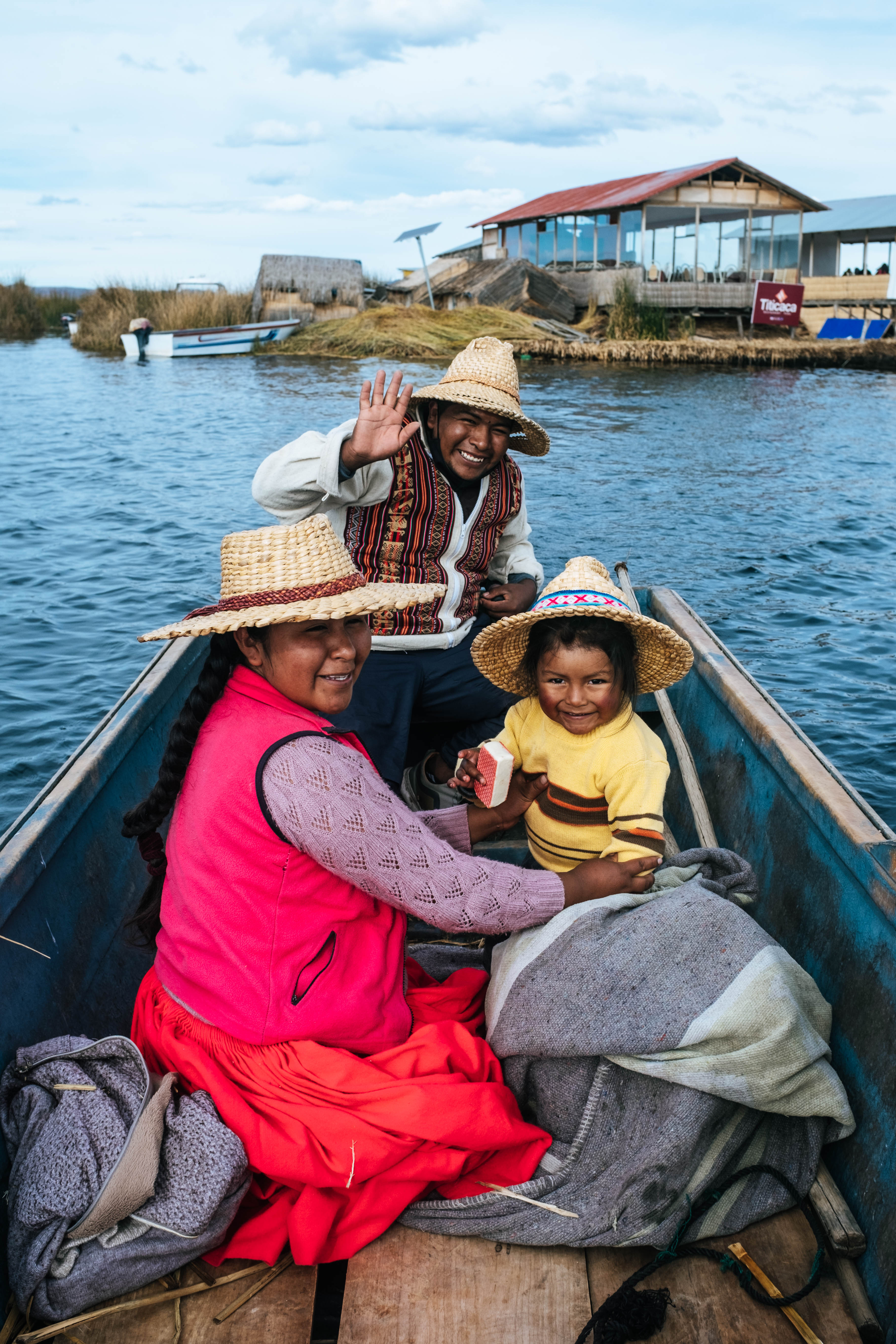
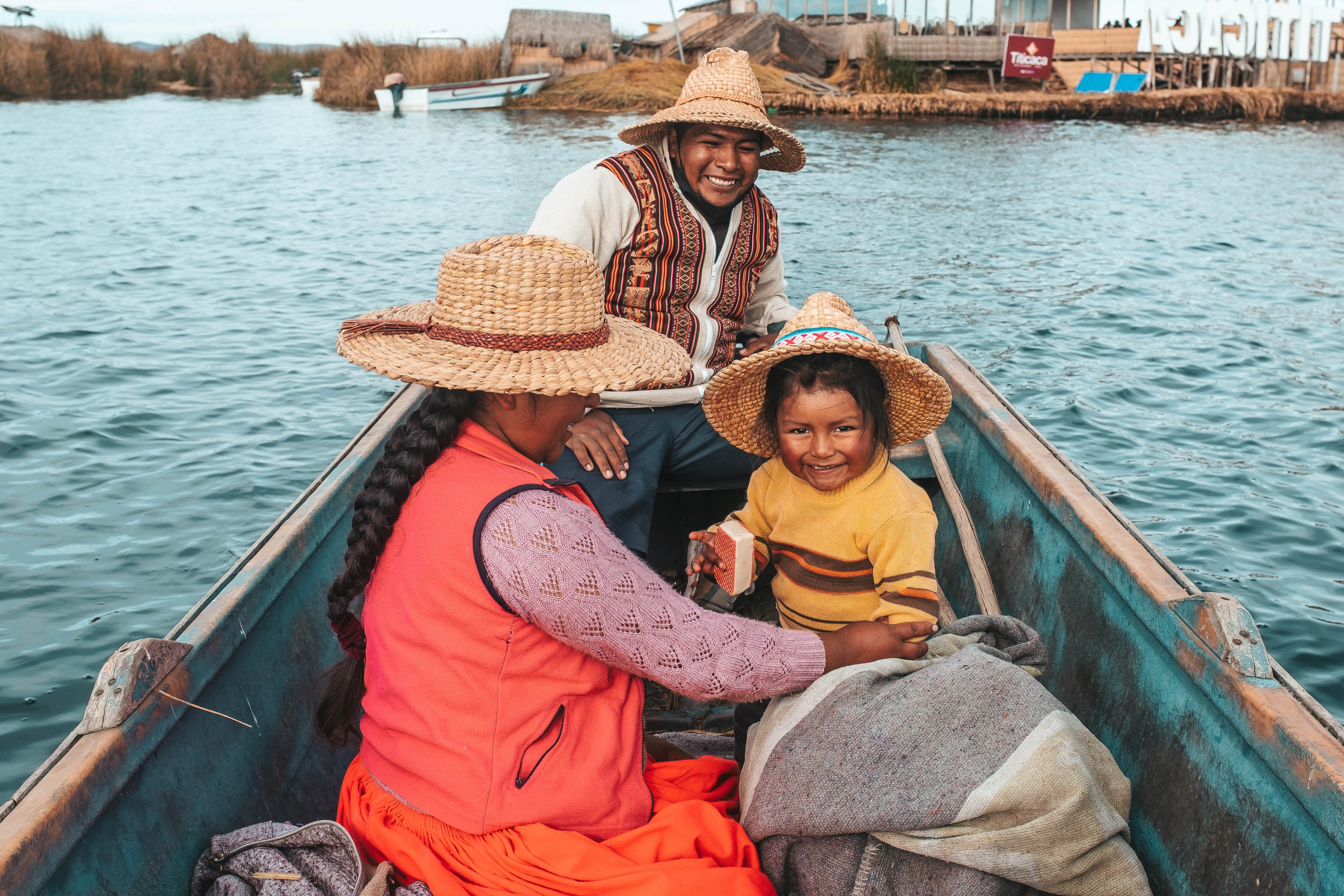
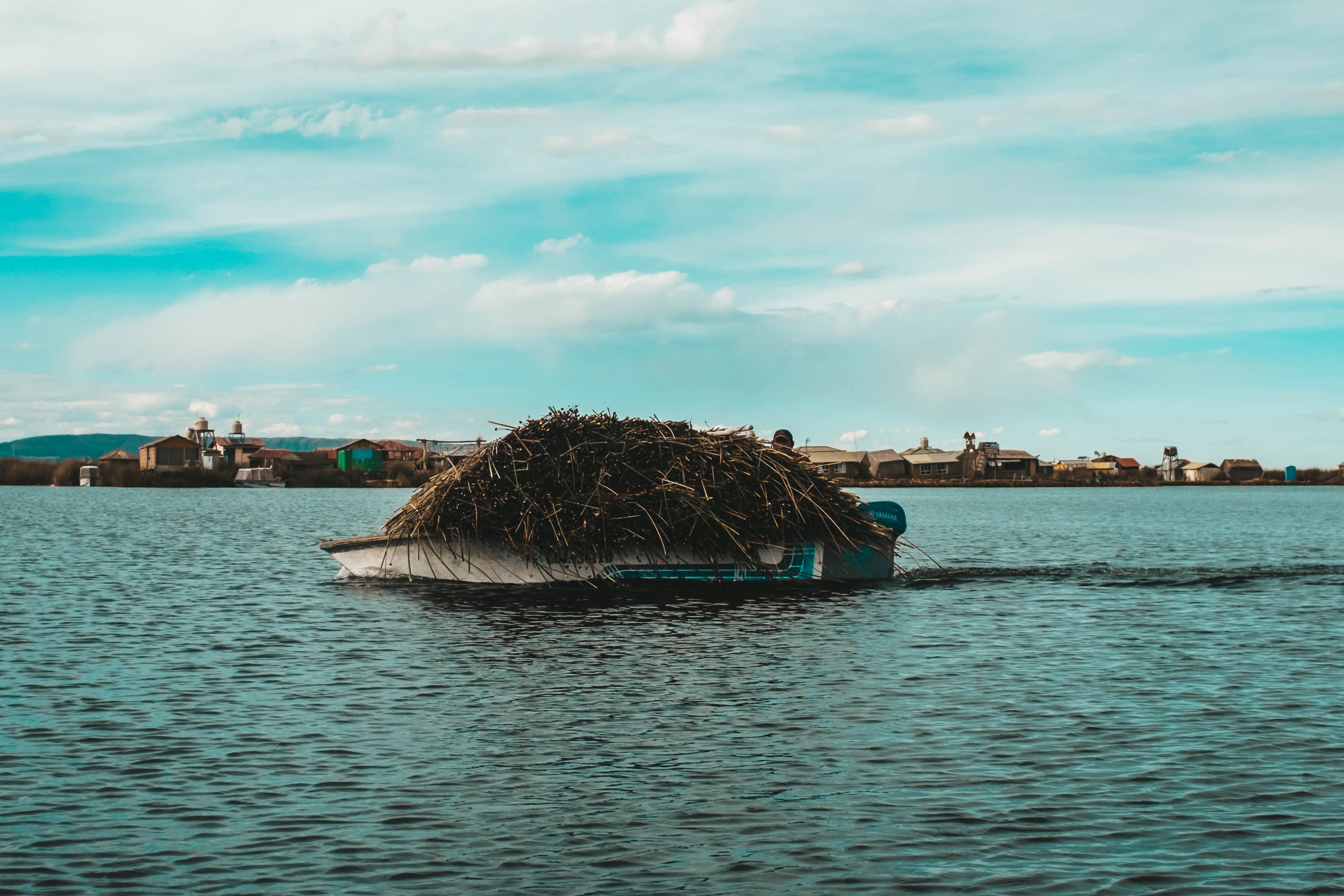
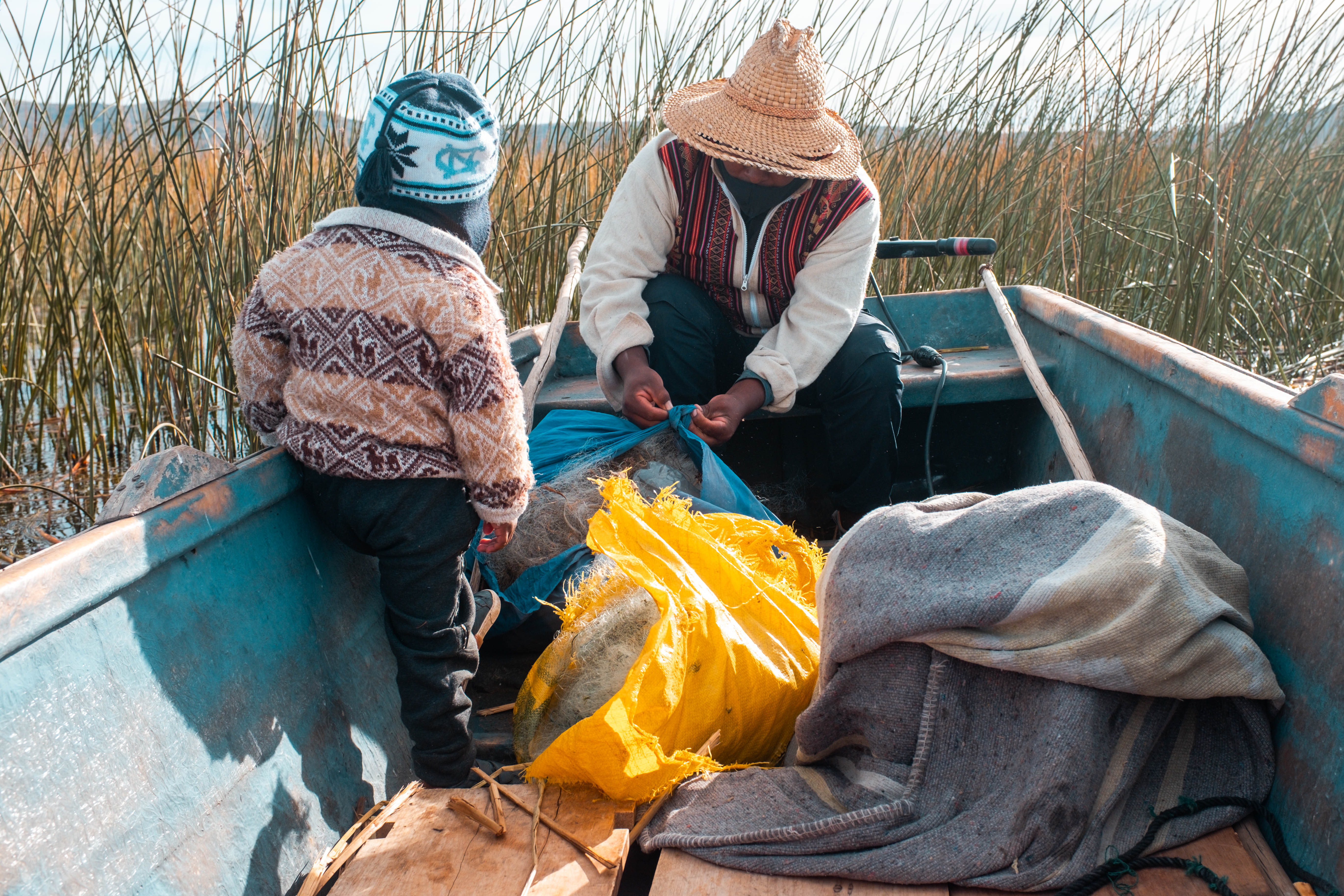
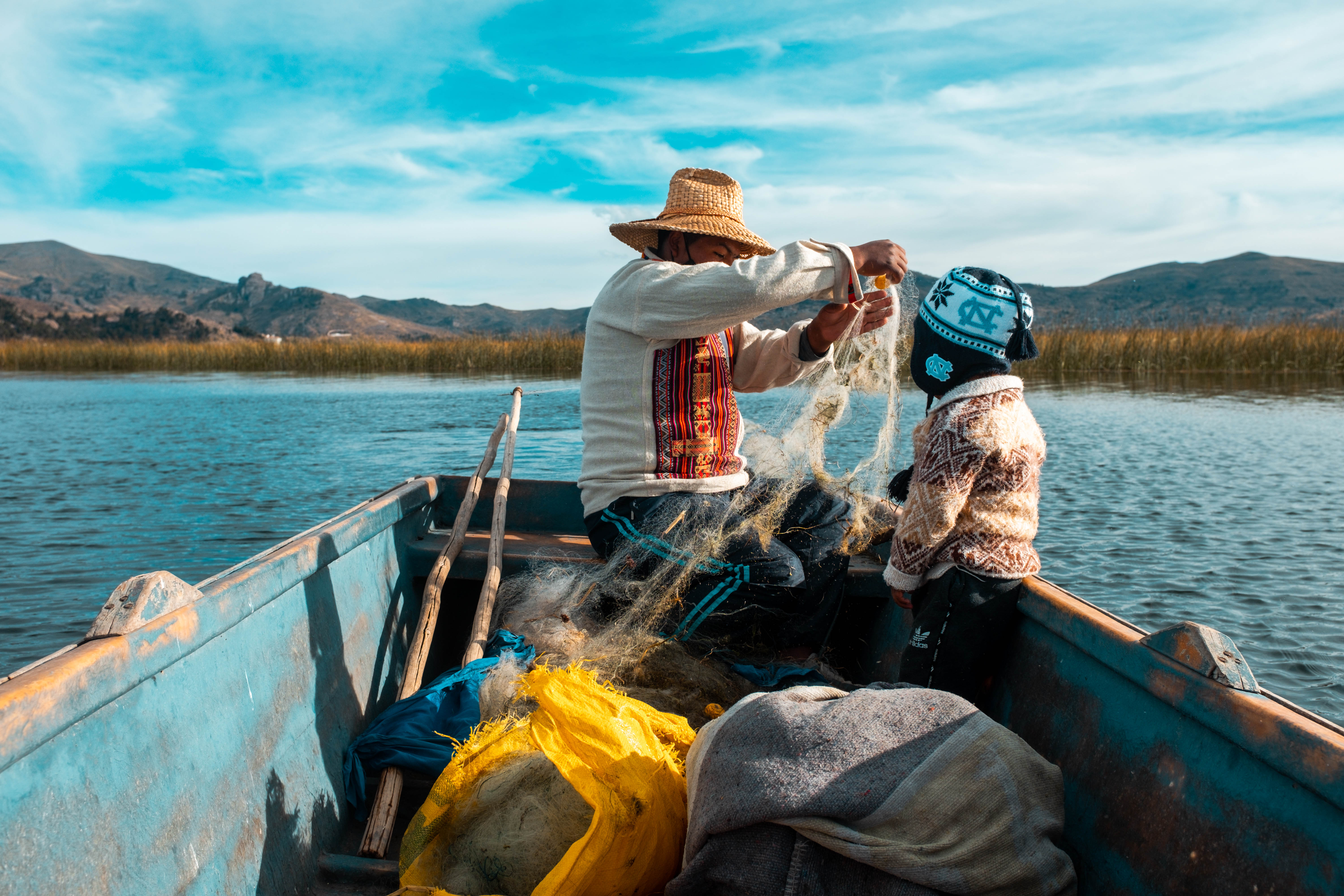
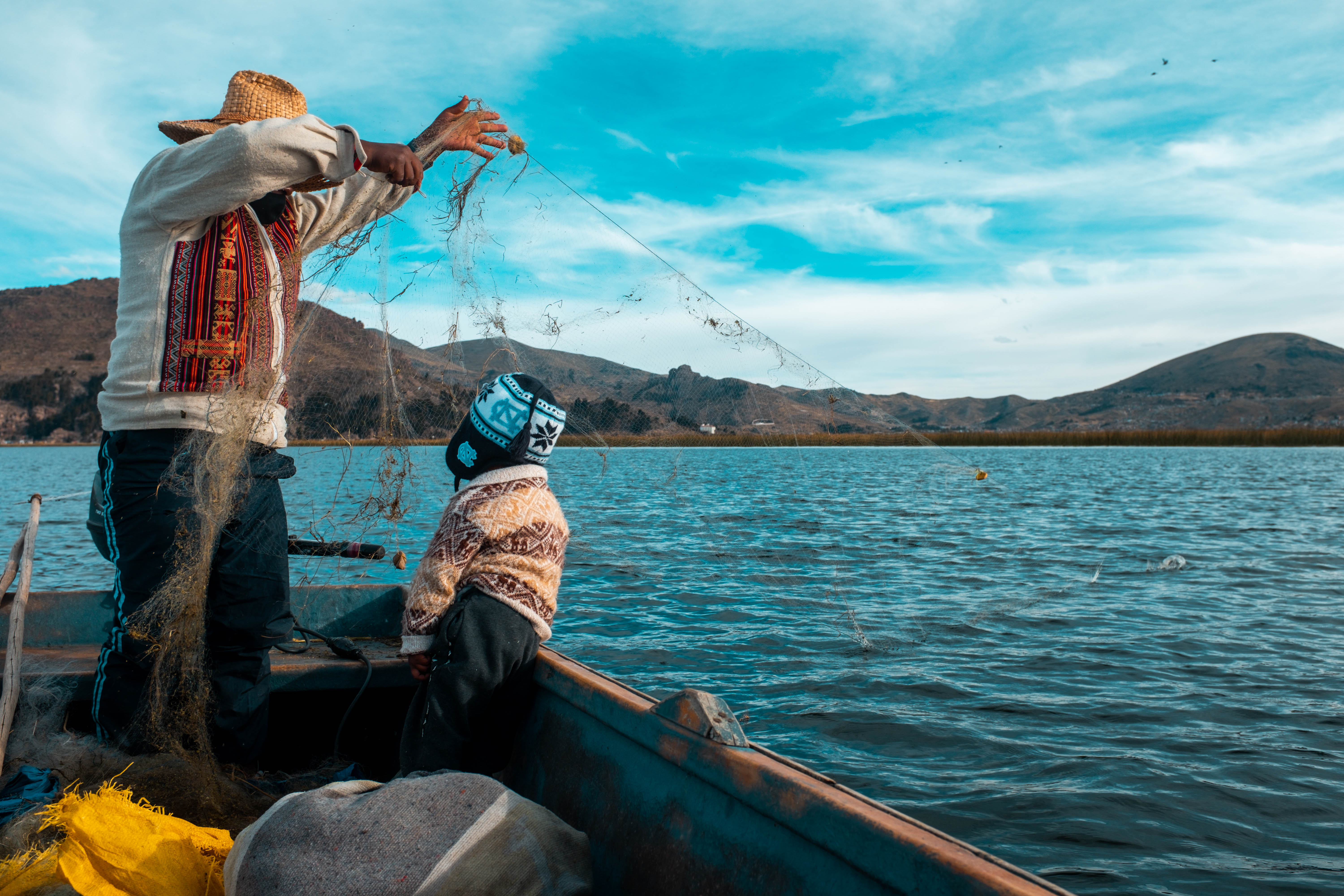
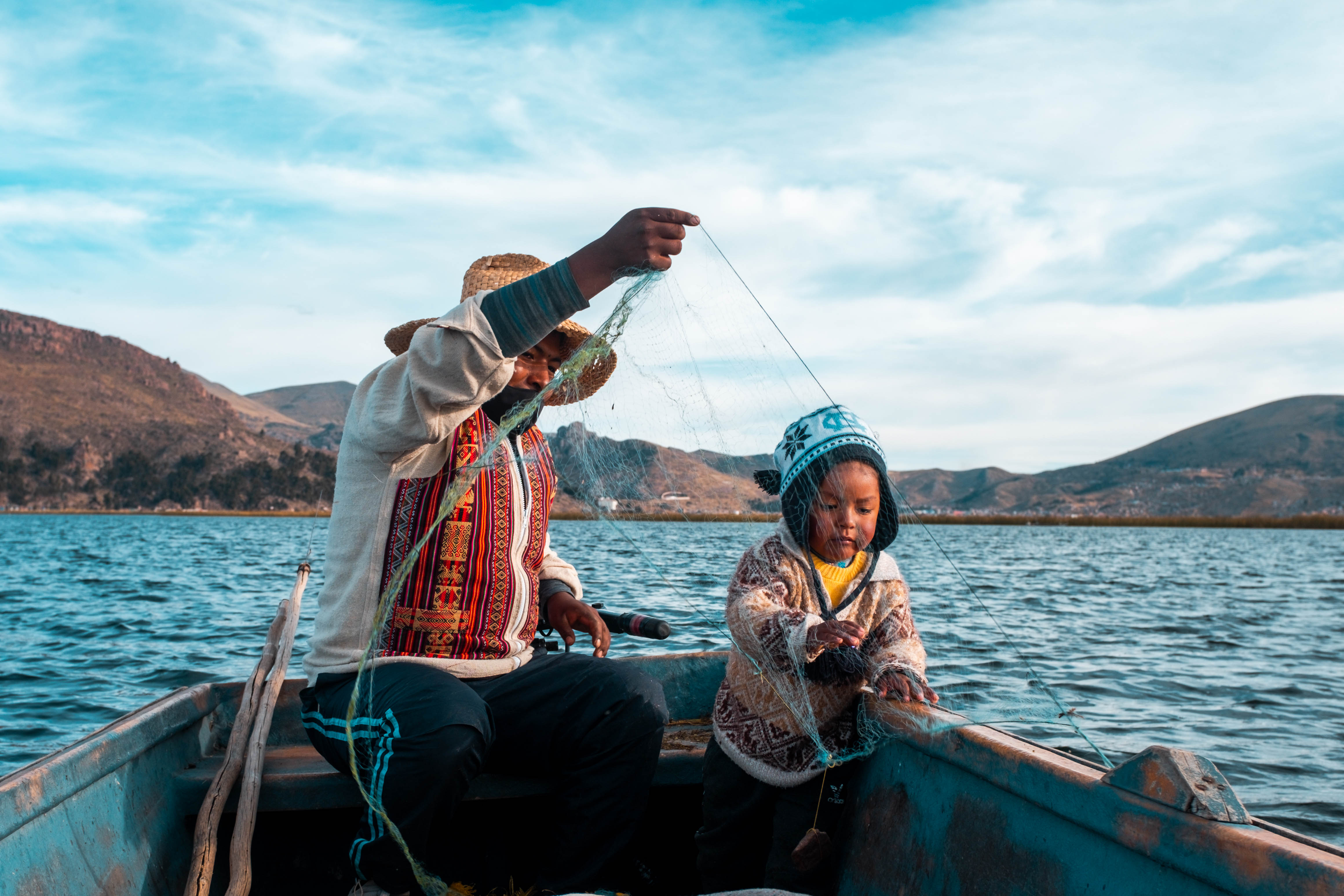
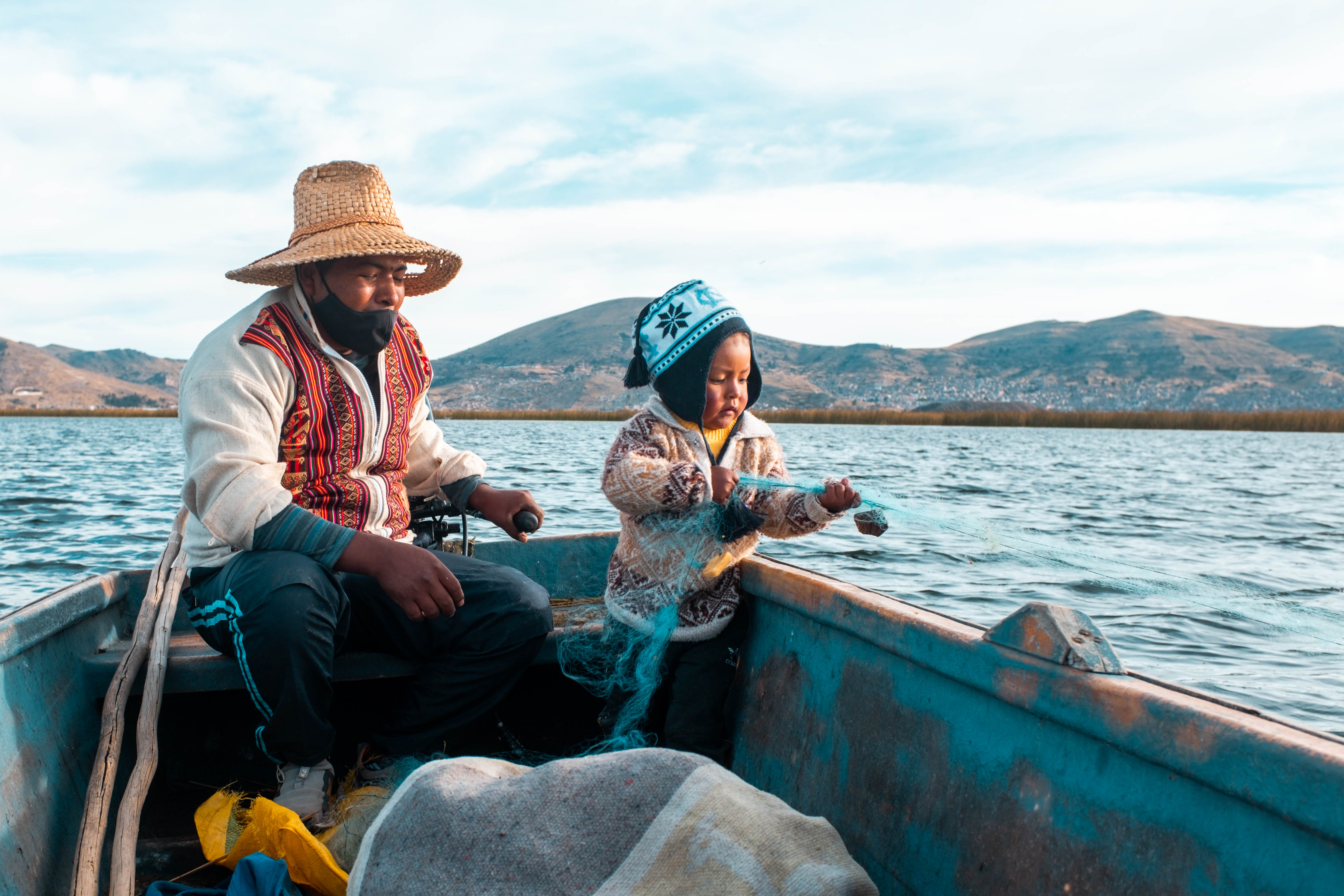
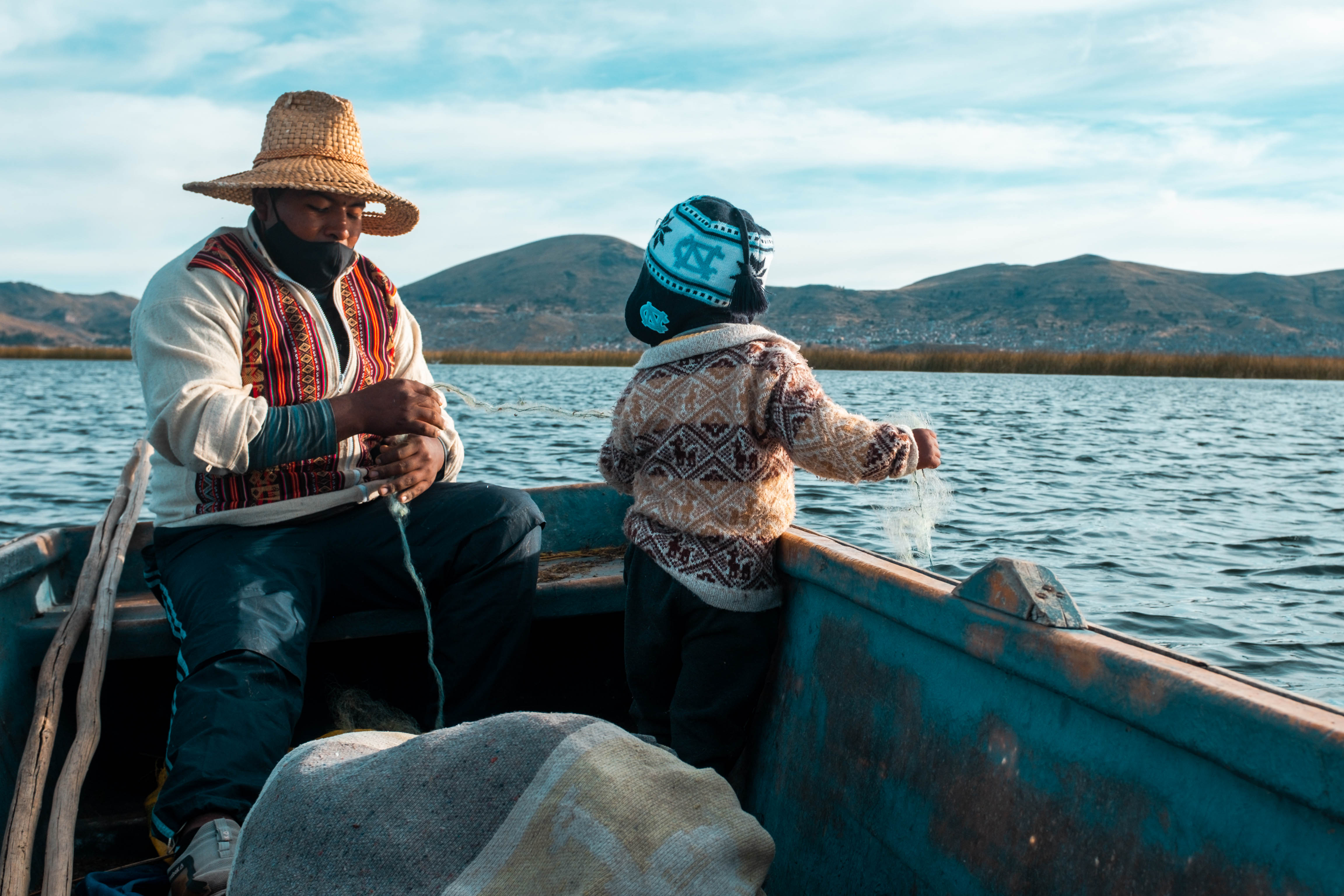
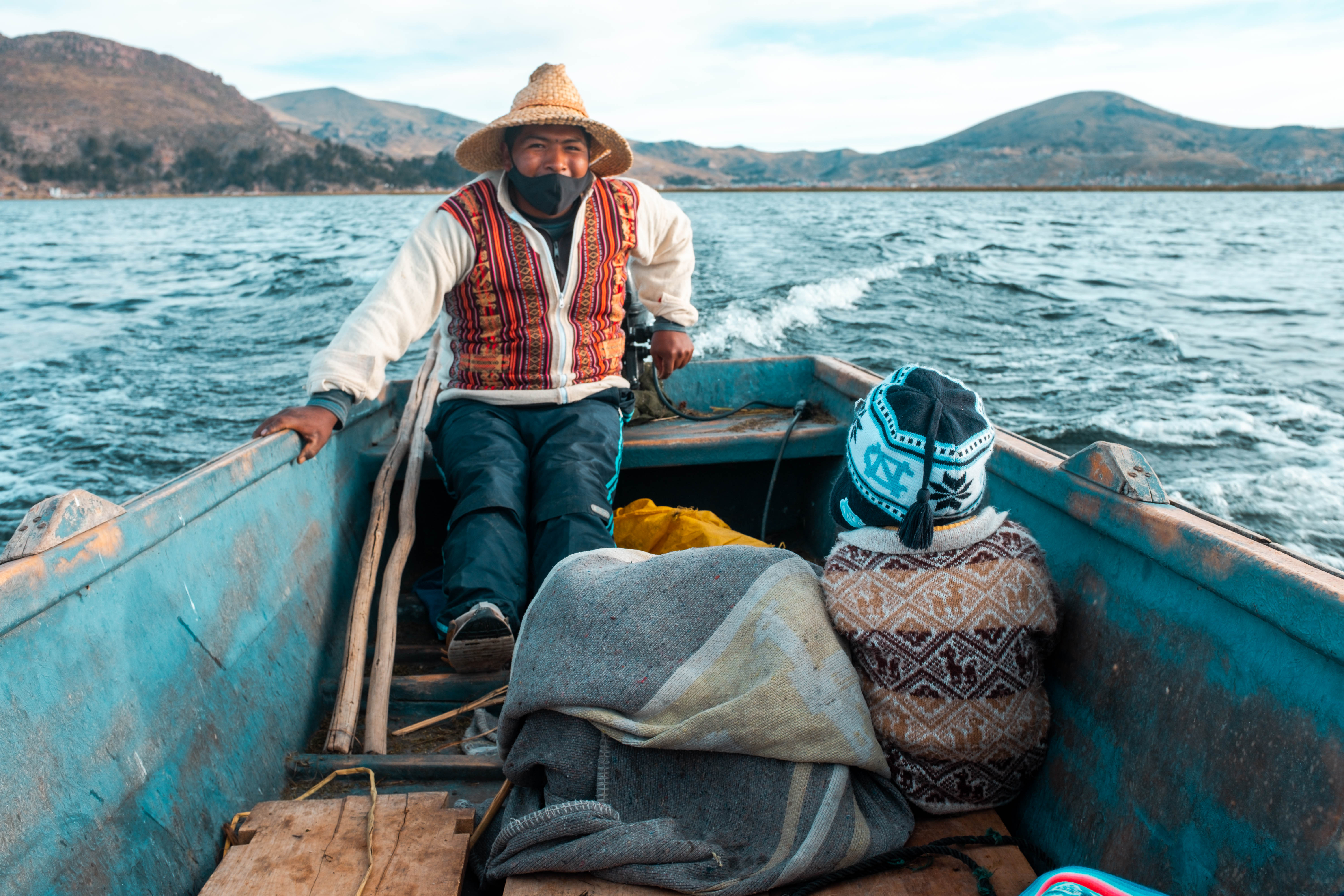
To visit the Uros Islands and stay at Henry’s Airbnb, click on the following LINK.
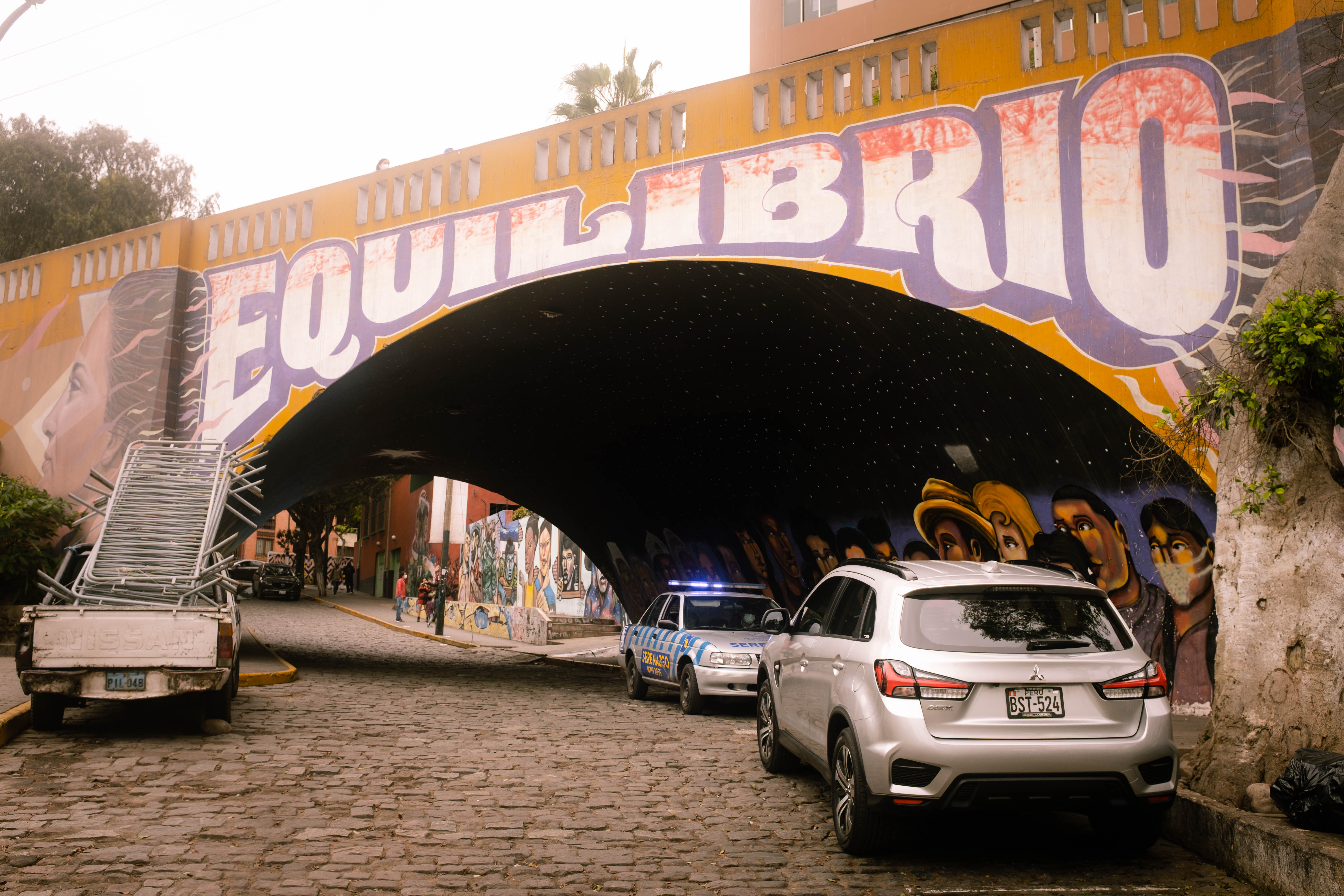
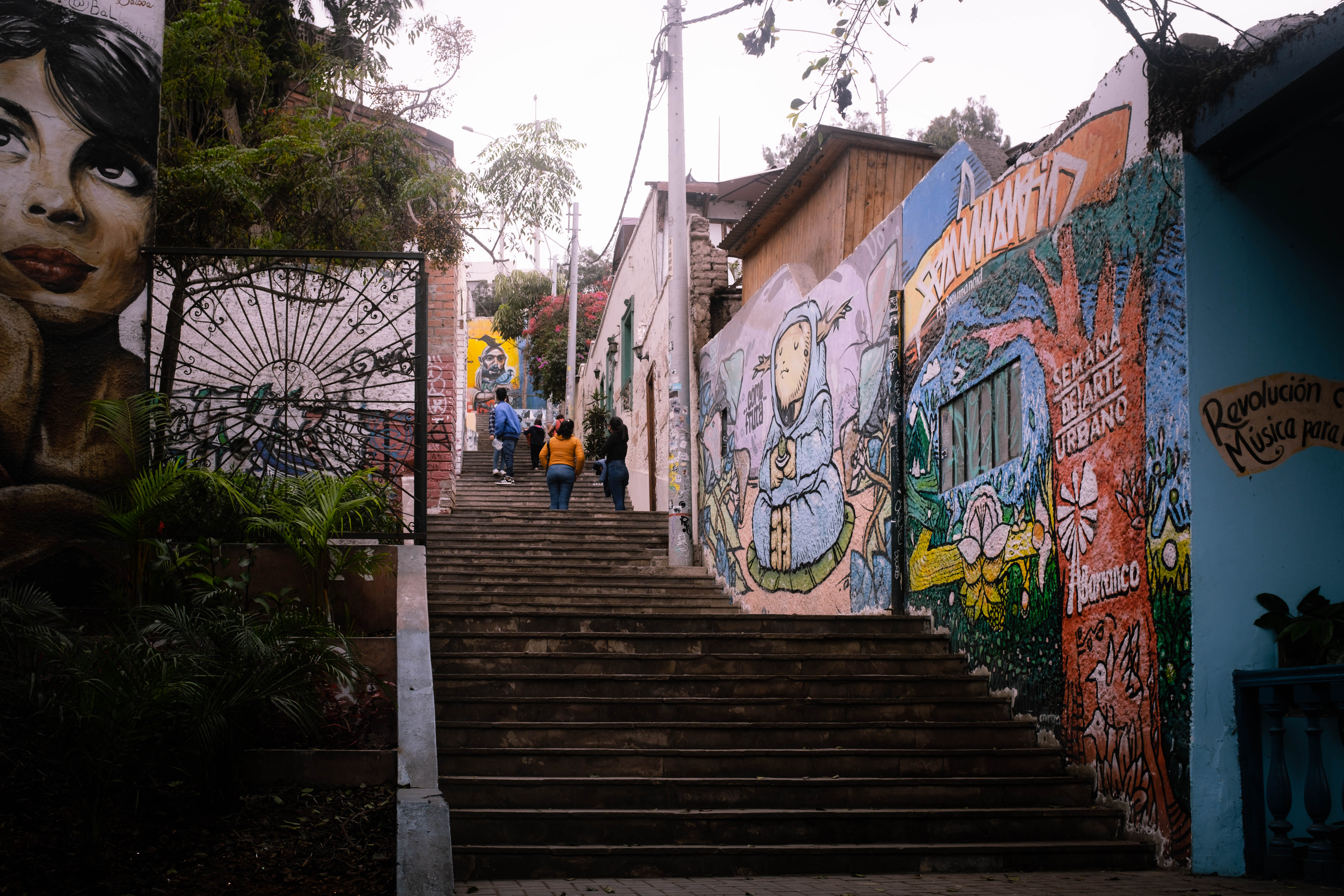
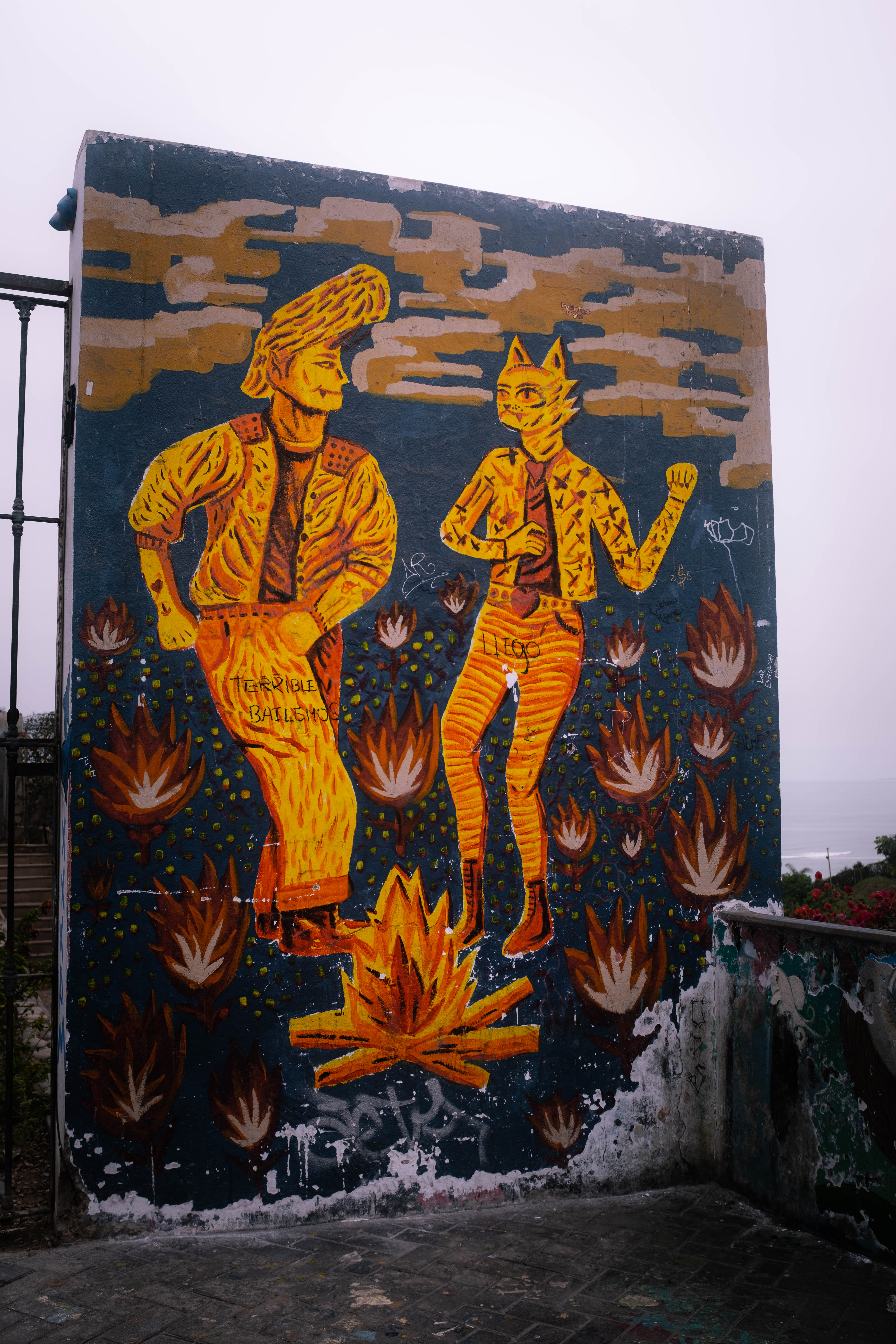
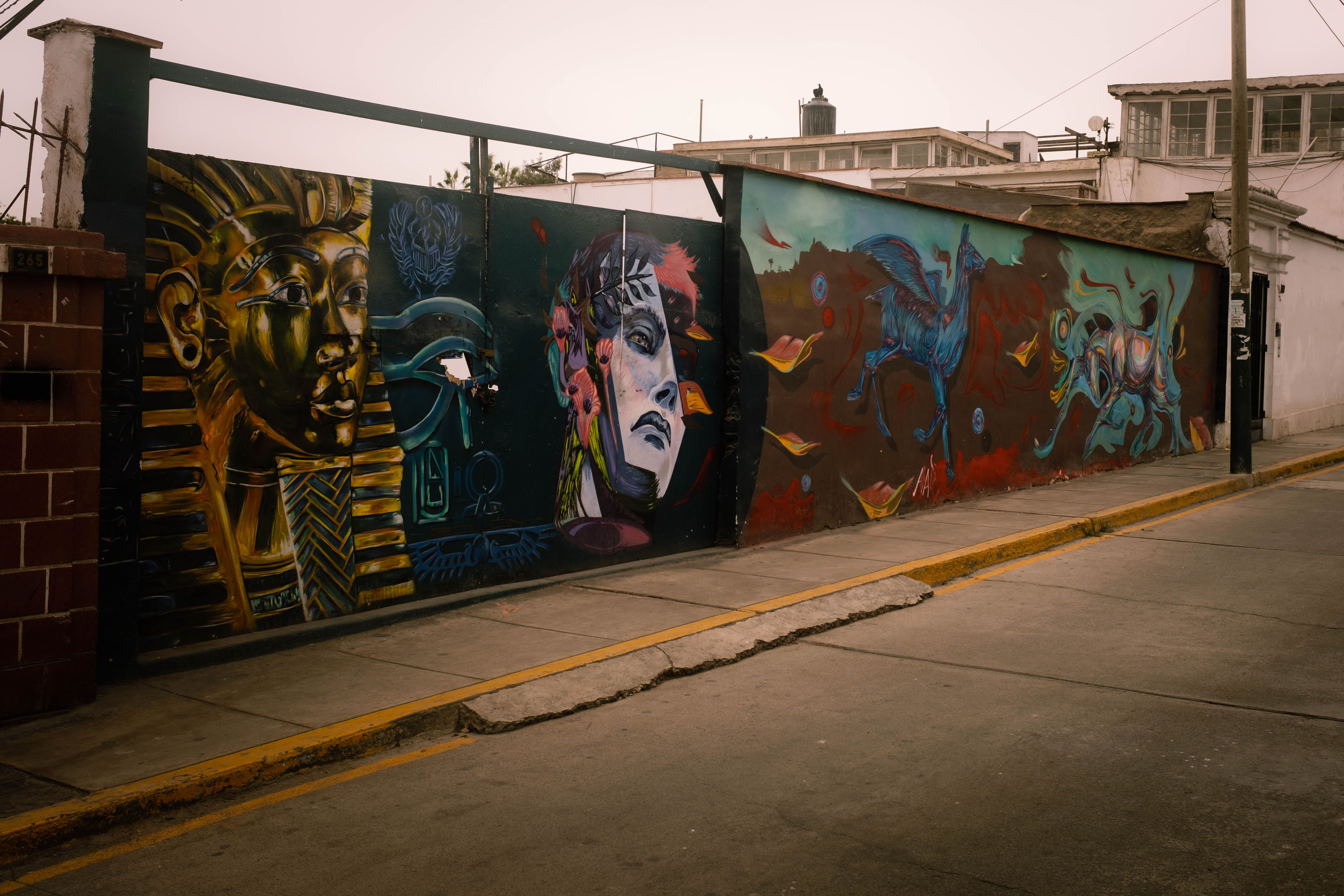
Lima, Barranco
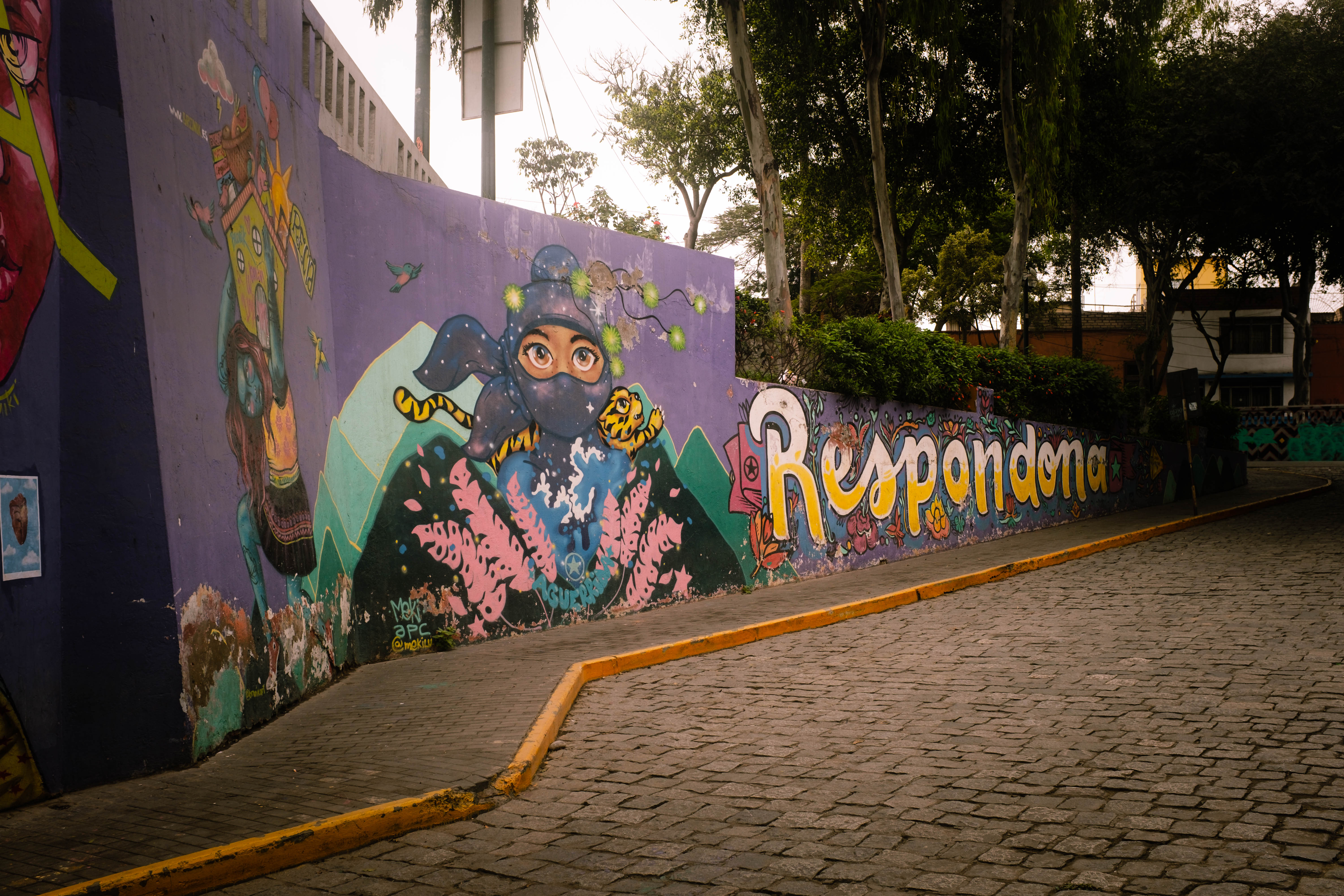
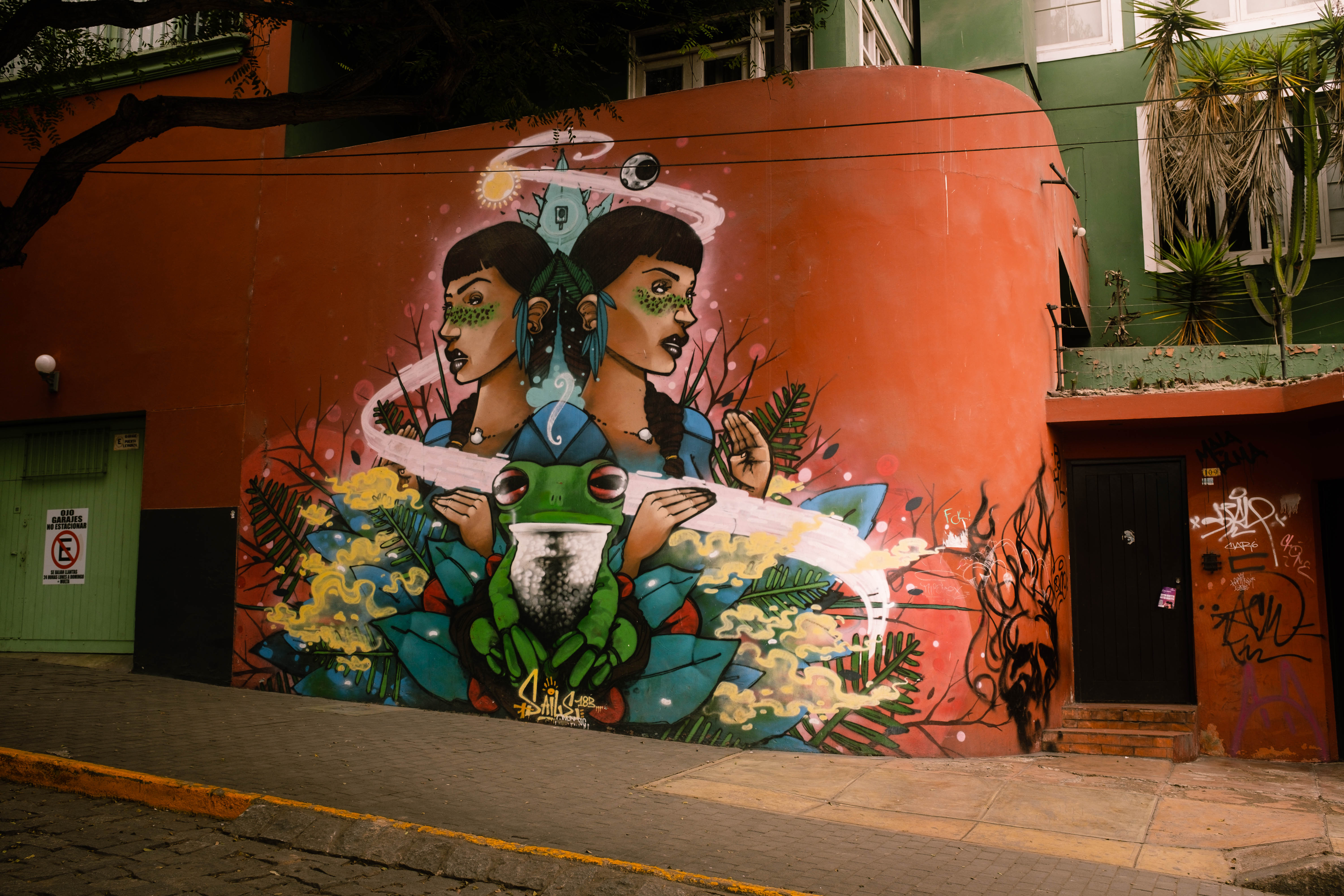
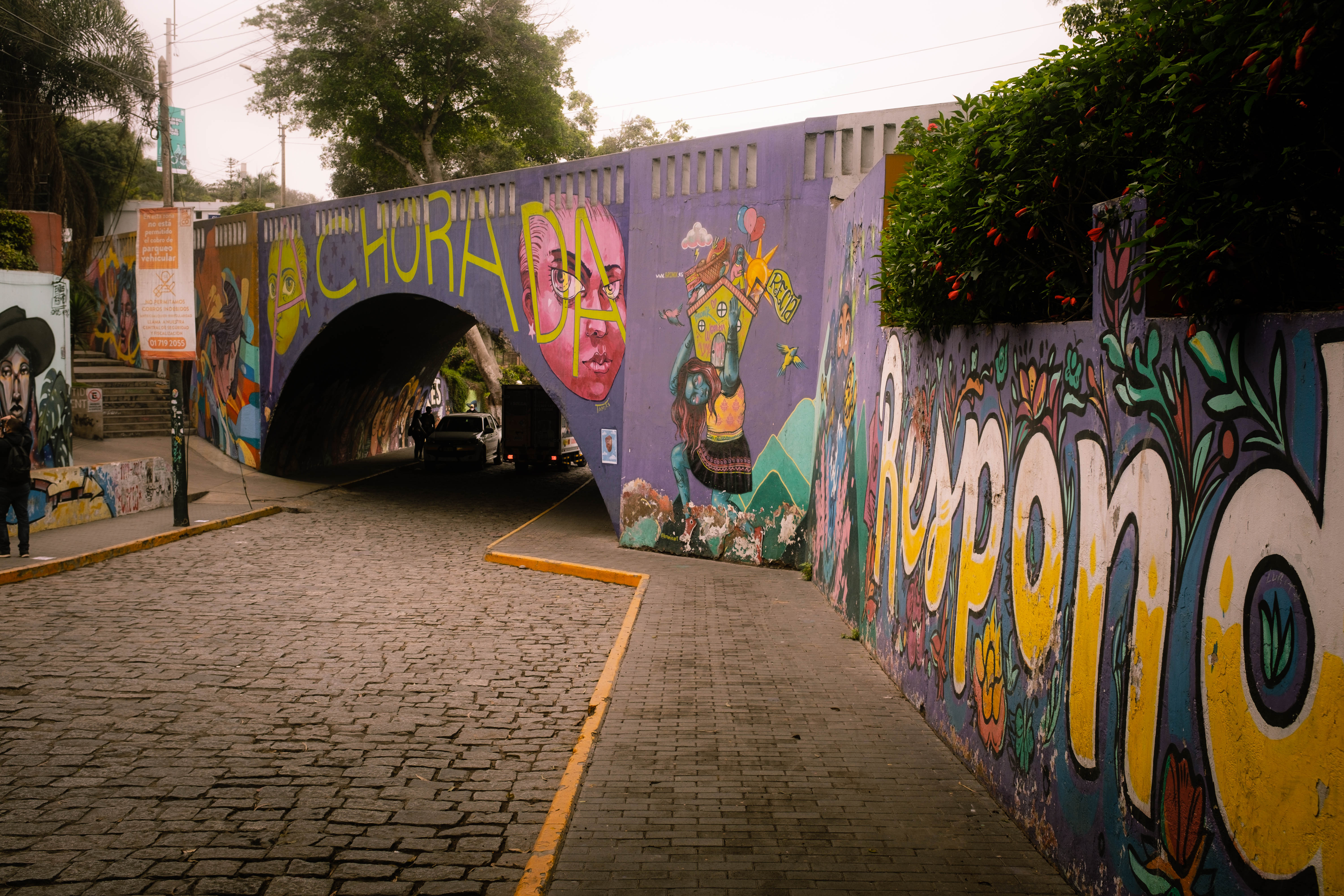
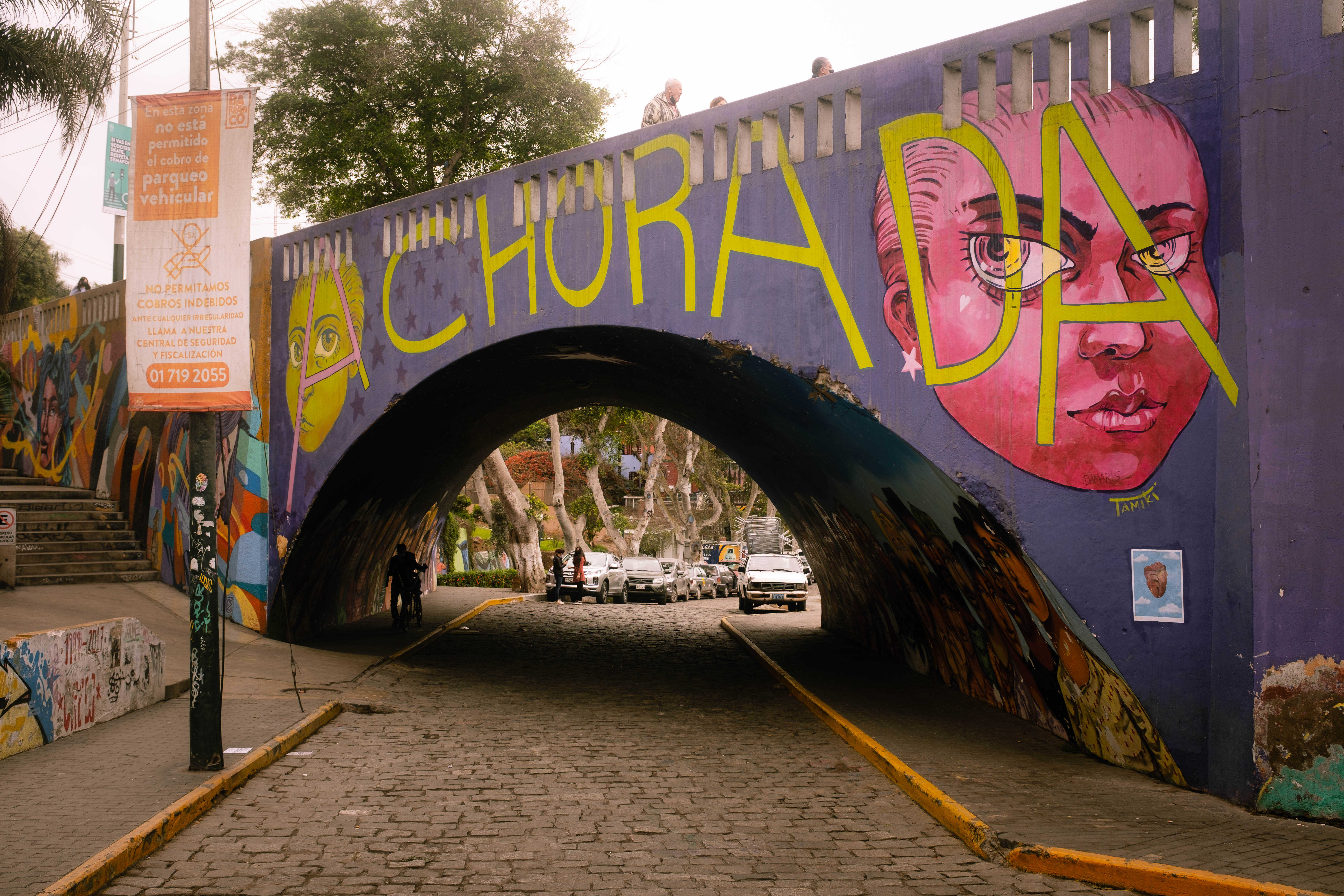
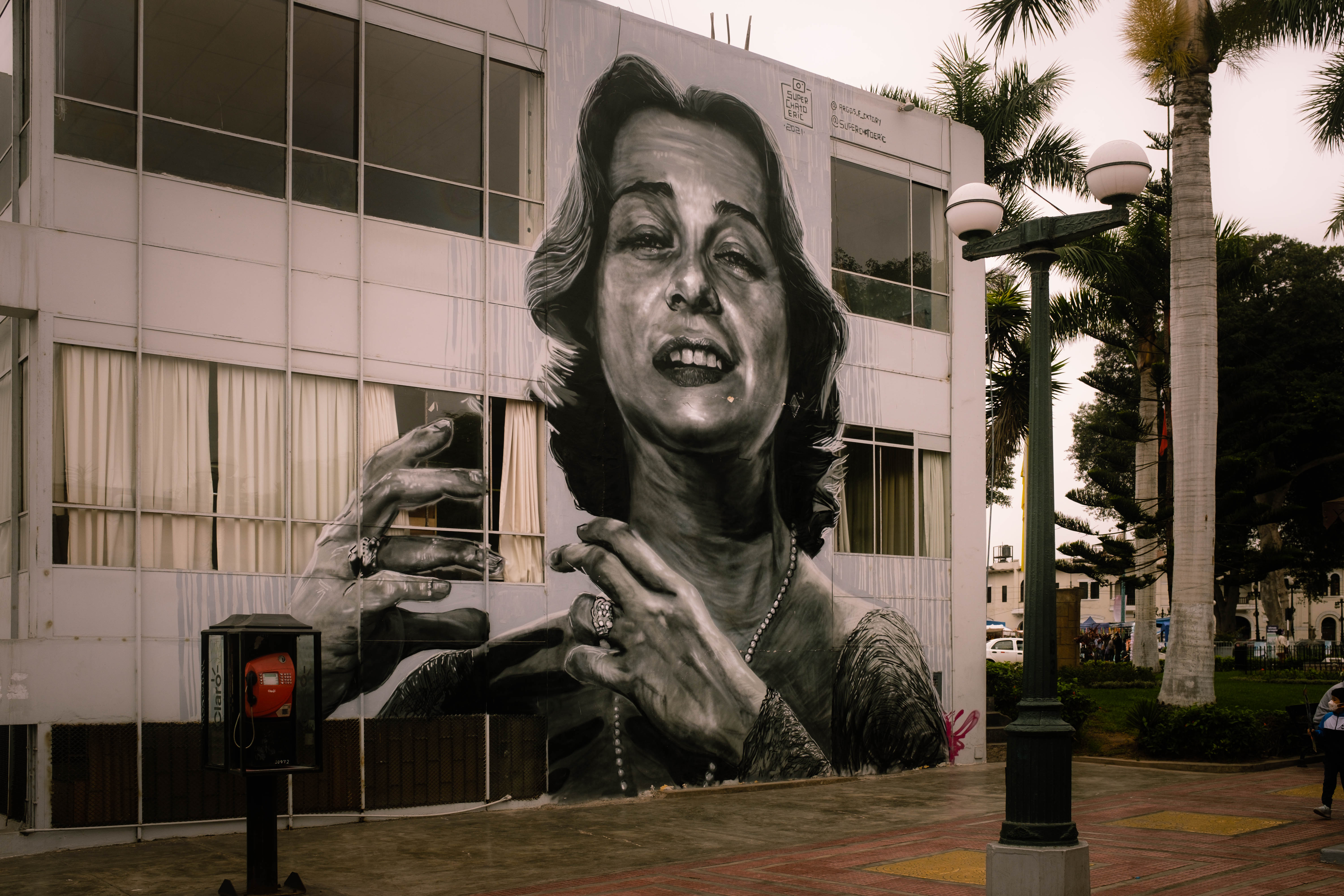
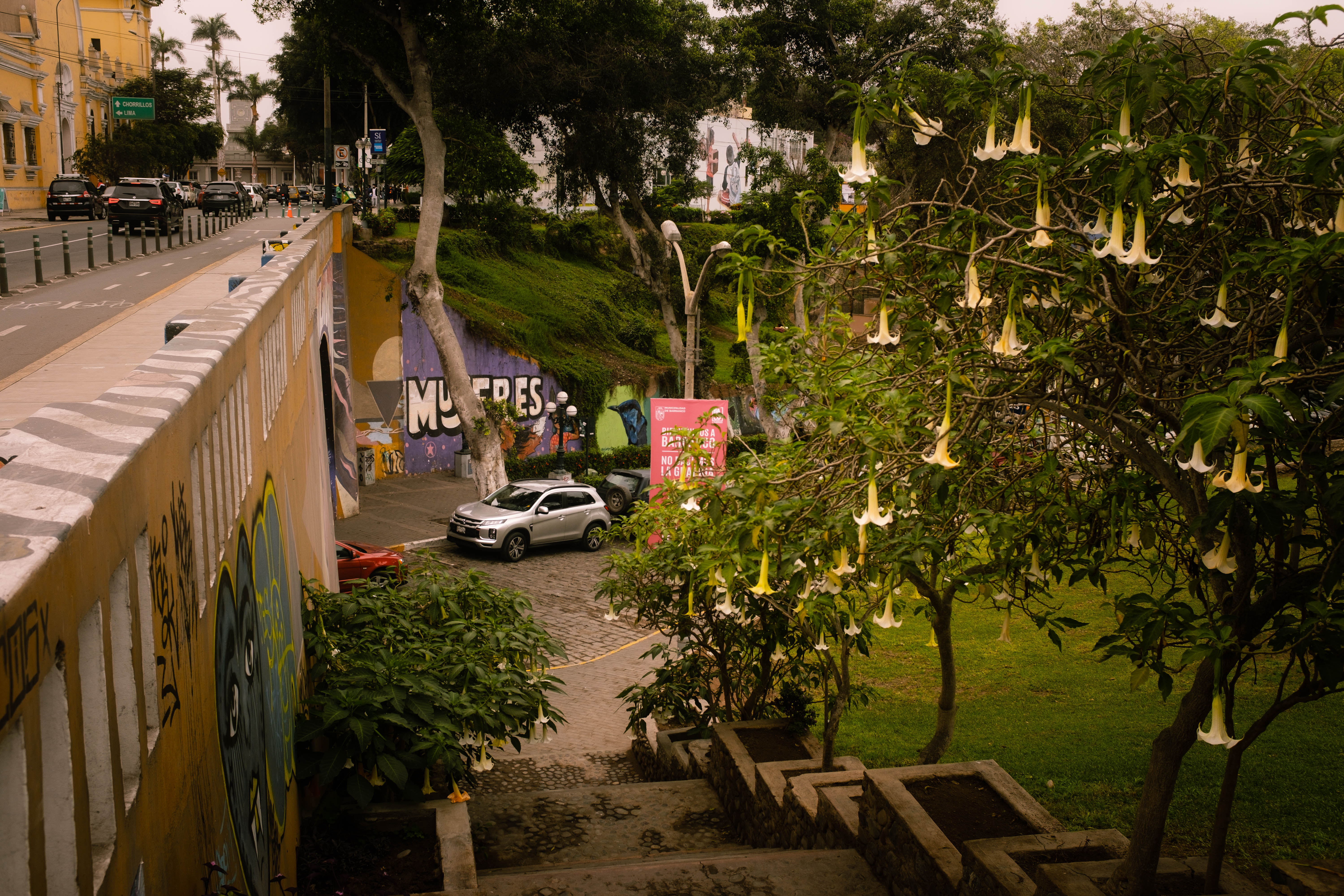
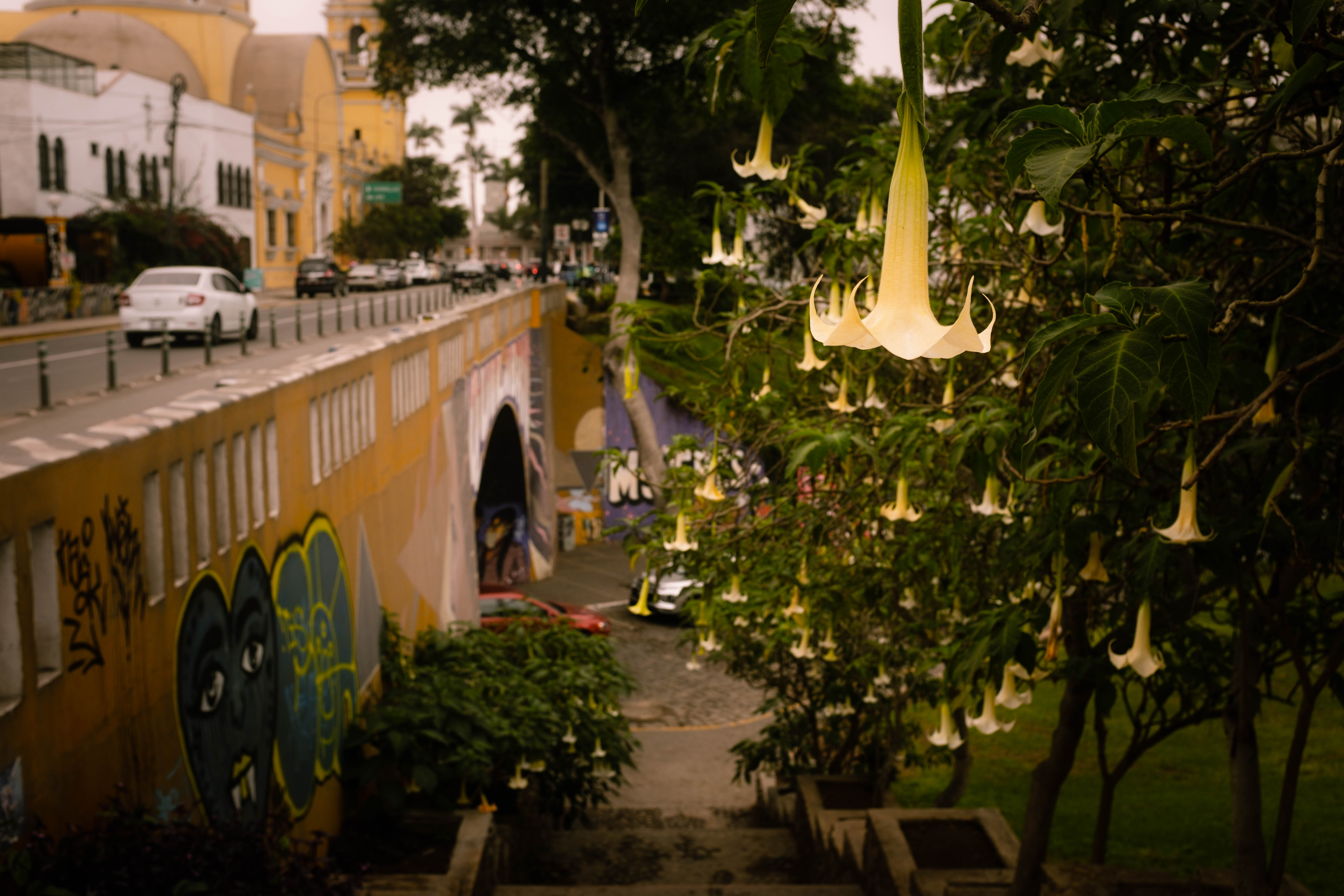
Known as the SoHo of Lima, Barranco is one of the city’s hippest neighborhoods, with colorful street art, tucked away bars and coffee shops, vibrant old mansions and summer houses, beautiful museums, delicious food, and plenty of bohemian vibes.
“Everything You Need to Know About Barranco, Lima’s Coolest Neighborhood,” Travel + Leisure




 opusculum